Era 10 of 12 · from 1700 to 1900
Age of revolutions
Between the 18th and 19th centuries the world changes faster than ever before. Steam engines move into factories and onto railway tracks, and many people leave the fields to work in towns: this is the Industrial Revolution. The thinkers of the Enlightenment call for people to use reason and to respect the rights of every person. In America and France revolutions bring down the absolute power of kings, and in the 19th century Italy too becomes a single state. At the end of the century come electric light, the motor car and the cinema.
In Italian schools it is usually studied in lower secondary year 2
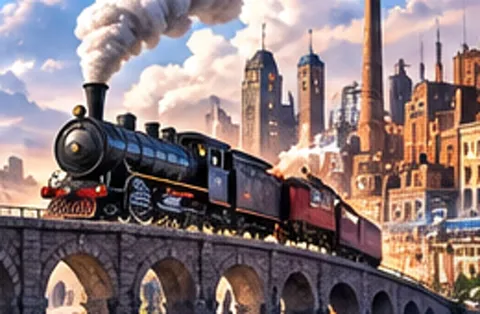
The 25 events, in time order
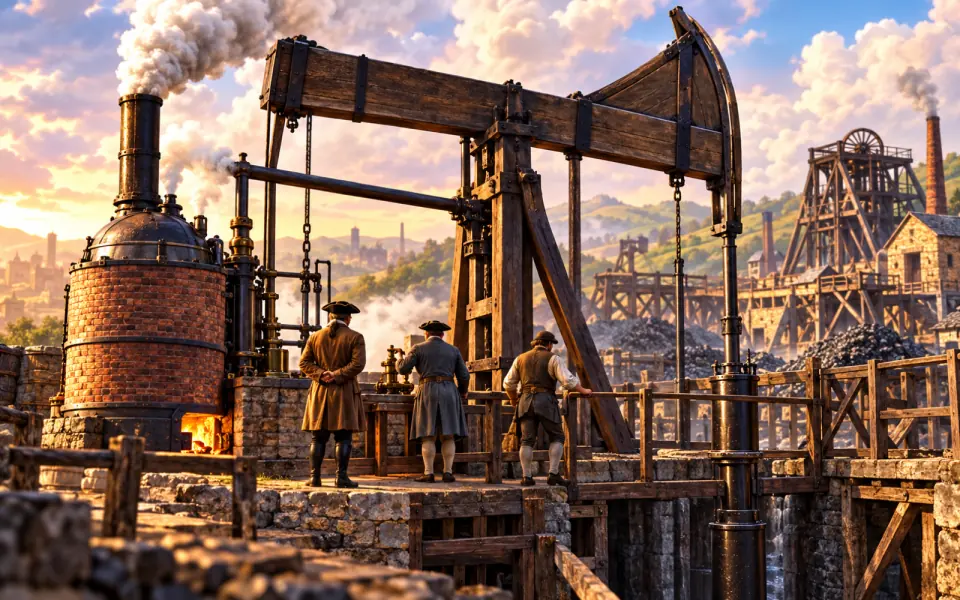 science and technologyNewcomen's steam engine1712
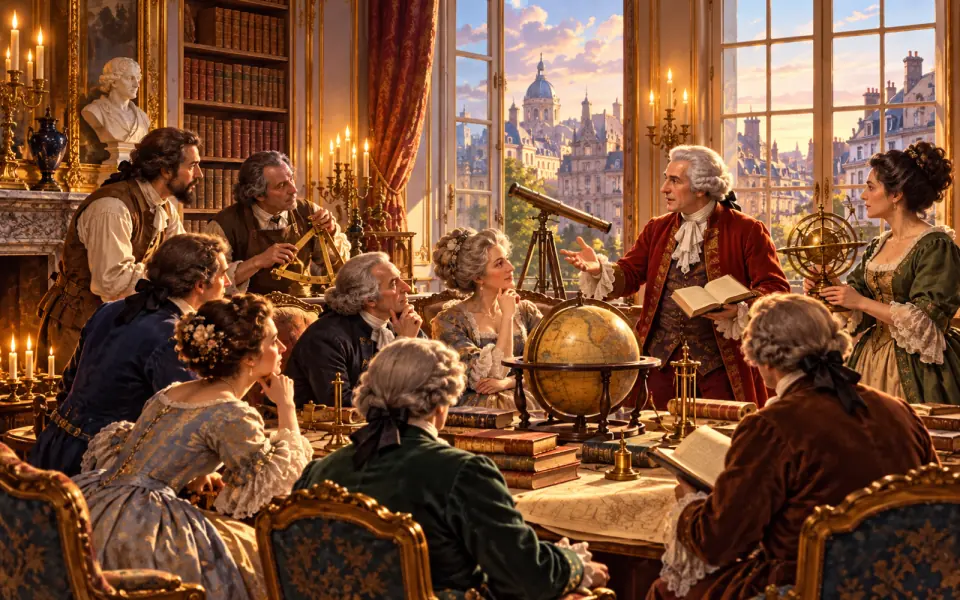 peopleThe European Enlightenmentabout 1720
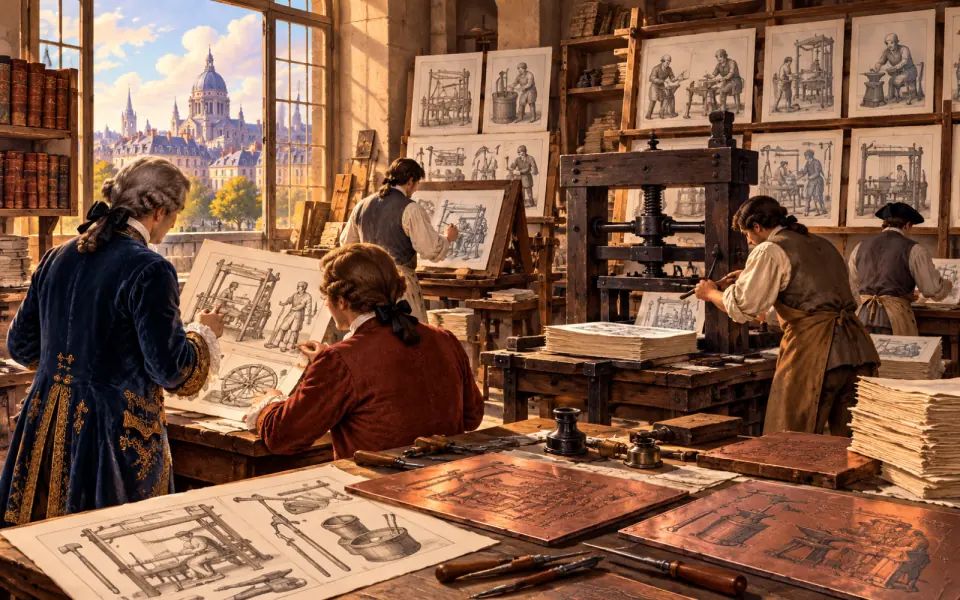 artDiderot's Encyclopédie1751
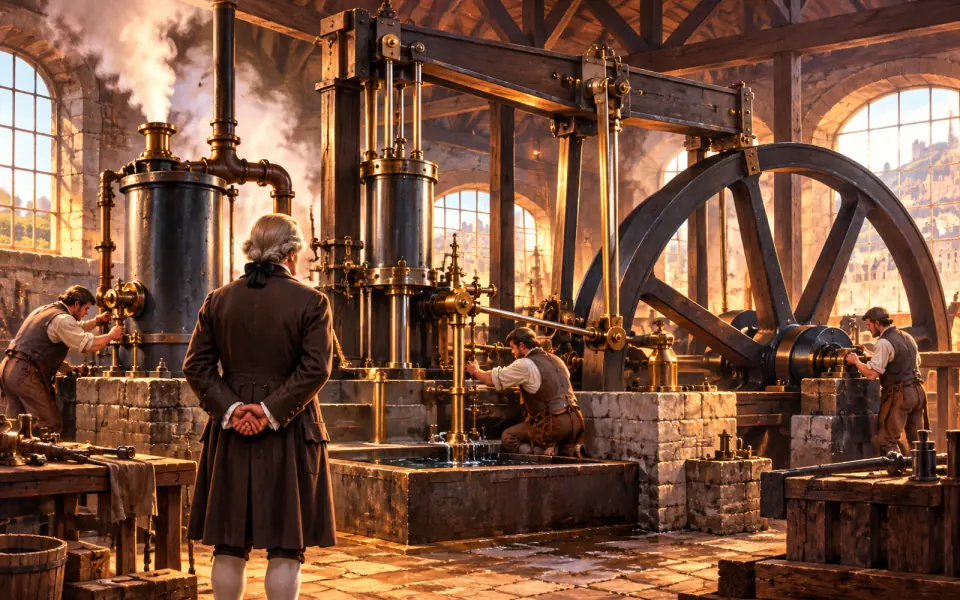 science and technologyWatt's steam engine1769
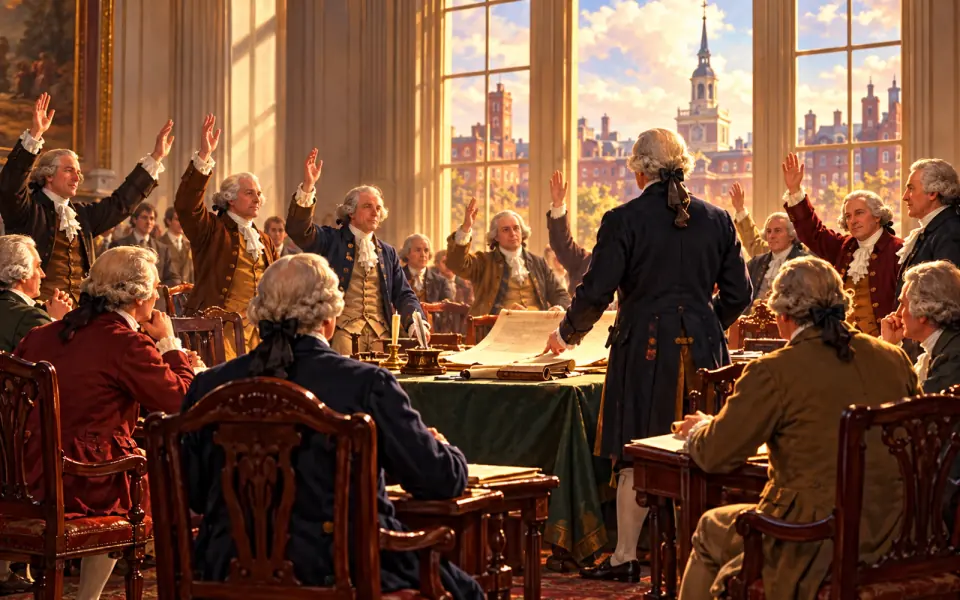 politicsThe American Revolution1776–1783
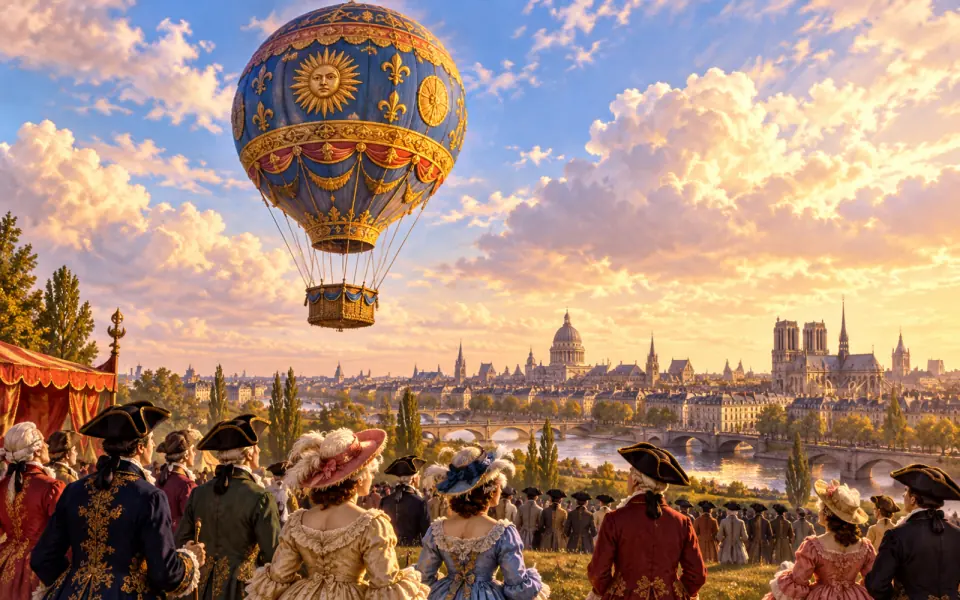 science and technologyThe first hot-air balloon flight1783
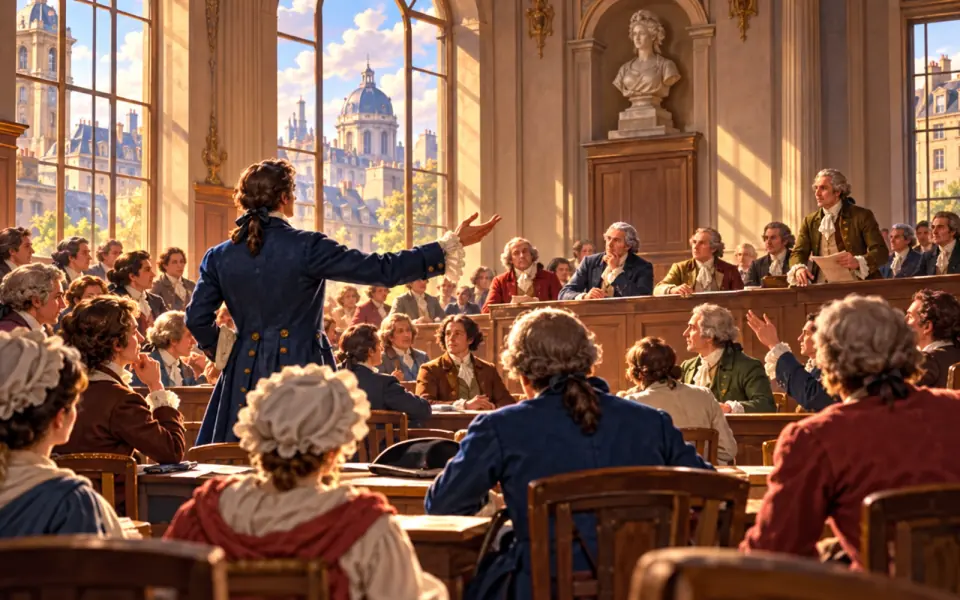 politicsThe French Revolution1789–1799
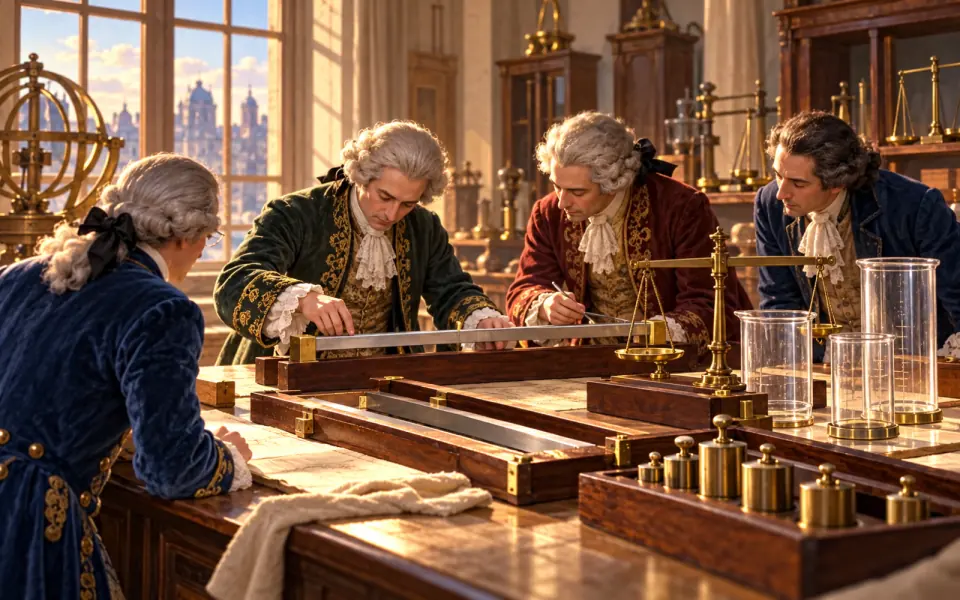 daily lifeThe metric system1795
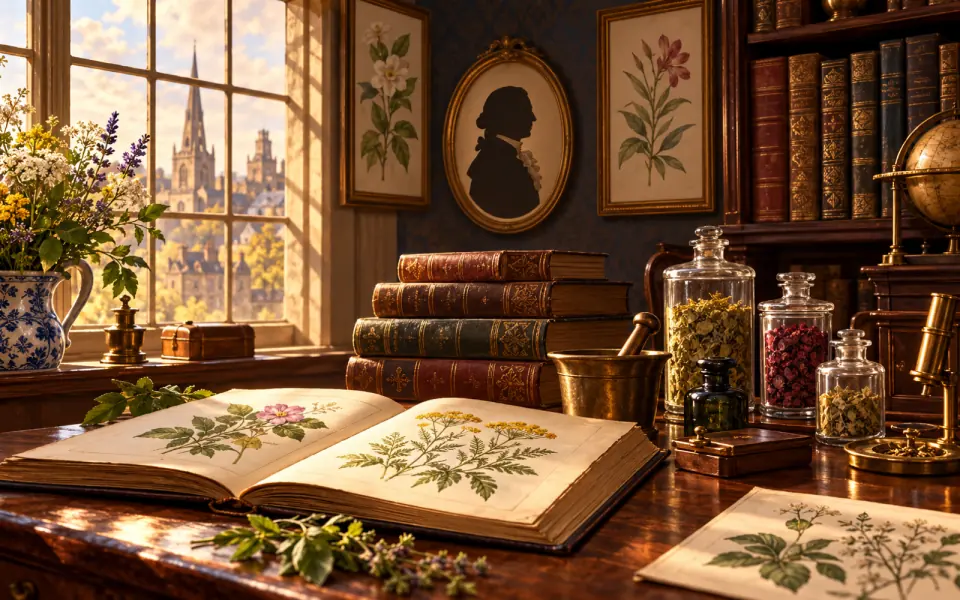 science and technologyJenner's vaccine1796
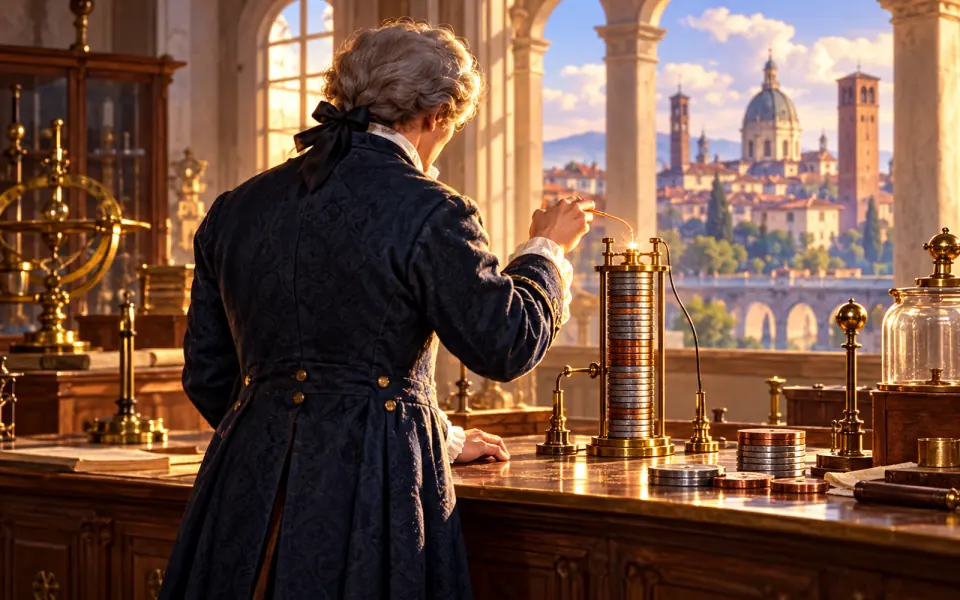 science and technologyVolta's battery1800
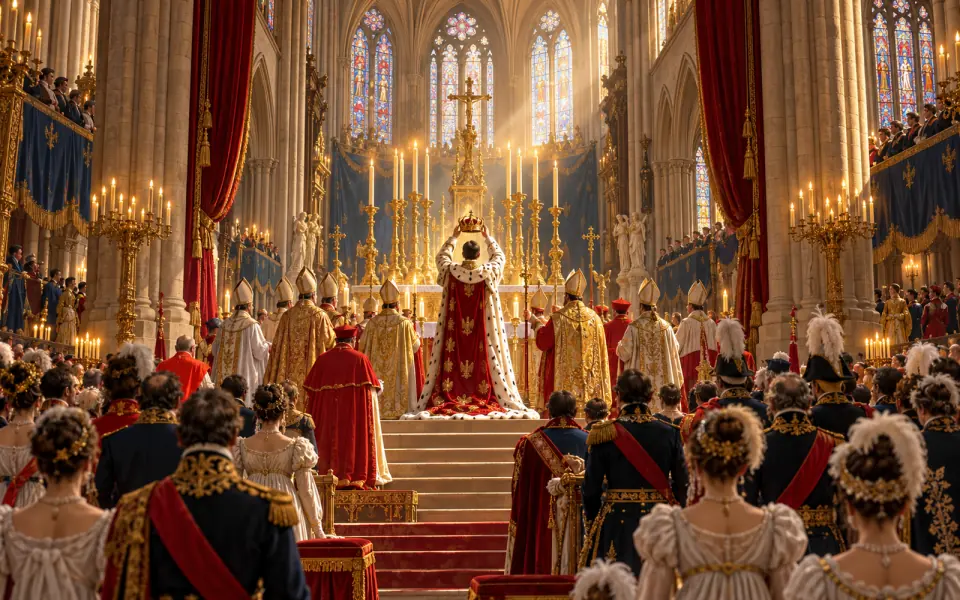 politicsNapoleon becomes emperor1804
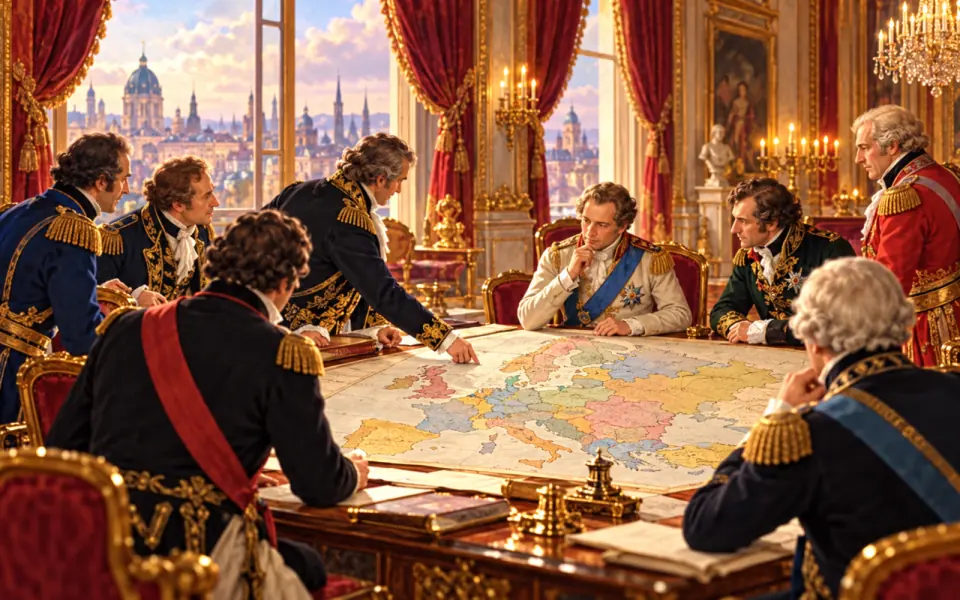 politicsThe Congress of Vienna1815
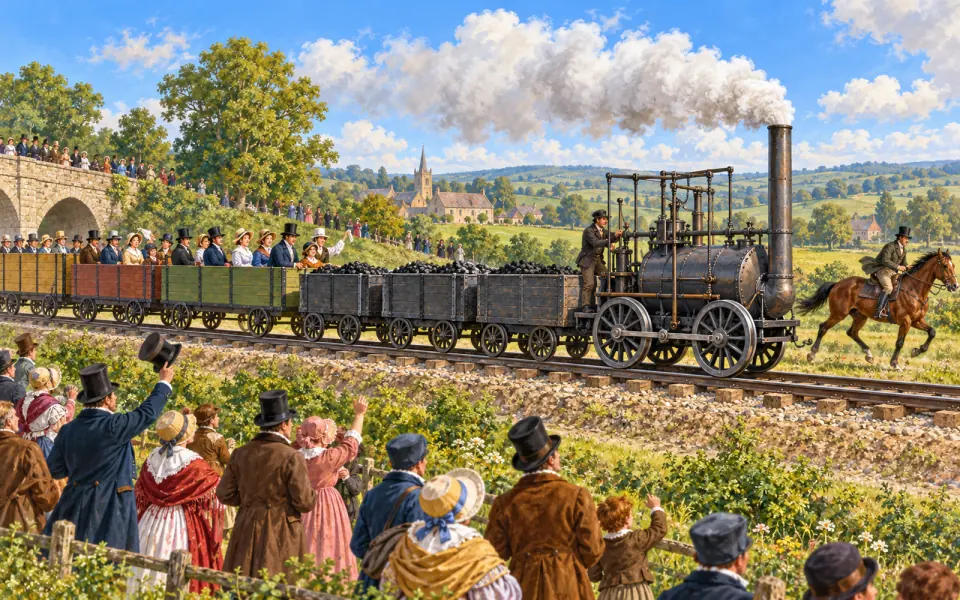 science and technologyThe first public steam railway1825
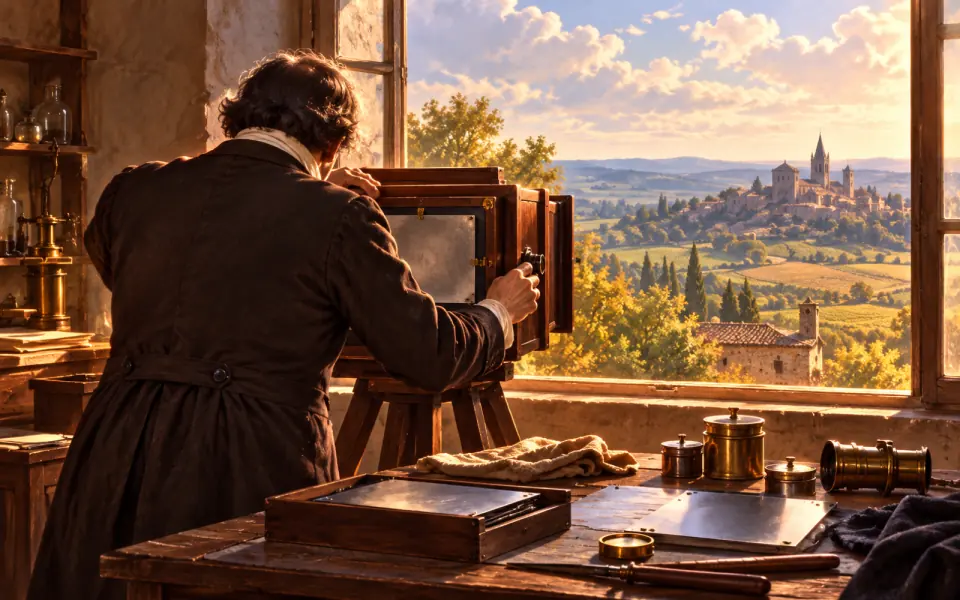 science and technologyNiépce's photographabout 1826
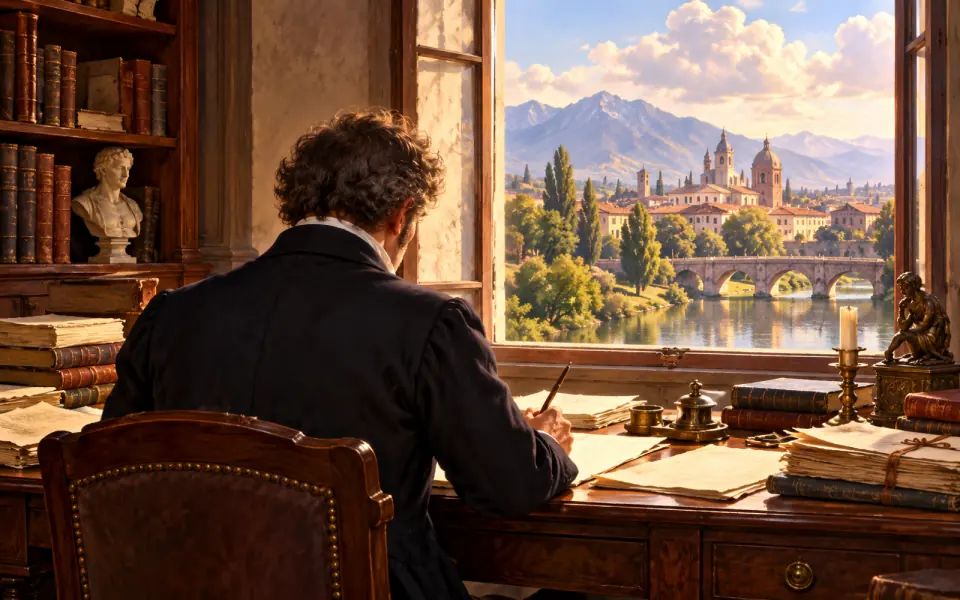 artManzoni's The Betrothed1827
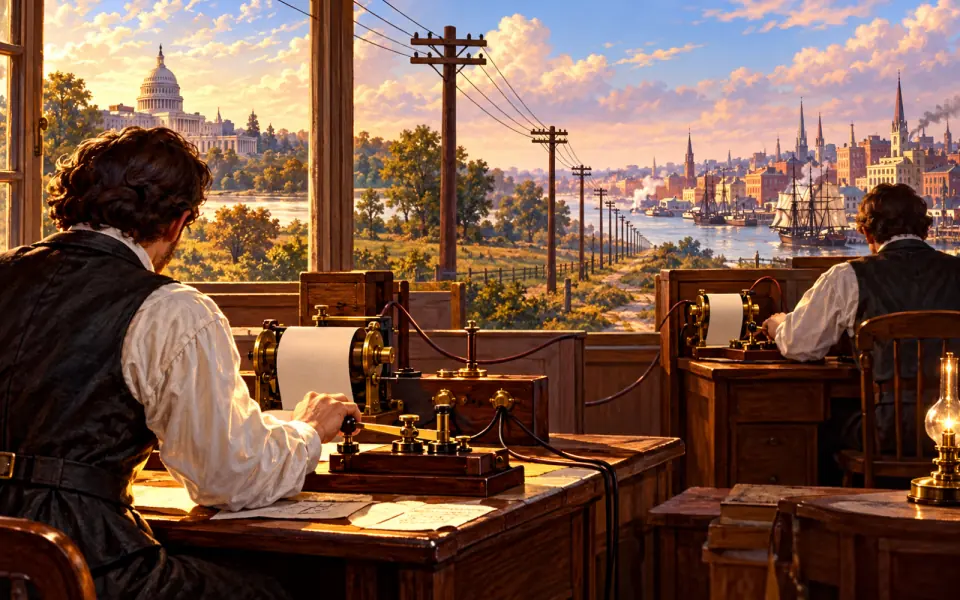 science and technologyThe electric telegraph1844
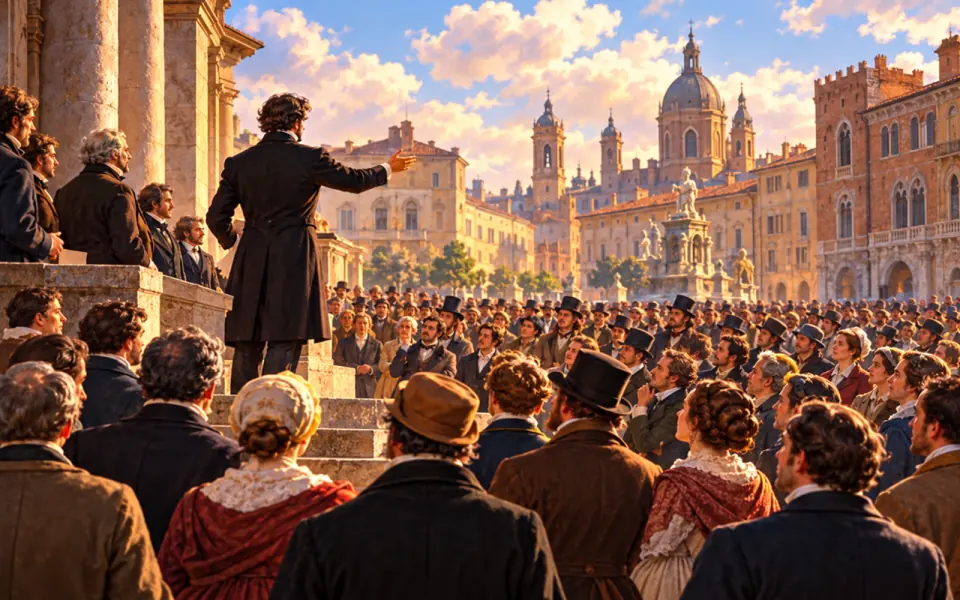 politicsThe revolutions of 18481848
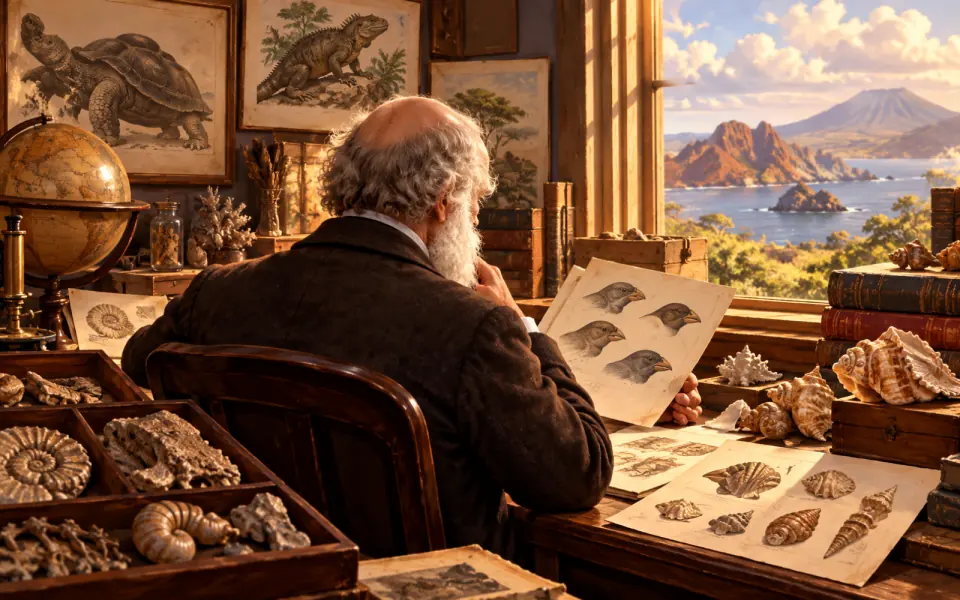 science and technologyDarwin publishes On the Origin of Species1859
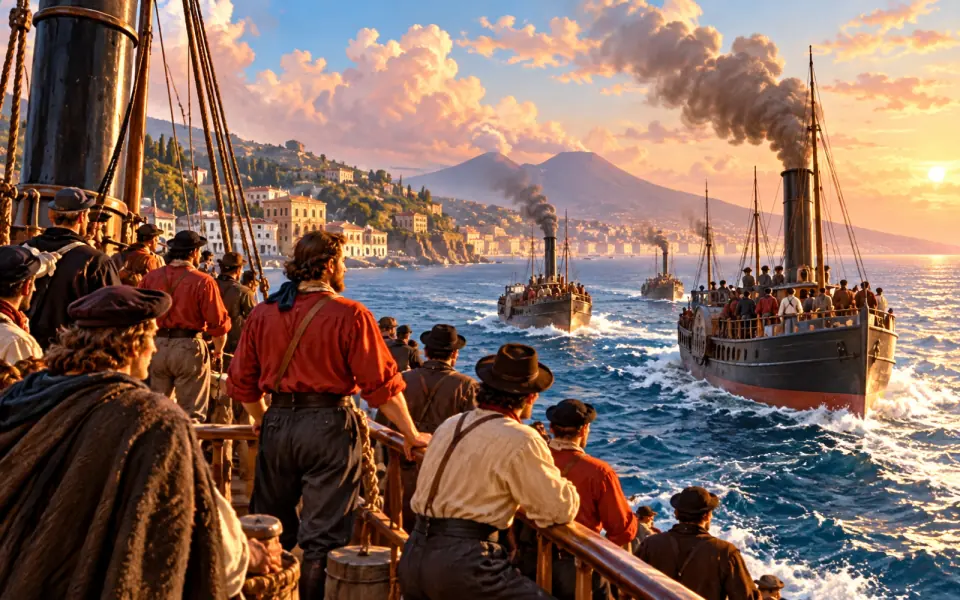 peopleThe Expedition of the Thousand1860
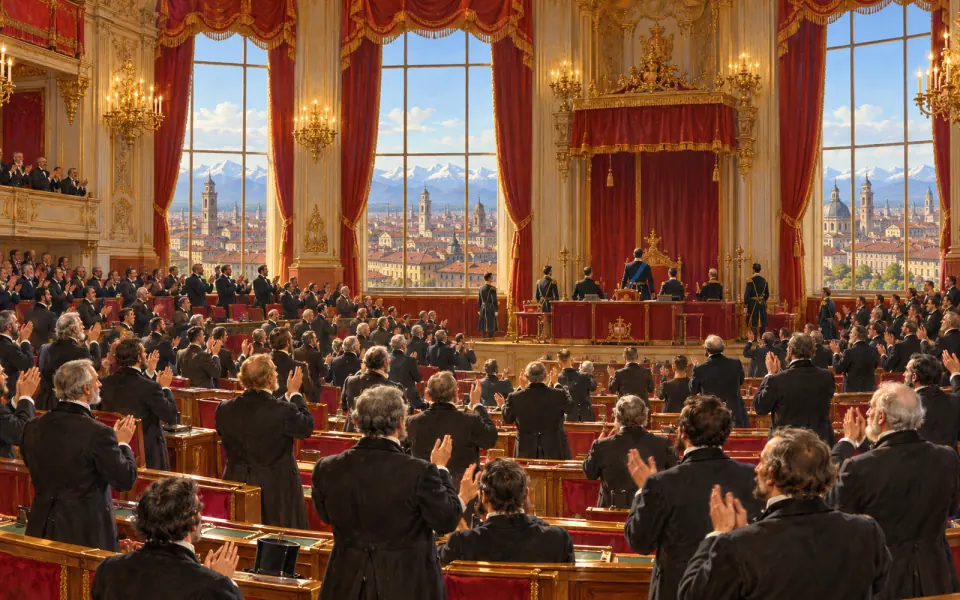 politicsThe unification of Italy1861
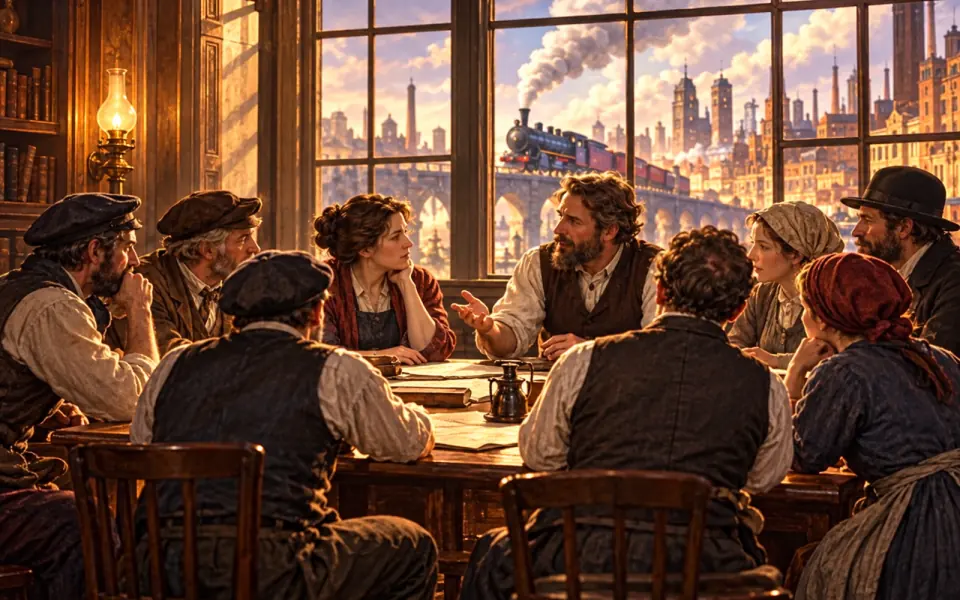 daily lifeThe labour movementabout 1864
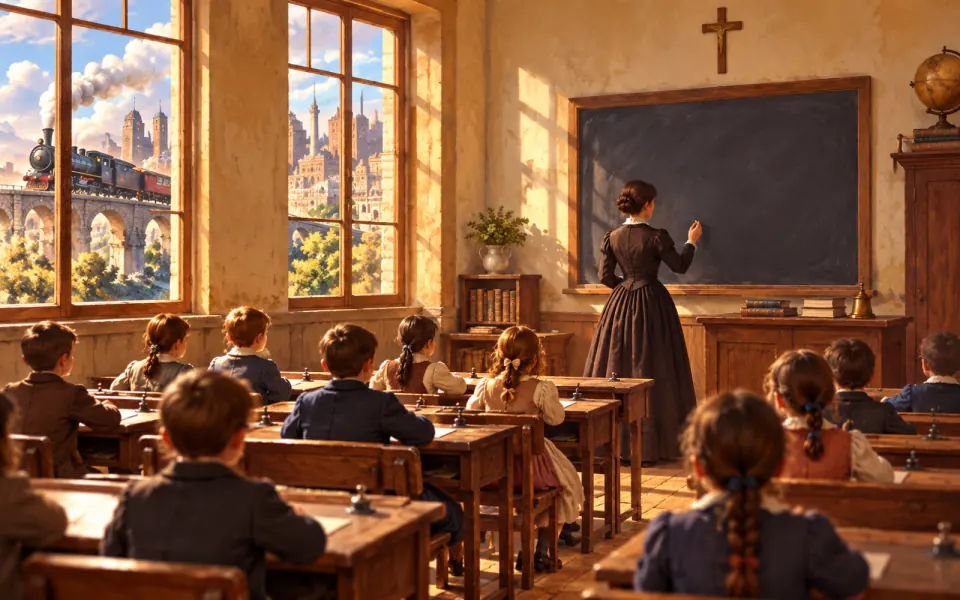 daily lifeCompulsory primary school (Coppino law)1877
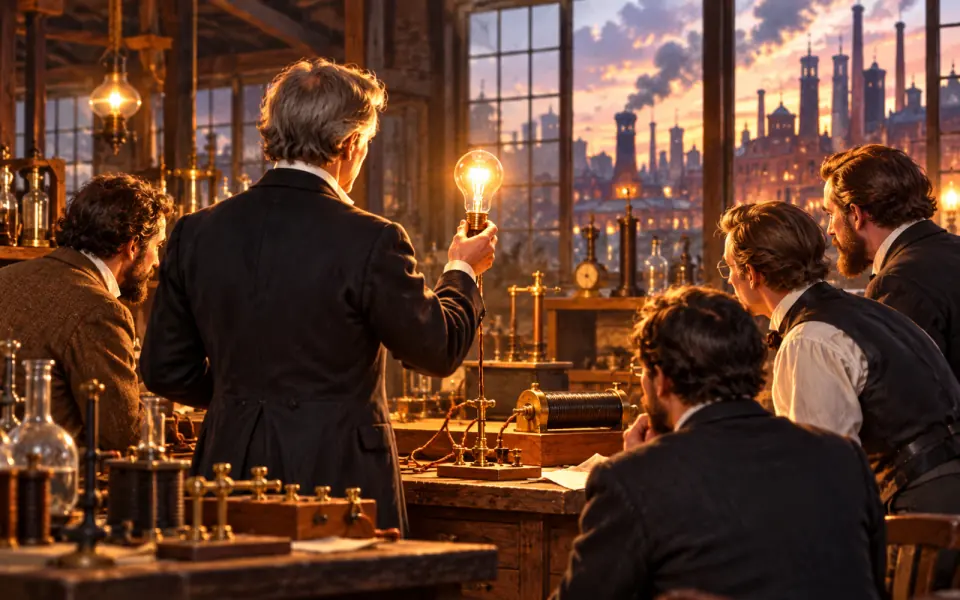 science and technologyA practical electric light bulb1879
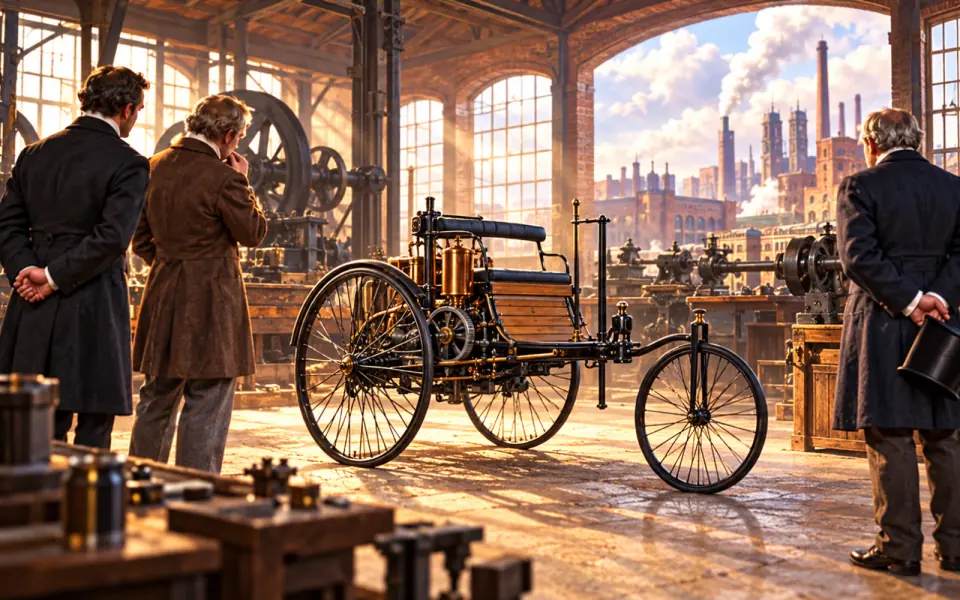 science and technologyThe first modern motor car1886
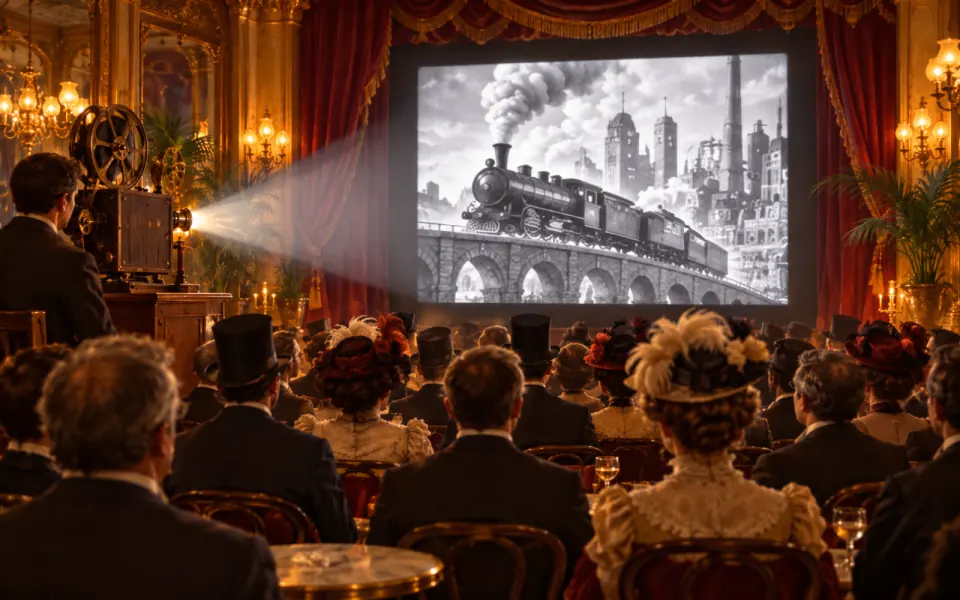 artThe Lumière brothers' cinema1895
Did you know?
- The first passengers in a hot-air balloon were not people: in September 1783, at Versailles, a sheep, a duck and a cockerel flew and landed safe and sound.
- Before the metre, France had hundreds of different units of measurement, which changed from one town to the next.
- To write The Betrothed in a language everyone could understand, Alessandro Manzoni went to Florence to ‘rinse his clothes in the Arno’, meaning to learn the Italian spoken by educated Florentines.
Test yourself
Ten questions on the era: multiple choice, before or after, put in order, match.
Quiz: Age of revolutions