The European Enlightenment
about 1720 Paris, France (and many cities in Europe, Milan included)
In short
In the 18th century a group of European thinkers, known as the philosophers of the Enlightenment, argued that reason is like a light able to drive away ignorance and superstition. Voltaire defended religious tolerance and freedom of thought, and Montesquieu proposed dividing the powers of the state so that no one held them all. In Milan Cesare Beccaria wrote On Crimes and Punishments in 1764, a book against torture and the death penalty. Their ideas were discussed in drawing rooms and coffee houses.
Why it matters Many rights we take for granted today, such as freedom of speech, grew out of Enlightenment ideas.
Source: Treccani, entry “Illuminismo”
Study card about 5 minutes of reading
The story
“Dare to know!”
In the 18th century a new way of thinking spread across Europe, which Europeans called the “Enlightenment” (in French, “the Lights”): the idea that the light of reason could brighten the darkness of ignorance and superstition. Enlightenment thinkers believed that every person could use their own intelligence to understand the world, without accepting everything just because an authority said so, whether a king, a priest or tradition. In 1784 the German philosopher Immanuel Kant summed it all up in a Latin phrase: “Sapere aude!”, meaning “Have the courage to use your own understanding!”.
This idea grew out of the scientific revolution of the 17th century. Galileo, Kepler and Newton had shown that the universe follows laws that can be discovered through observation and reasoning. The English philosopher John Locke had argued that we are born like a blank sheet of paper, that our ideas come from experience, and that people have natural rights: life, liberty and property. The Enlightenment thinkers reasoned: if reason works to explain nature, why shouldn't it also help to improve society?
The great thinkers
The centre of the Enlightenment was France. Montesquieu, a nobleman and jurist, explained in his book “The Spirit of the Laws” (1748) that to avoid tyranny the power of a state must be split into three parts: those who make the laws, those who carry them out and those who judge, so that no one controls everything. This is the “separation of powers”, still the foundation of democracies today. Voltaire, a brilliant and combative writer, fought for tolerance and freedom of thought. In 1763, in his “Treatise on Tolerance”, he defended Jean Calas, a Protestant unjustly sentenced to death in Toulouse, and managed to have his innocence recognised. Jean-Jacques Rousseau, in “The Social Contract” (1762), argued that sovereignty belongs to the people, and that governments must respect the will of the citizens.
Denis Diderot and Jean d'Alembert edited the “Encyclopédie”, a great work in dozens of volumes that aimed to gather all human knowledge, from the sciences to the trades, and make it available to everyone.
The Café of Milan
Italy had great Enlightenment thinkers too. In Milan, Pietro Verri and a group of friends, among them Cesare Beccaria, founded a newspaper in 1764 called “Il Caffè” (“The Coffeehouse”), named that way because people debated in coffeehouses, the new places for meeting and conversation. They wrote short, clear articles on economics, science, literature and justice, for readers who were not specialists.
In 1764 Beccaria published a book that was to become famous across Europe, “On Crimes and Punishments”. He argued that laws must be clear and the same for everyone, that punishments must be fair and fit the crime, and that torture and the death penalty are cruel and pointless. The idea had an effect: in 1786 the Grand Duchy of Tuscany, led by Peter Leopold, became the first modern state to formally abolish the death penalty and torture.
Salons, coffeehouses, newspapers
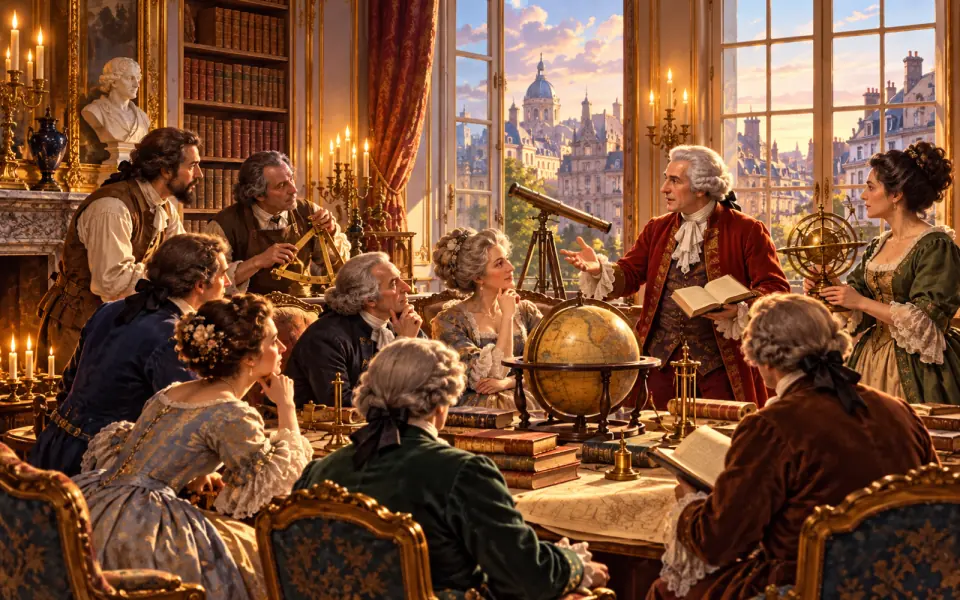
Ideas travelled through salons, where nobles, writers and scientists talked and read books; through coffeehouses; through academies and lodges; and above all through books and newspapers, which were printed in ever greater numbers. Many books were banned by governments or by the Church, and were printed in secret or in other countries and smuggled across borders. Some rulers, the “enlightened despots”, such as Frederick II of Prussia, Catherine II of Russia and the Emperor Joseph II of Austria, read the Enlightenment thinkers and made reforms: schools, kinder laws, religious tolerance, the abolition of old privileges. But they remained absolute rulers.
Limits and contradictions
The Enlightenment was not perfect. Many of its thinkers talked about equality but accepted slavery, or thought women were inferior; some looked down on other cultures. But its ideas were also used to criticise these limits: in 1791 the Frenchwoman Olympe de Gouges wrote a “Declaration of the Rights of Woman”, and in 1792 the Englishwoman Mary Wollstonecraft demanded for women the same right to education as men.
Why it happened
The Enlightenment had many causes: the scientific revolution, which had given people confidence in reason; the wars of religion, which had shown the cost of intolerance; travel and trade, which revealed different peoples and customs; and the growth of an educated and wealthy middle class that wanted a say in society.
The spread of printing also mattered, because it let ideas travel, and so did the rise of a reading public. For the first time, public opinion, made up of people who read and discussed, began to influence politics.
What changed
The Enlightenment inspired the great revolutions, the American (1776) and the French (1789), and the declarations of rights that went with them. Many Enlightenment ideas have found their way into modern constitutions: the separation of powers, equality before the law, freedom of thought and of the press, the rejection of torture, the right to a fair trial.
It also influenced science, with its method based on observation and experience, schools, with the idea that education is a right, and economics. After the Enlightenment people began to think that society could be improved by human beings, and not just accepted as a destiny: the idea of “progress”.
Even today it reminds us to be curious, to question what we are told, to find out for ourselves and to defend the freedom to think with our own heads.
Key people and places
People
- Voltaire
- French writer and philosopher (1694–1778): he defended tolerance and freedom of thought.
- Montesquieu
- French philosopher (1689–1755): he developed the theory of the separation of powers.
- Jean-Jacques Rousseau
- French-speaking Swiss philosopher (1712–1778): he wrote about the social contract and about education.
- Immanuel Kant
- German philosopher (1724–1804): he summed up the Enlightenment in the motto “Sapere aude!”.
- Cesare Beccaria
- Milanese jurist and philosopher (1738–1794): he wrote “On Crimes and Punishments” against torture and the death penalty.
Places
- Paris, France
- The capital of the salons and of the Encyclopédie, the centre of the Enlightenment.
- Milan, Italy
- The city of “Il Caffè” and of Cesare Beccaria.
Good to know
- The motto of the Enlightenment, “Sapere aude!”, means “Have the courage to use your own understanding”.
- The Milan newspaper “Il Caffè” was named that way because ideas were debated in coffeehouses.
- In 1786 Tuscany became the first modern state to formally abolish the death penalty.
- Voltaire defended Jean Calas, an innocent man sentenced to death.
- Diderot and d'Alembert's Encyclopédie gathered all the knowledge of the age in dozens of volumes.
Find out more
- Wikipedia, “Age of Enlightenment” en.wikipedia.org
- Wikipedia, “On Crimes and Punishments” en.wikipedia.org
- Wikipedia, “Voltaire” en.wikipedia.org
- Wikipedia, “Pietro Verri” en.wikipedia.org
Related events
- Diderot's Encyclopédie1751 · Age of revolutionsDiderot's Encyclopédie was the symbolic work of the Enlightenment.
- The American Revolution1776–1783 · Age of revolutionsThe American Revolution grew out of Enlightenment ideas.
- The French Revolution1789–1799 · Age of revolutionsThe French Revolution was the most important fruit of the Enlightenment.
- Newton publishes the Principia1687 · Early modern ageNewton had shown that nature can be explained by reason.
Before and after, in the era “Age of revolutions”
Event 2 of 25
 BeforeNewcomen's steam engine1712
- You are hereThe European Enlightenmentabout 1720
 AfterDiderot's Encyclopédie1751
 AfterWatt's steam engine1769
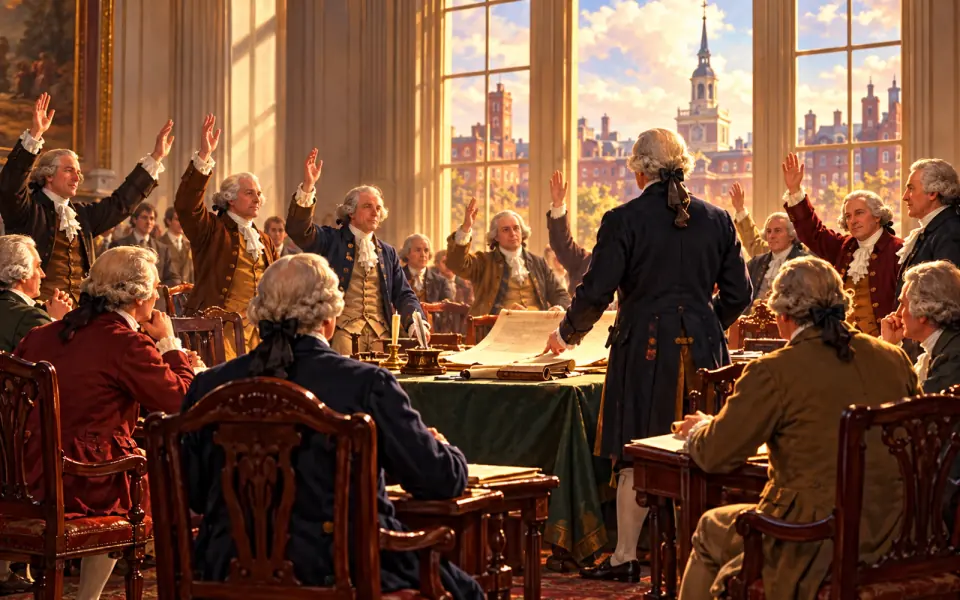 AfterThe American Revolution1776–1783
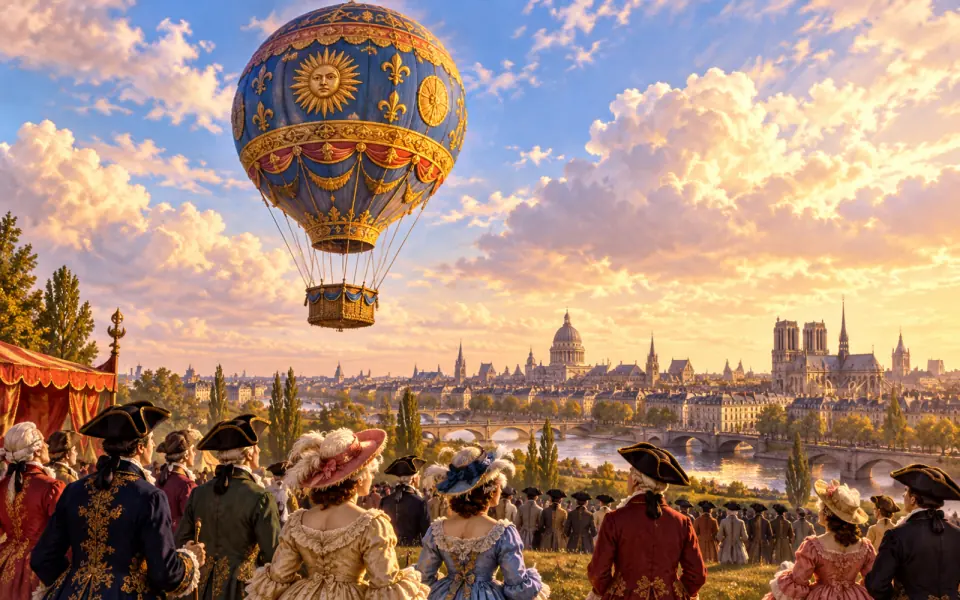 AfterThe first hot-air balloon flight1783
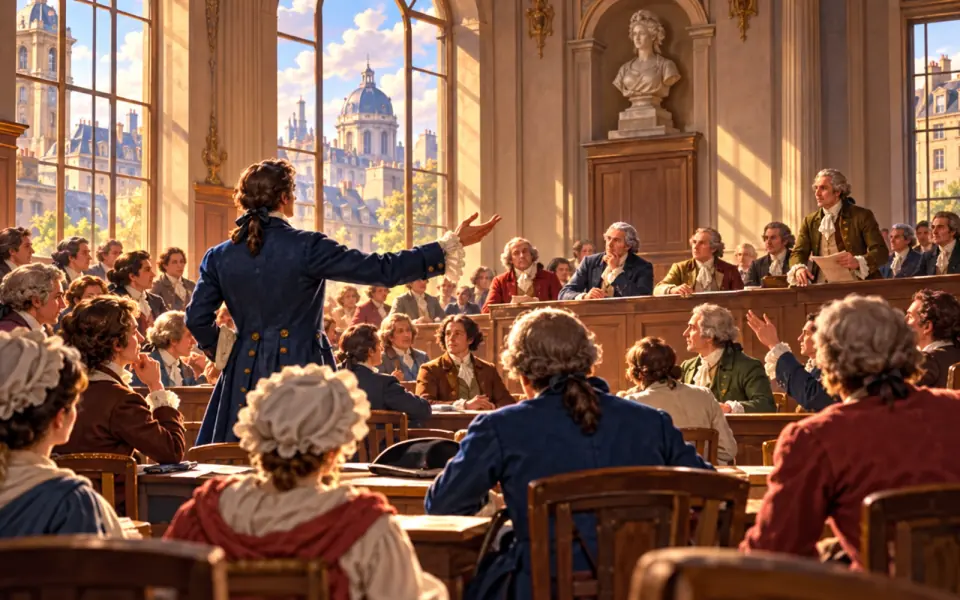 AfterThe French Revolution1789–1799
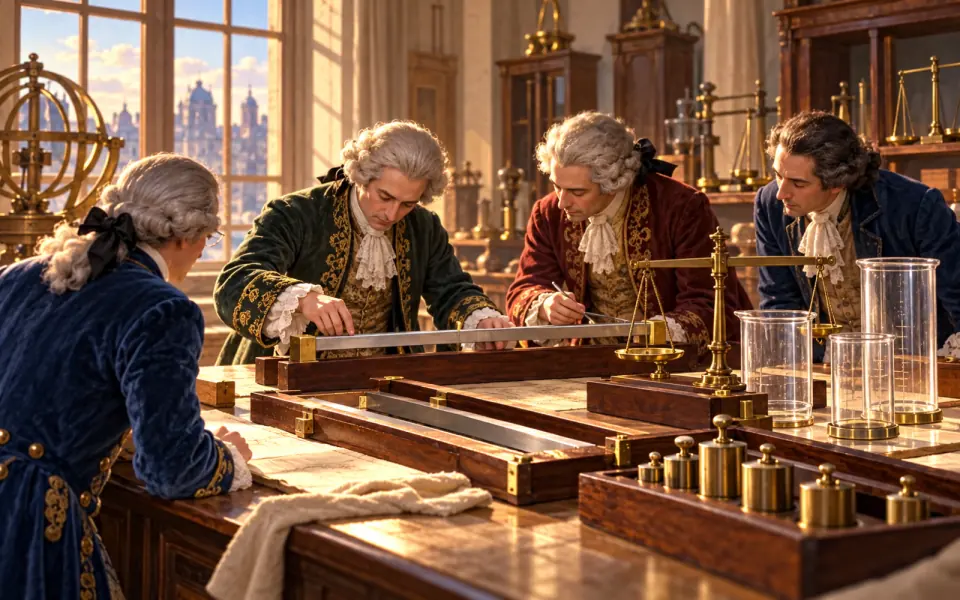 AfterThe metric system1795
 AfterJenner's vaccine1796
 AfterVolta's battery1800
 AfterNapoleon becomes emperor1804
 AfterThe Congress of Vienna1815
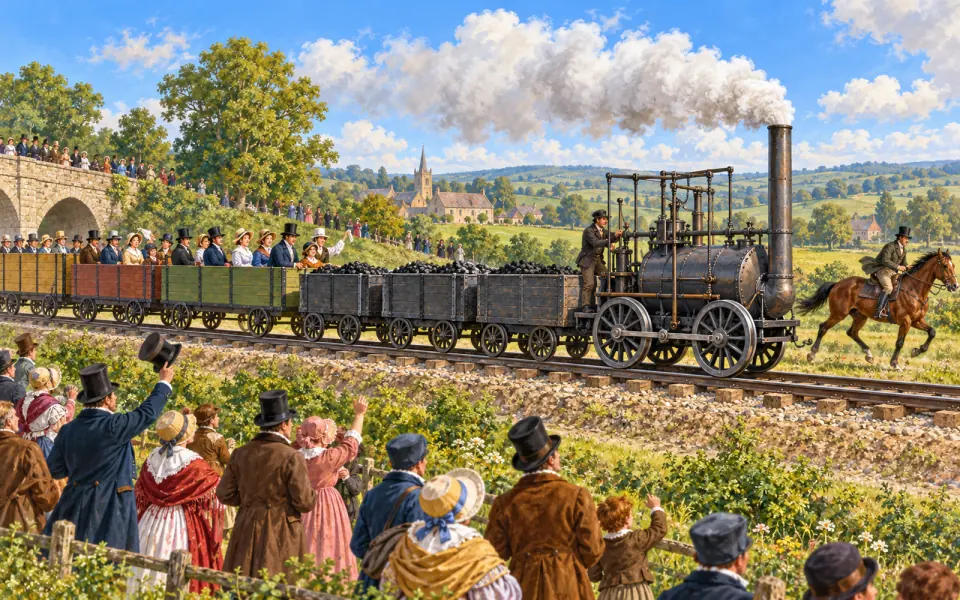 AfterThe first public steam railway1825
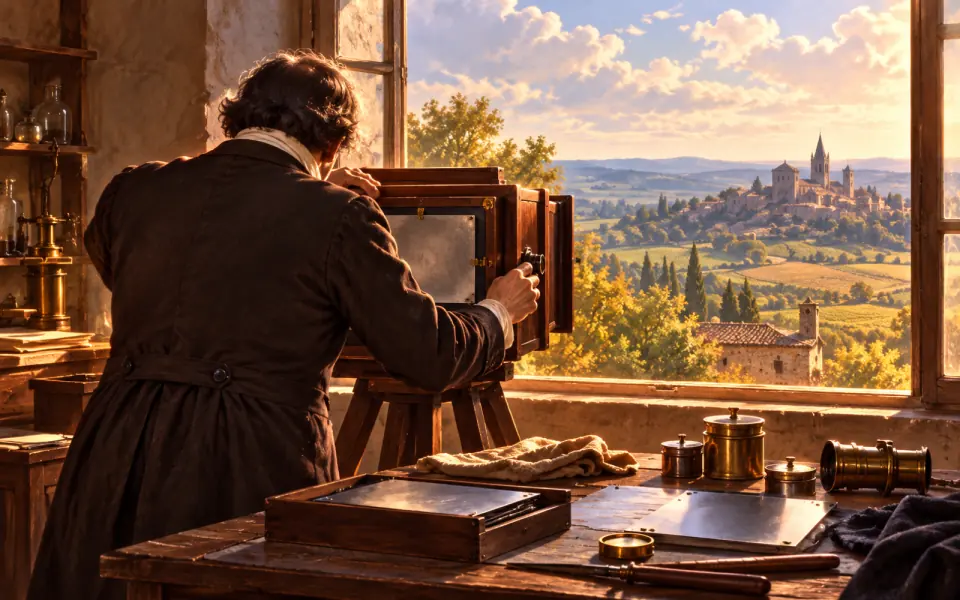 AfterNiépce's photographabout 1826
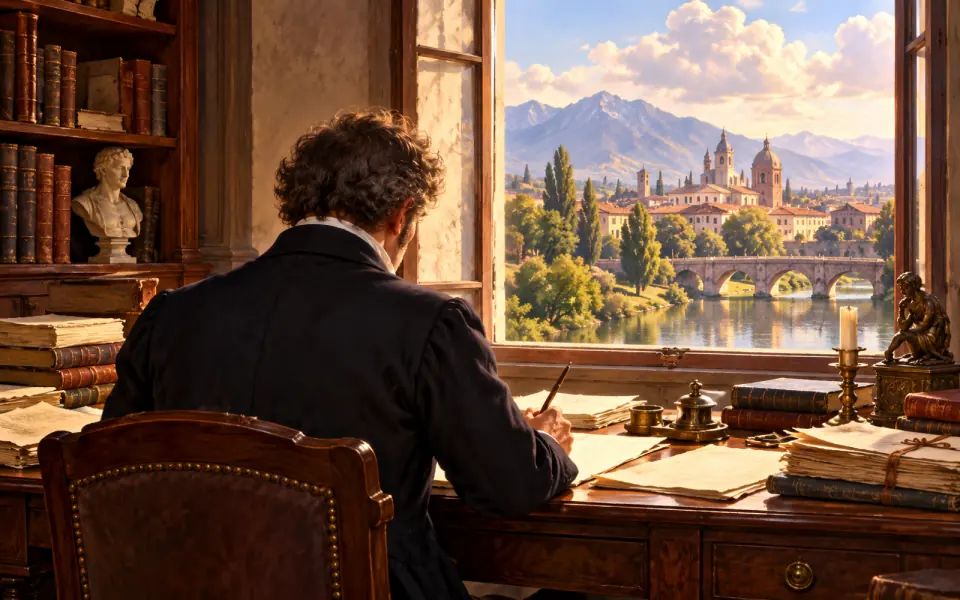 AfterManzoni's The Betrothed1827
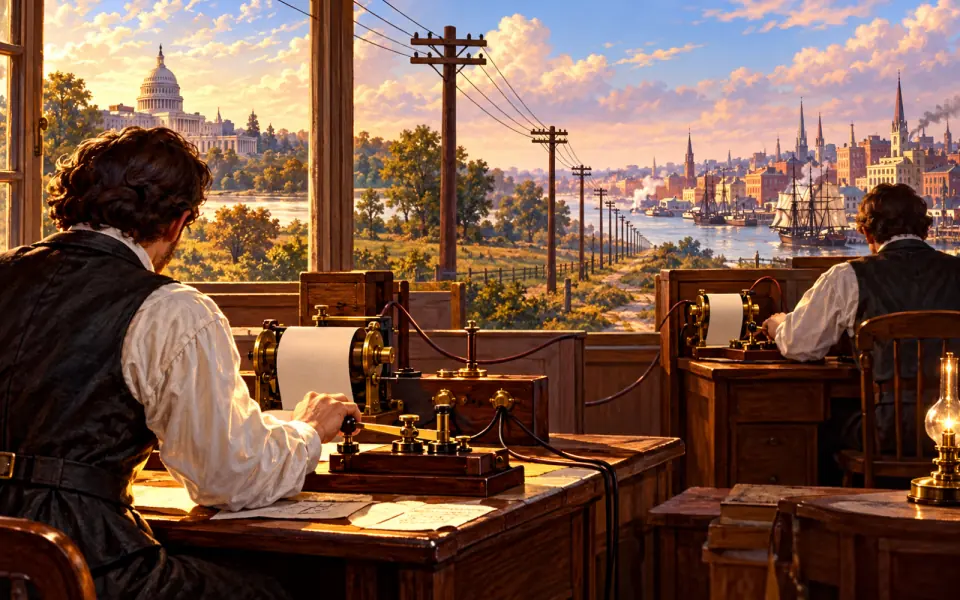 AfterThe electric telegraph1844
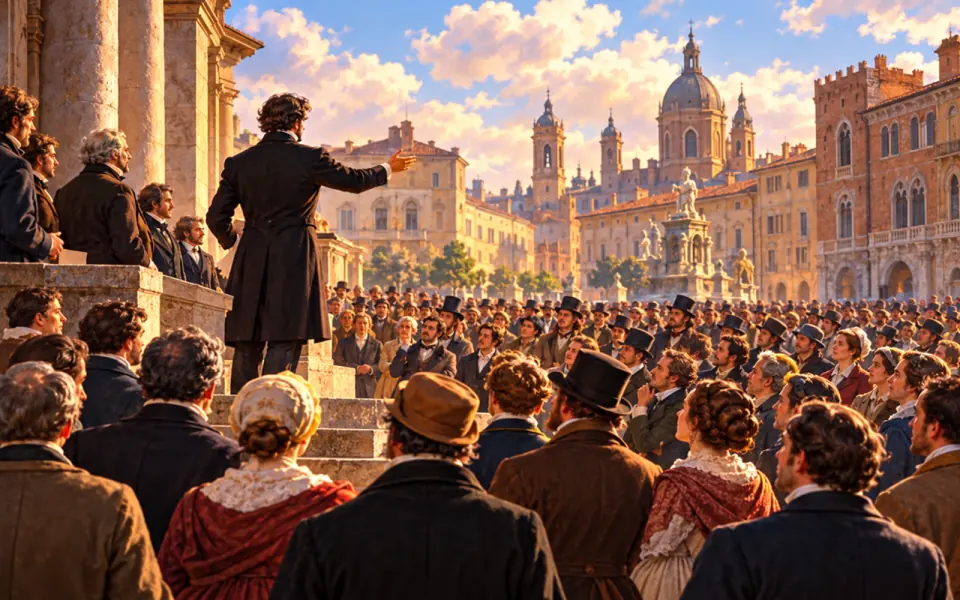 AfterThe revolutions of 18481848
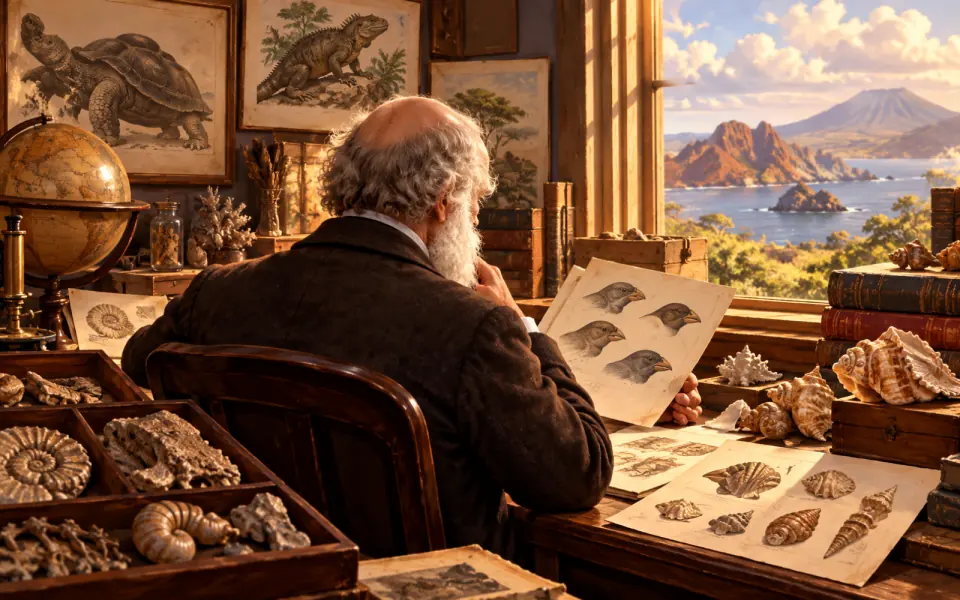 AfterDarwin publishes On the Origin of Species1859
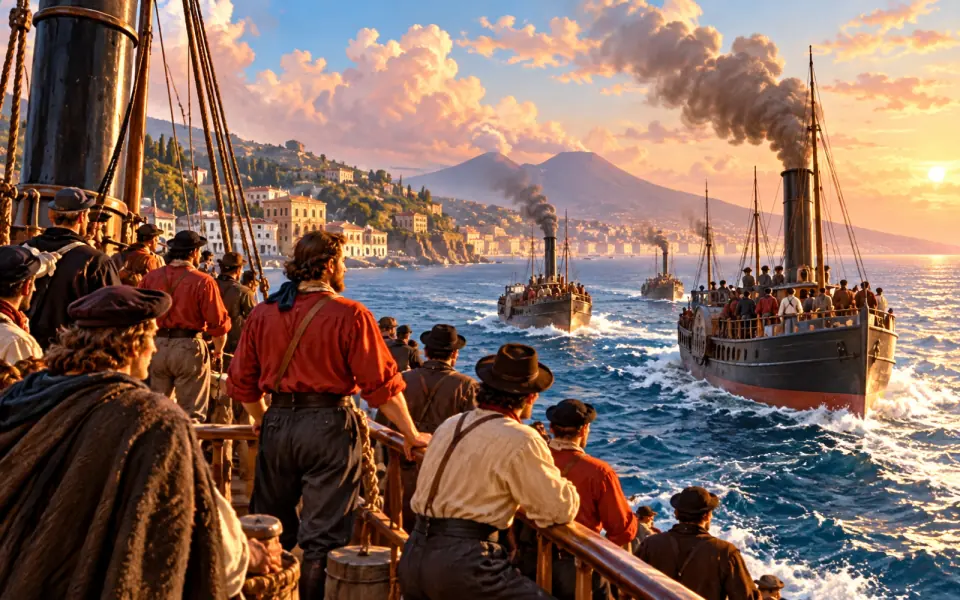 AfterThe Expedition of the Thousand1860
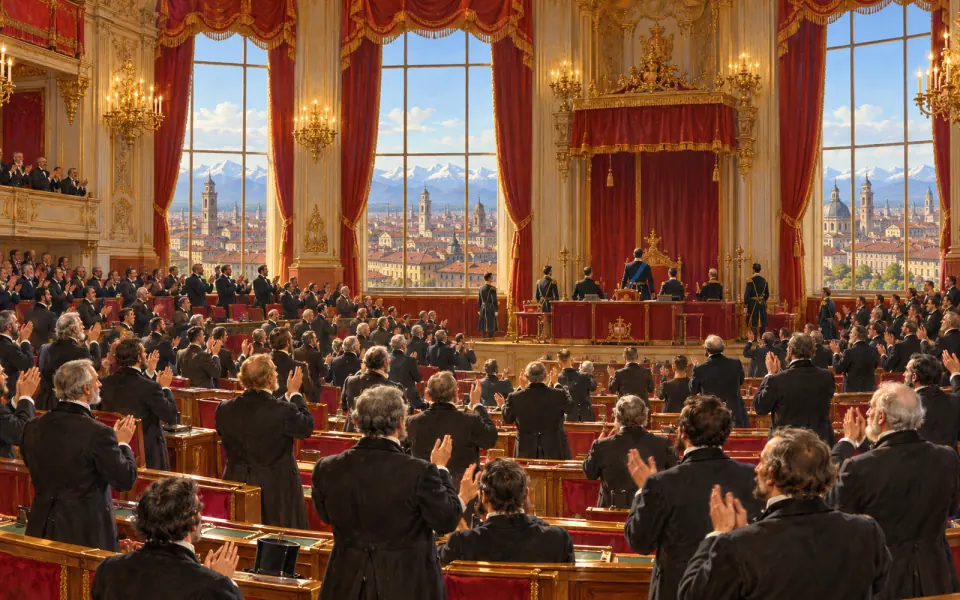 AfterThe unification of Italy1861
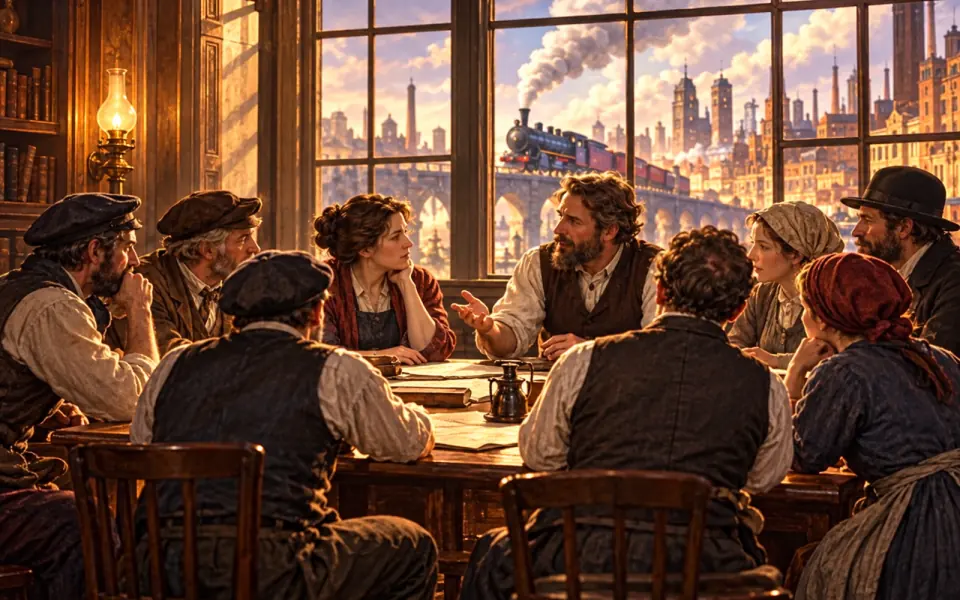 AfterThe labour movementabout 1864
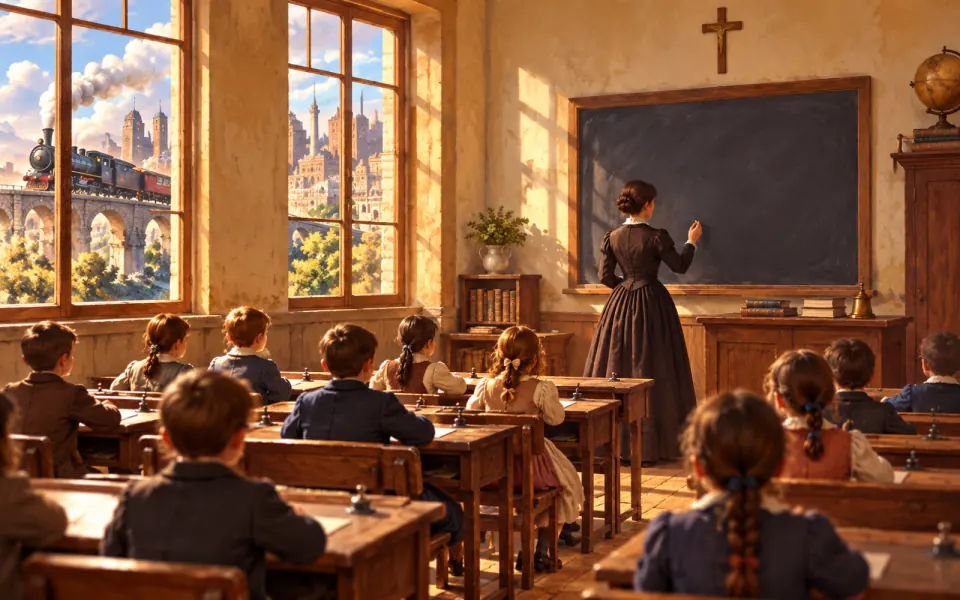 AfterCompulsory primary school (Coppino law)1877
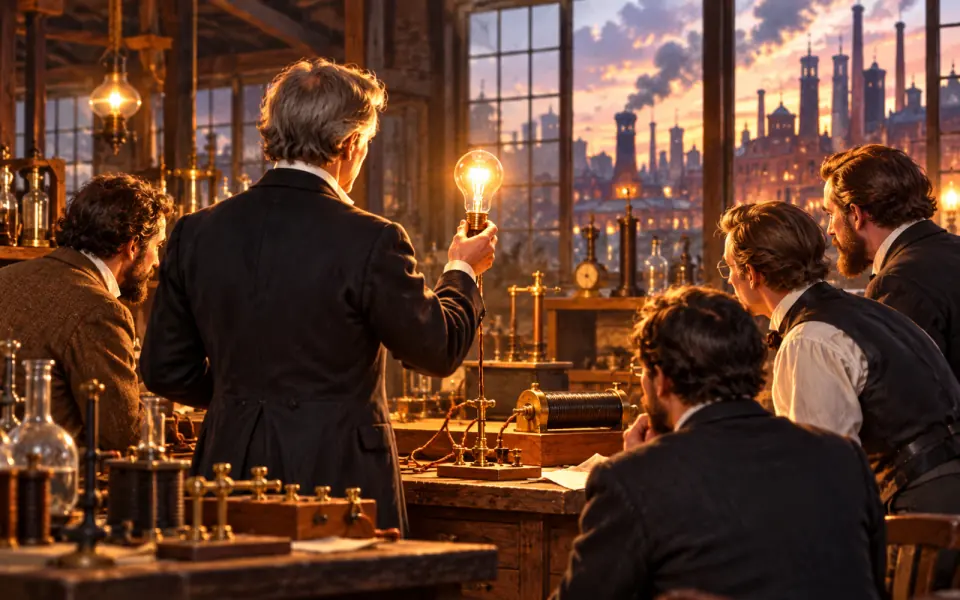 AfterA practical electric light bulb1879
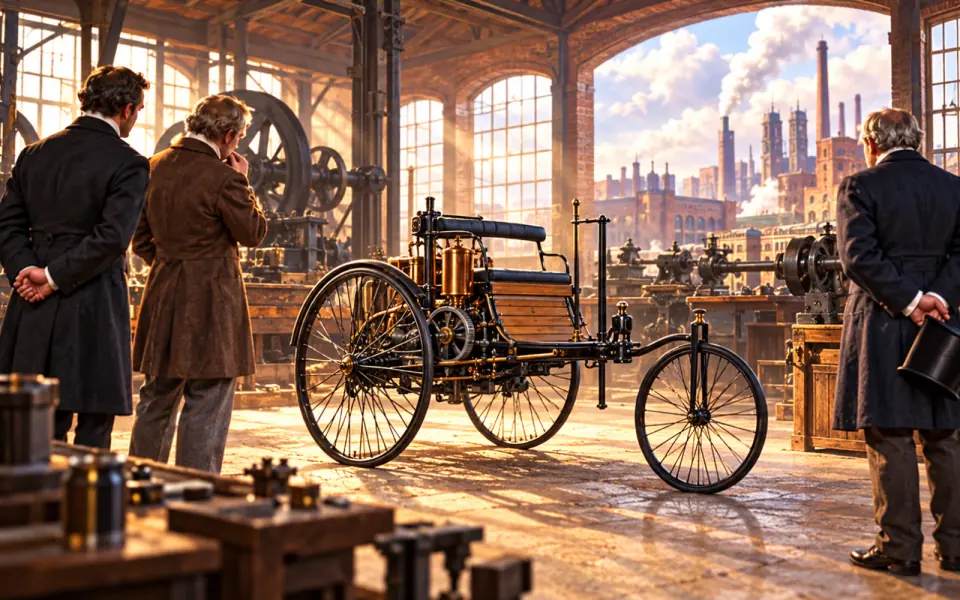 AfterThe first modern motor car1886
 AfterThe Lumière brothers' cinema1895
Listen / Read next
- Music to read by: Cinematic JourneyEpic film-style music, no lyrics, by Ciro Simone IrmiciSpotifyYouTube Music
Meanwhile, elsewhere in the world
Other events of the era “Age of revolutions”
- Newcomen's steam engine
- Diderot's Encyclopédie
- Watt's steam engine
- The American Revolution
- The first hot-air balloon flight
- The French Revolution
- The metric system
- Jenner's vaccine
- Volta's battery
- Napoleon becomes emperor
- The Congress of Vienna
- The first public steam railway
- Niépce's photograph
- Manzoni's The Betrothed
- The electric telegraph
- The revolutions of 1848
- Darwin publishes On the Origin of Species
- The Expedition of the Thousand
- The unification of Italy
- The labour movement
- Compulsory primary school (Coppino law)
- A practical electric light bulb
- The first modern motor car
- The Lumière brothers' cinema
