Compare two eras
Pick two eras and see side by side what was happening in each: people, politics, science and technology, daily life and art.
You picked the same era twice. Pick a different one to see what changes.
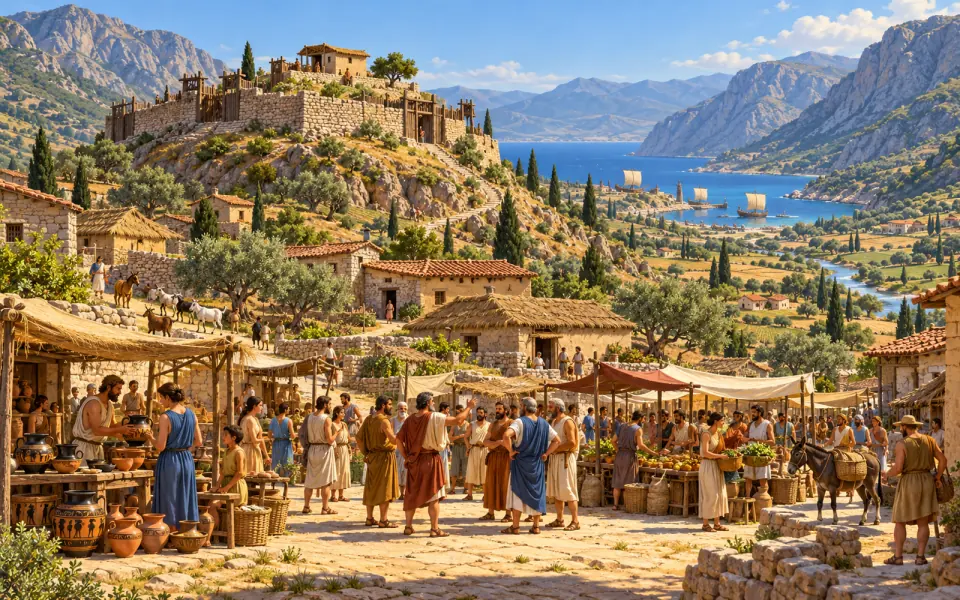
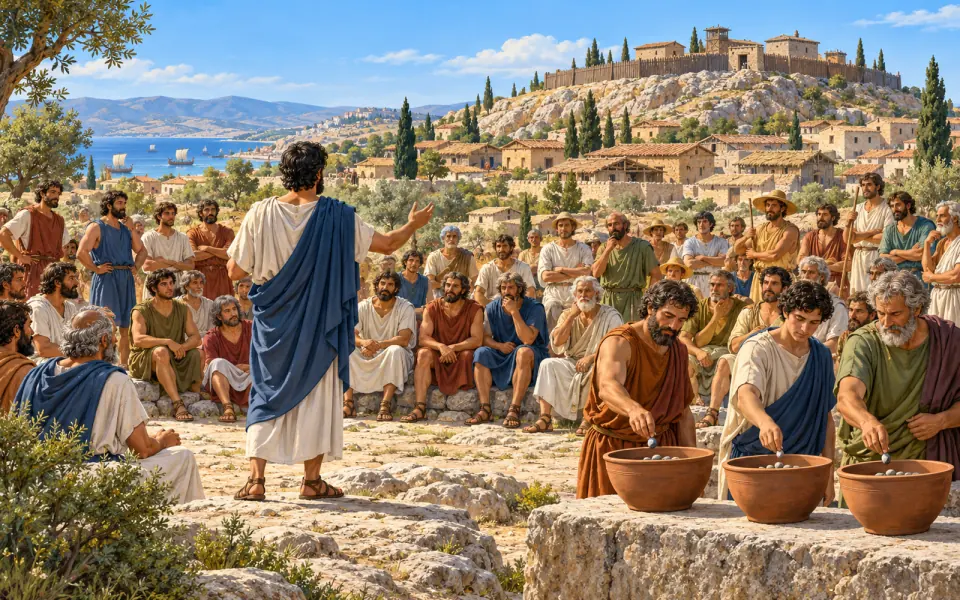
5 · Ancient Greece
from 800 to 264 BC
School year (Italy): primary year 5
In short: city-states, Olympic Games, democracy, philosophy
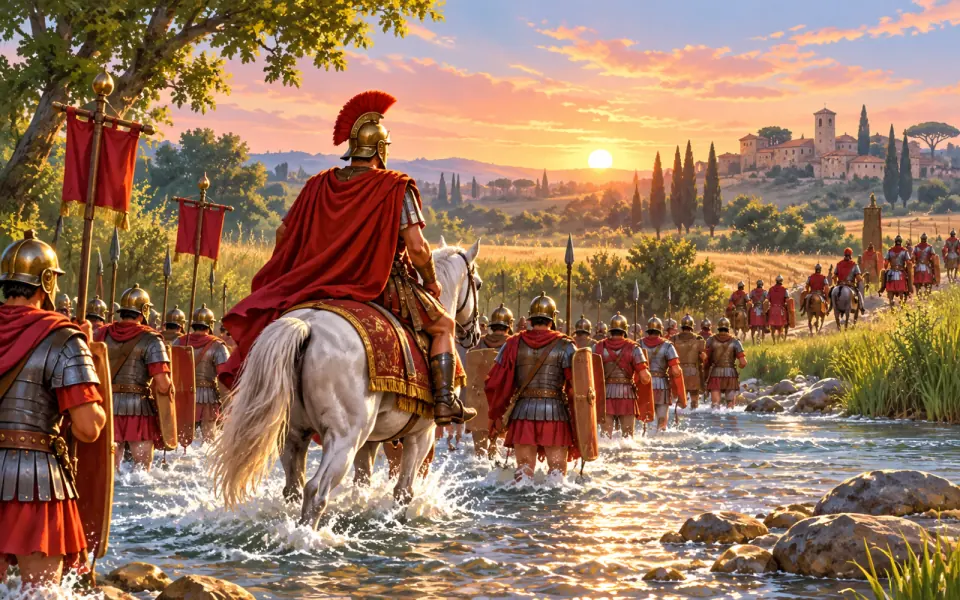
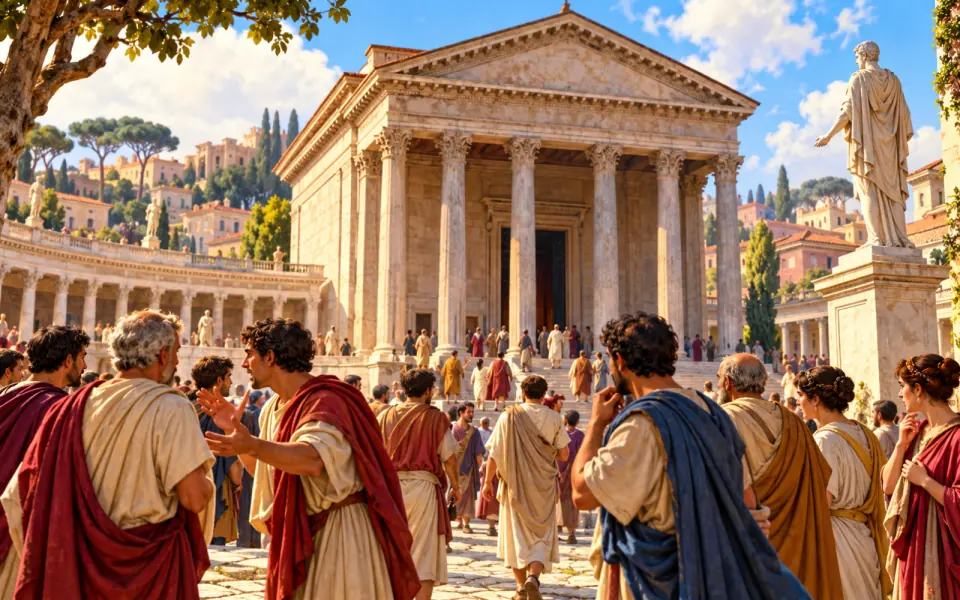
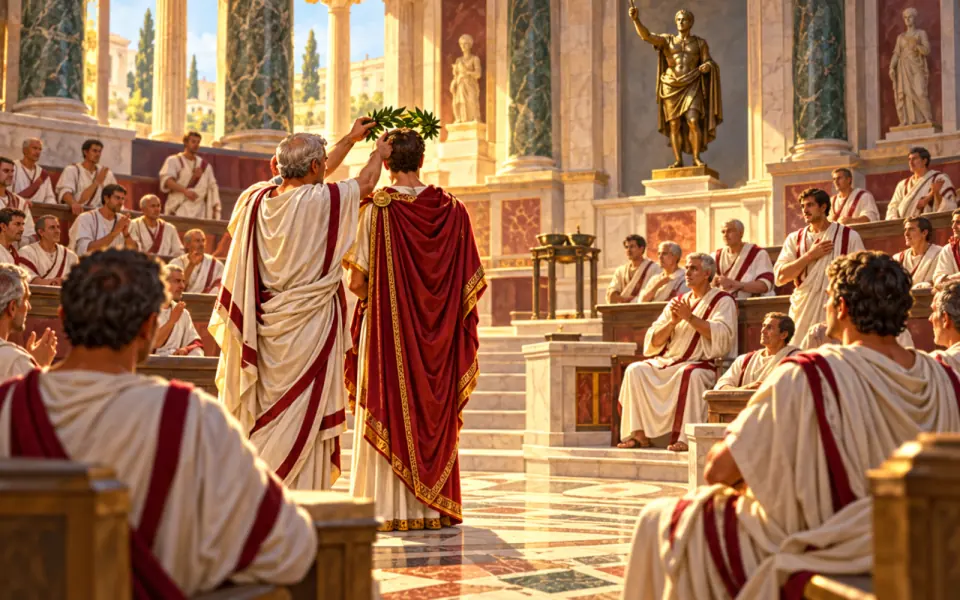
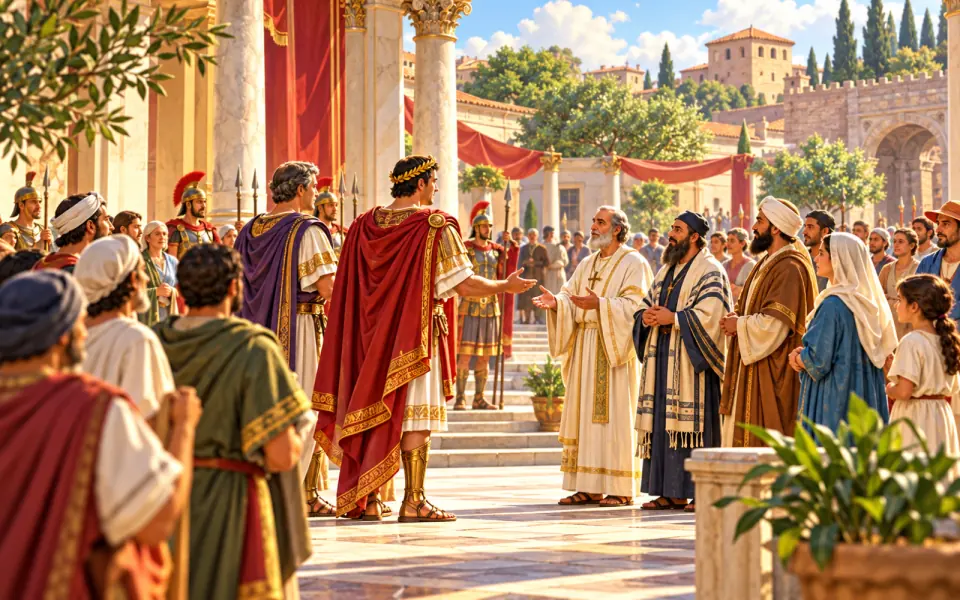
6 · Ancient Rome
from 264 BC to AD 476 (with the founding in 753 BC)
School year (Italy): primary year 5
In short: Republic, Empire, roads, laws
people
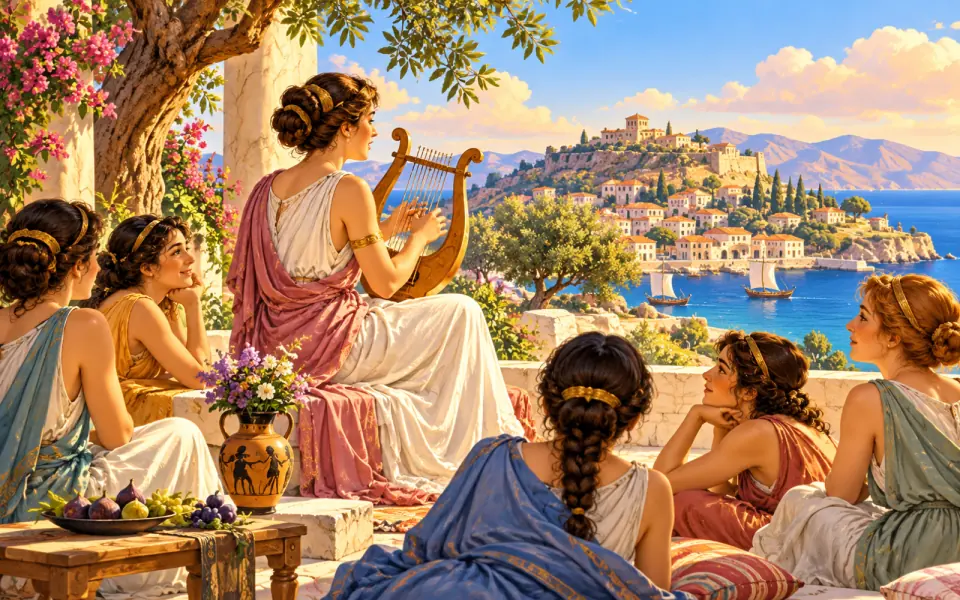
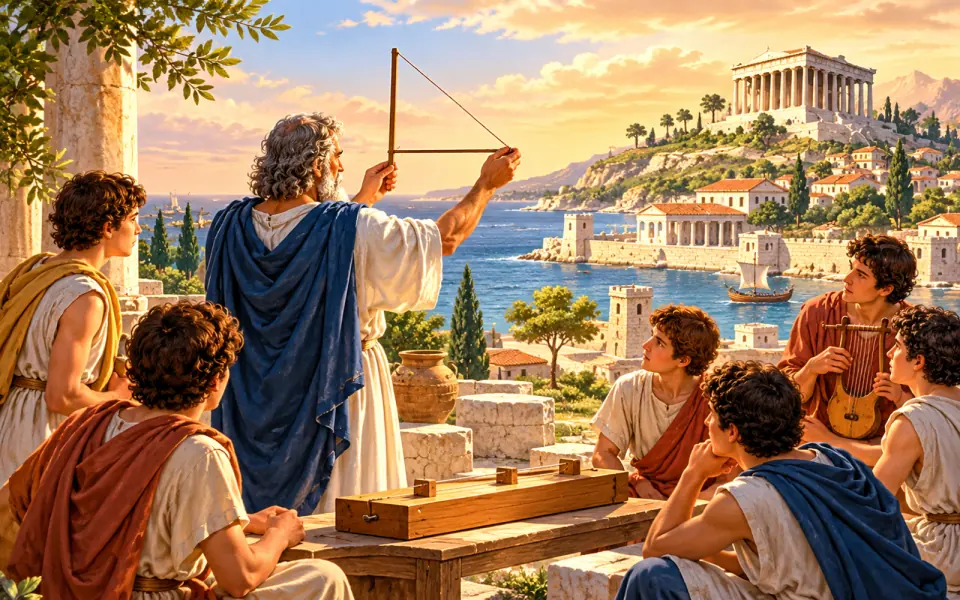
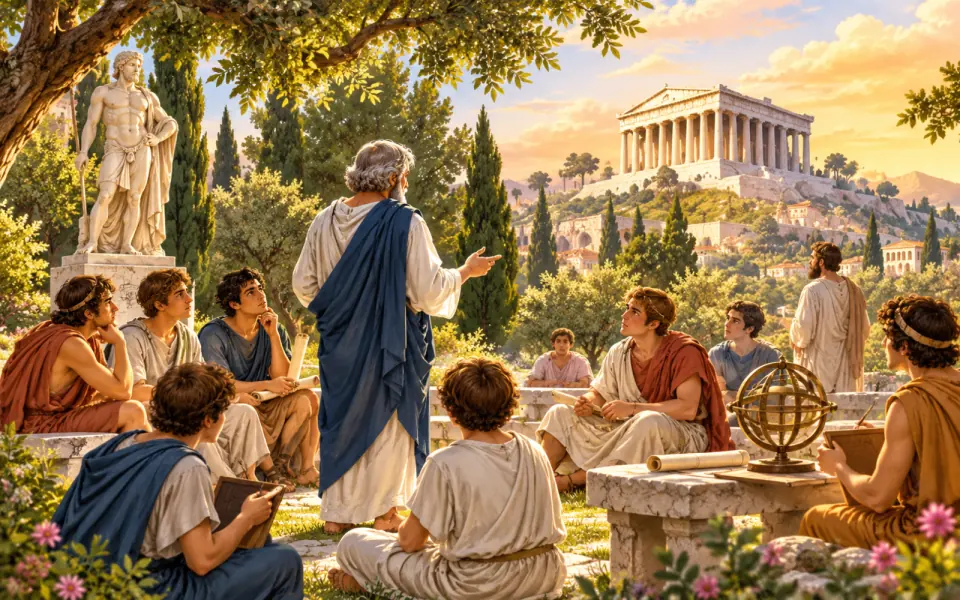
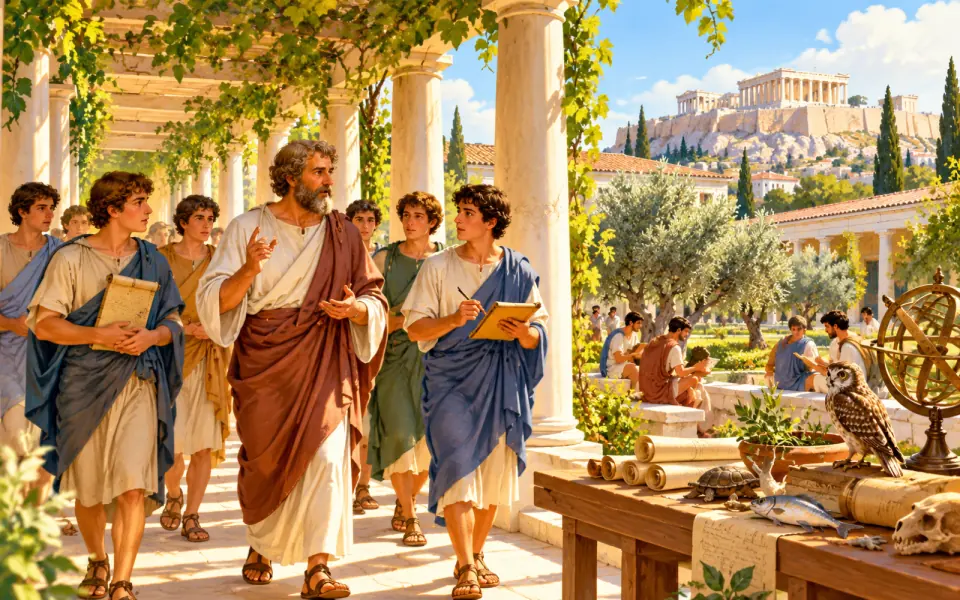
Ancient Greece
politics
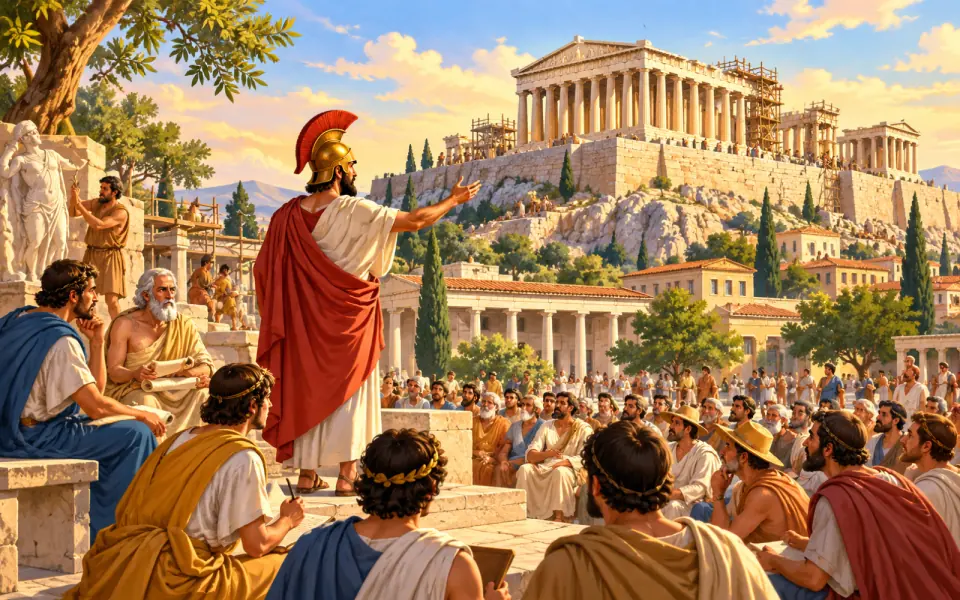
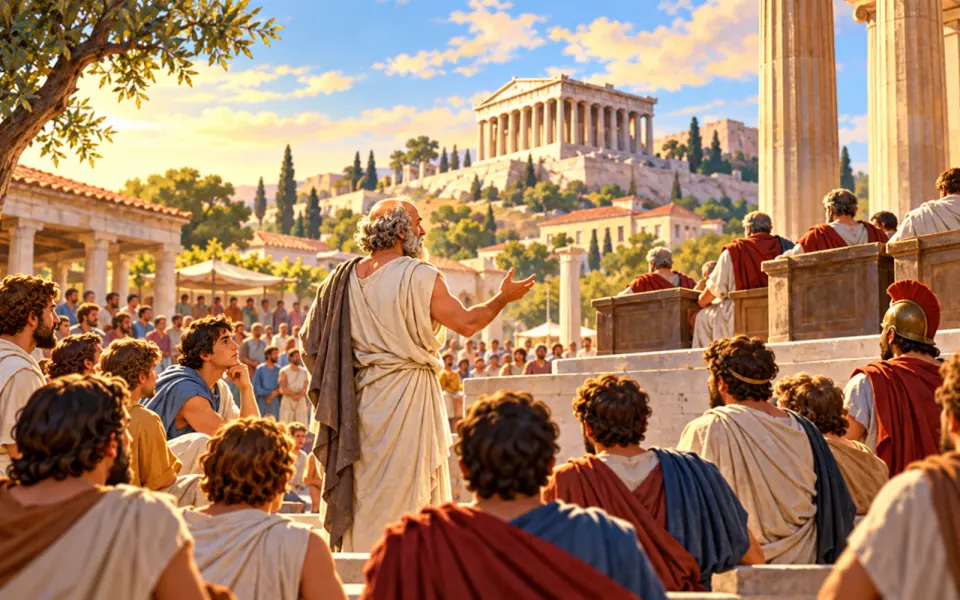
Ancient Greece
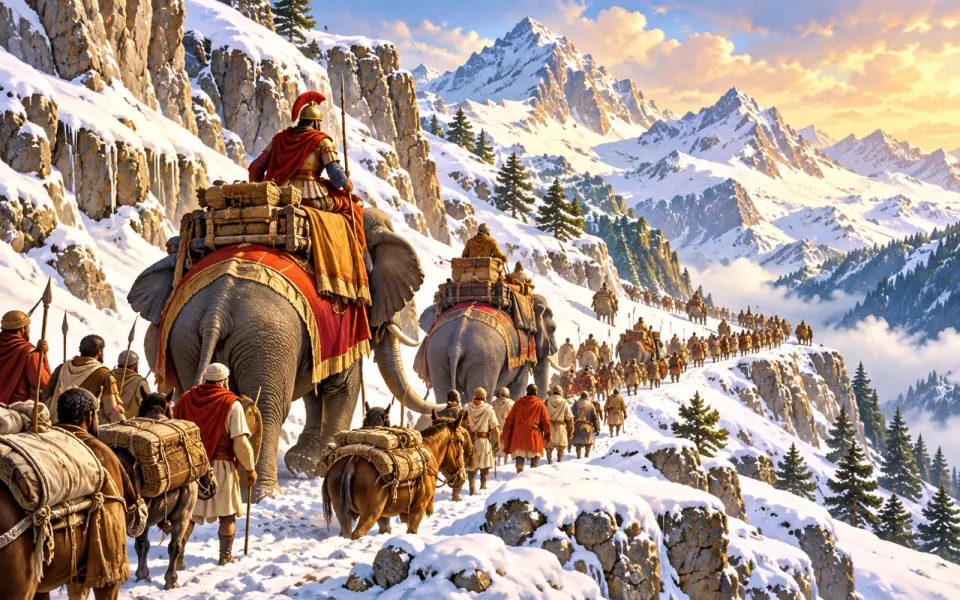
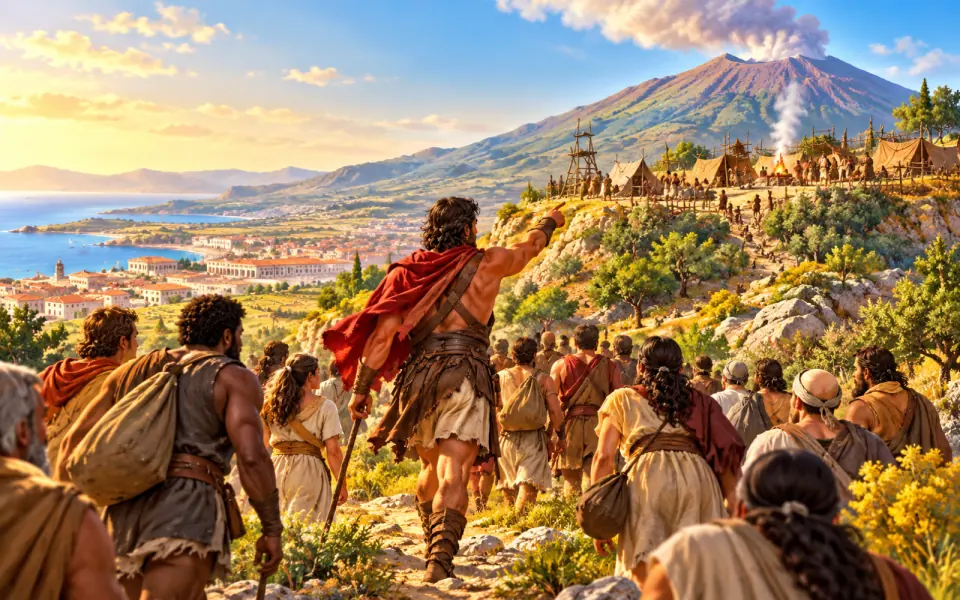
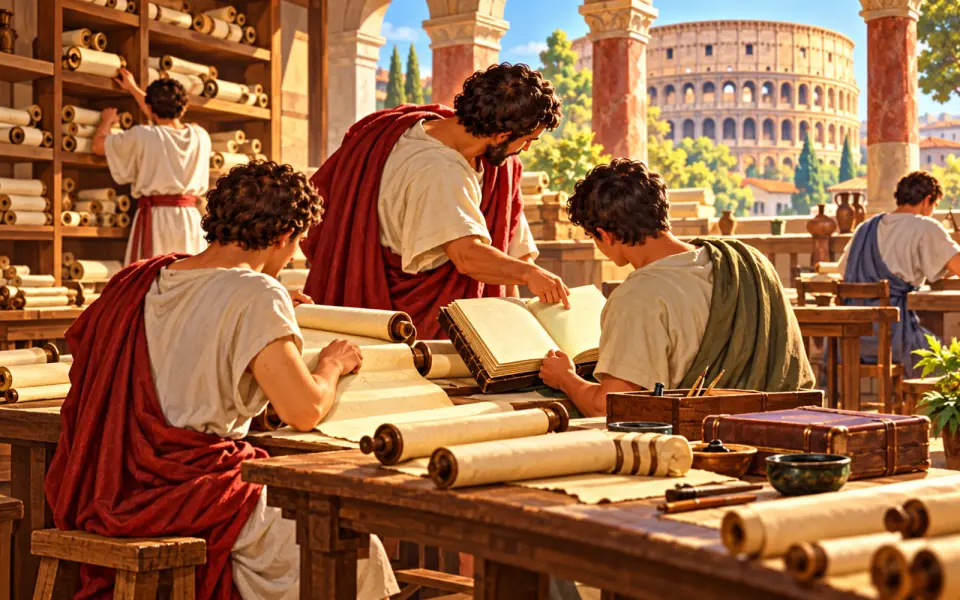
Ancient Rome
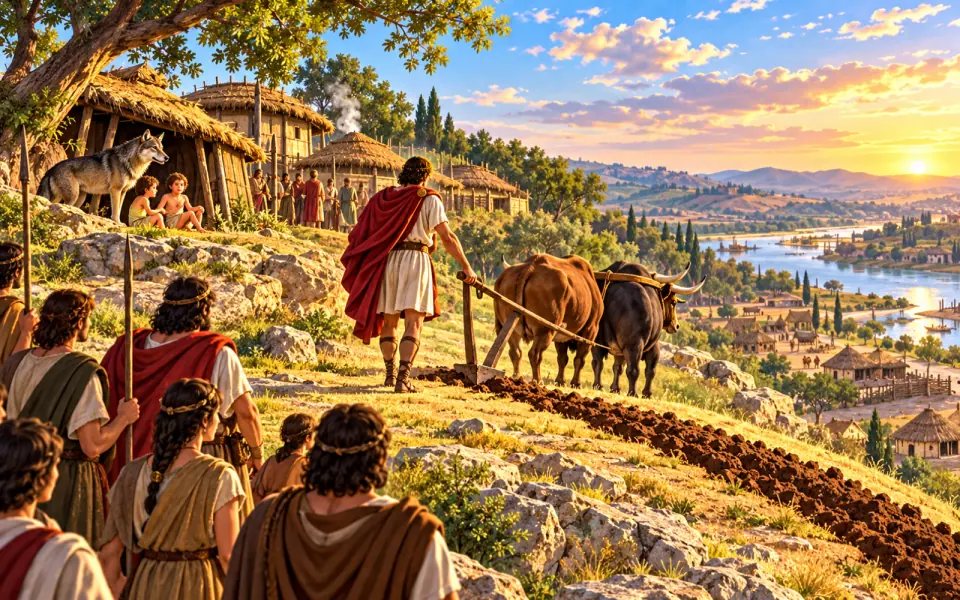
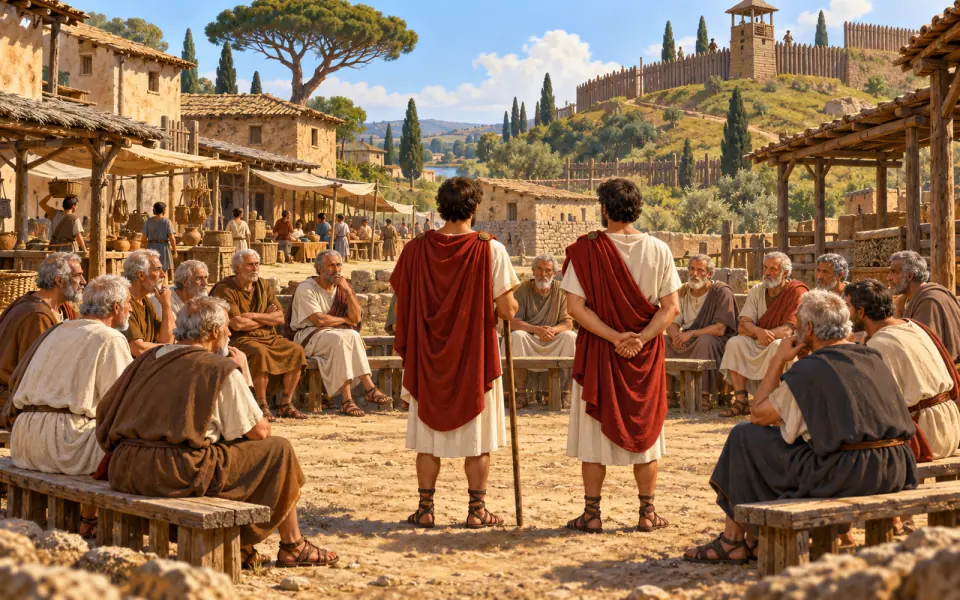
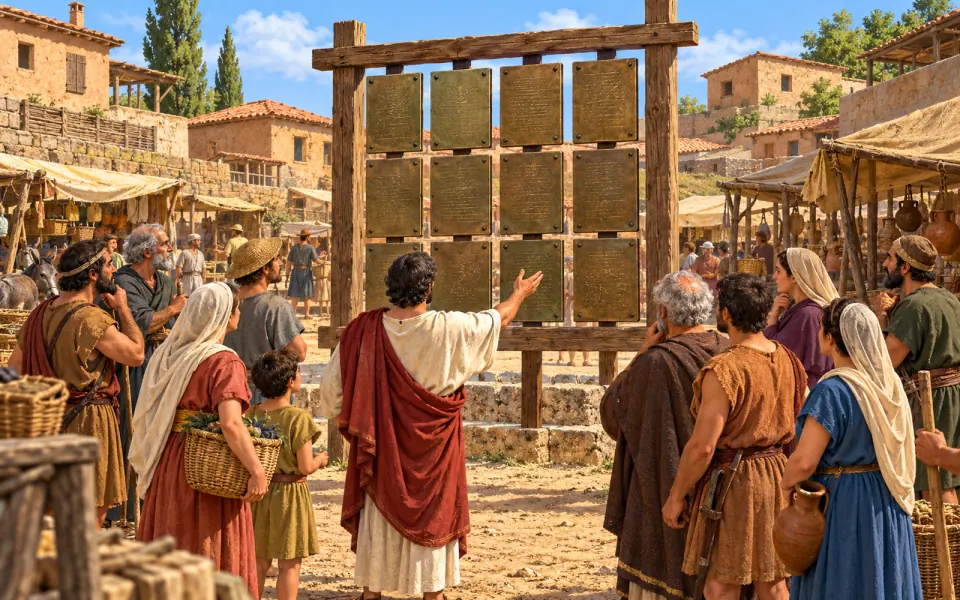
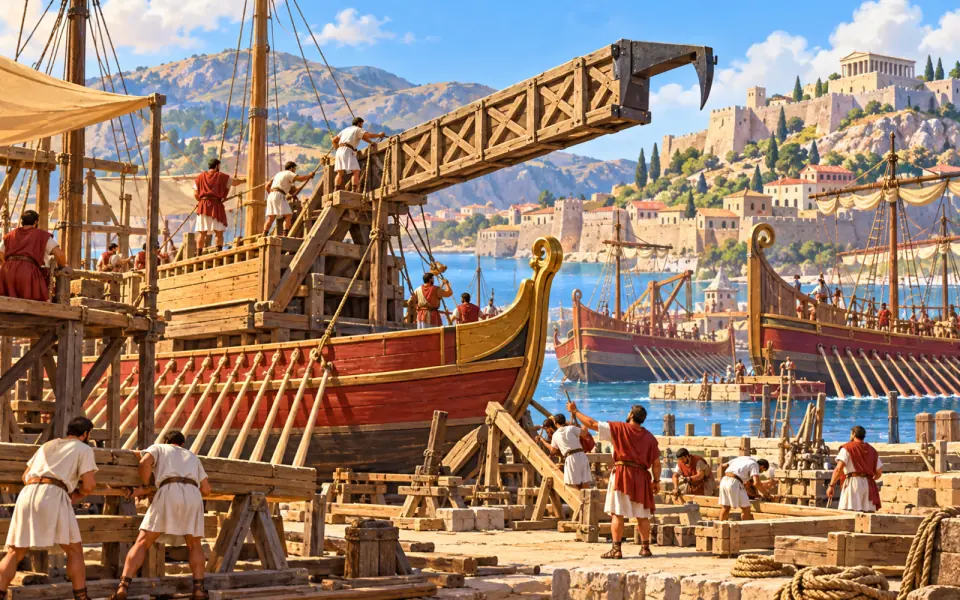
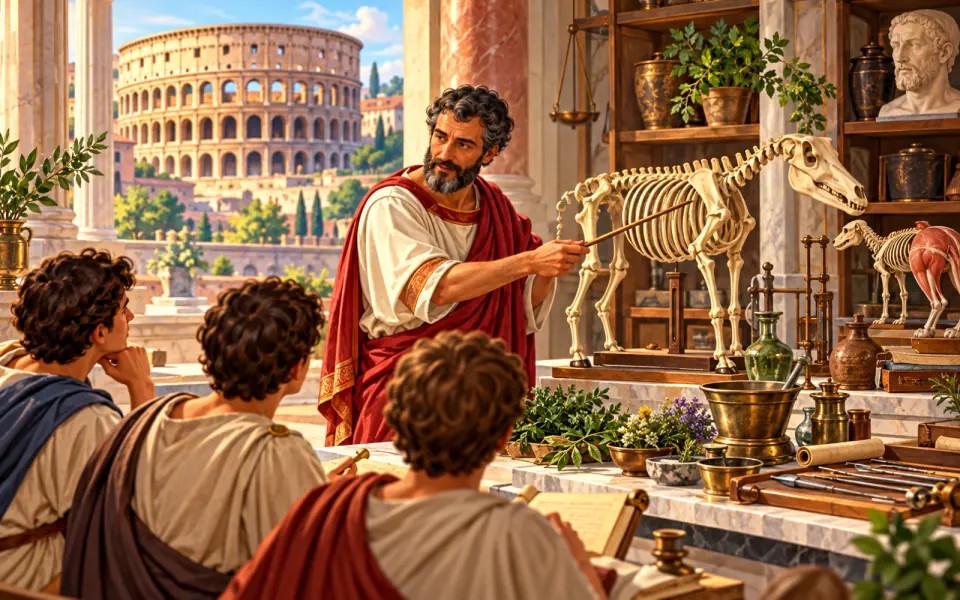
science and technology
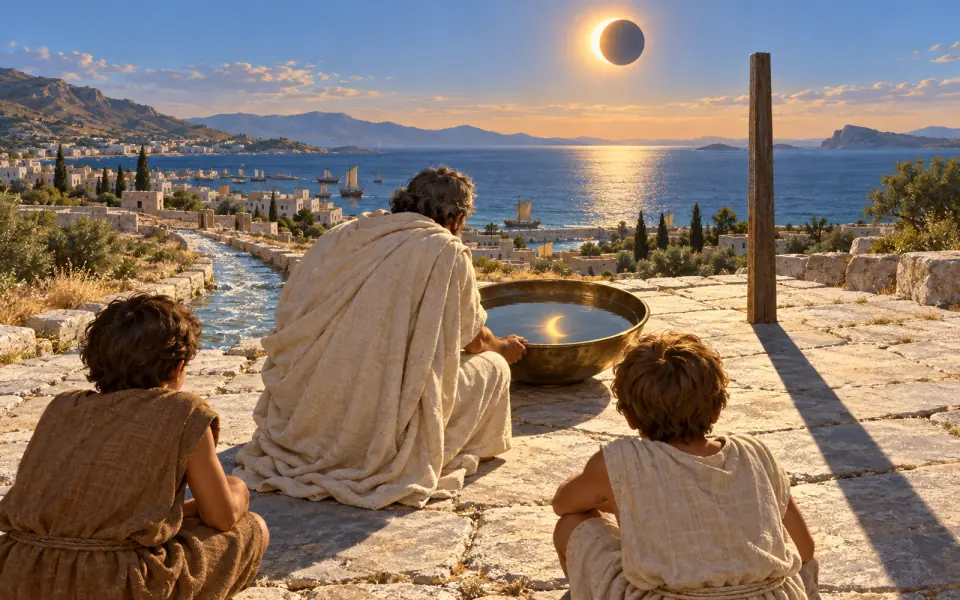
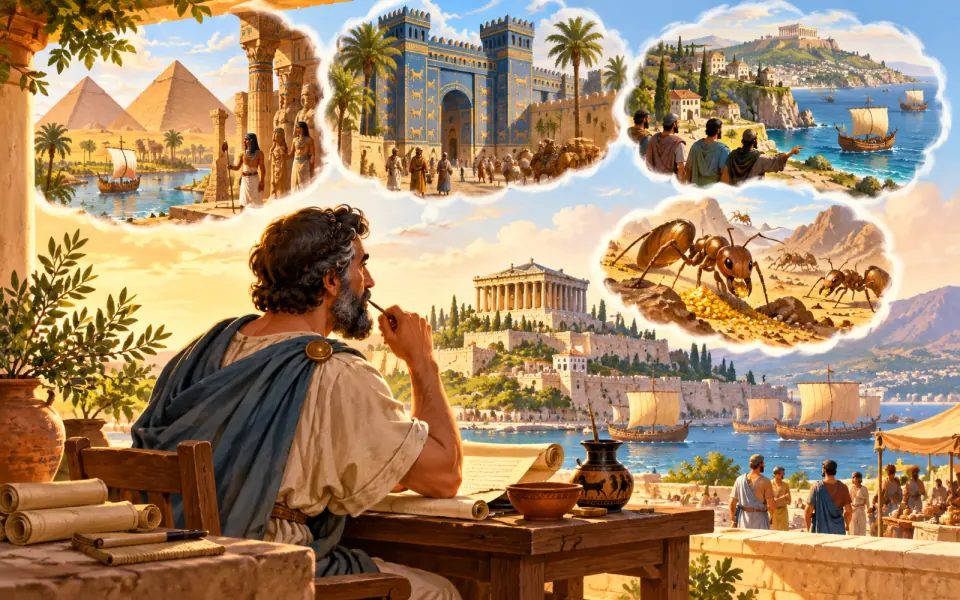
Ancient Greece
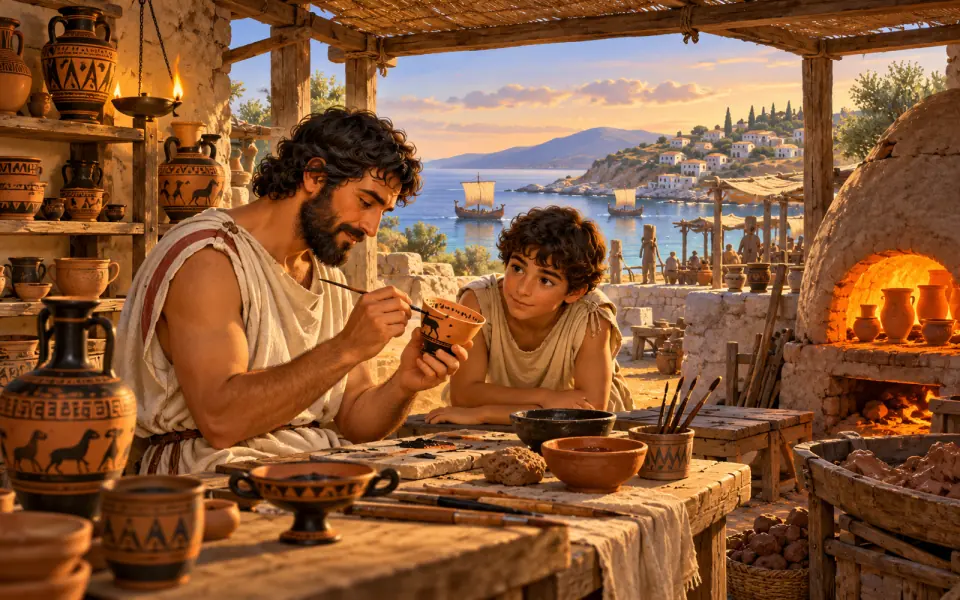
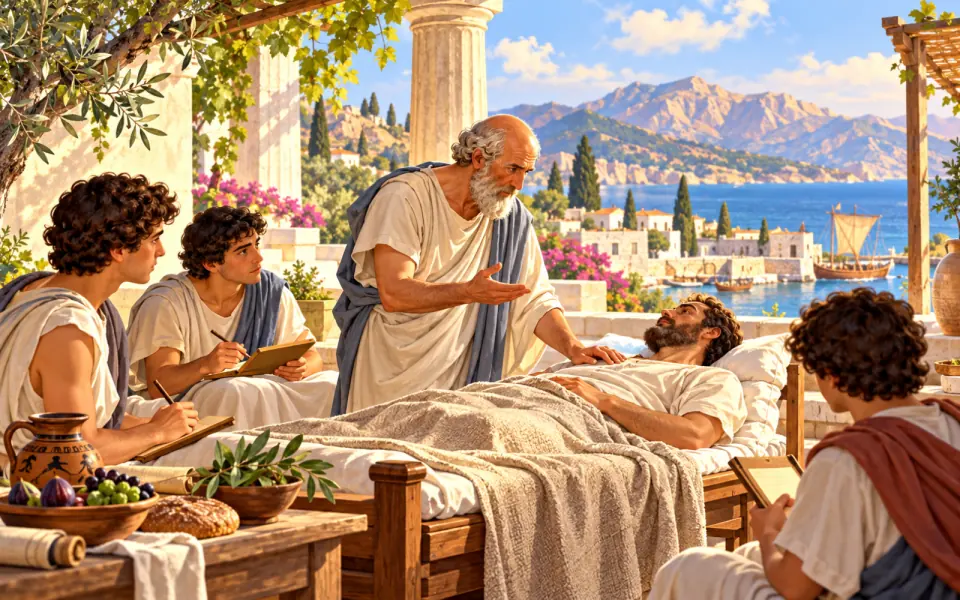
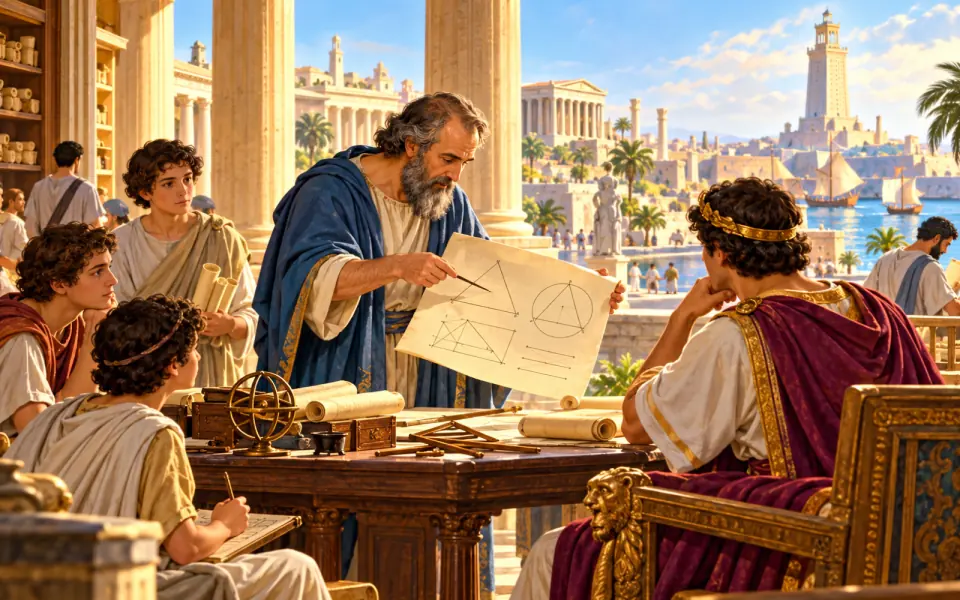
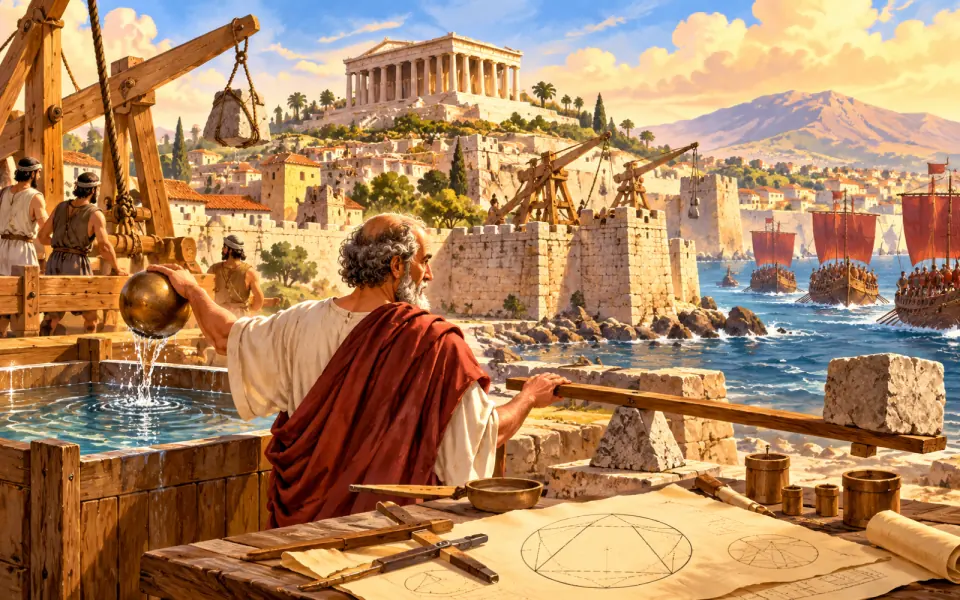
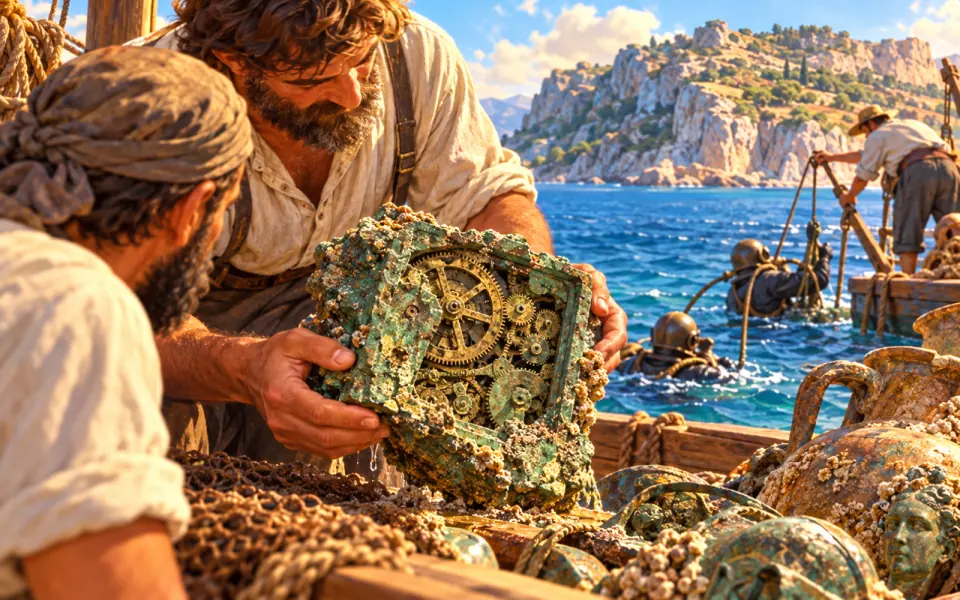
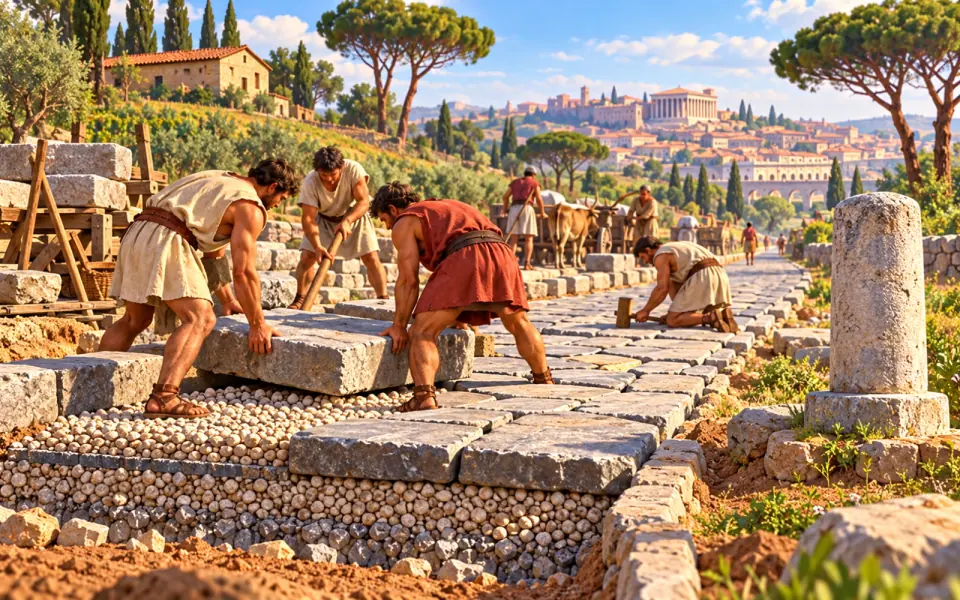
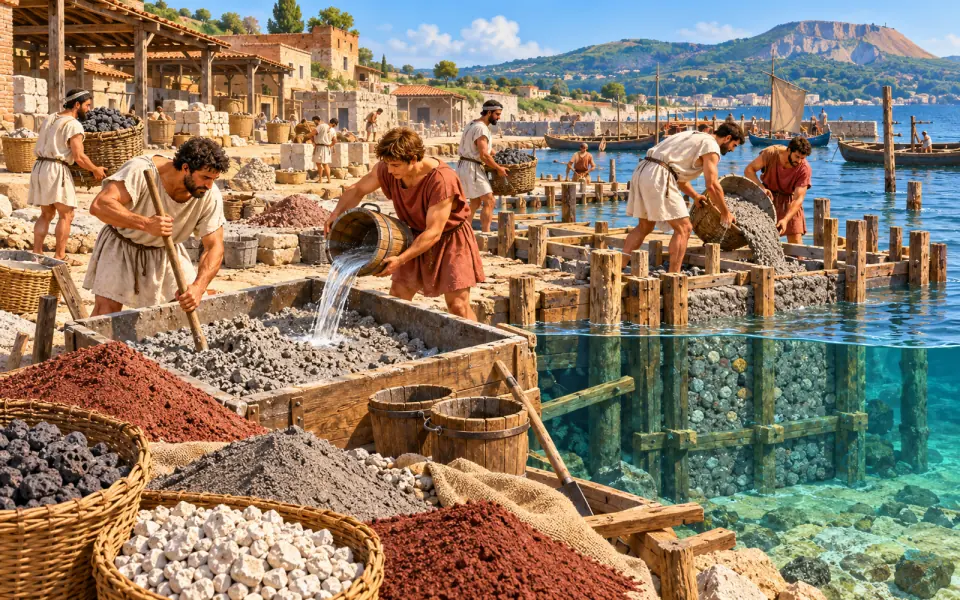
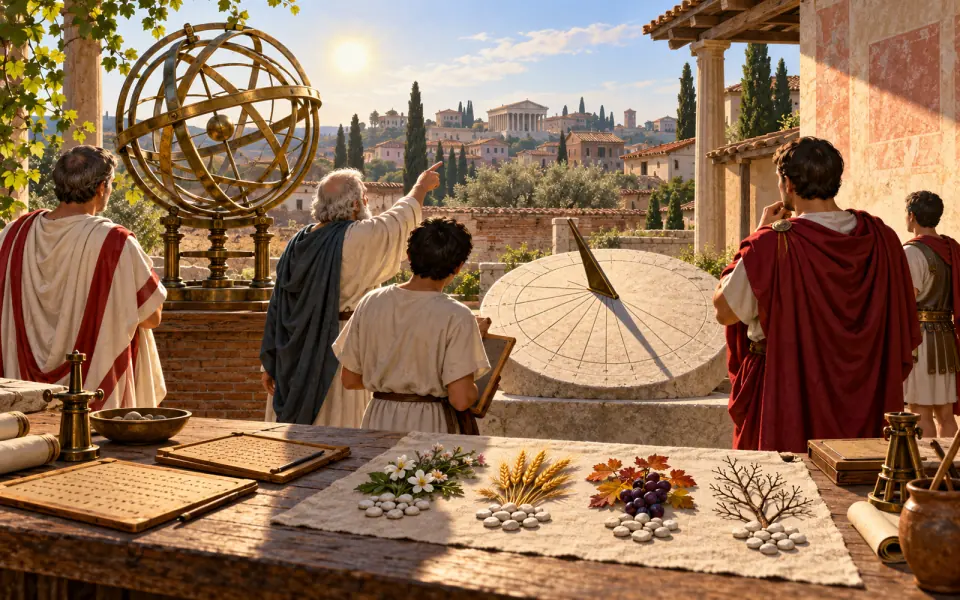
daily life
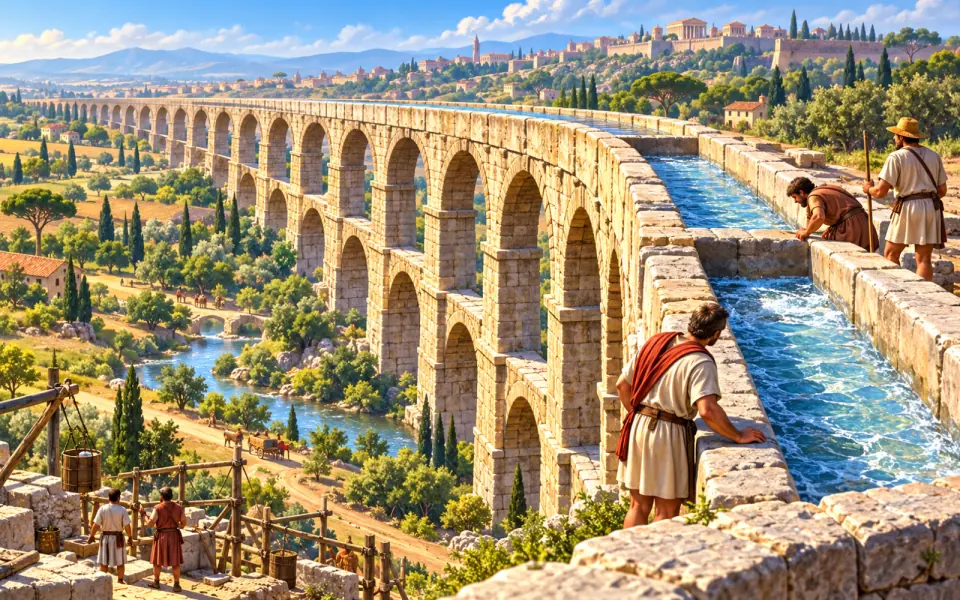
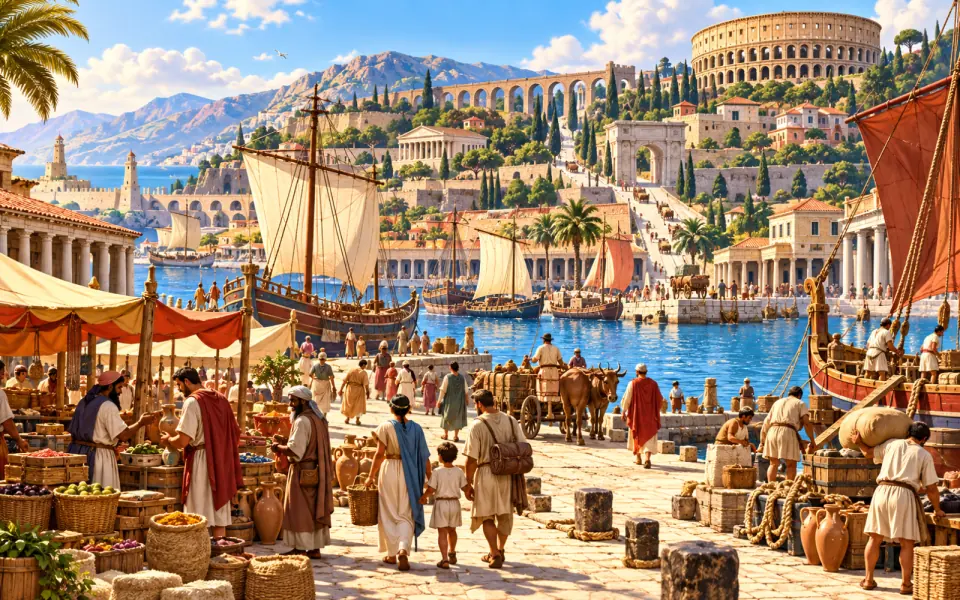
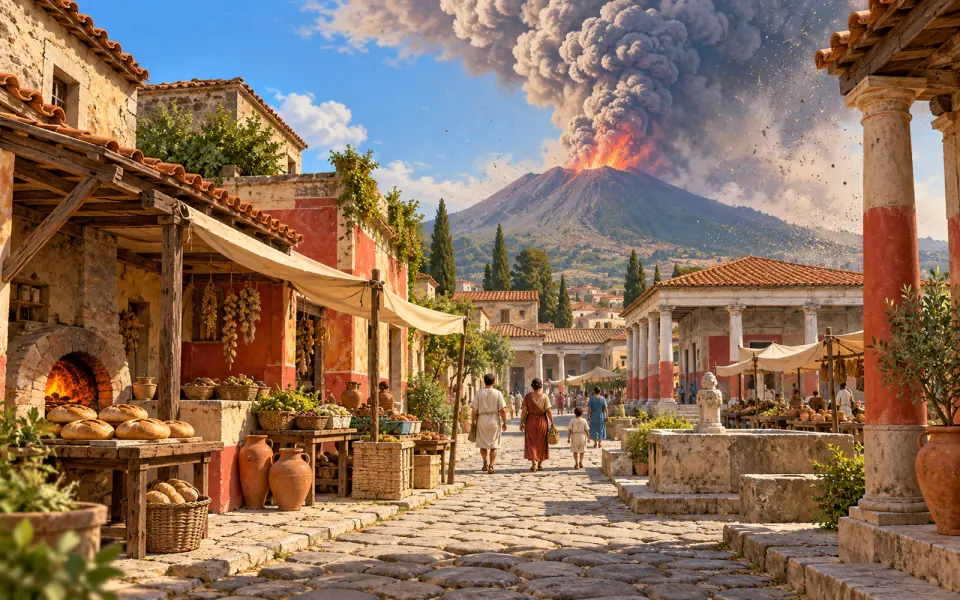
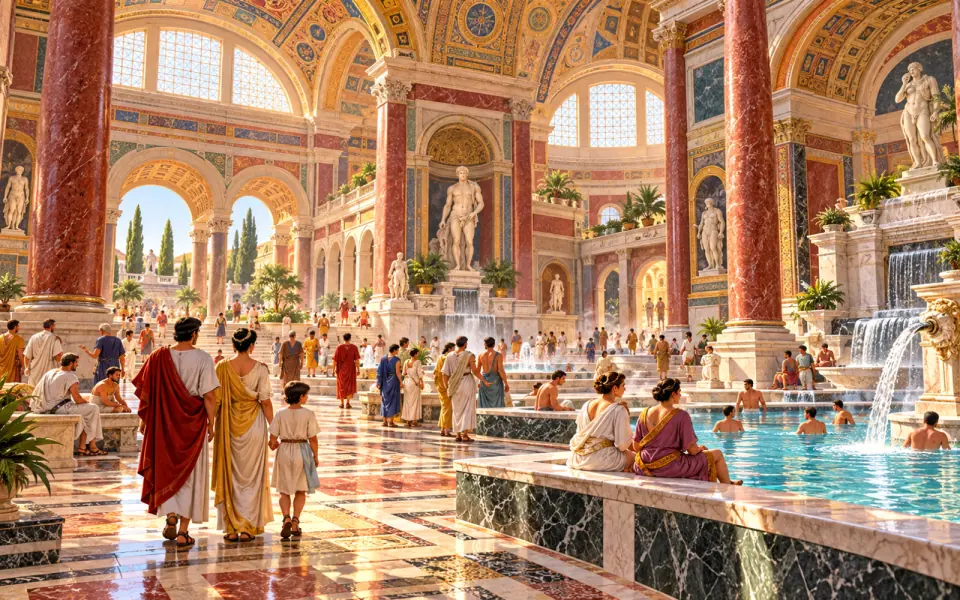
art
Ancient Greece
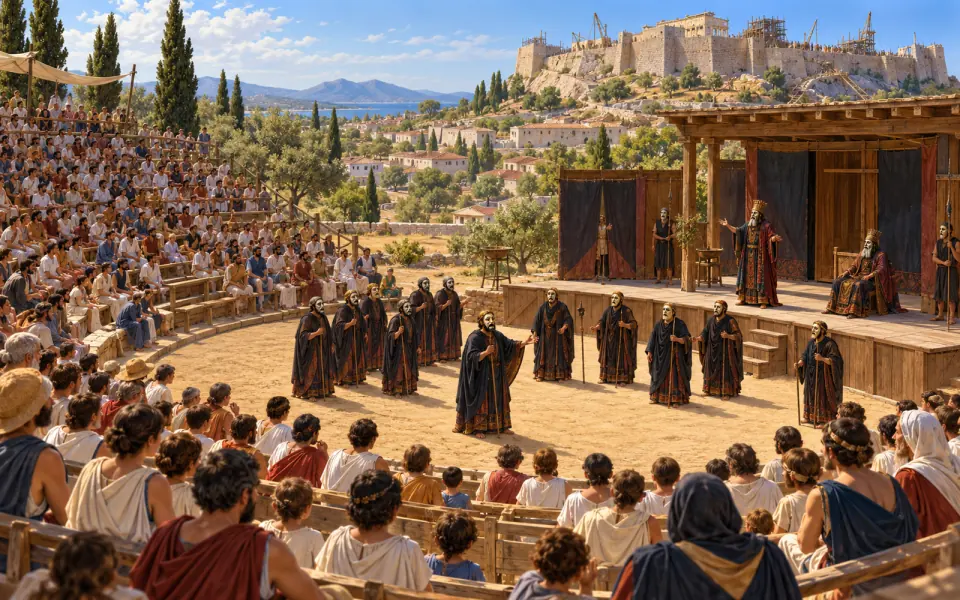
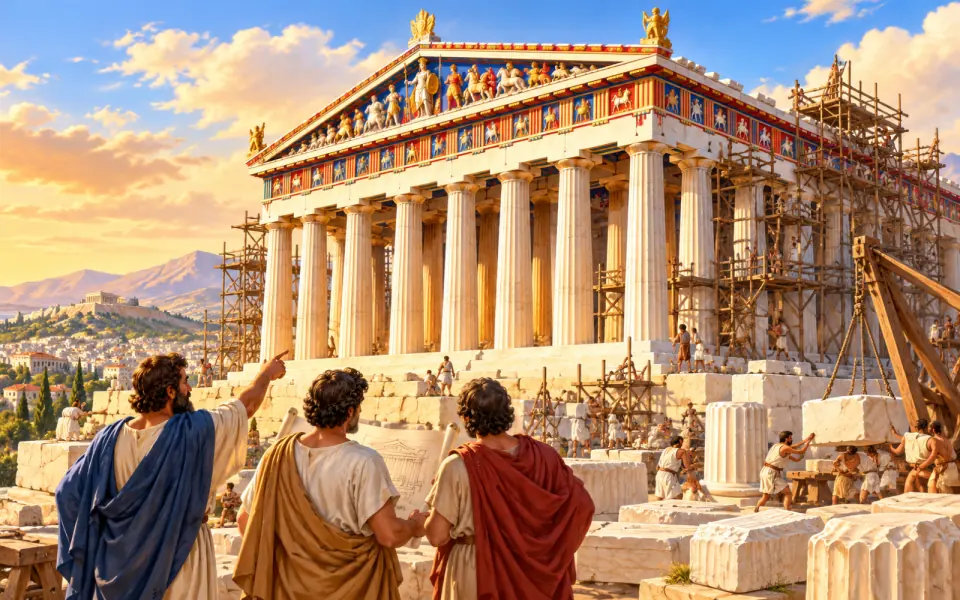
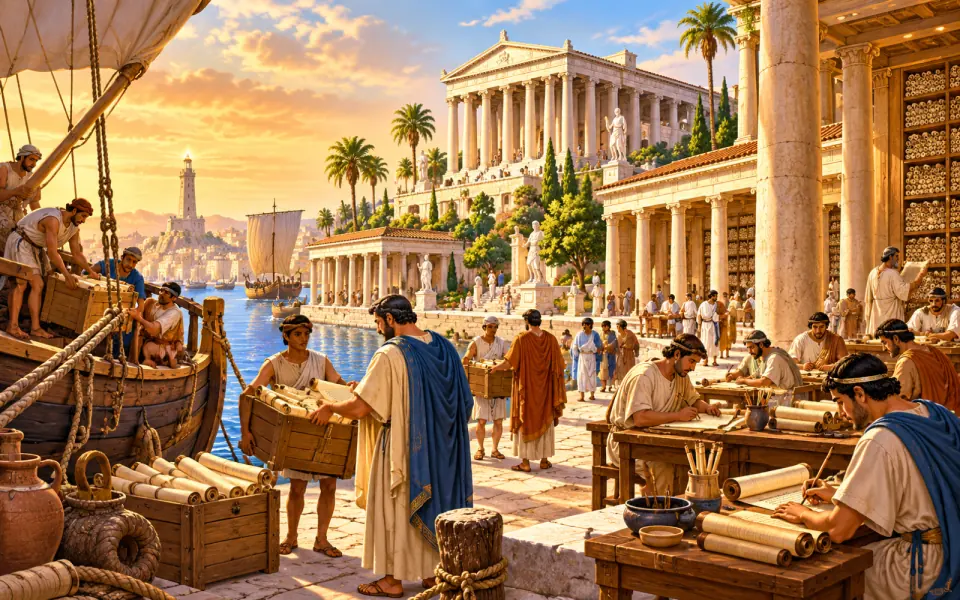
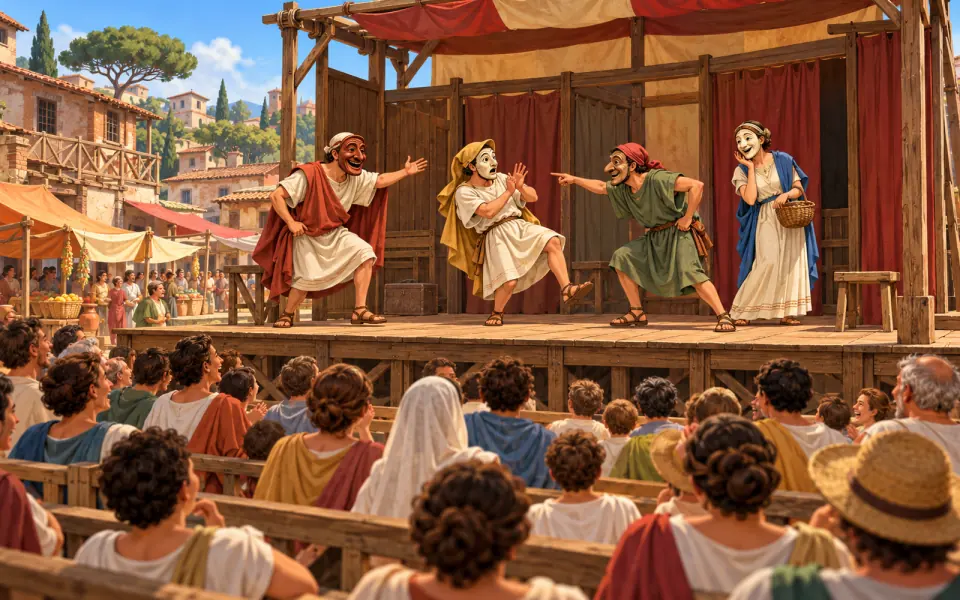
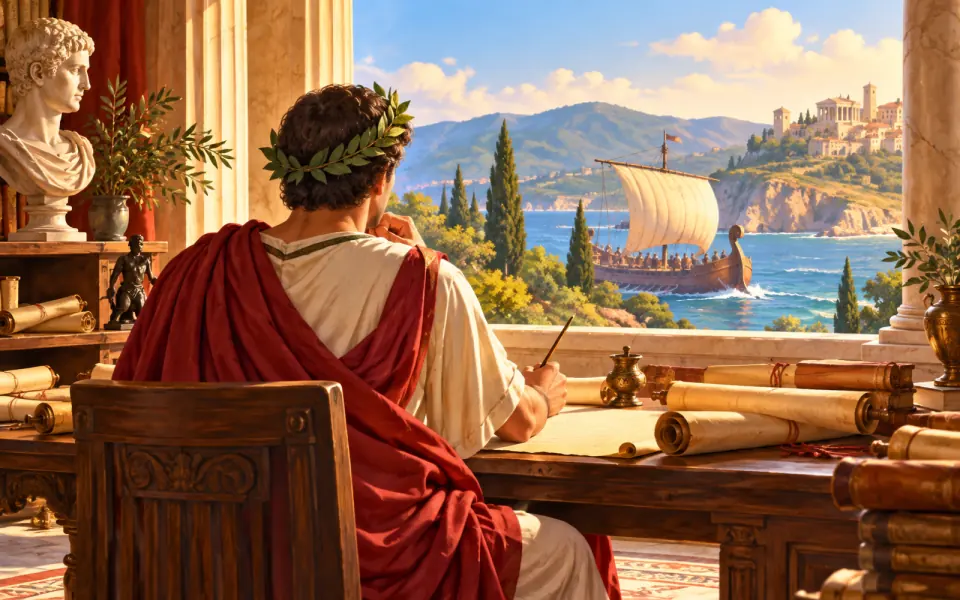
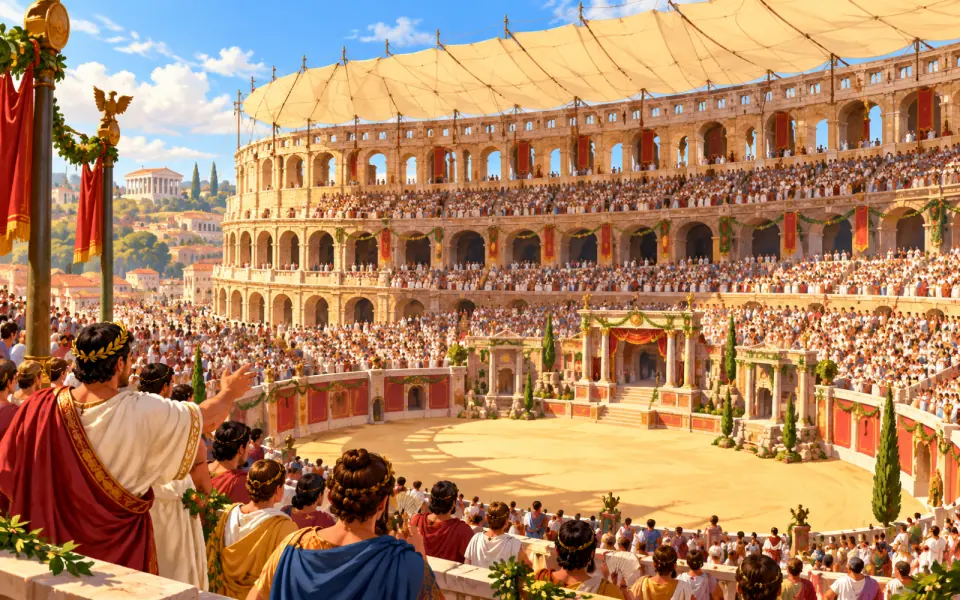
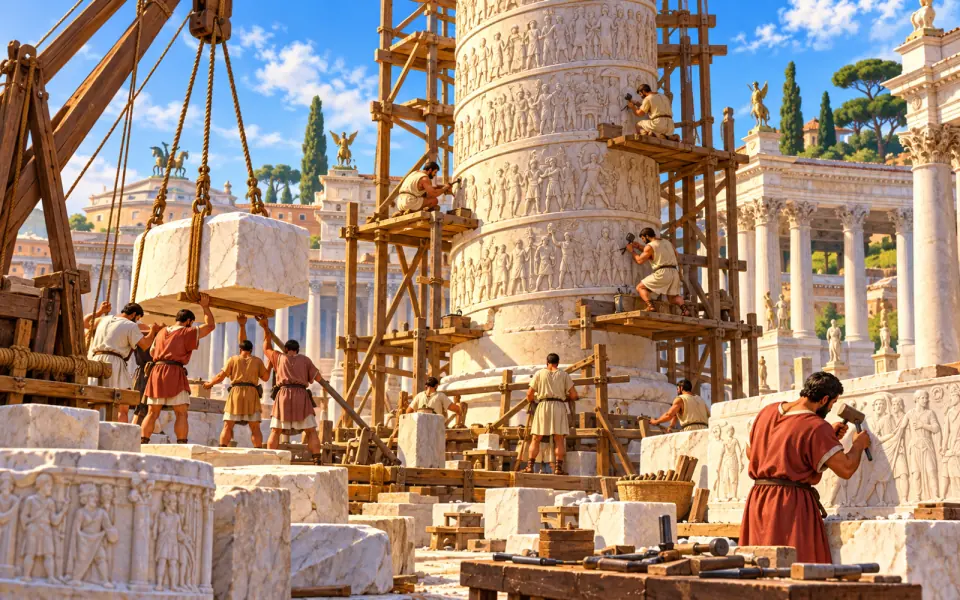
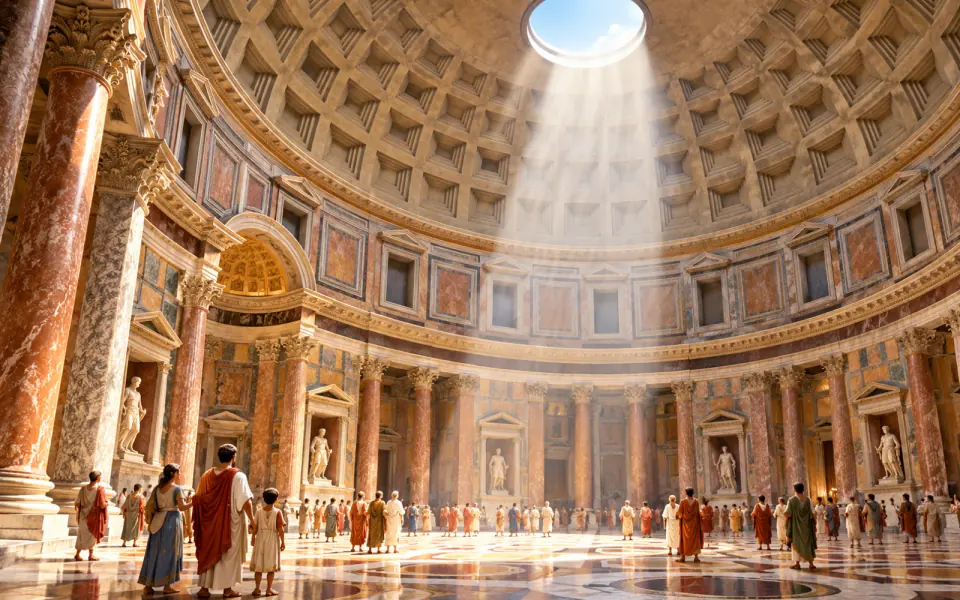
What changes?
Three fun facts for each era.
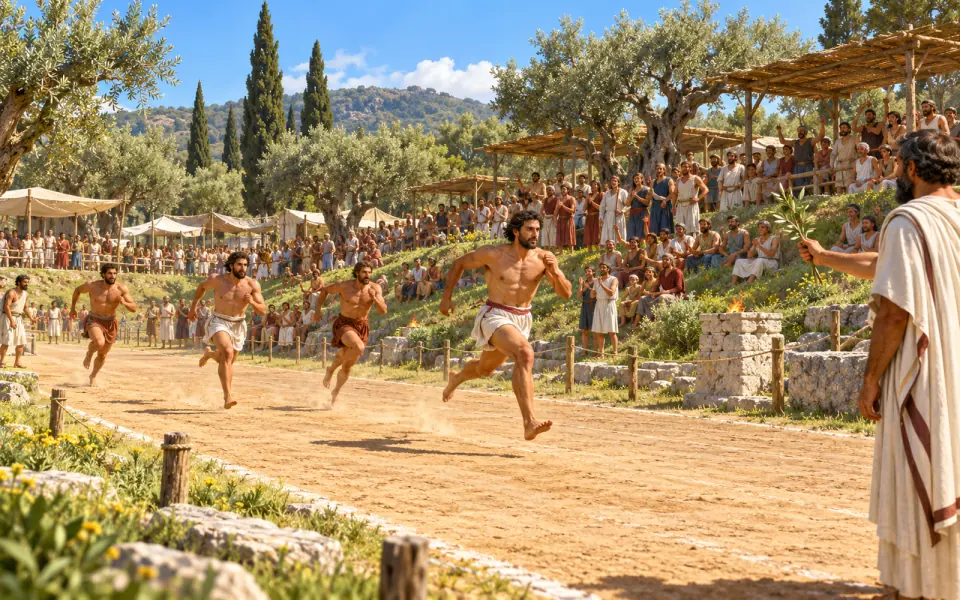
- The athletes at Olympia competed without any clothes on, and married women were not even allowed to watch the games.
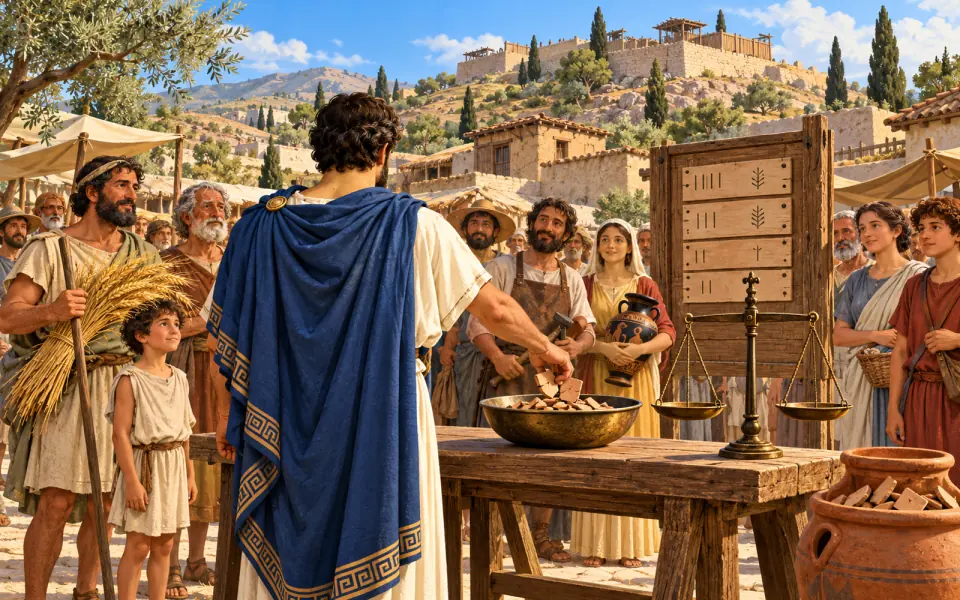
- In Athens, to send a politician thought to be dangerous away for ten years, citizens wrote his name on a piece of broken pottery called an ‘ostrakon’: that is where the word ‘ostracism’ comes from.
- The Parthenon stayed almost undamaged for more than two thousand years: it was badly damaged only in 1687, when a cannonball set off the gunpowder stored inside it.
- The year 46 BC lasted 445 days: Julius Caesar made it longer to bring the calendar back into line with the seasons.
- The dome of the Pantheon is made of concrete with no iron reinforcement, and it is still the largest of its kind in the world.
- The months of July and August are named after Julius Caesar and the emperor Augustus.
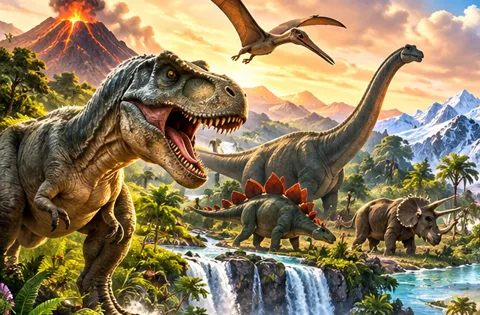
1 · The Earth before us
from 13.8 billion to 7 million years ago
School year (Italy): primary year 3
In short: Big Bang, stars, Earth, life, dinosaurs
The Earth before us
This era has no events on this theme.
The Earth before us
This era has no events on this theme.
The Earth before us
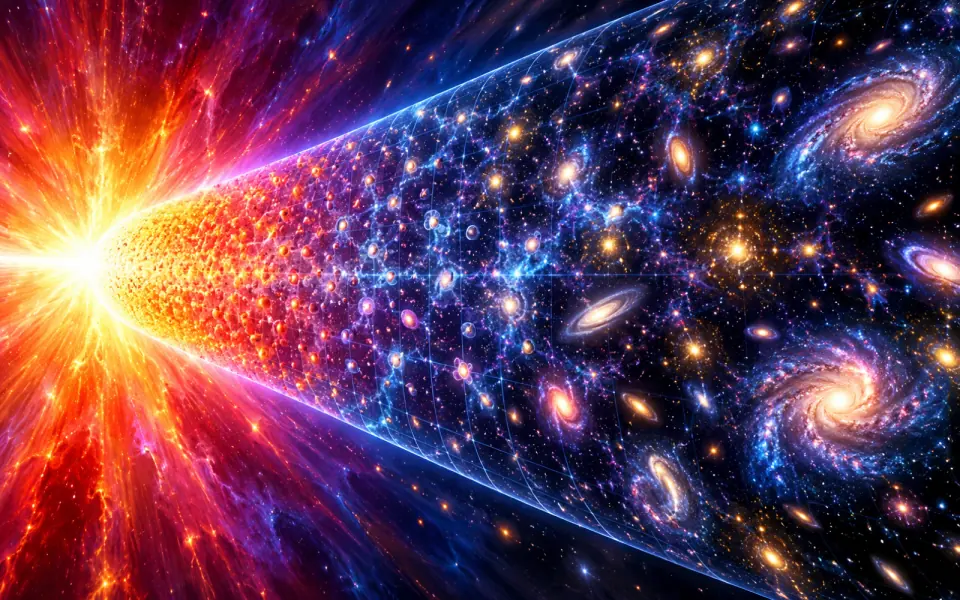 The Big Bangabout 13.8 billion years ago
 The first starsabout 13.5 billion years ago
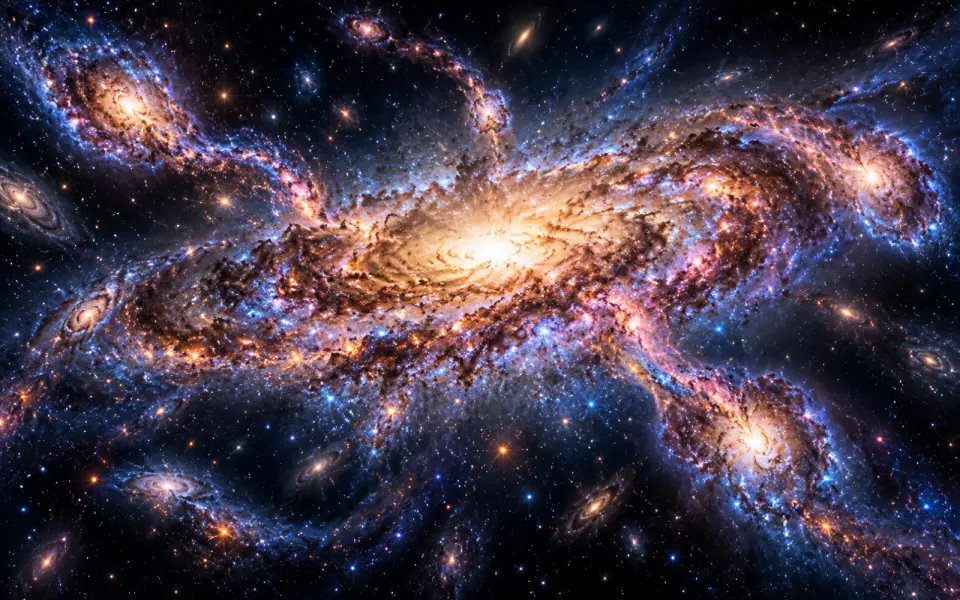 Birth of the Milky Wayabout 13 billion years ago
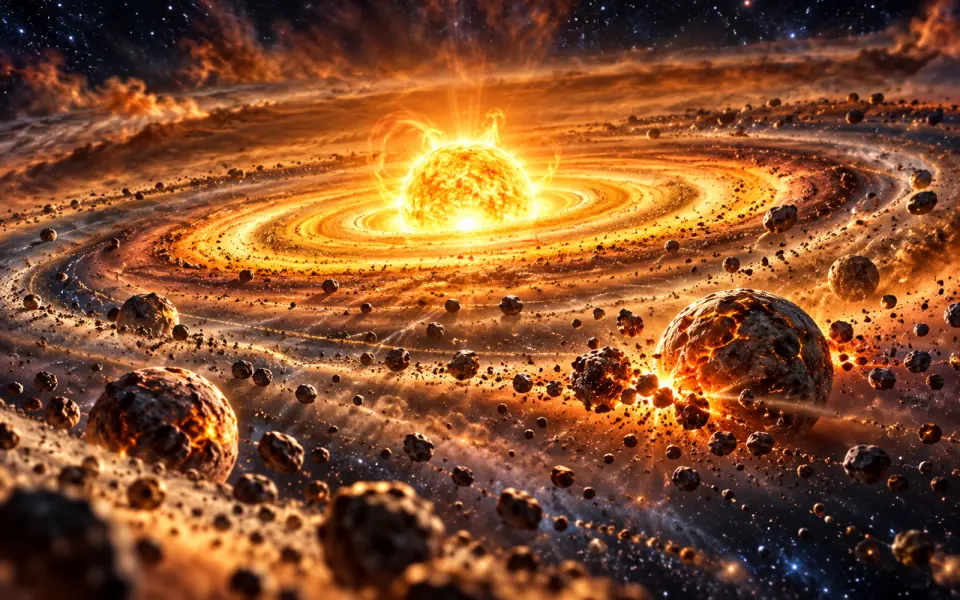 Formation of the Solar Systemabout 4.6 billion years ago
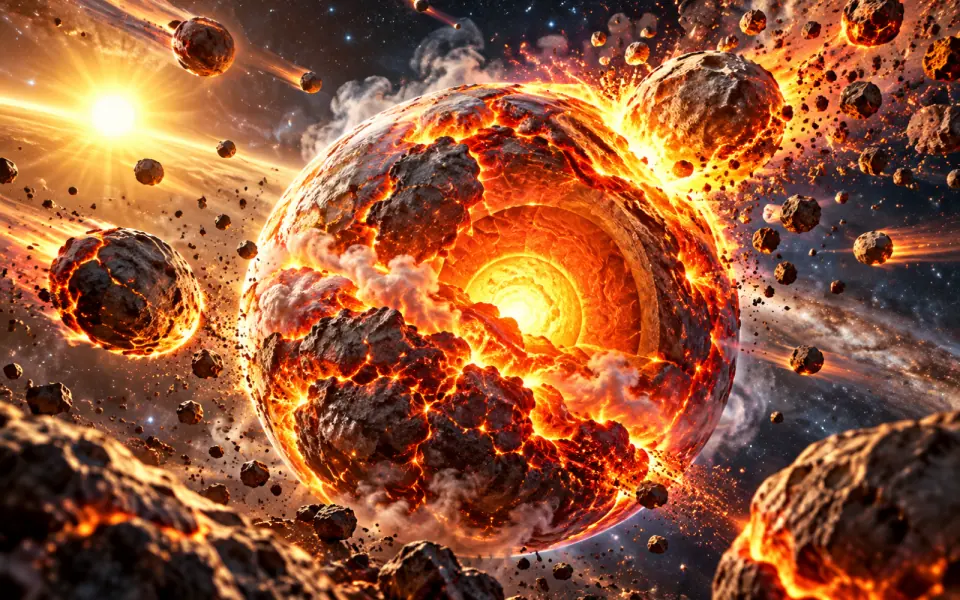 Birth of the Earthabout 4.5 billion years ago
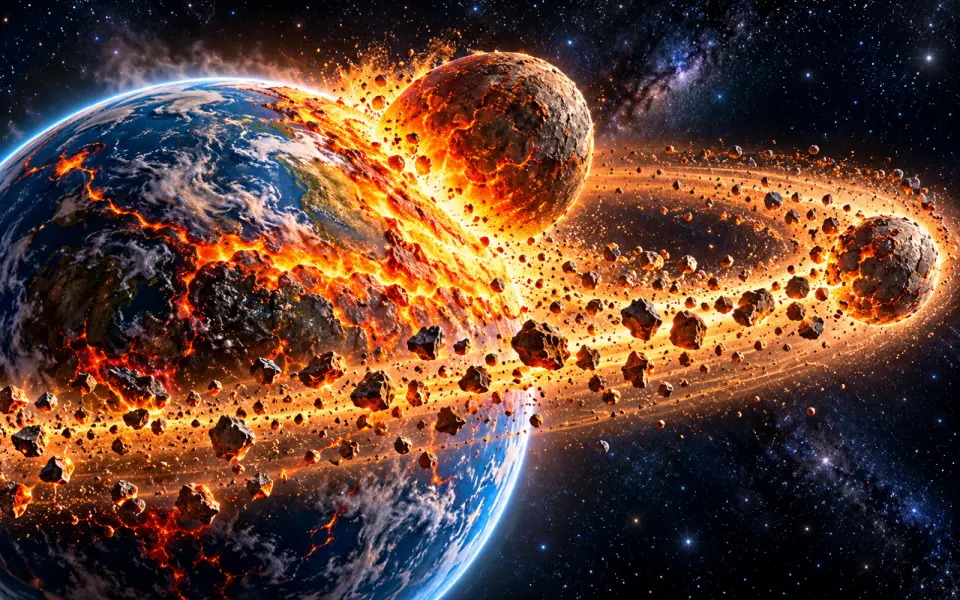 Formation of the Moonabout 4.5 billion years ago
18 more events
 The oldest pieces of Earthabout 4.4 billion years ago
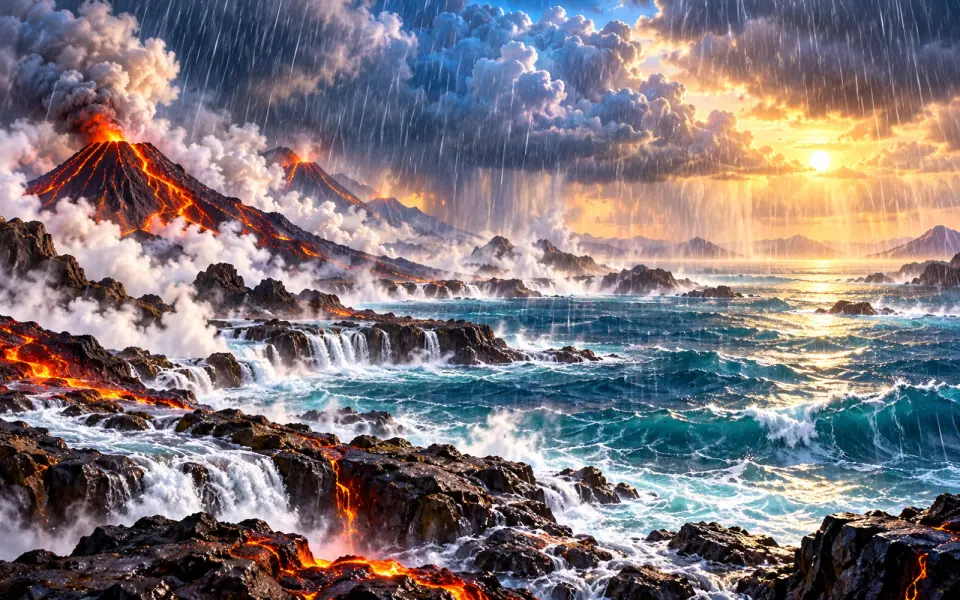 The first oceansabout 4.3 billion years ago
 The first life on Earthabout 3.5 billion years ago
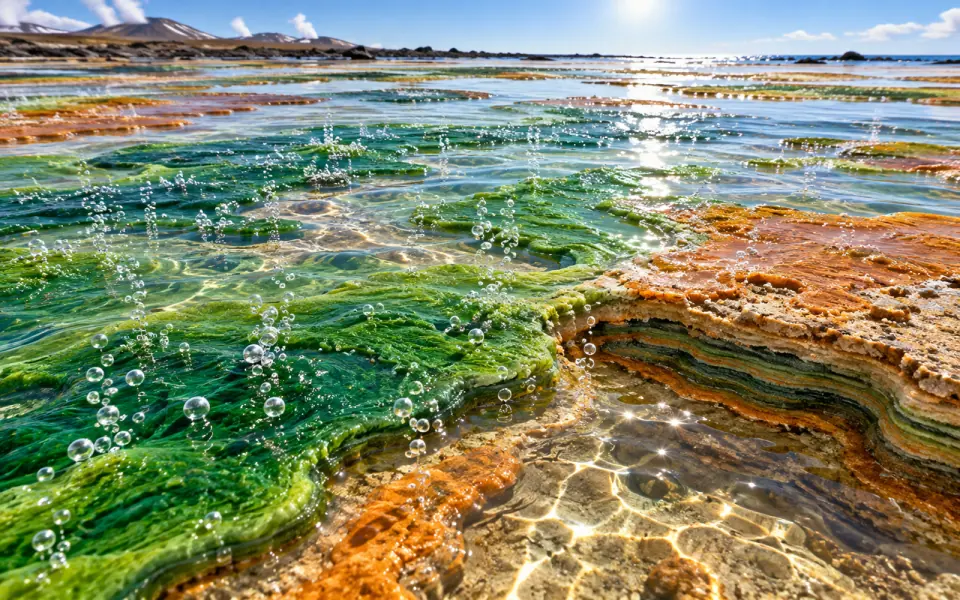 Cyanobacteria and photosynthesisabout 2.7 billion years ago
 The Great Oxidation Eventabout 2.4 billion years ago
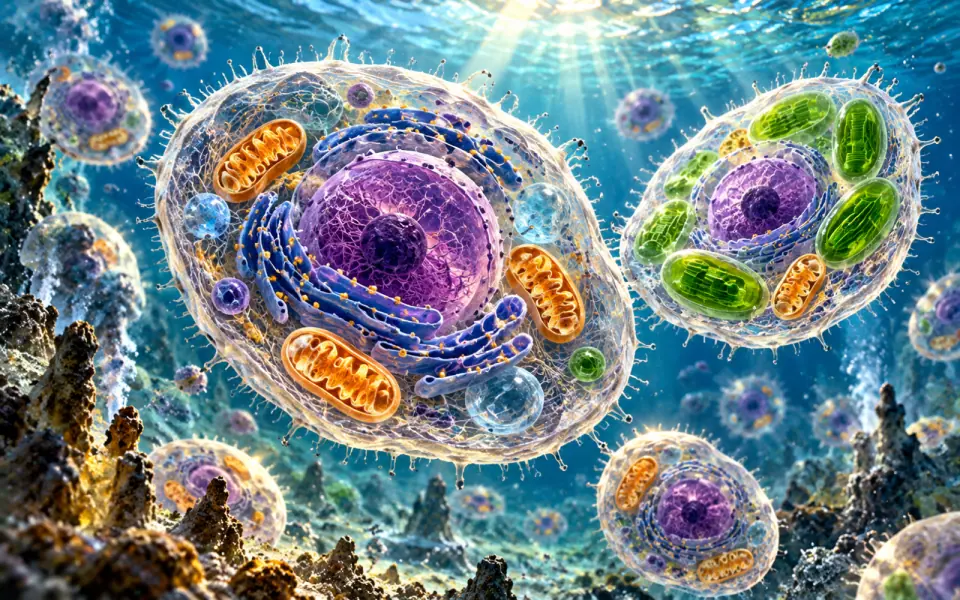 The first complex cellsabout 1.8 billion years ago
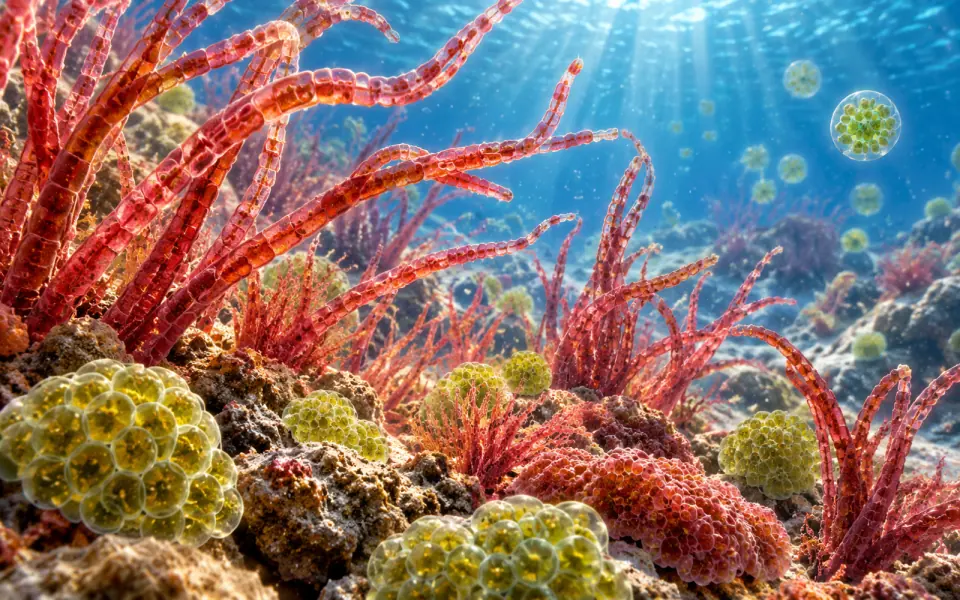 The first many-celled living thingsabout 1 billion years ago
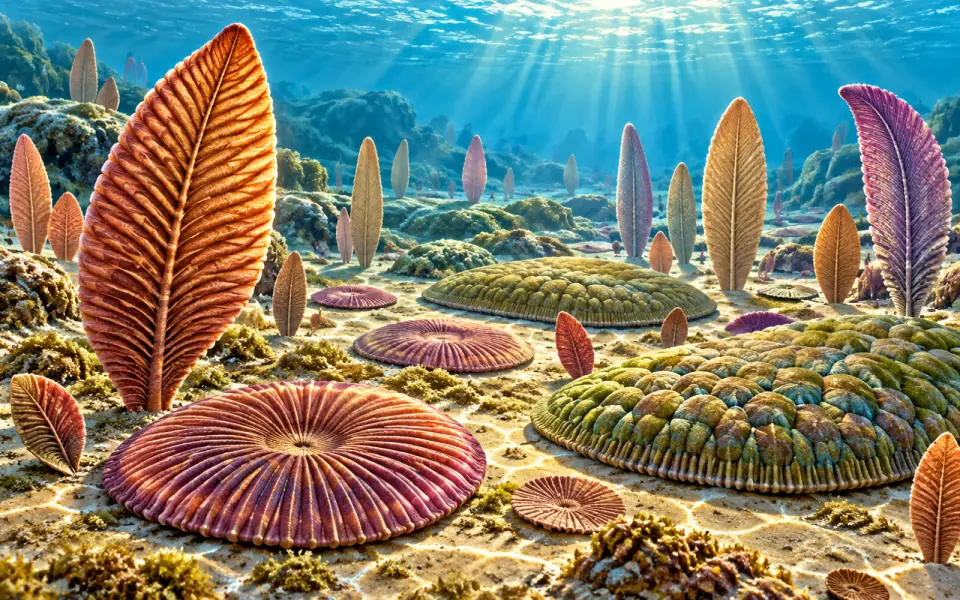 The Ediacaran creaturesabout 555 million years ago
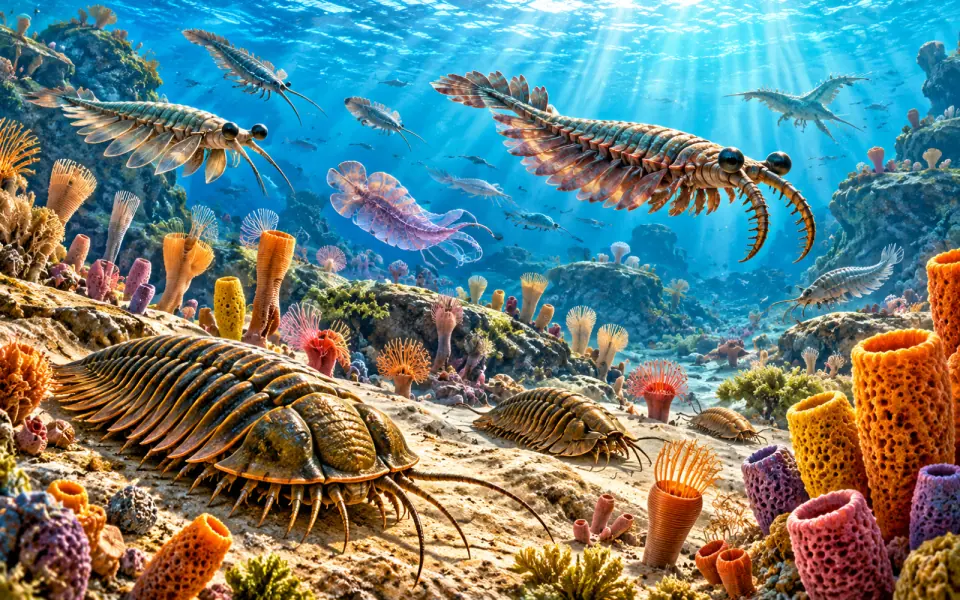 The Cambrian explosionabout 539 million years ago
 The first plants on landabout 475 million years ago
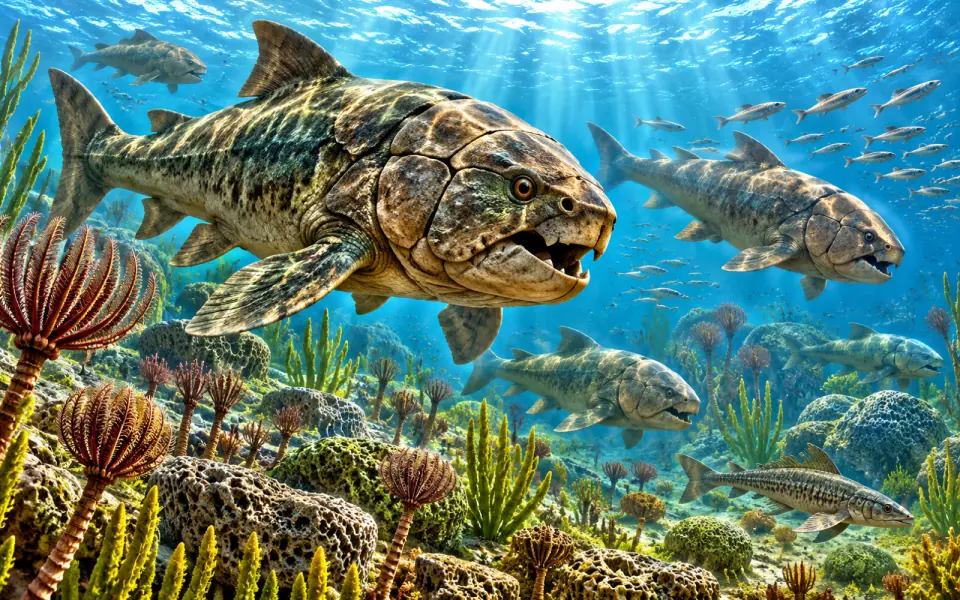 The first fish with jawsabout 440 million years ago
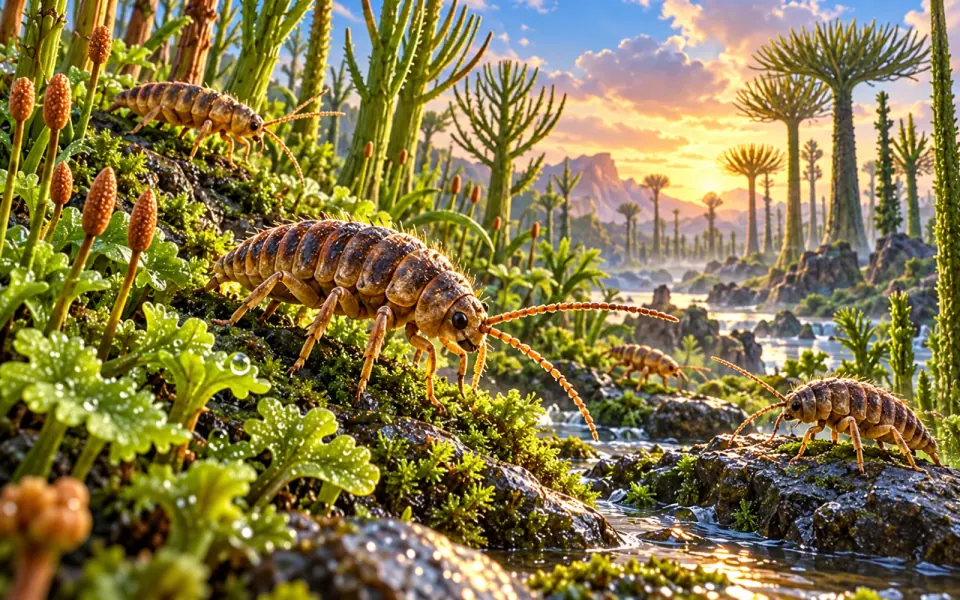 The first insectsabout 400 million years ago
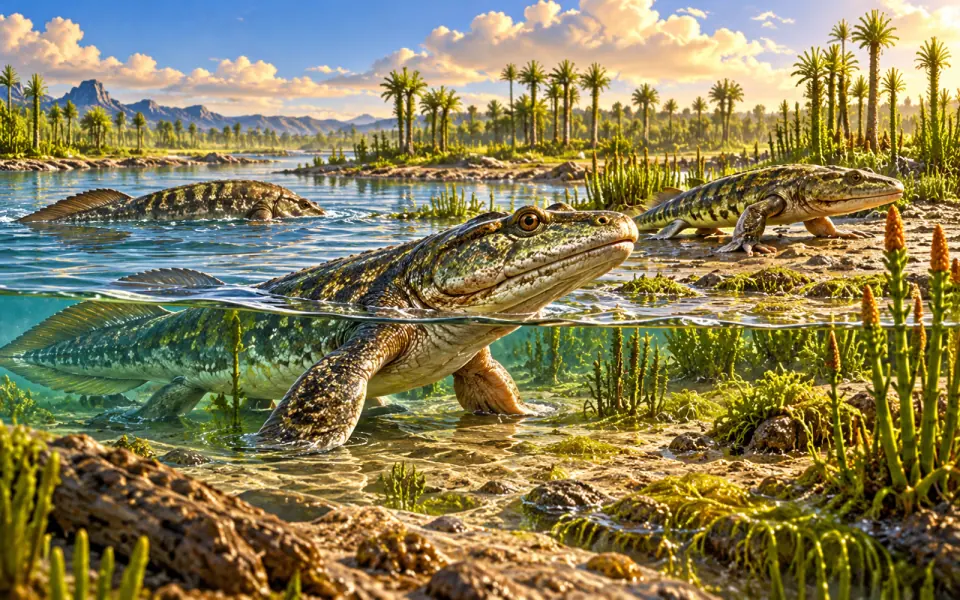 The first amphibiansabout 375 million years ago
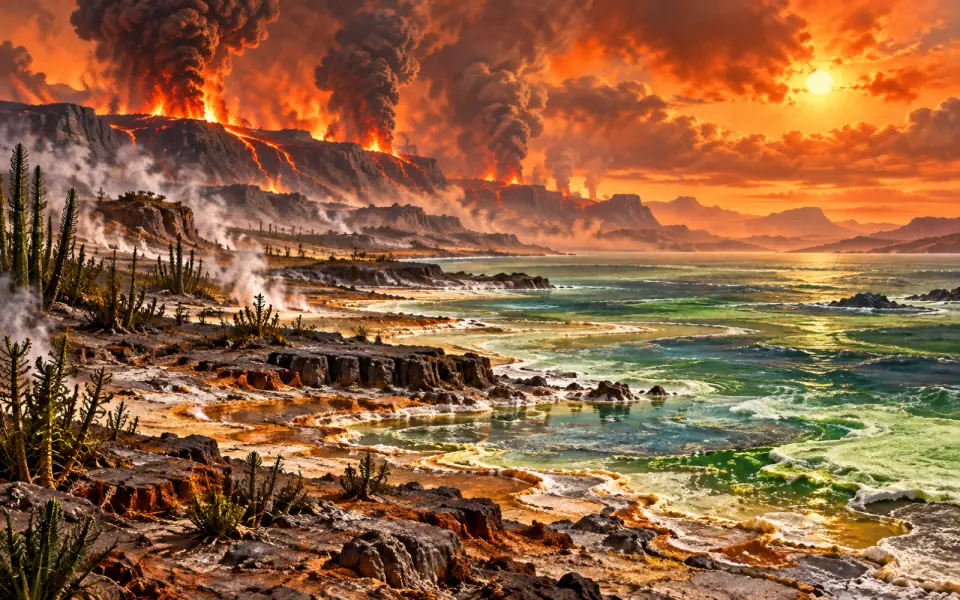 The great Permian extinctionabout 252 million years ago
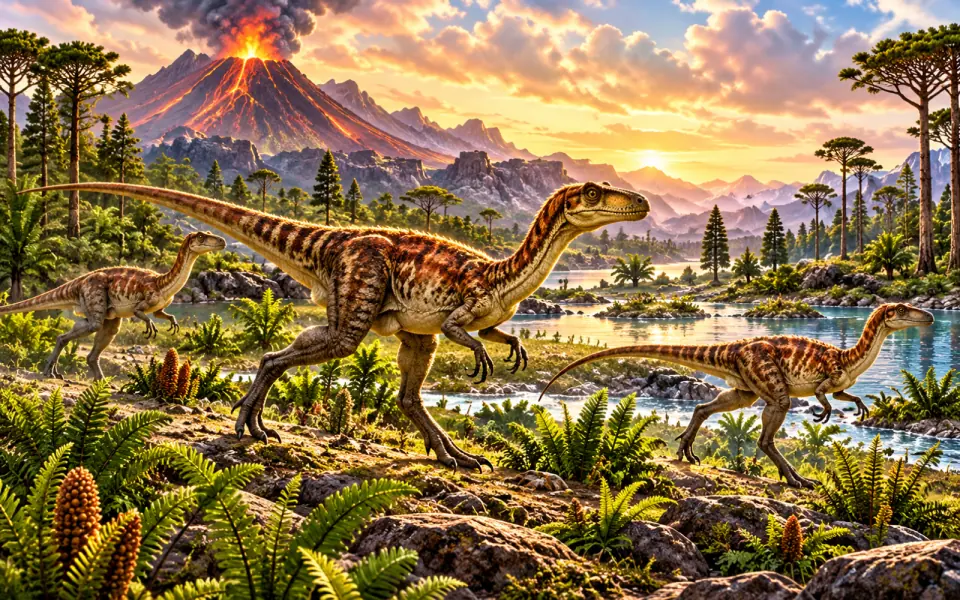 The first dinosaursabout 230 million years ago
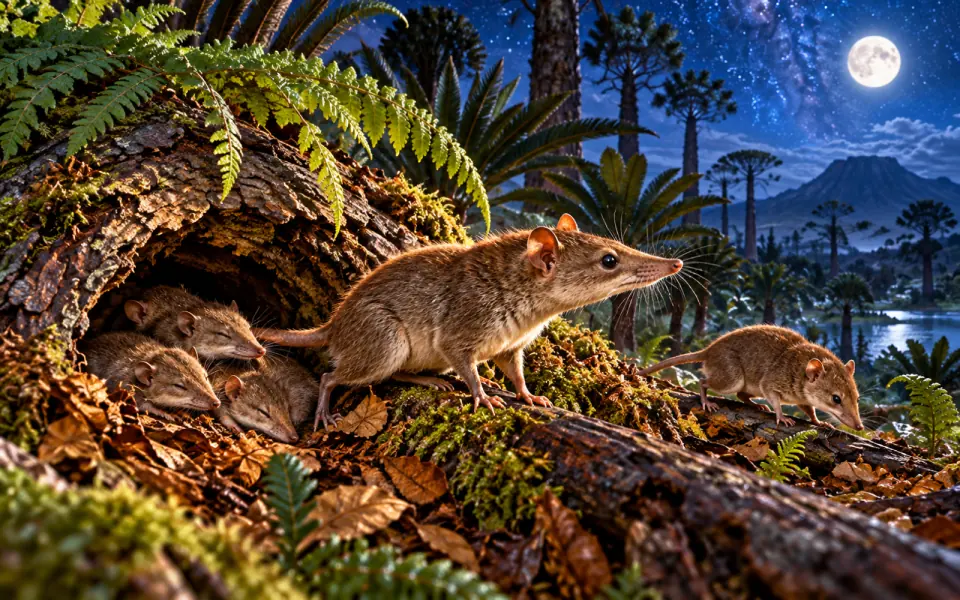 The first mammalsabout 225 million years ago
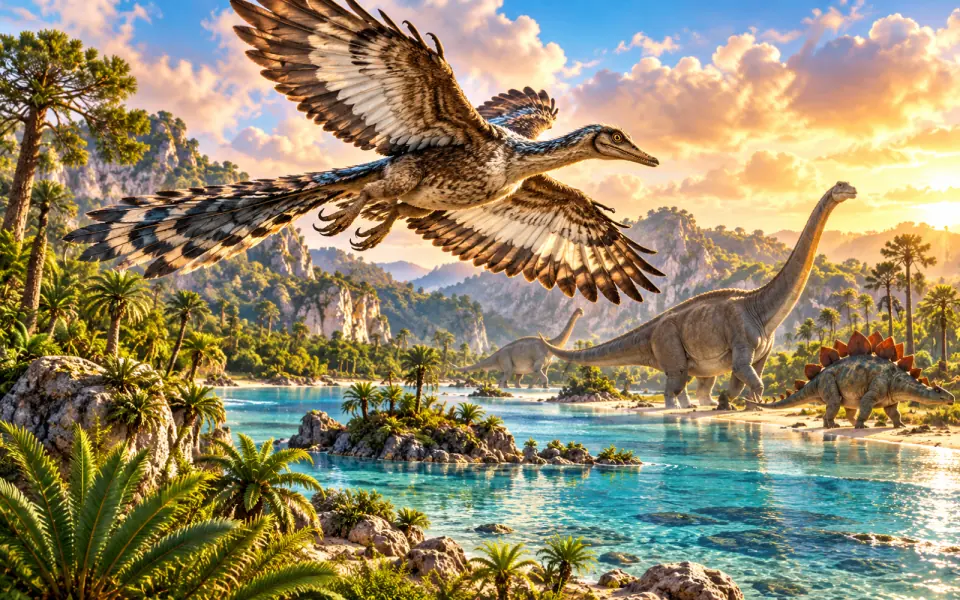 The first birdsabout 150 million years ago
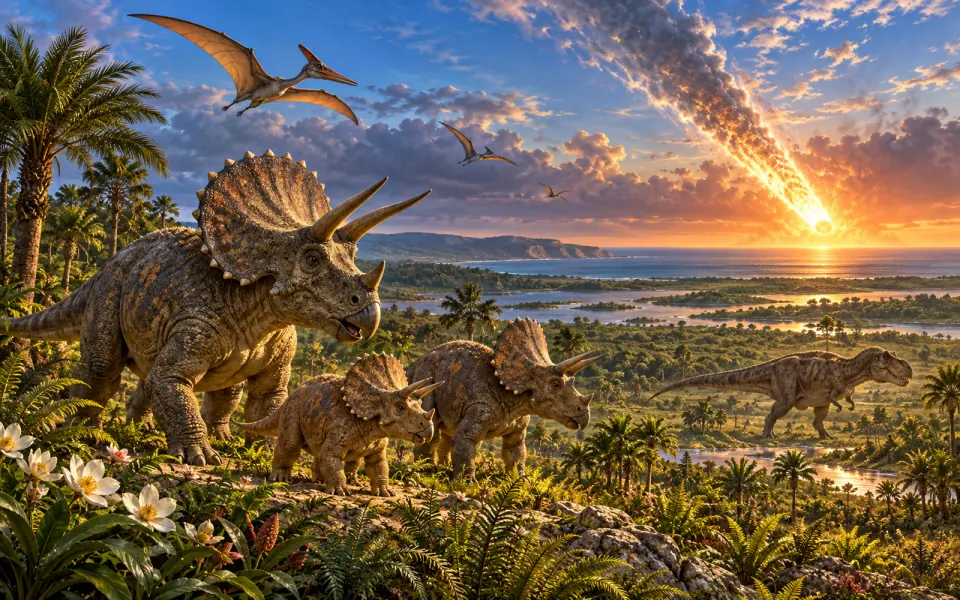 Extinction of the non-avian dinosaursabout 66 million years ago
The Earth before us
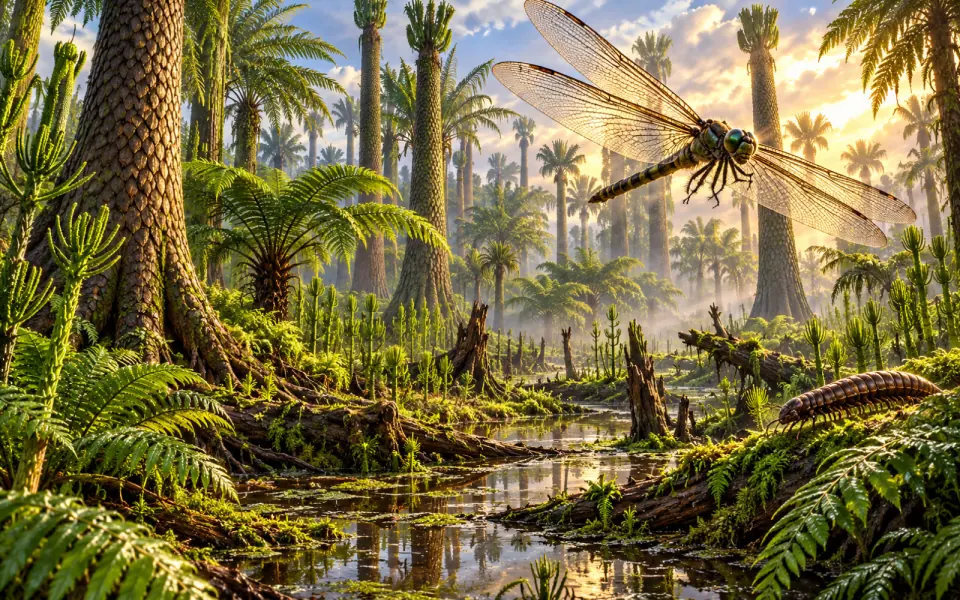
The Earth before us
This era has no events on this theme.
- If the whole history of the Universe lasted one year, the first dinosaurs would appear around Christmas and our species only in the last 12 minutes of 31 December.
- The sunlight you see right now left the Sun about 8 minutes ago: looking far out into space also means looking back in time.
- Tyrannosaurus and the sparrow on your balcony are relatives: both belong to the great family of theropod dinosaurs.
2 · Prehistory
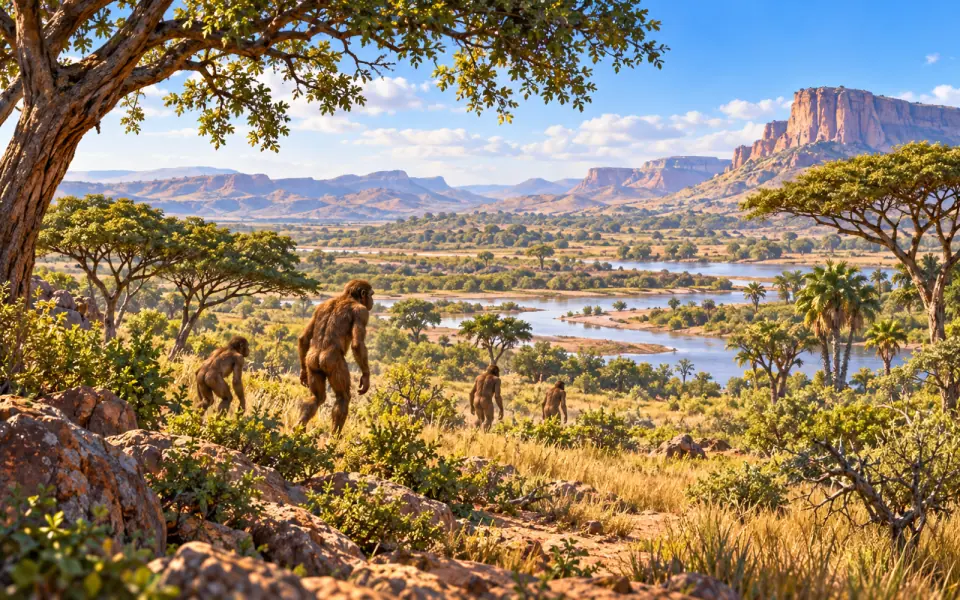
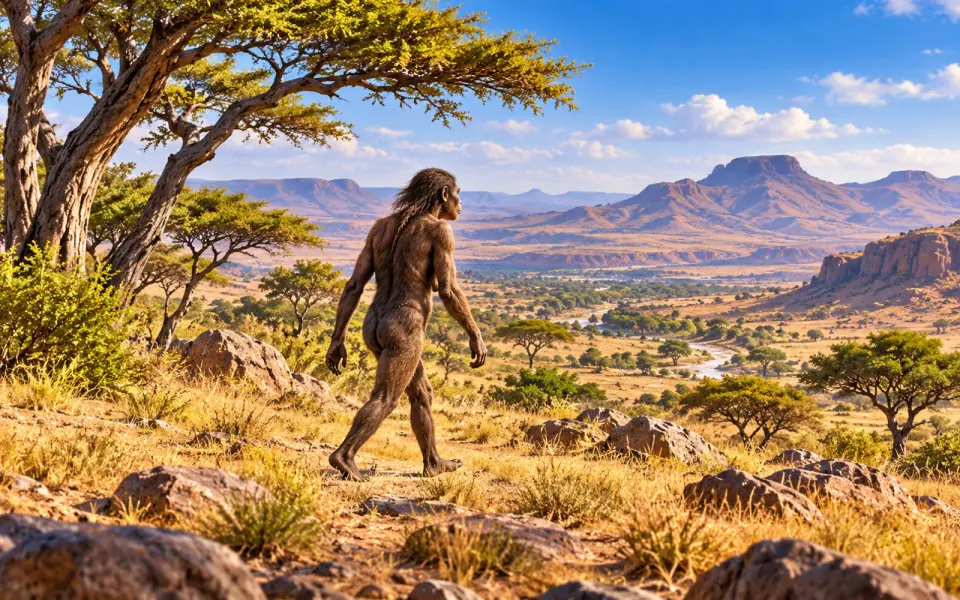
from 7 million years ago to about 3500 BC
School year (Italy): primary year 3
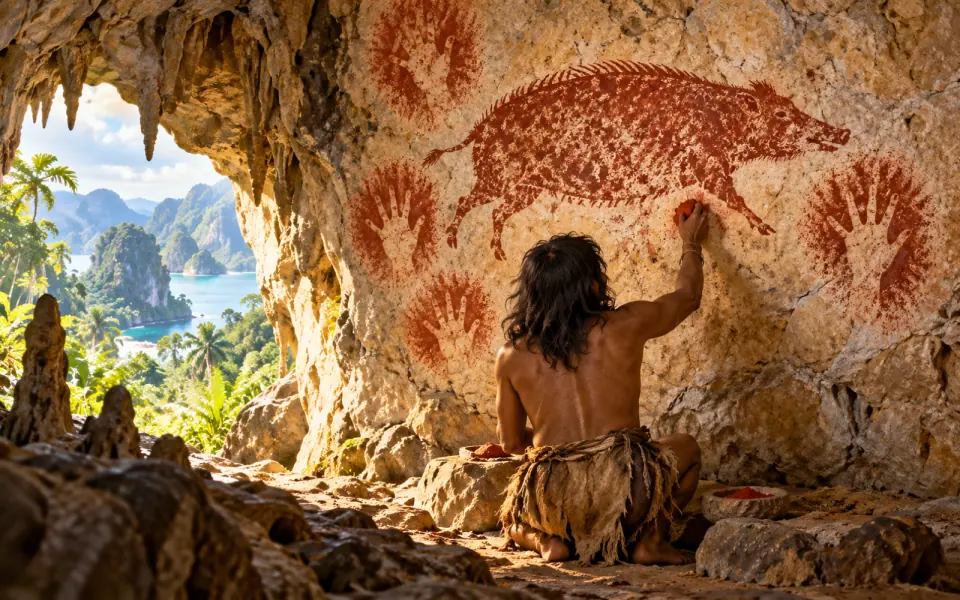
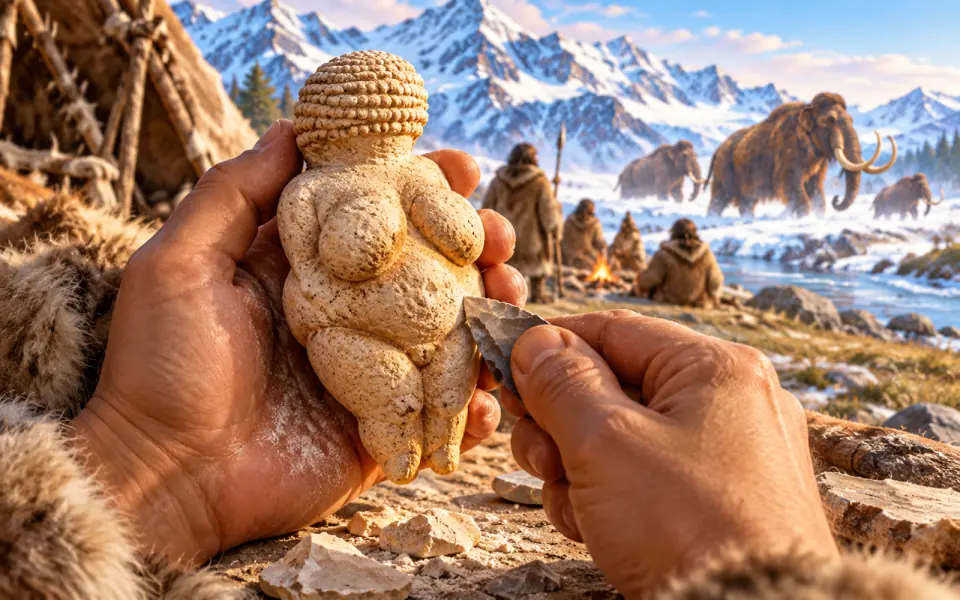
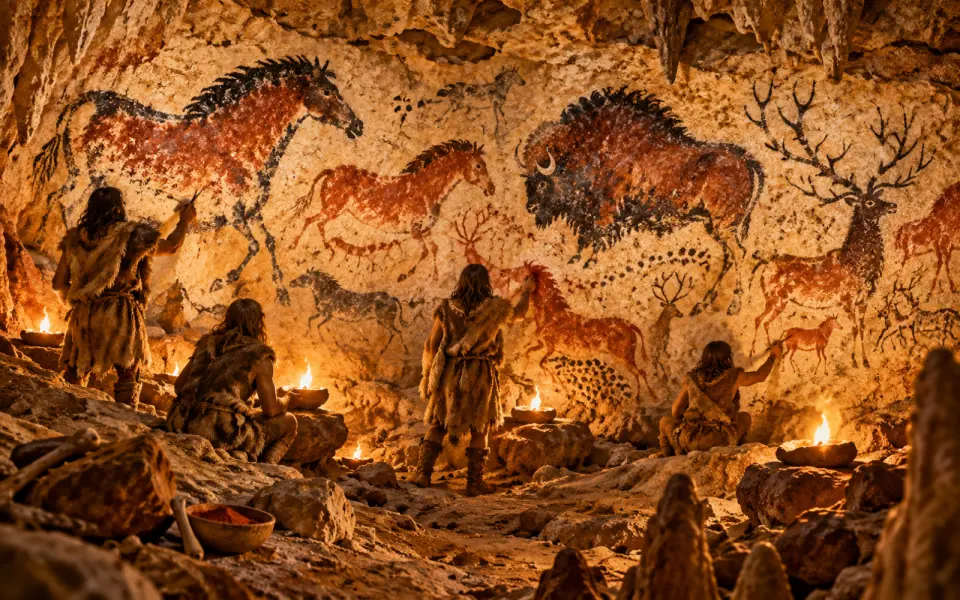
In short: first humans, fire, art, farming
Prehistory
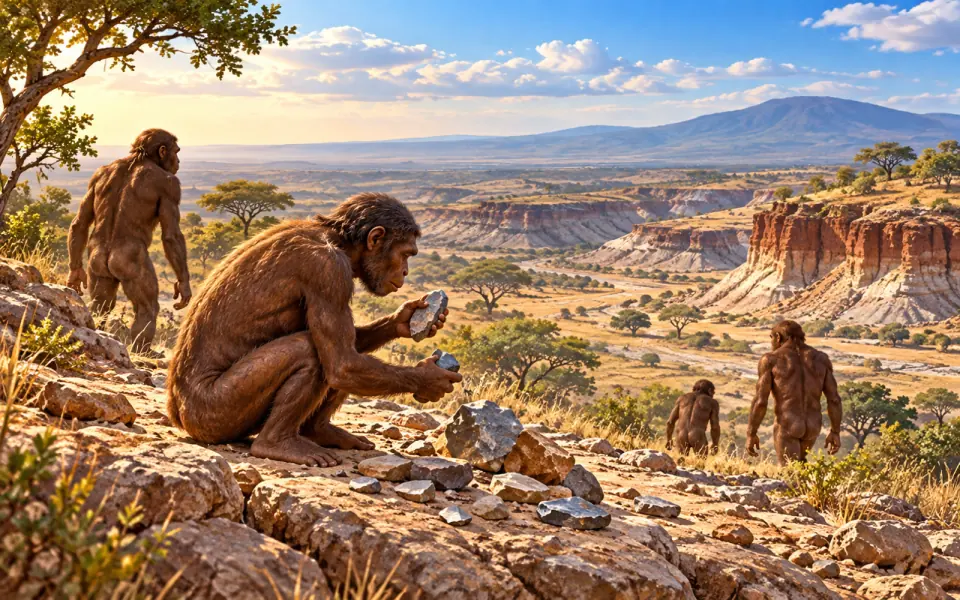
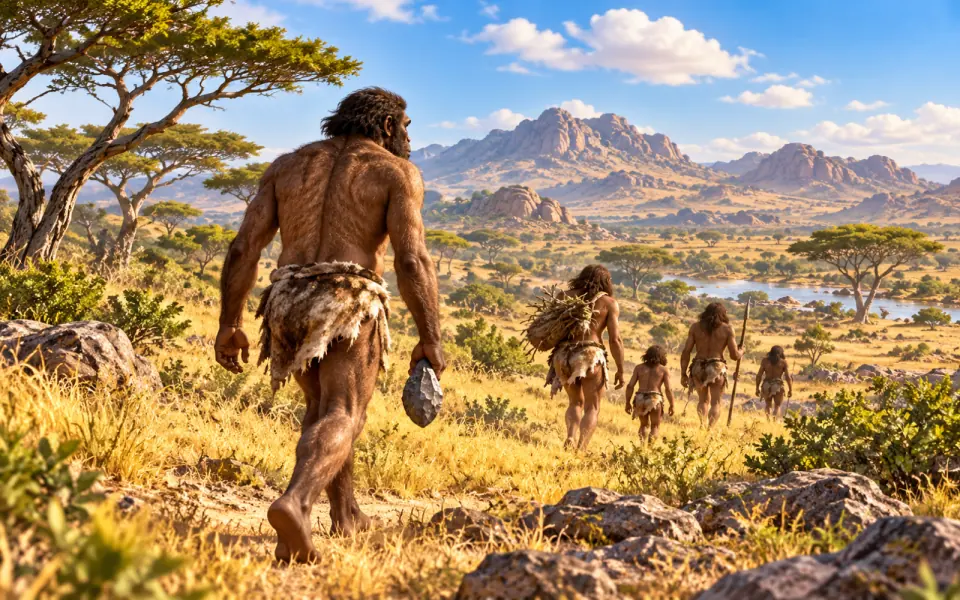
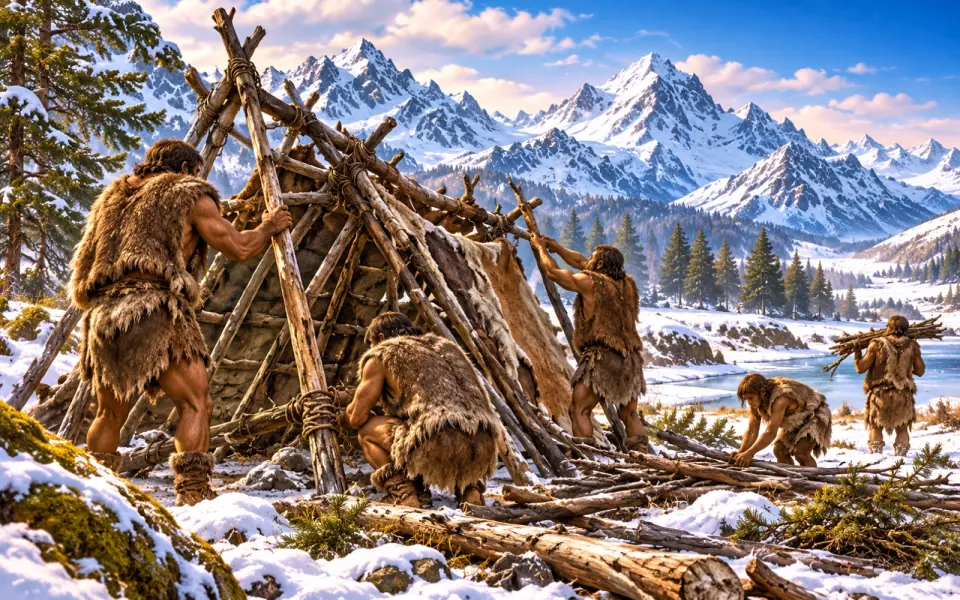
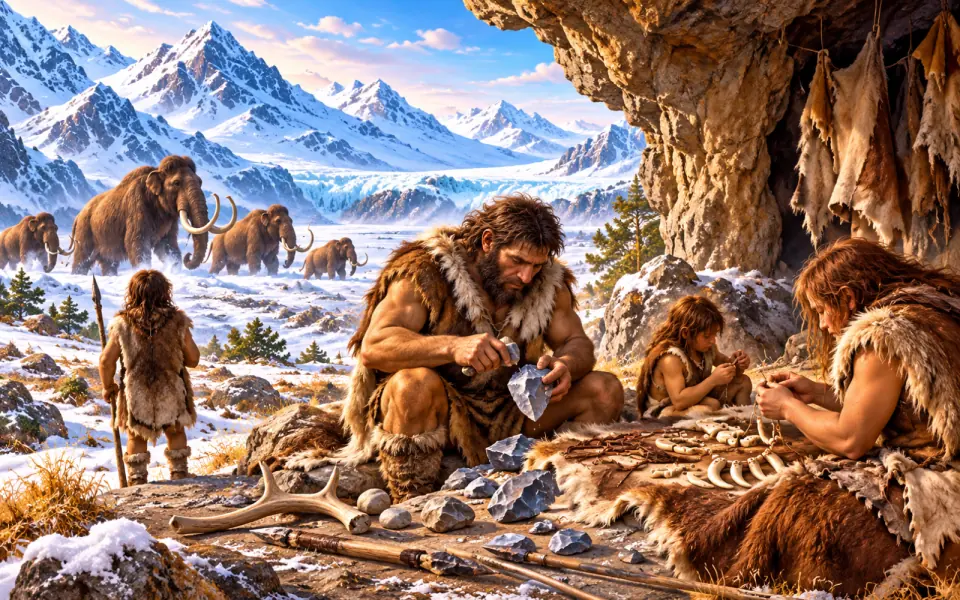
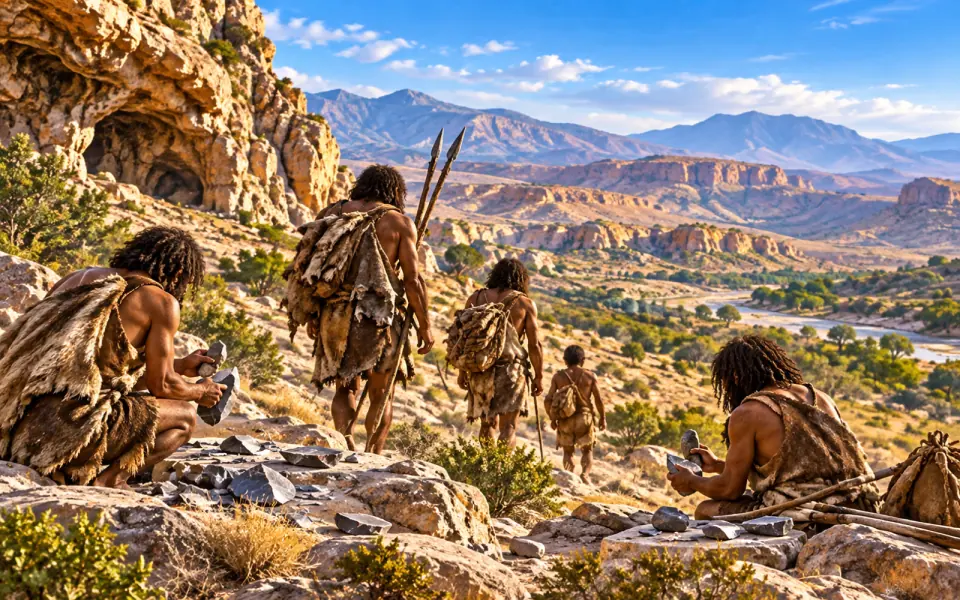
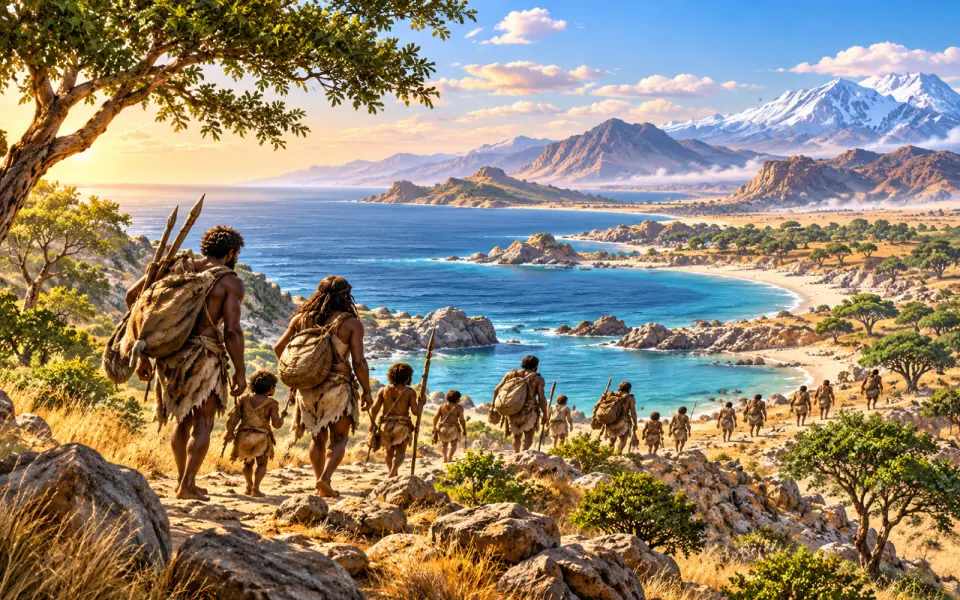
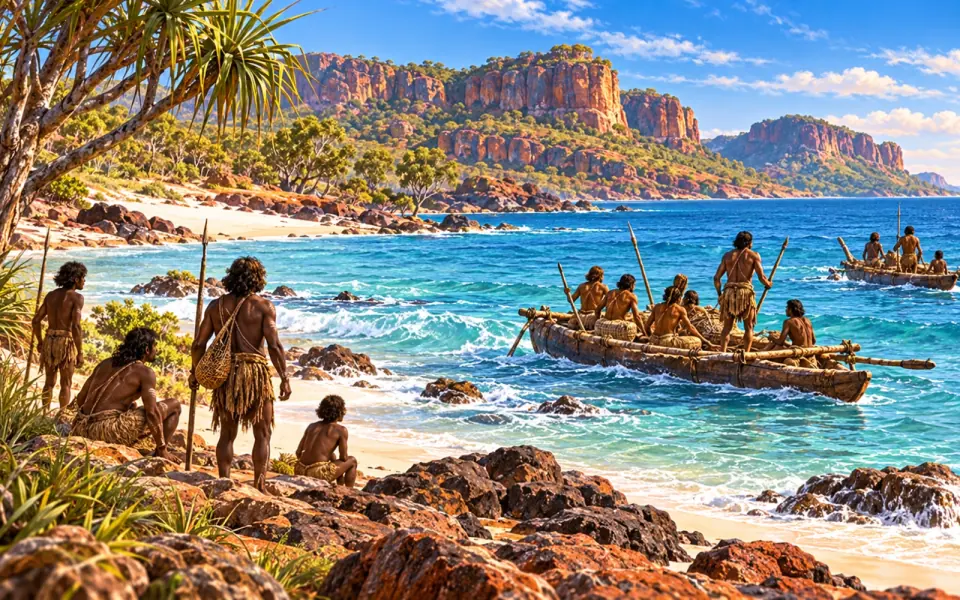
Prehistory
This era has no events on this theme.
Prehistory
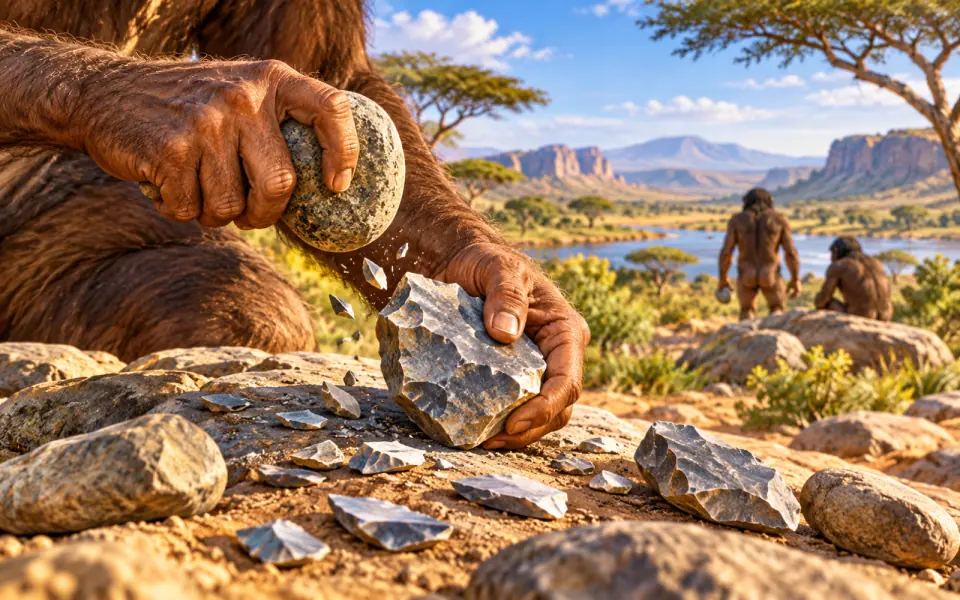
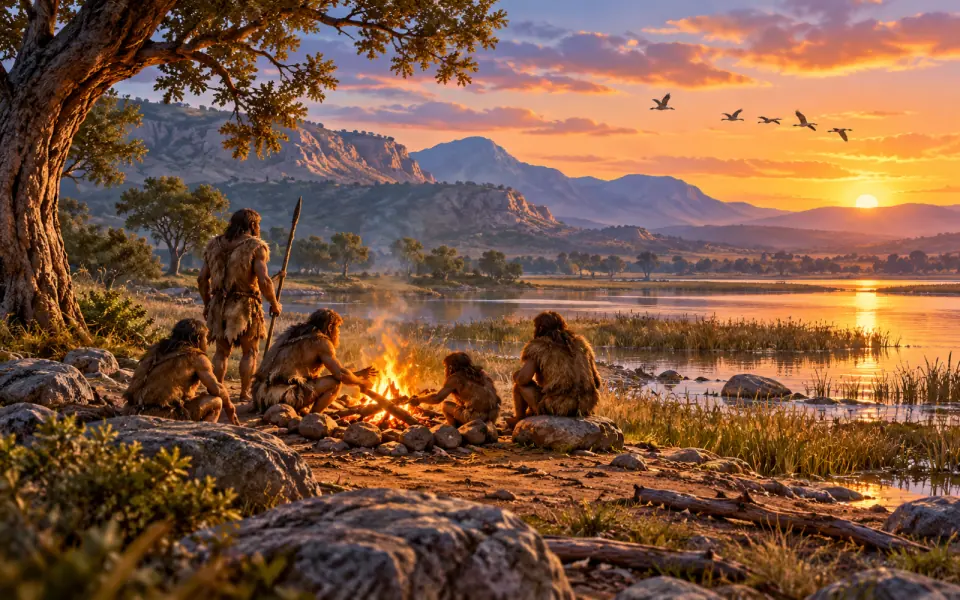
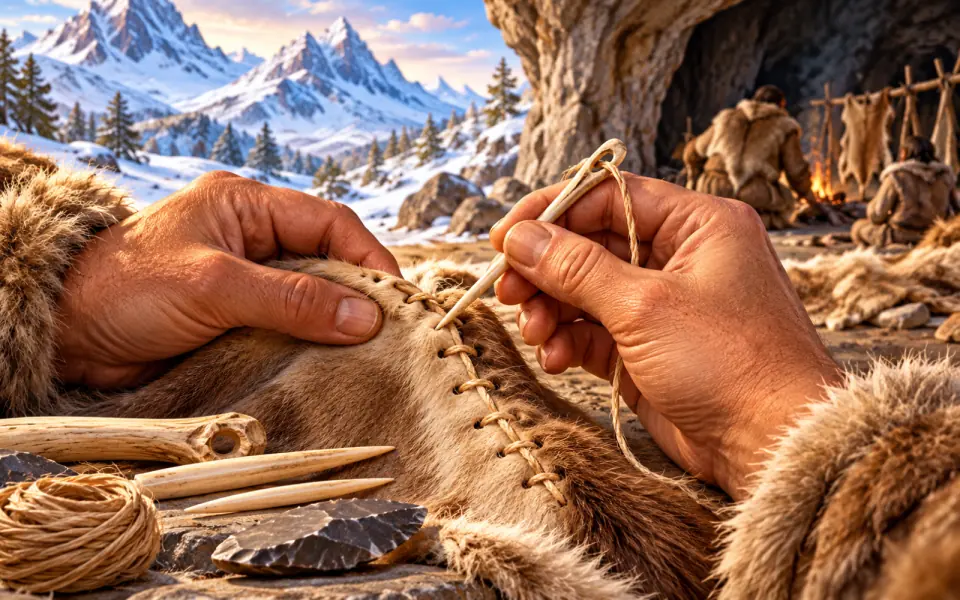
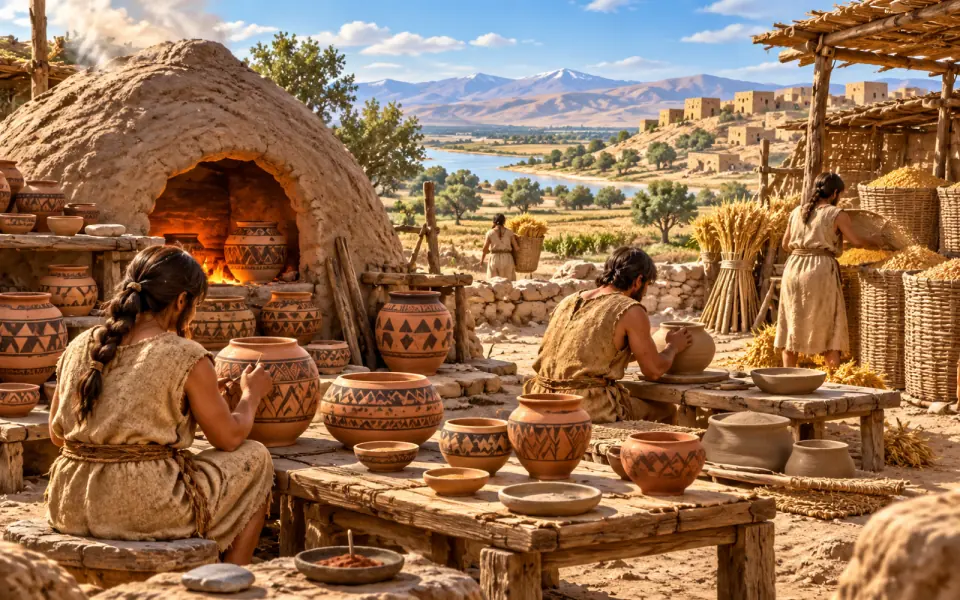
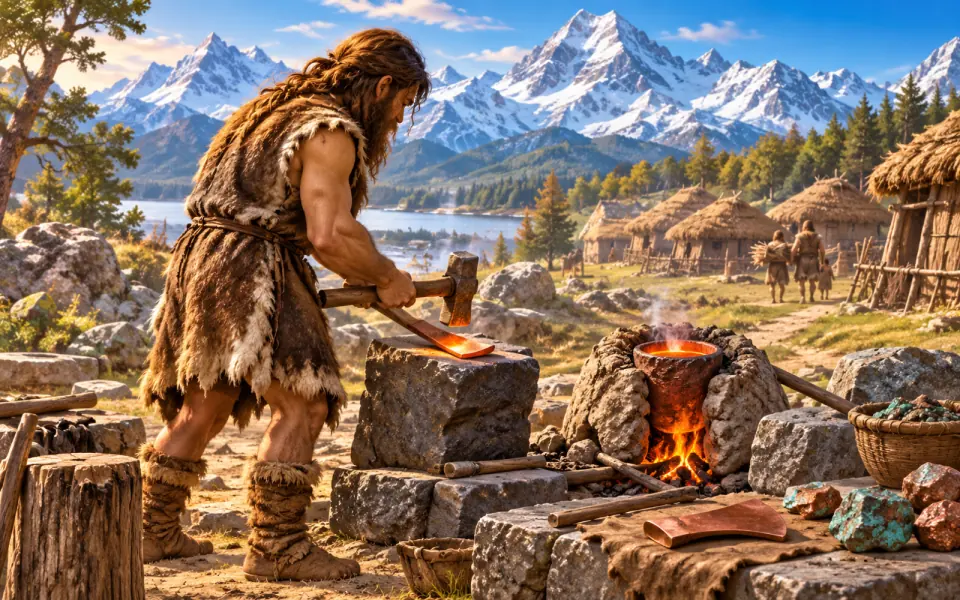
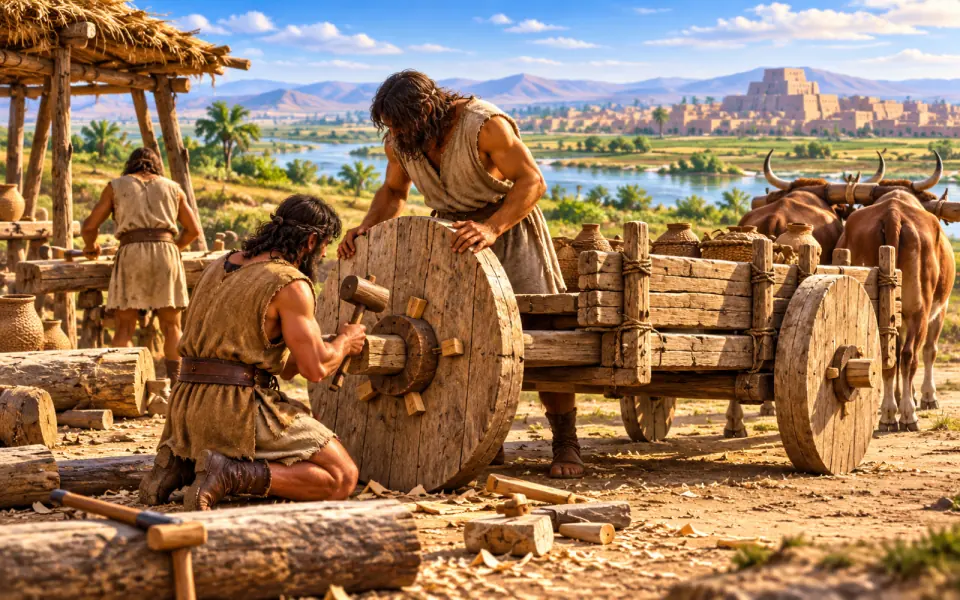
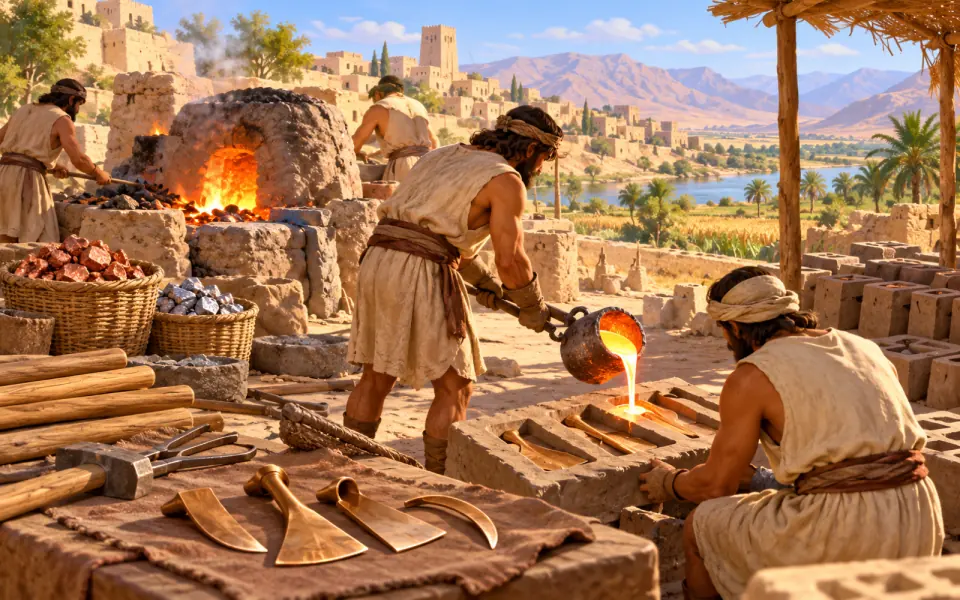
Prehistory
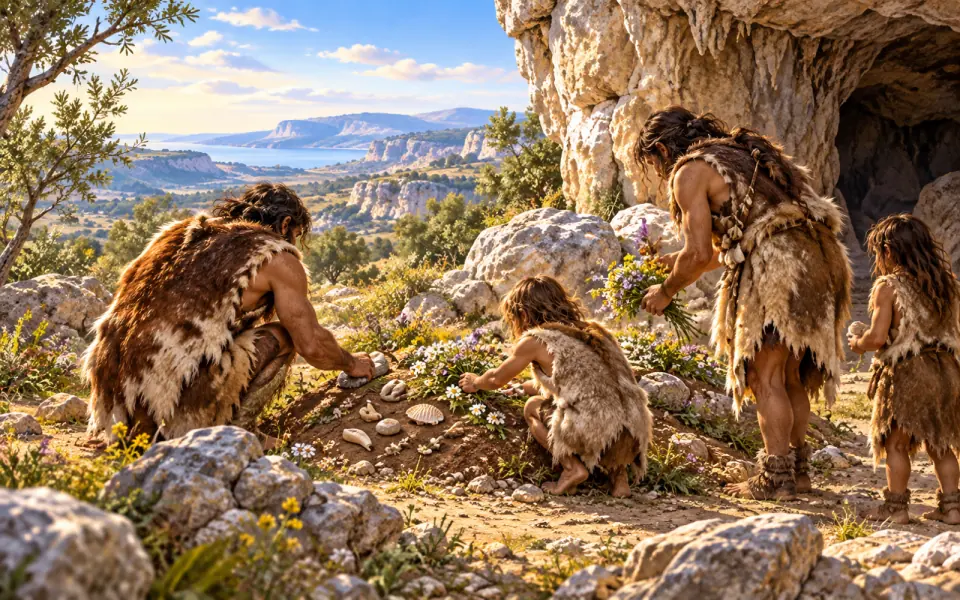
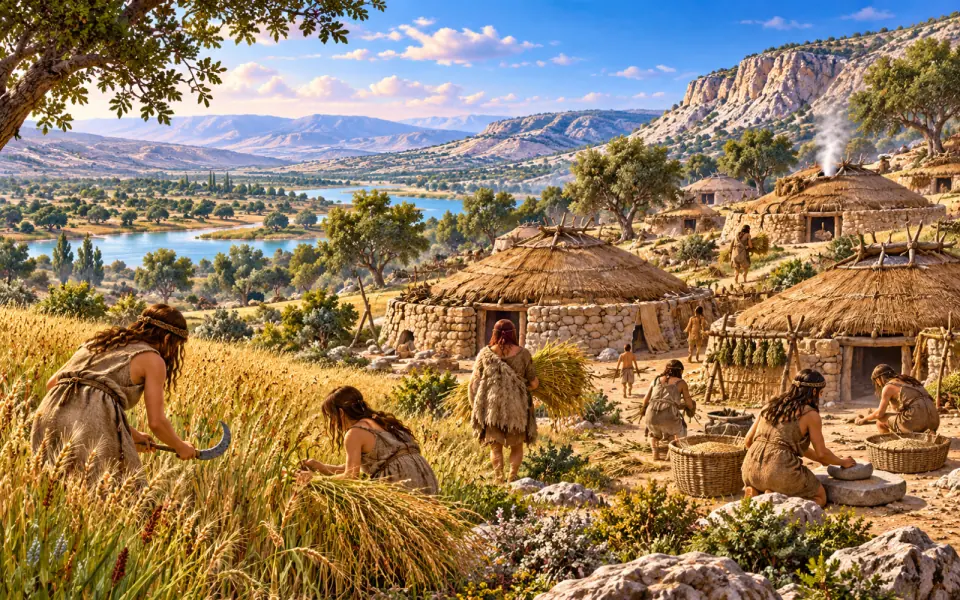
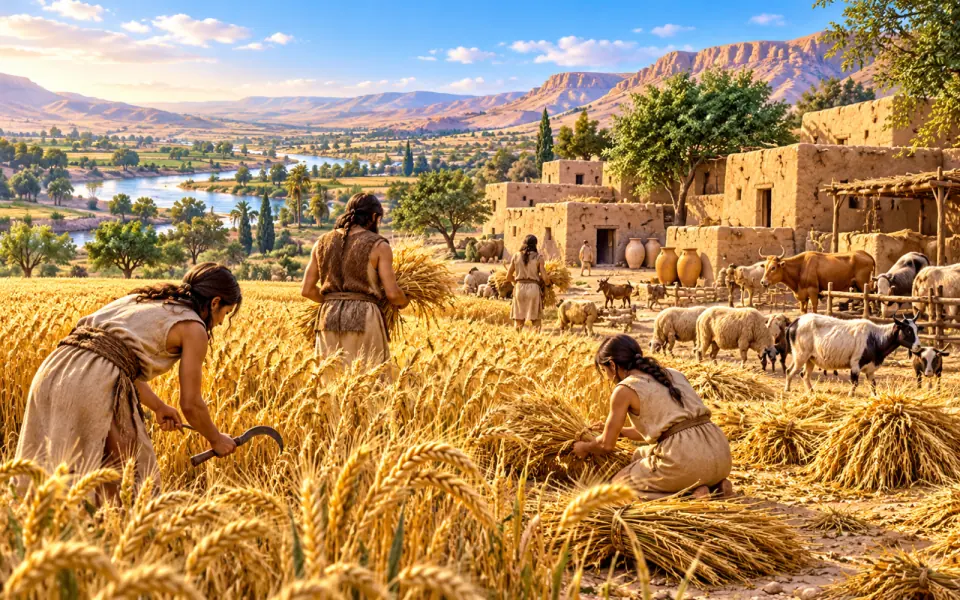
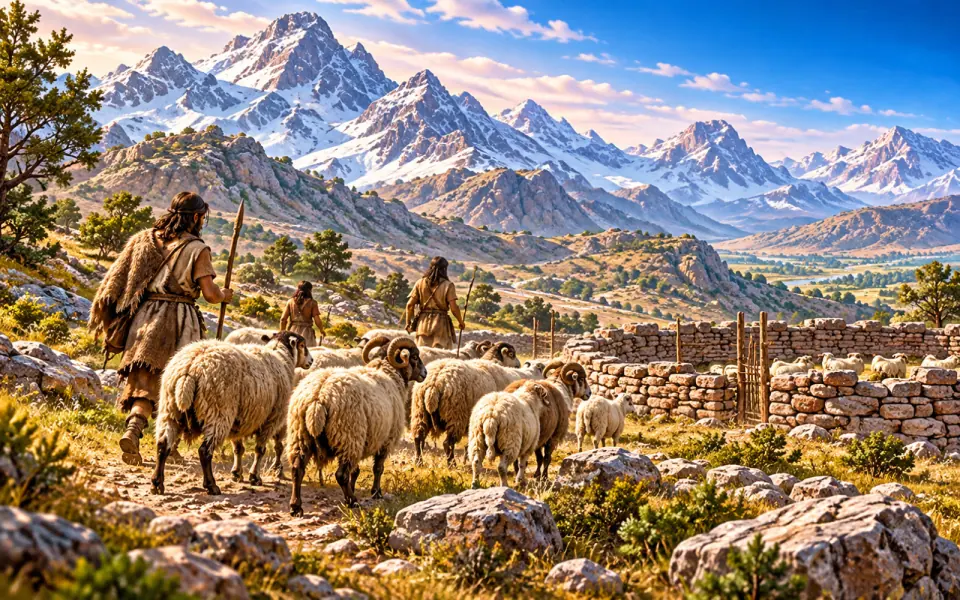
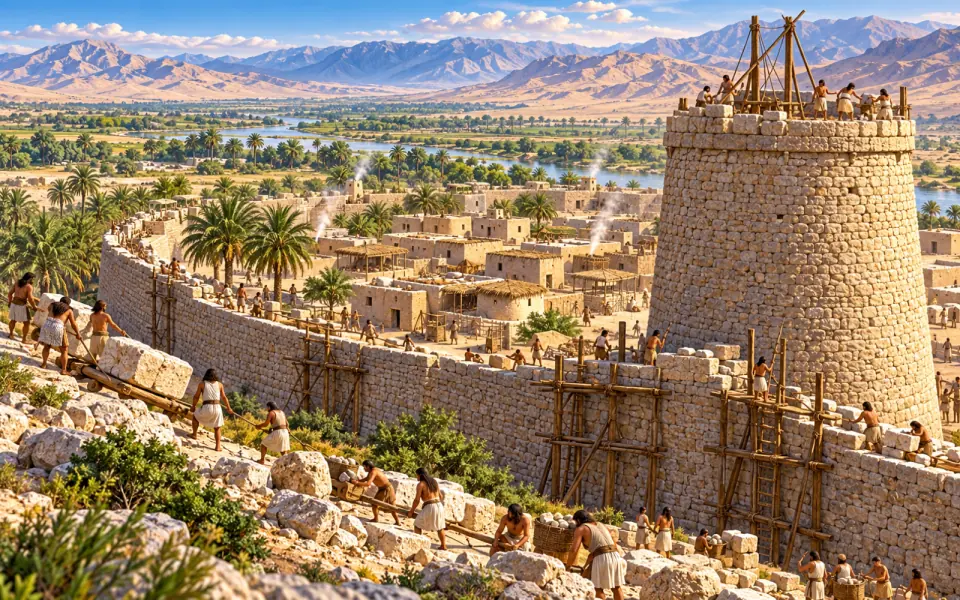
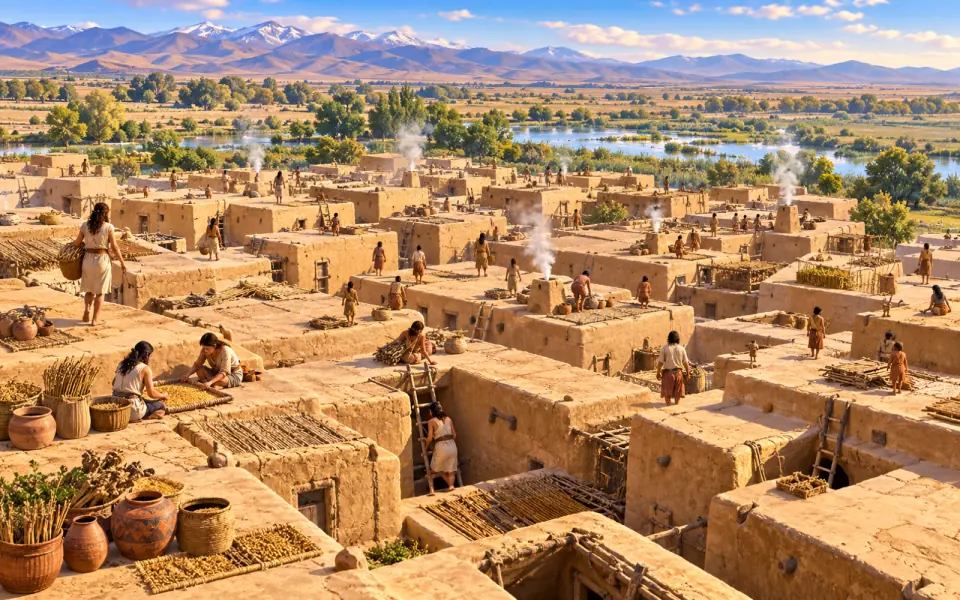
Prehistory
- In the DNA of many people living outside Africa today there is a tiny piece, around 1-2 per cent, inherited from the Neanderthals.
- Ötzi, the Iceman found on the Similaun glacier, had more than 60 tattoos on his skin, made with small cuts and charcoal dust: they are among the oldest we know of.
- The first tamed animal was not the sheep but the dog, which was already living alongside humans more than 15,000 years ago.
3 · River civilisations
from about 3500 to 1200 BC
School year (Italy): primary year 4
In short: Sumerians, Egyptians, Indus, China: cities and writing
River civilisations
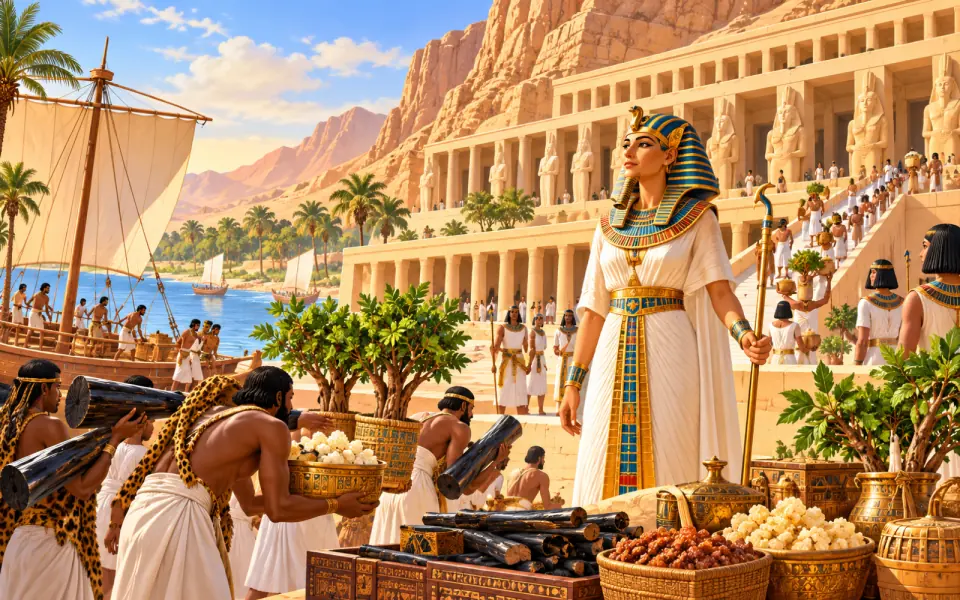
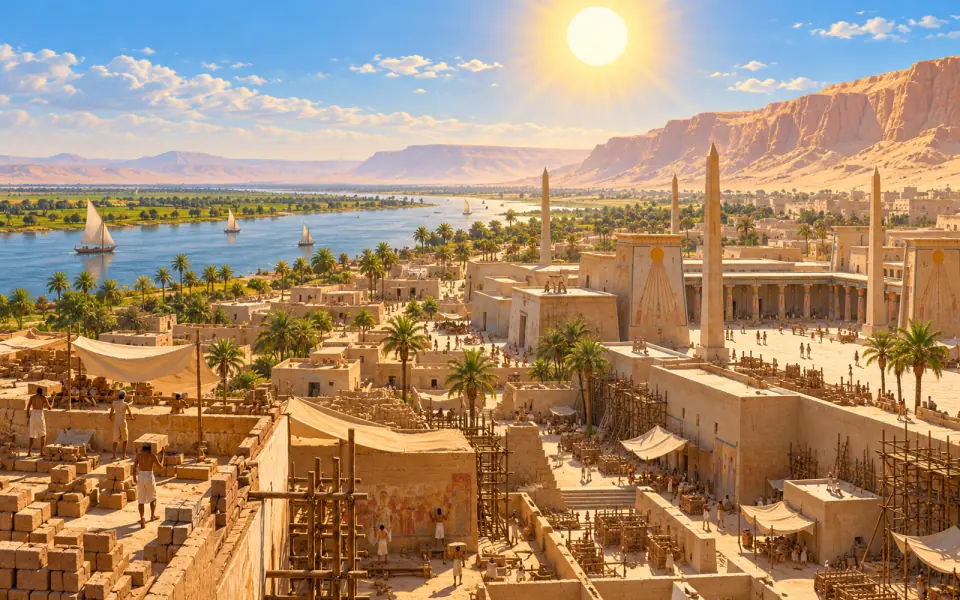
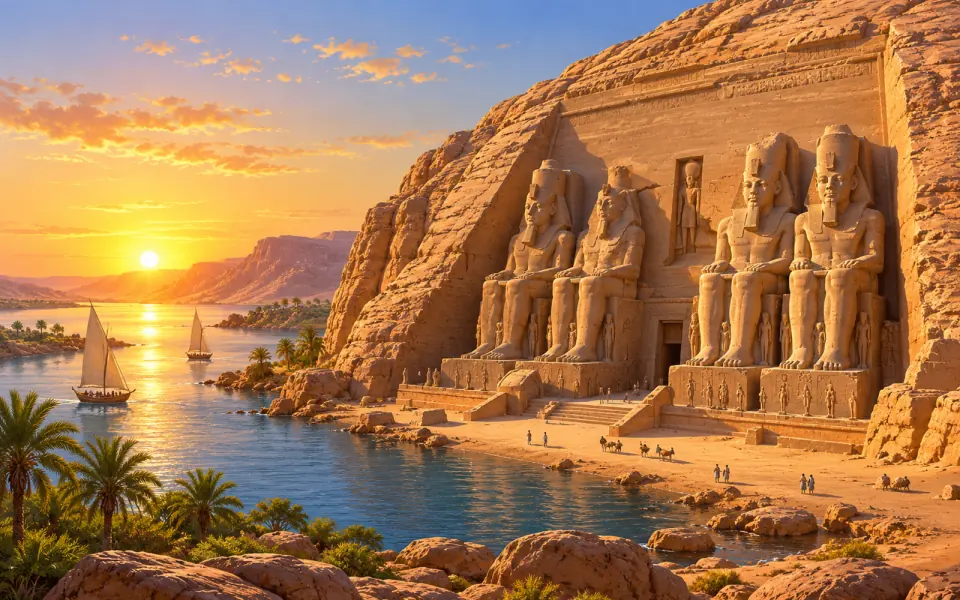
River civilisations
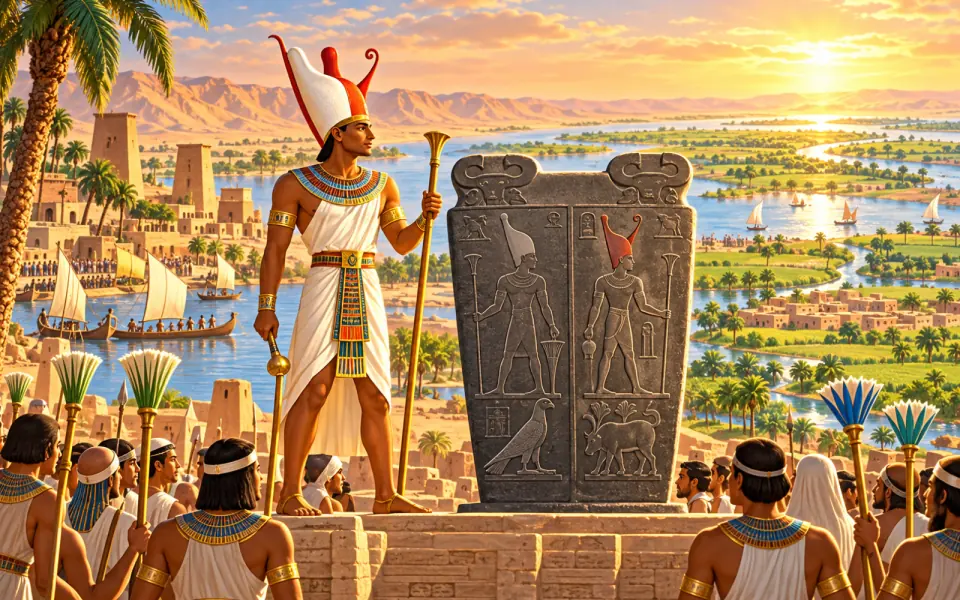
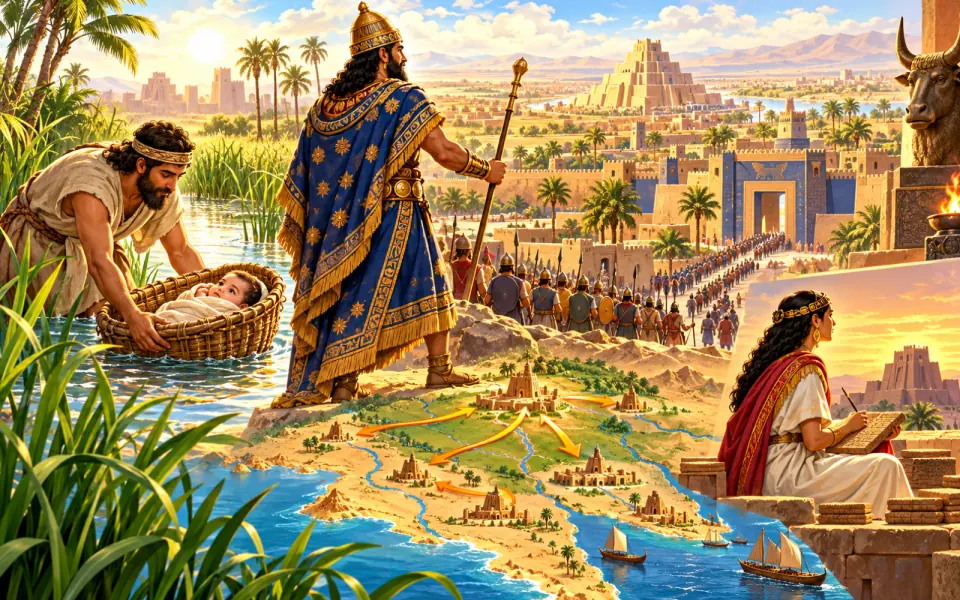
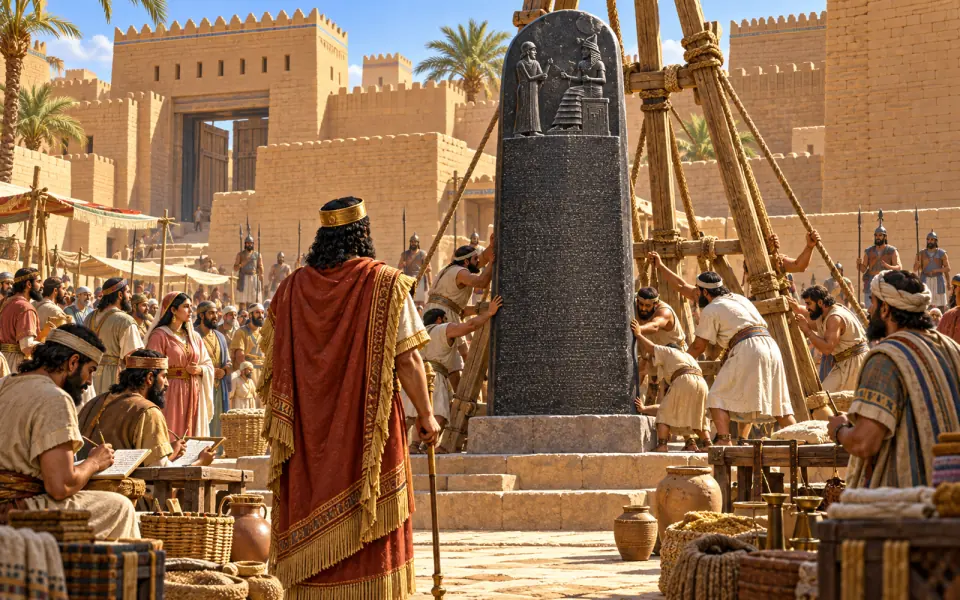
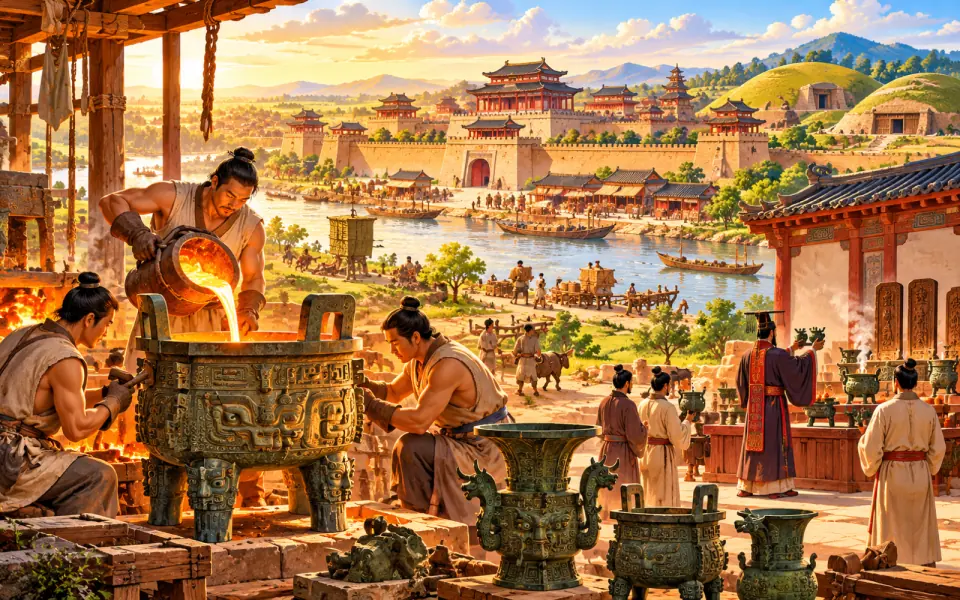
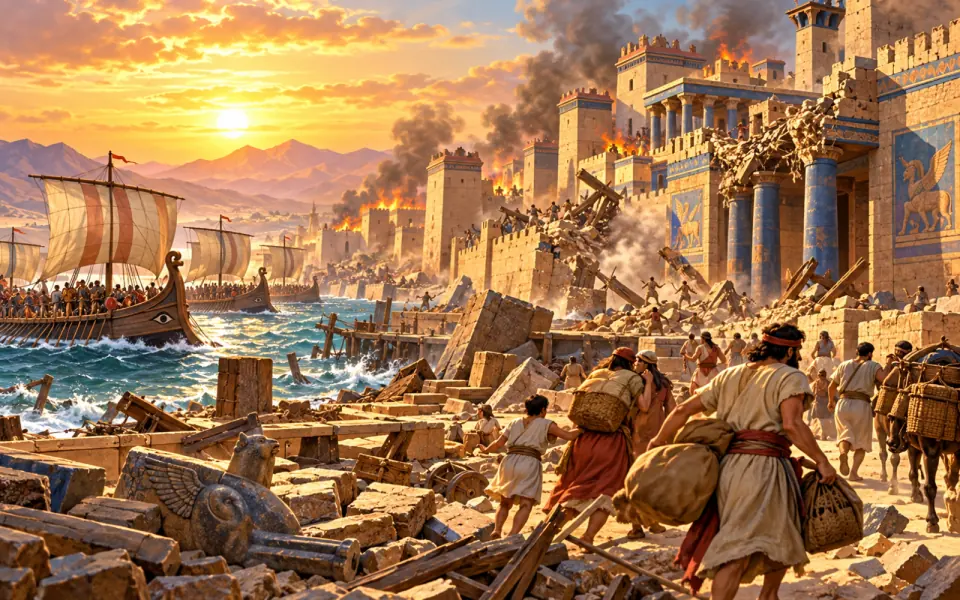
River civilisations
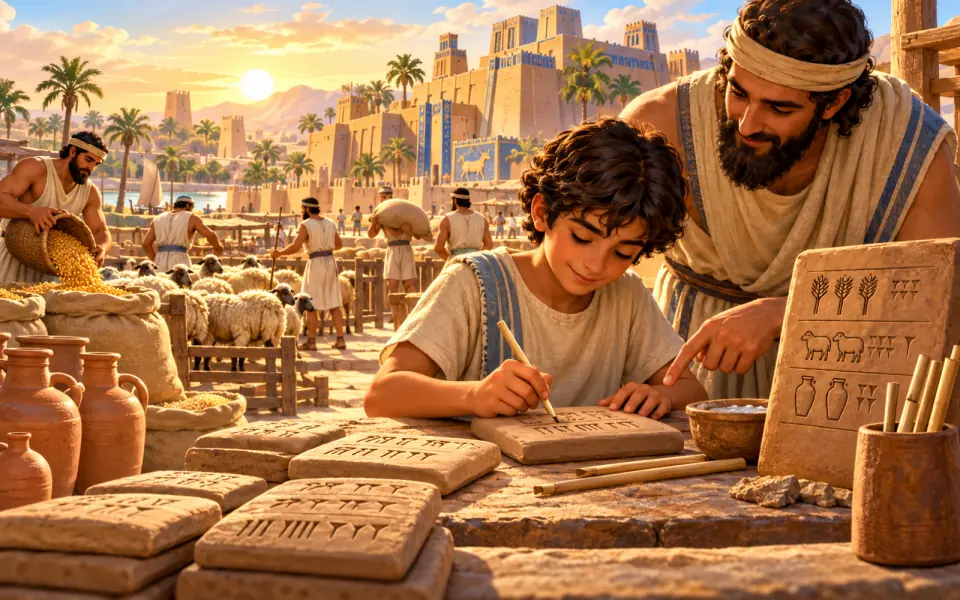
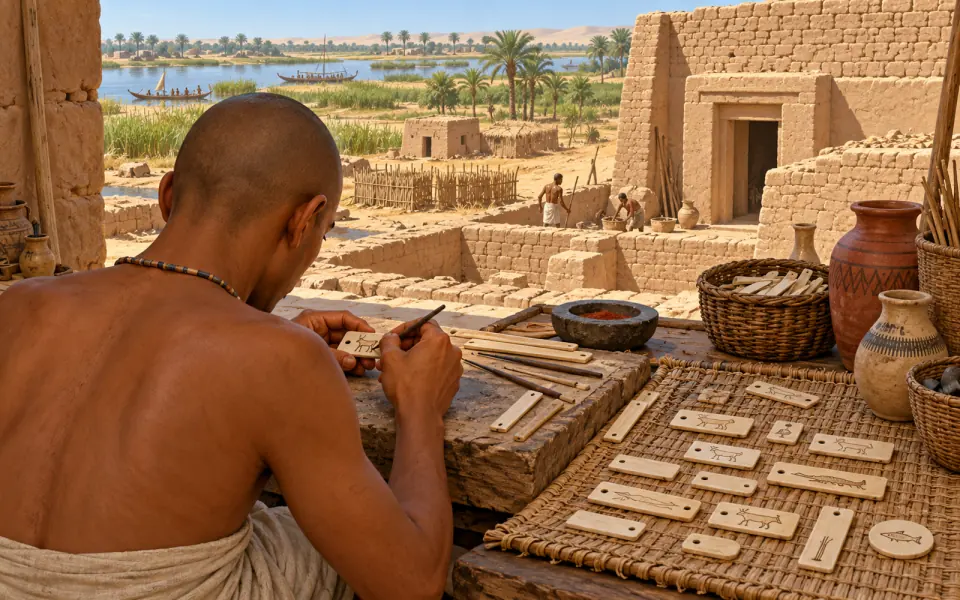
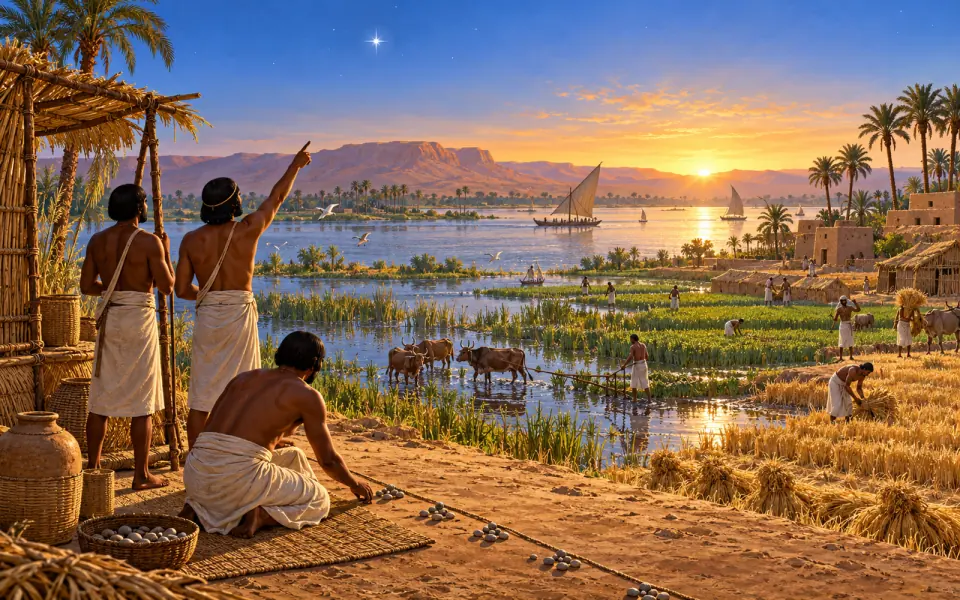
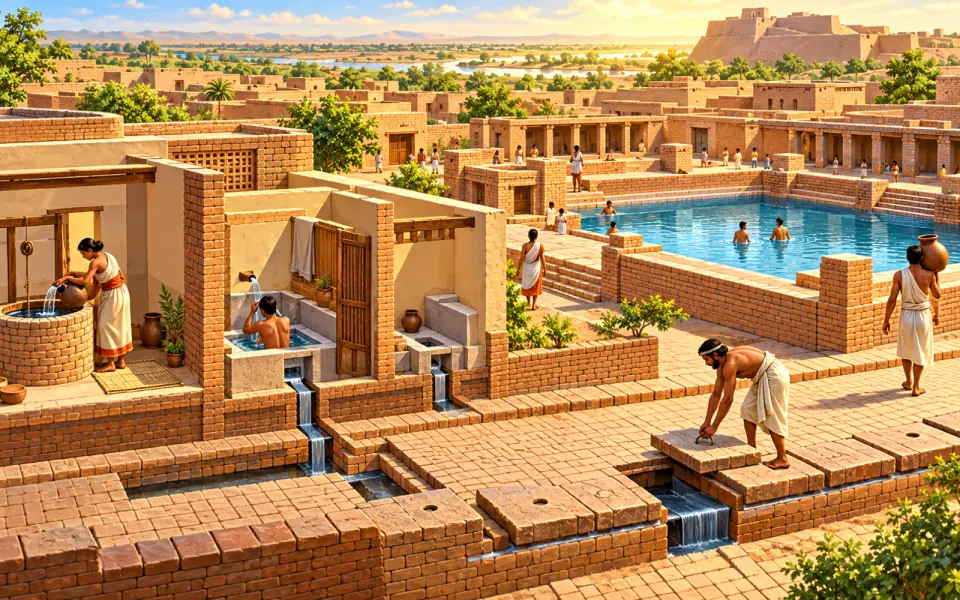
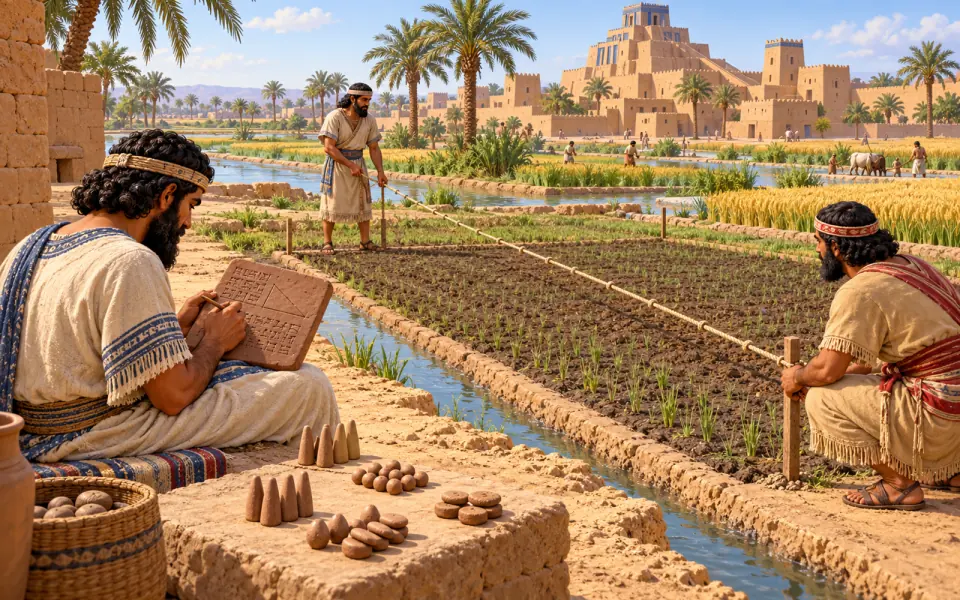
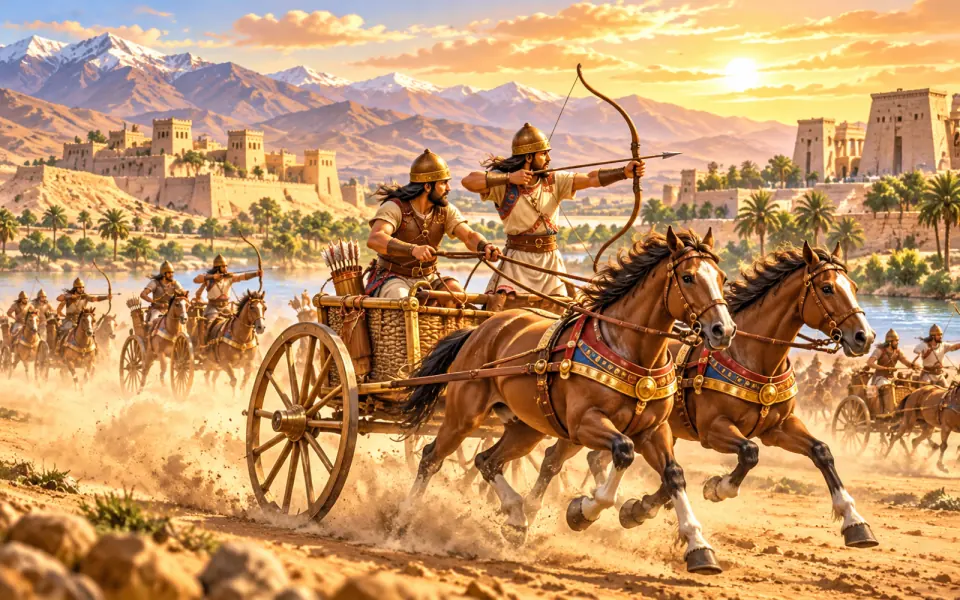
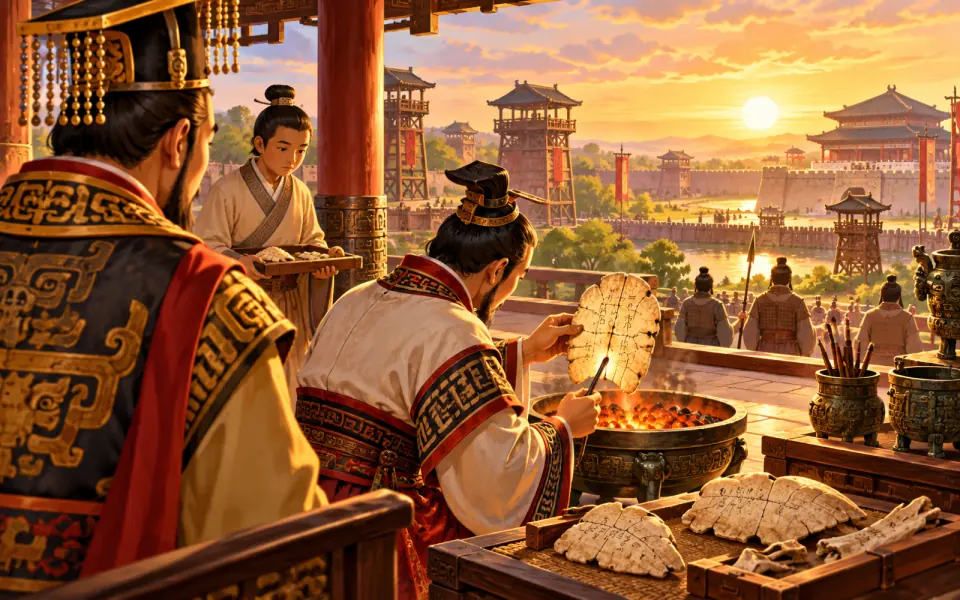
River civilisations
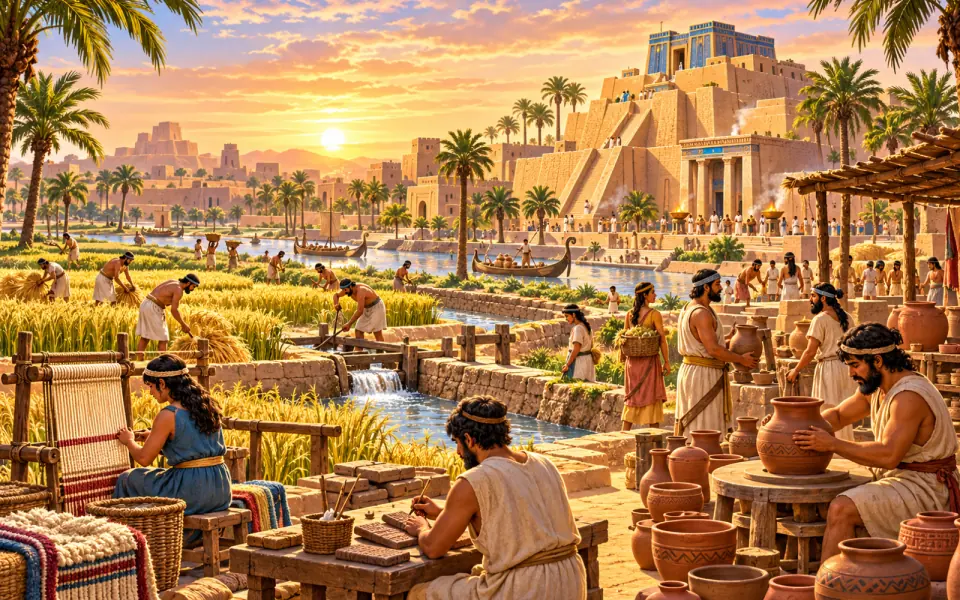
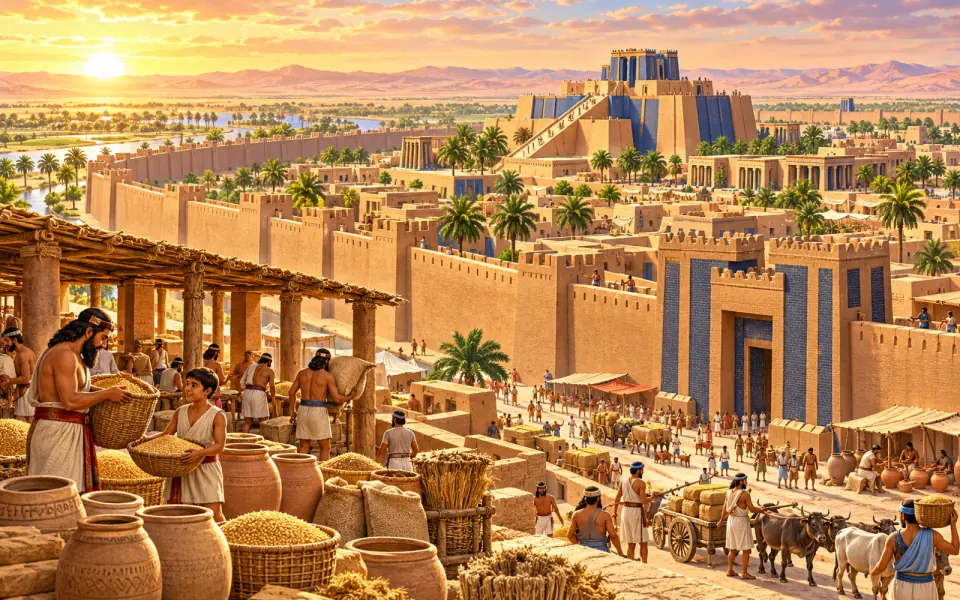
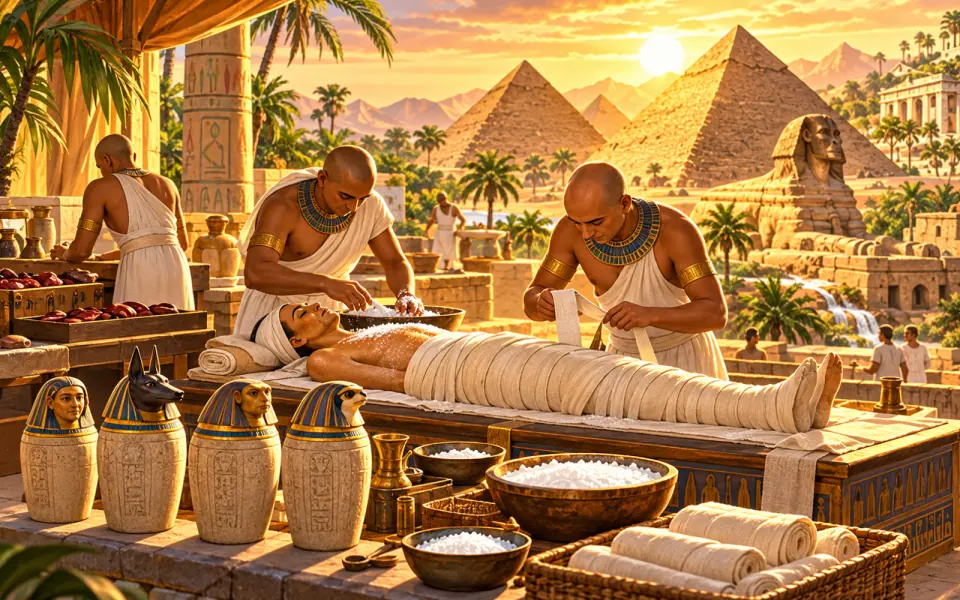
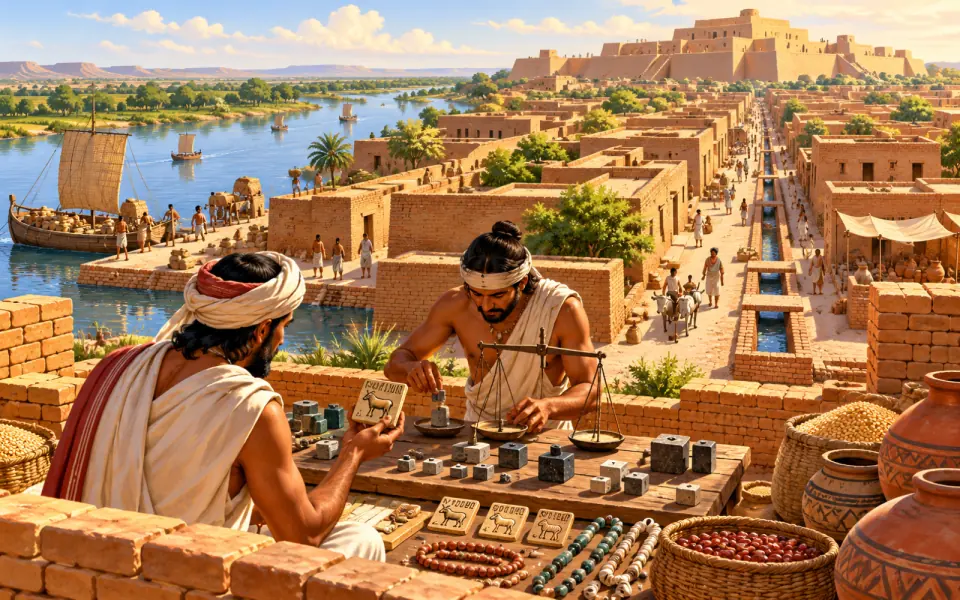
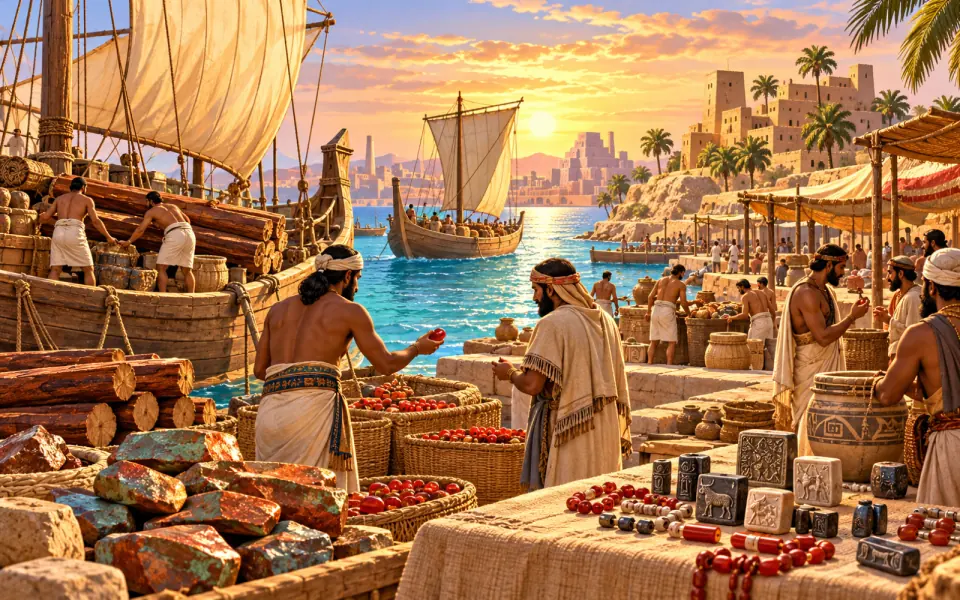
River civilisations
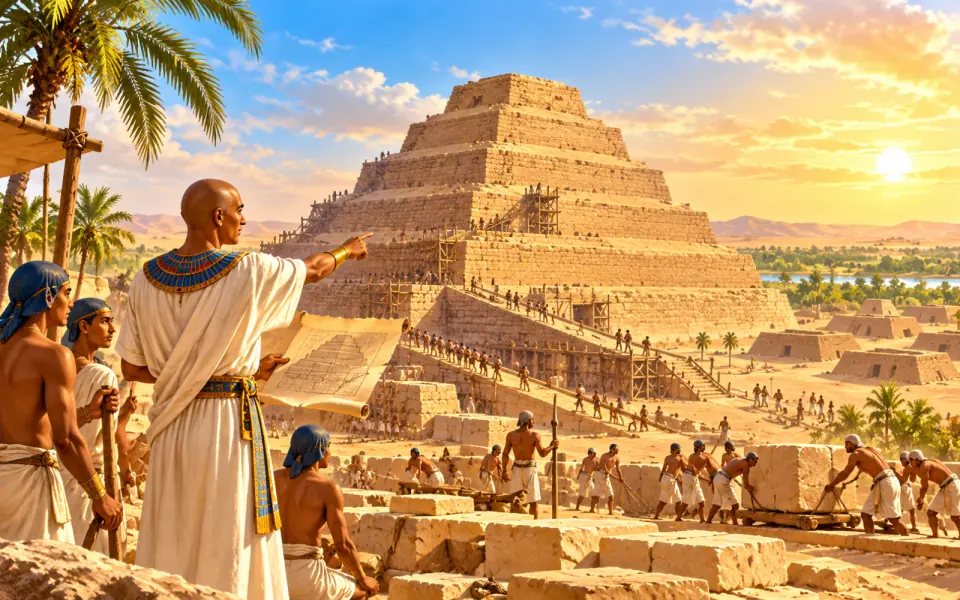
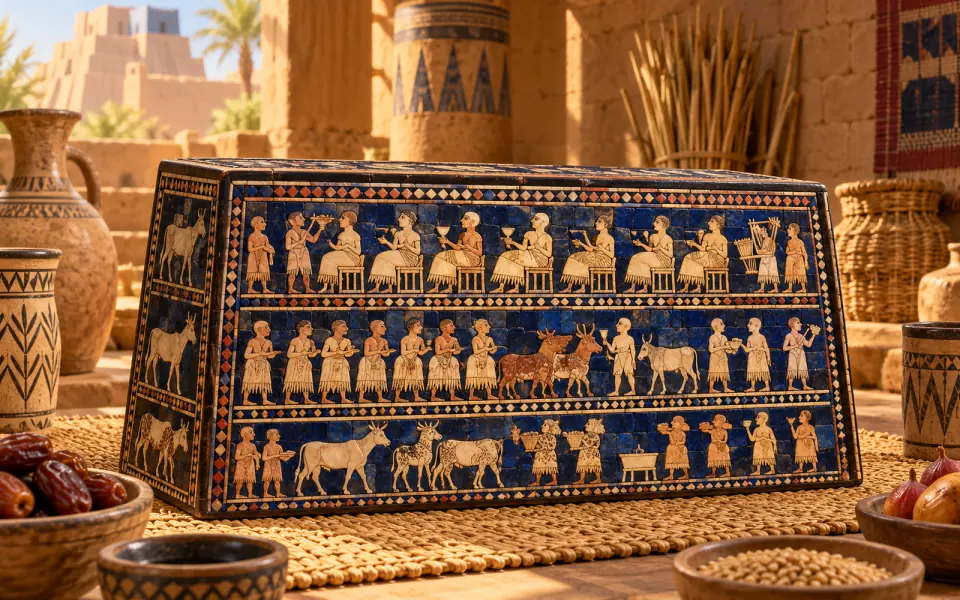
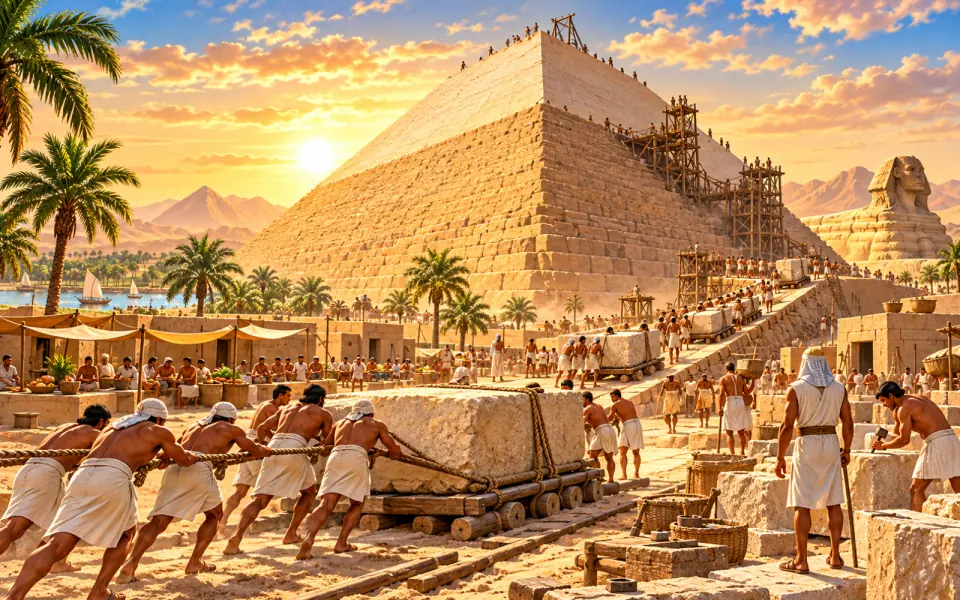
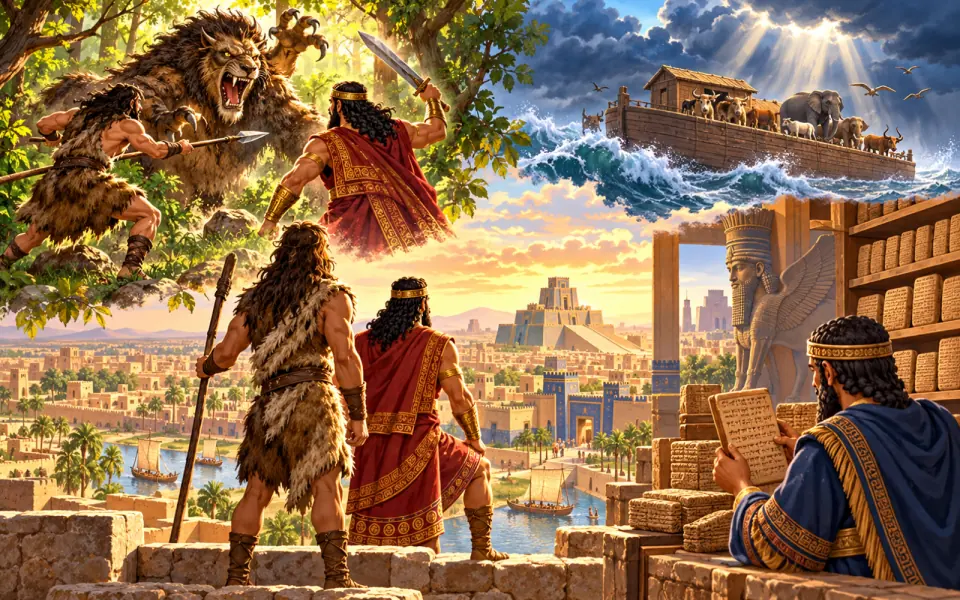
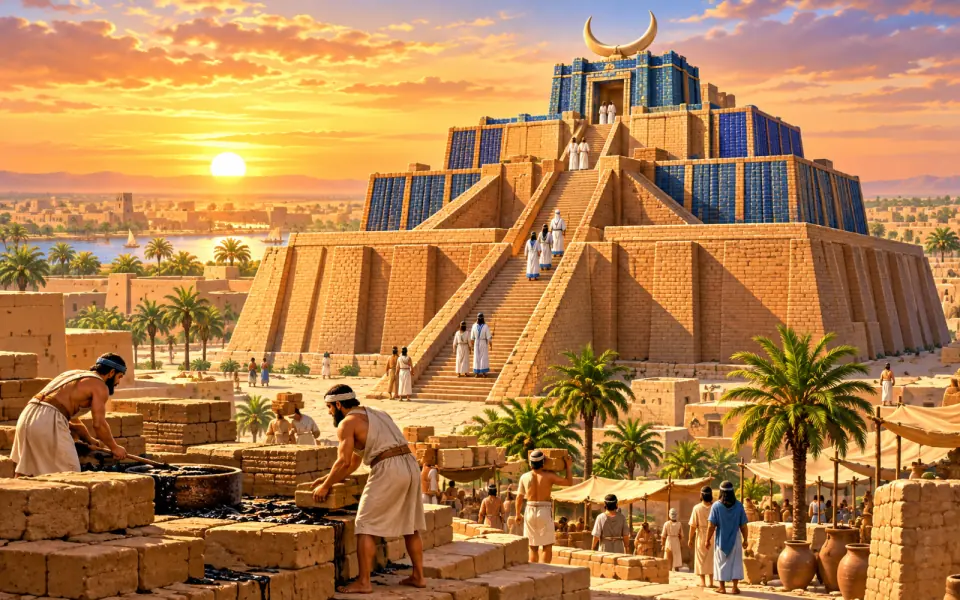
- Sumerian pupils went to a school called the ‘tablet house’, and on some tablets you can still read their exercises, full of mistakes.
- The 60 minutes in an hour and the 60 seconds in a minute come to us from the Babylonians, who counted in groups of sixty.
- The pyramid workers were given bread and beer every day: in ancient Egypt beer, which was only slightly alcoholic, was an everyday drink.
4 · Sea civilisations
from about 1200 to 800 BC
School year (Italy): primary year 4
In short: Minoans, Mycenaeans, Phoenicians, Hebrews, peoples of Italy
Sea civilisations
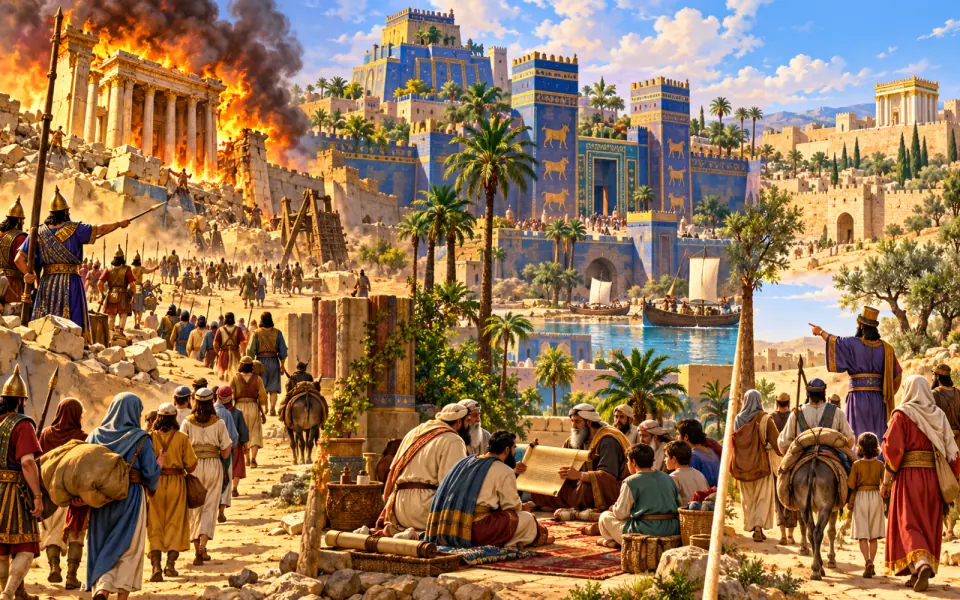
Sea civilisations
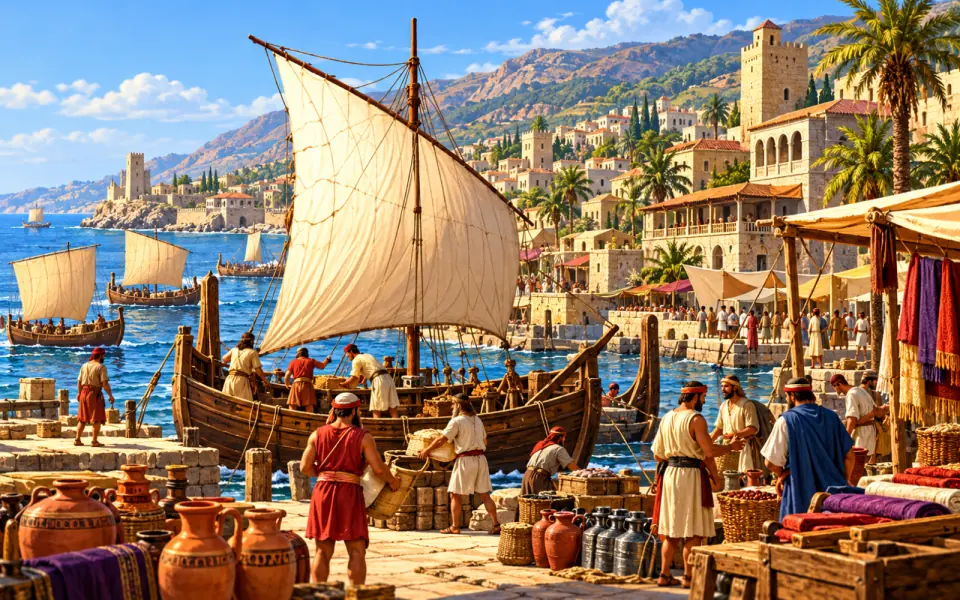
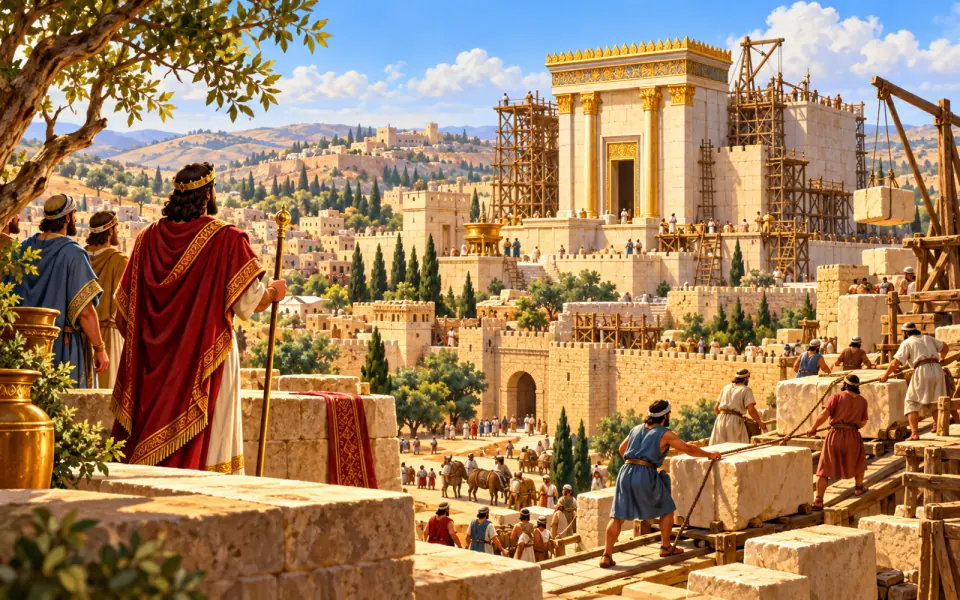
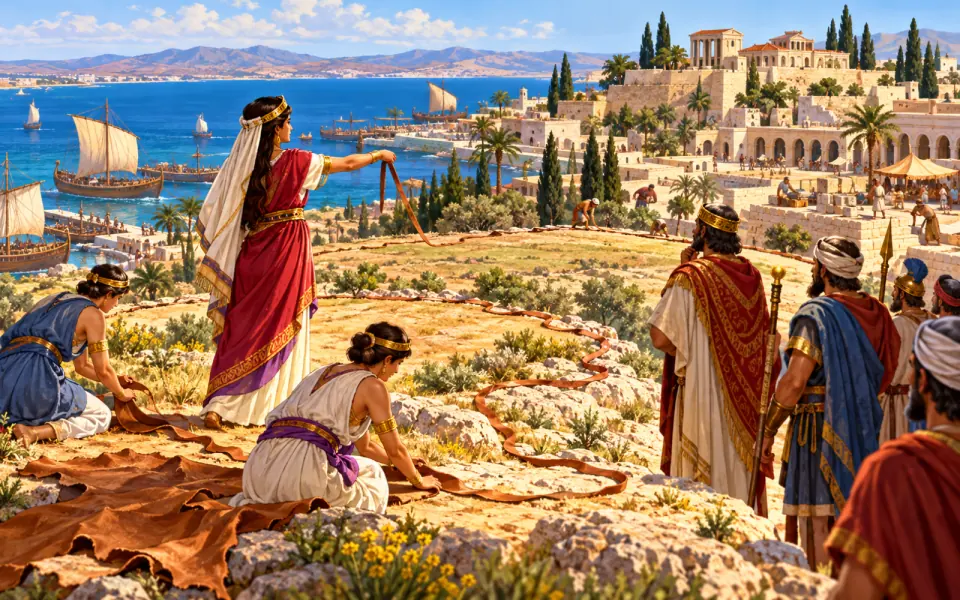
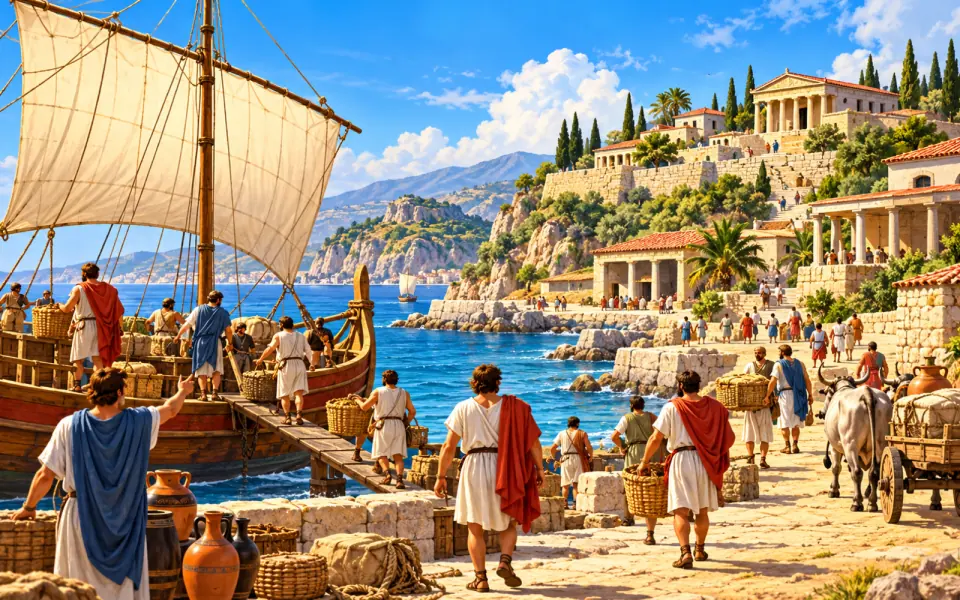
Sea civilisations
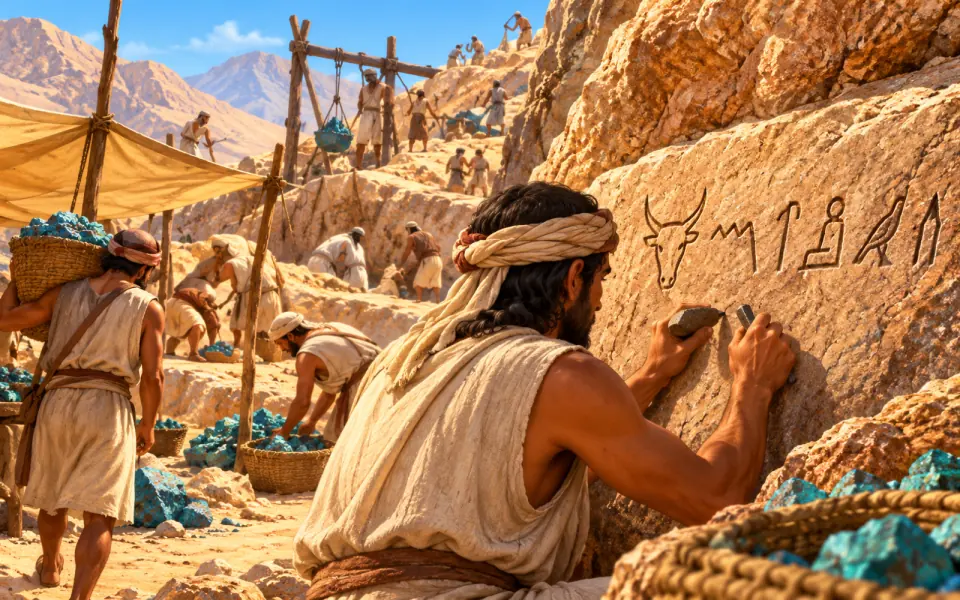
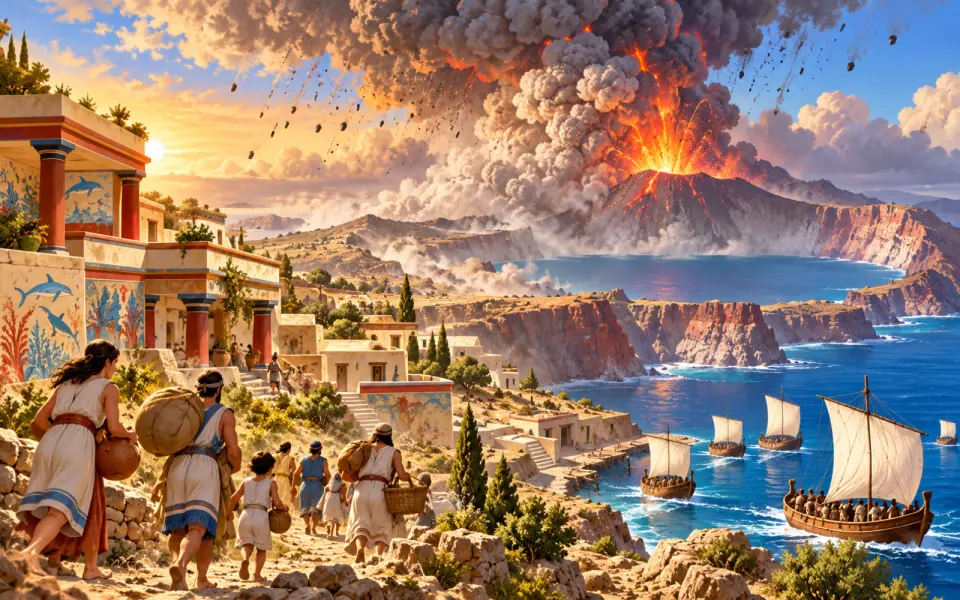
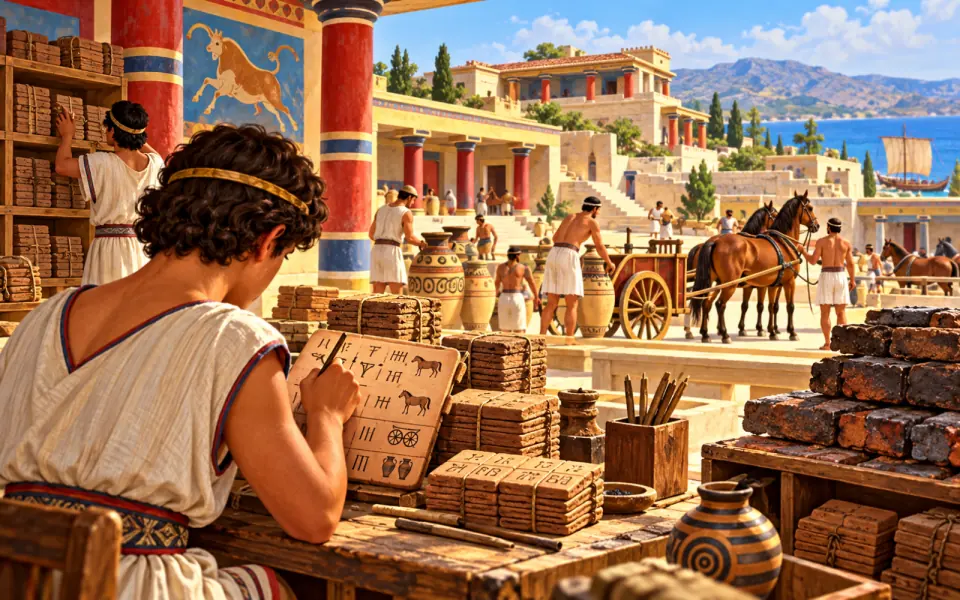
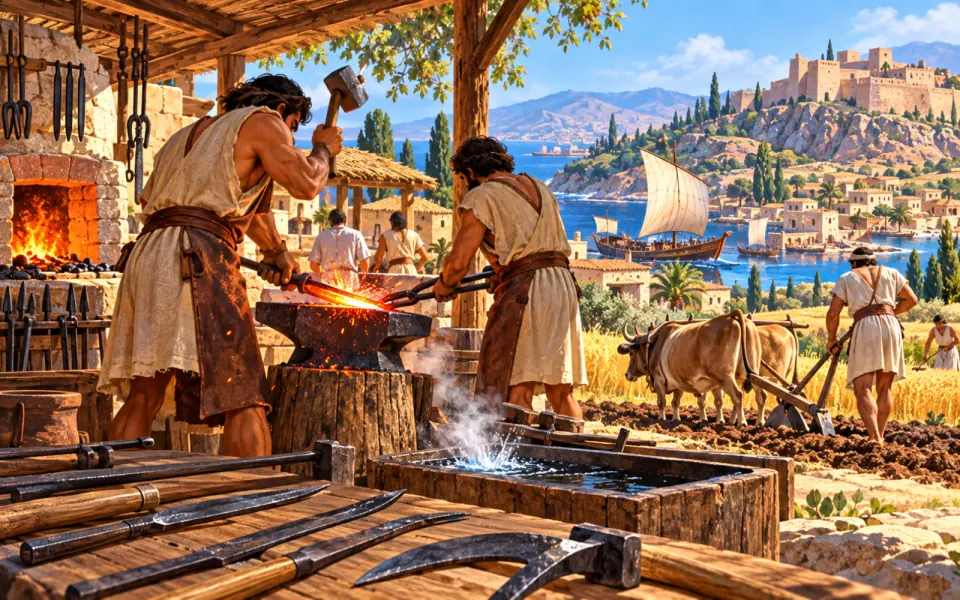
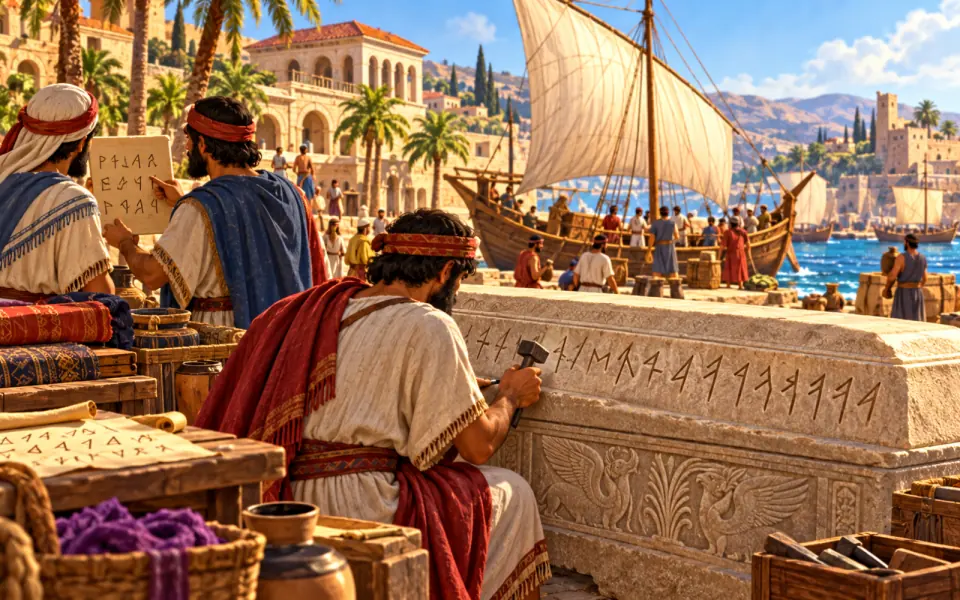
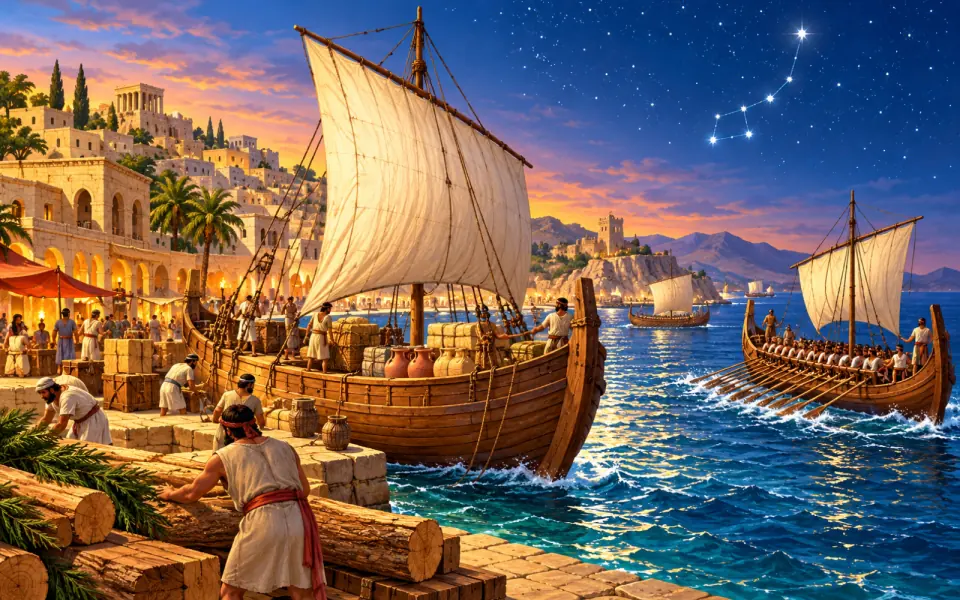
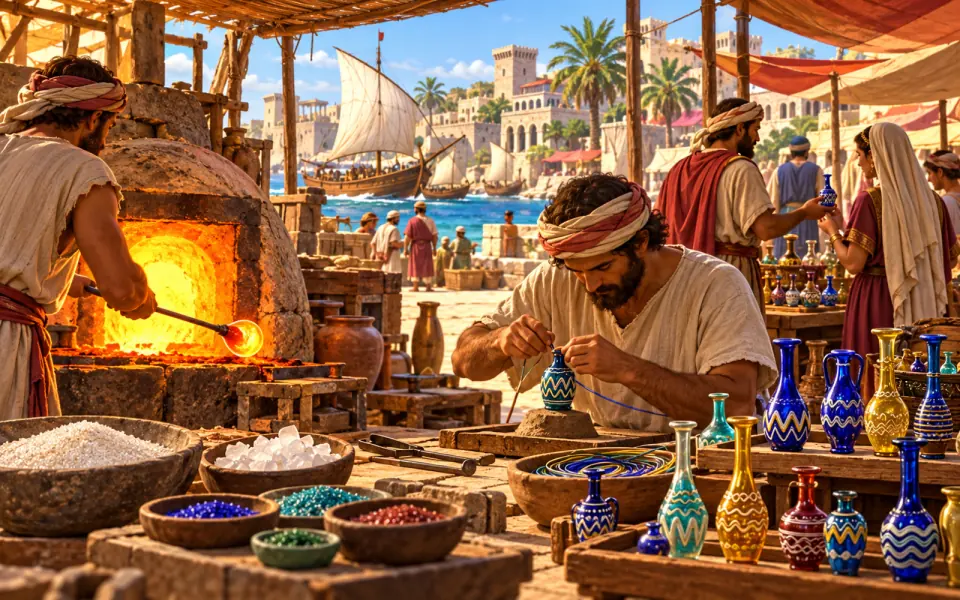
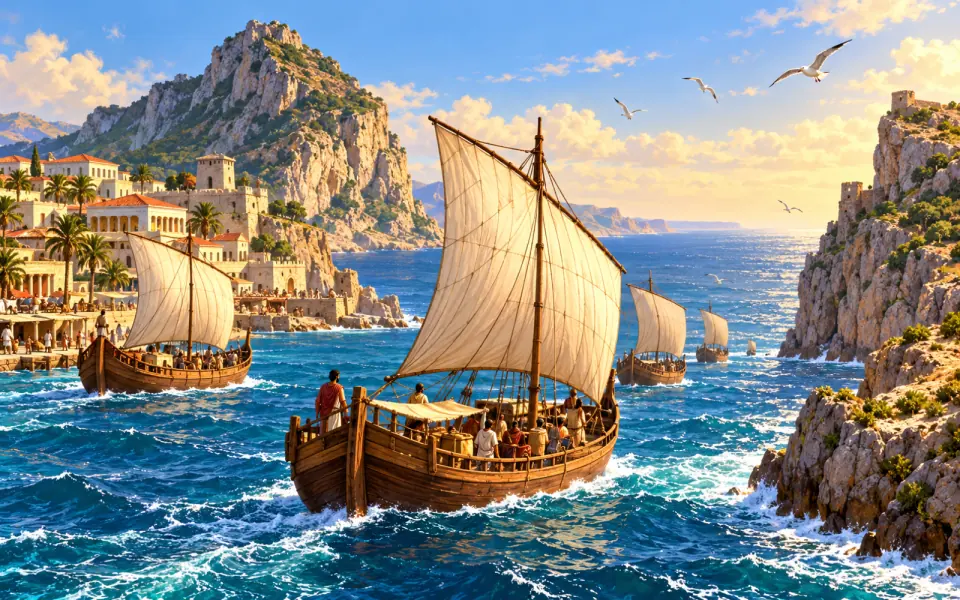
Sea civilisations
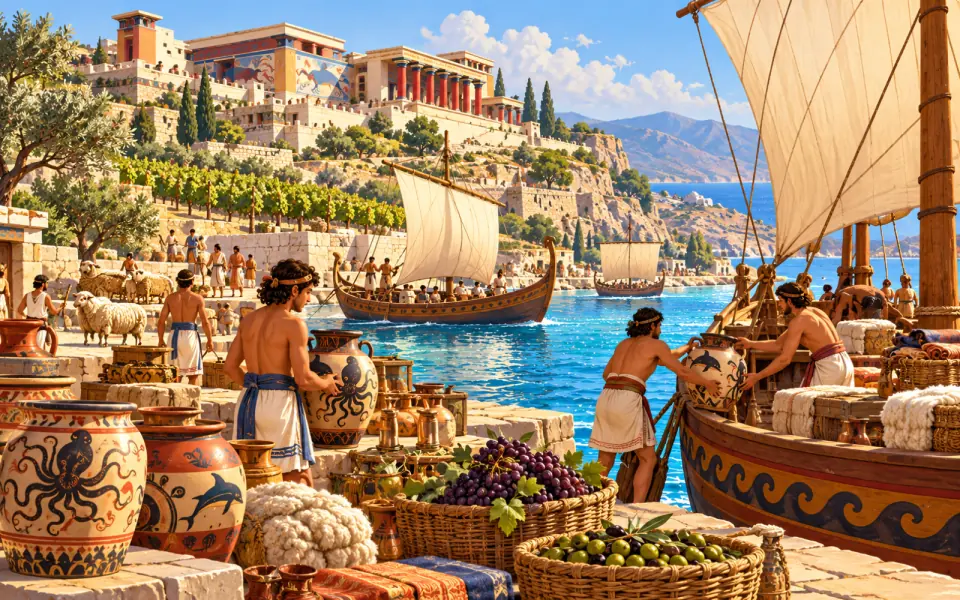
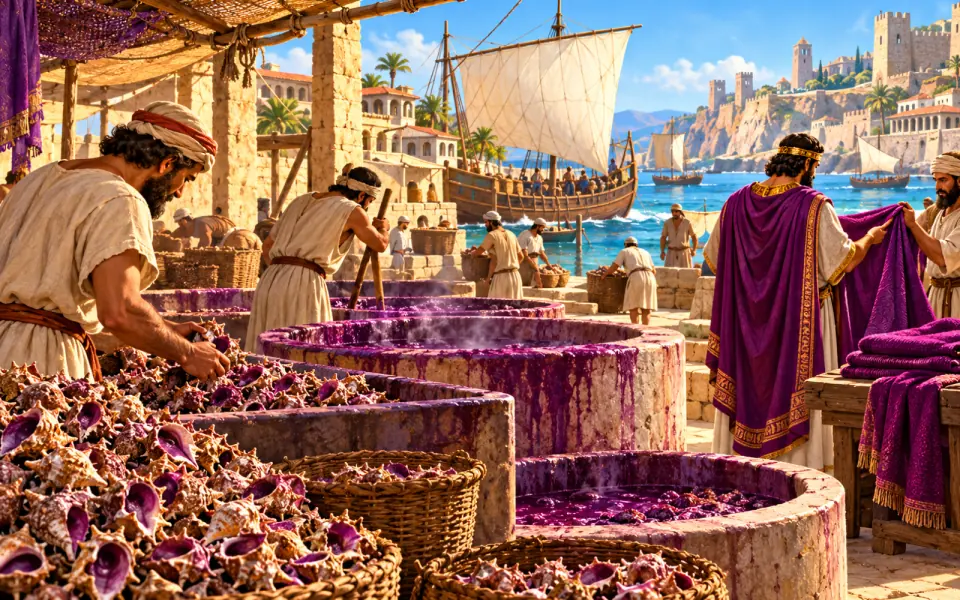
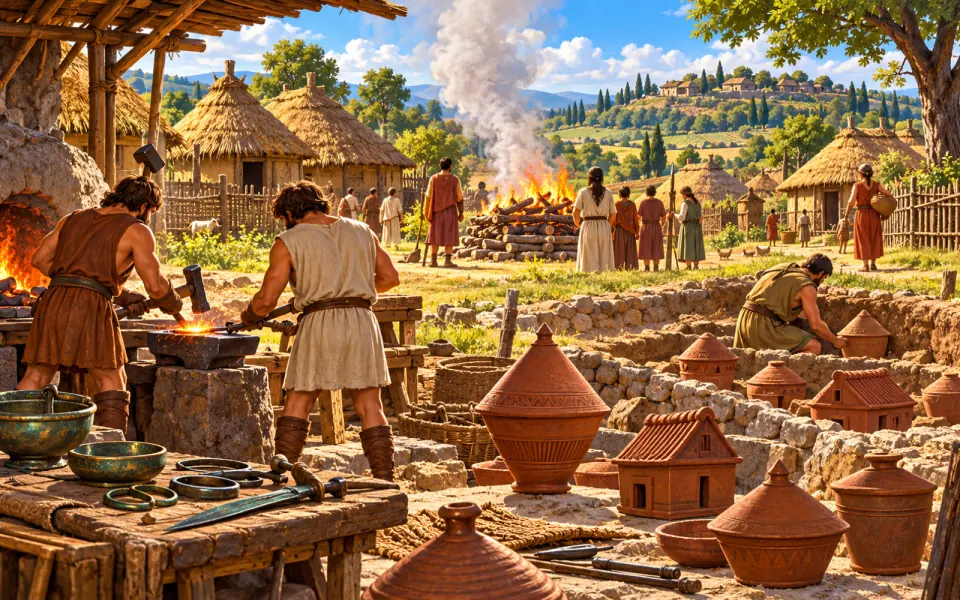
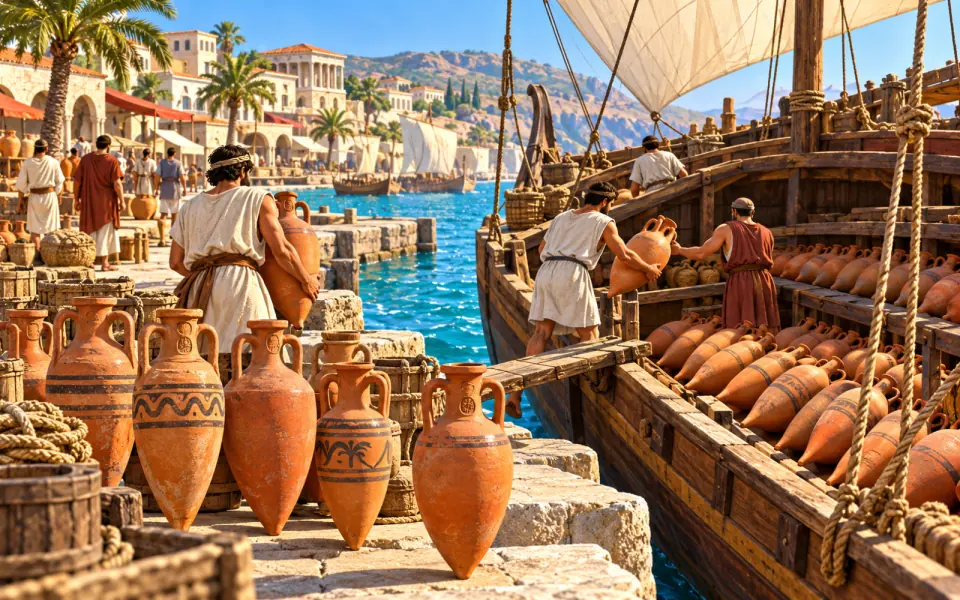
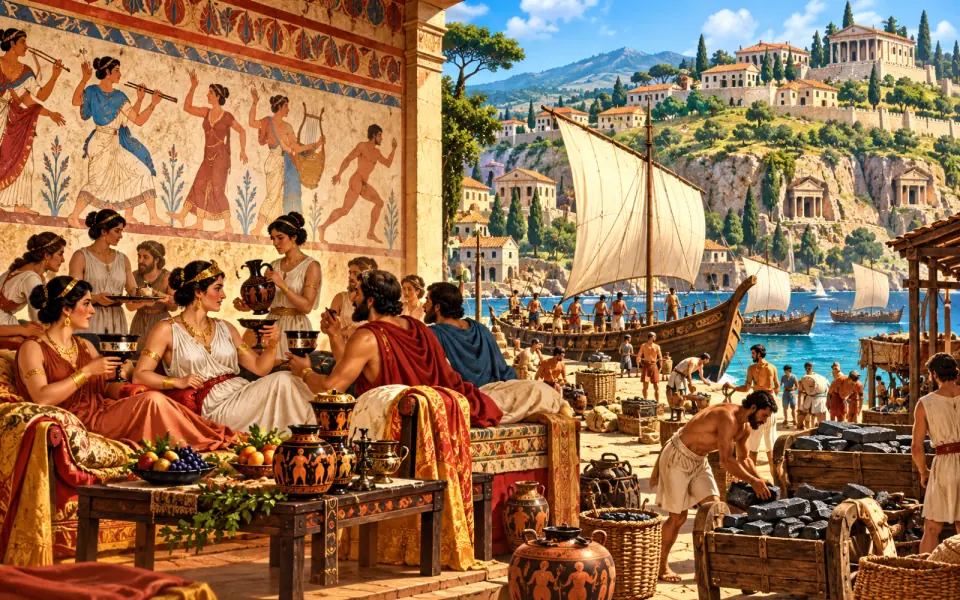
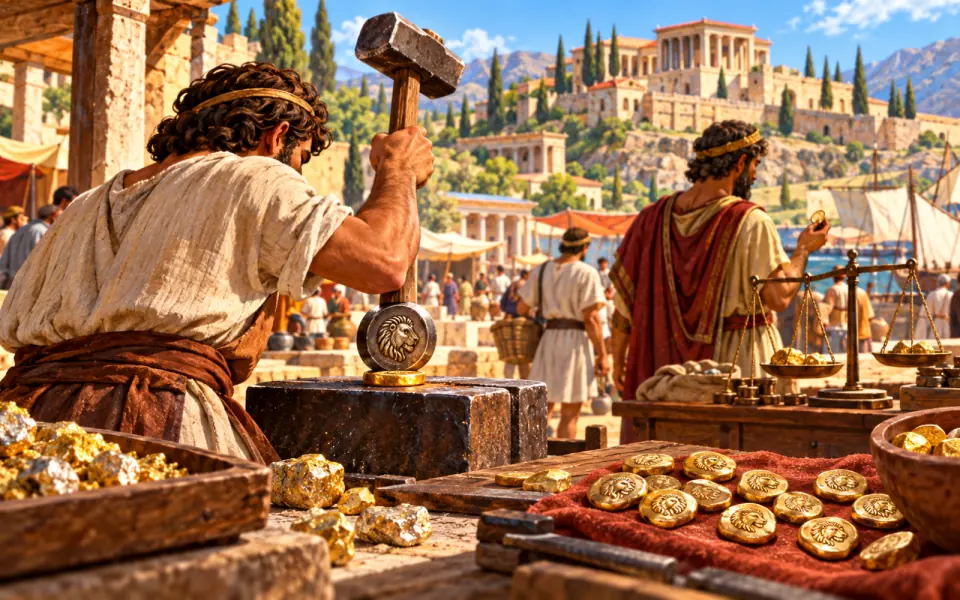
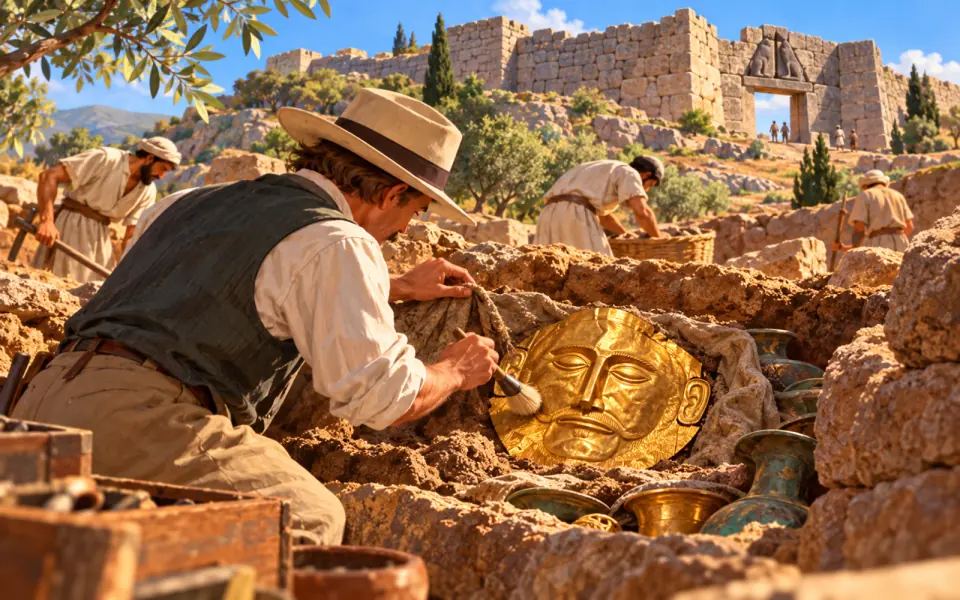
Sea civilisations
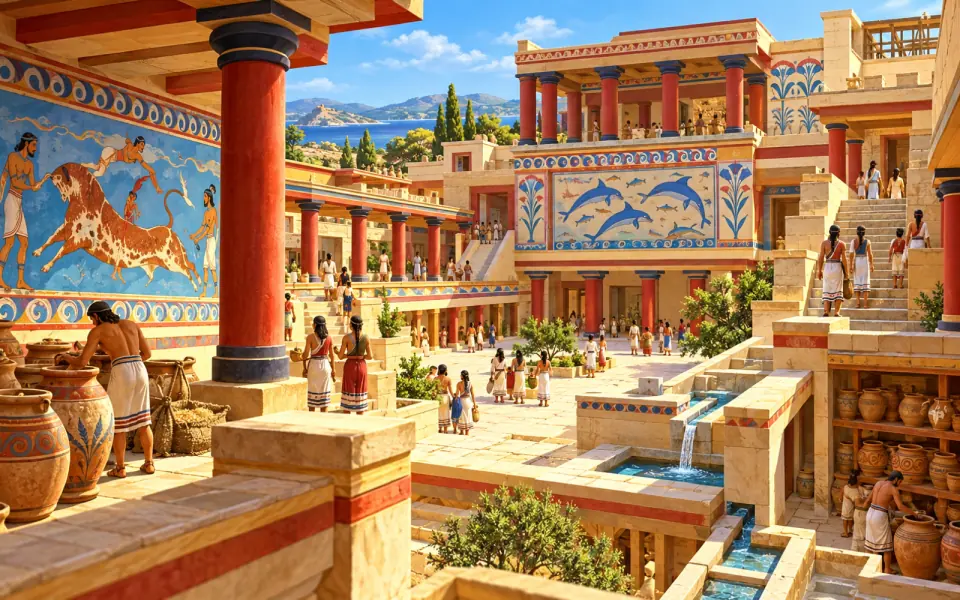
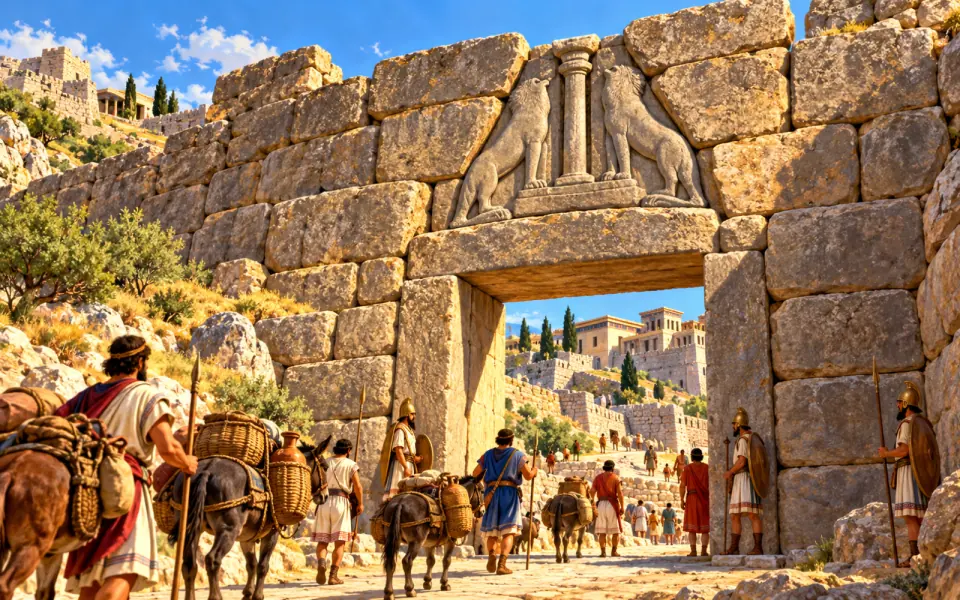
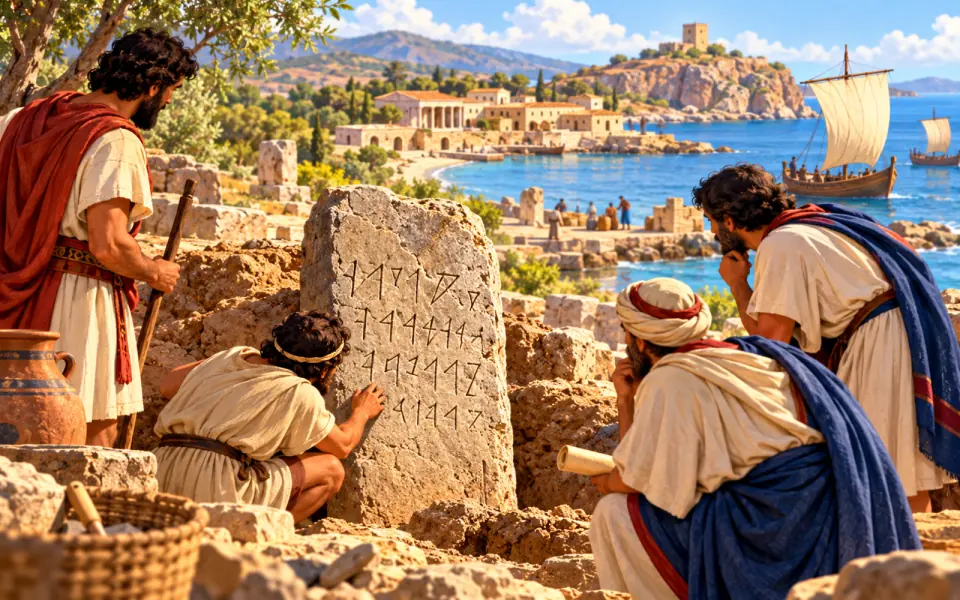
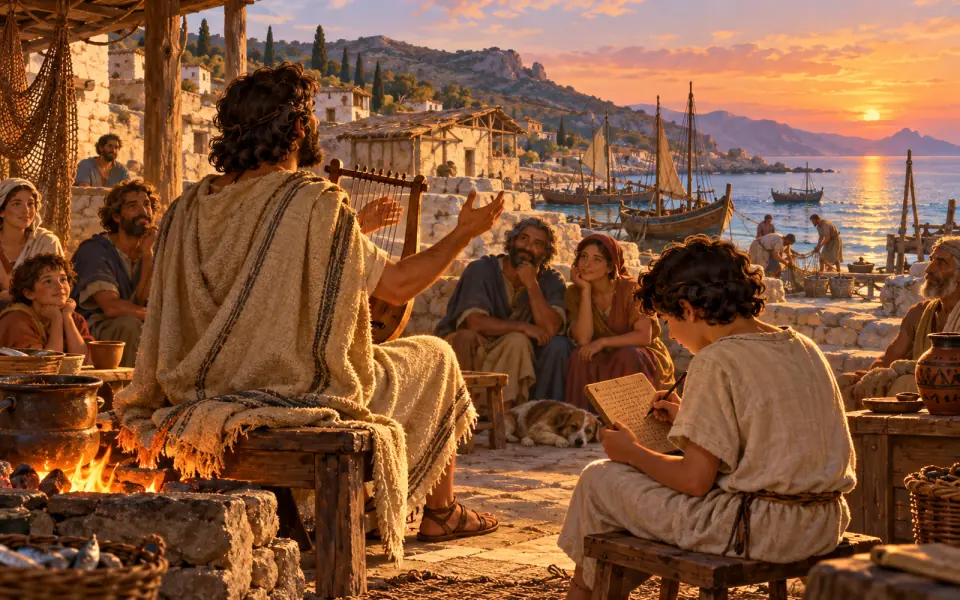
- In the palace of Knossos, more than 3500 years ago, clay pipes brought water in and carried it away: a kind of plumbing system.
- The word ‘Bible’ comes from Byblos, the Phoenician city where the Greeks bought papyrus to write on.
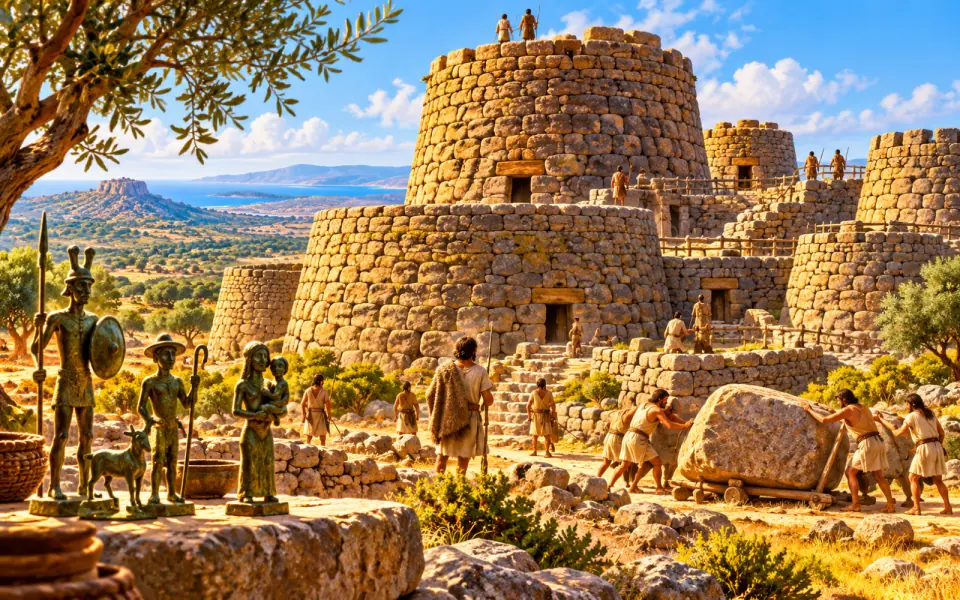
- The Etruscans wrote with letters borrowed from the Greeks: we can read their words aloud, but the meaning of many remains a mystery.
5 · Ancient Greece
from 800 to 264 BC
School year (Italy): primary year 5
In short: city-states, Olympic Games, democracy, philosophy
Ancient Greece
Ancient Greece
Ancient Greece
Ancient Greece
- The athletes at Olympia competed without any clothes on, and married women were not even allowed to watch the games.
- In Athens, to send a politician thought to be dangerous away for ten years, citizens wrote his name on a piece of broken pottery called an ‘ostrakon’: that is where the word ‘ostracism’ comes from.
- The Parthenon stayed almost undamaged for more than two thousand years: it was badly damaged only in 1687, when a cannonball set off the gunpowder stored inside it.
6 · Ancient Rome
from 264 BC to AD 476 (with the founding in 753 BC)
School year (Italy): primary year 5
In short: Republic, Empire, roads, laws
Ancient Rome
Ancient Rome
Ancient Rome
Ancient Rome
Ancient Rome
- The year 46 BC lasted 445 days: Julius Caesar made it longer to bring the calendar back into line with the seasons.
- The dome of the Pantheon is made of concrete with no iron reinforcement, and it is still the largest of its kind in the world.
- The months of July and August are named after Julius Caesar and the emperor Augustus.
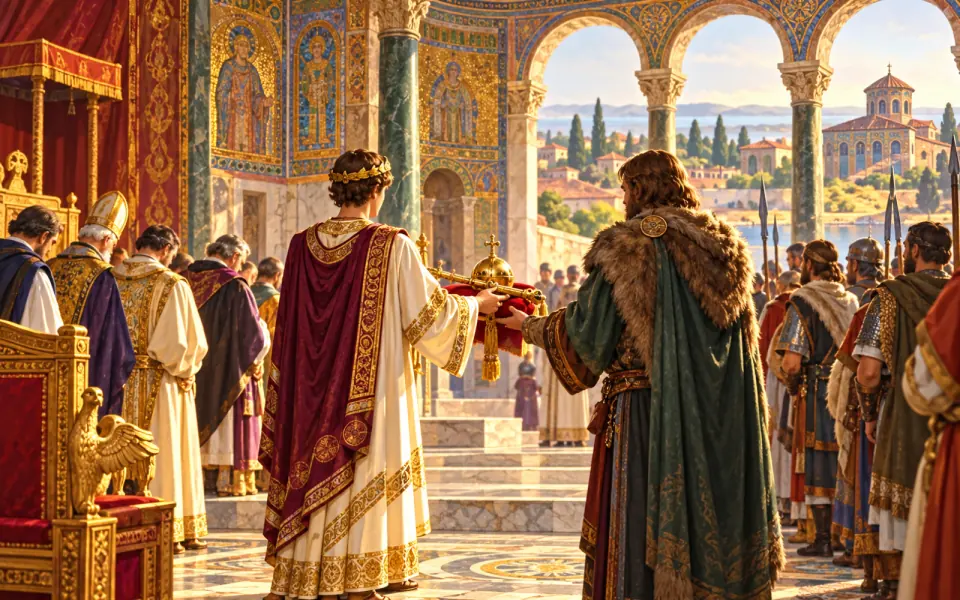
7 · Early Middle Ages
from 476 to 1000
School year (Italy): lower secondary year 1
In short: Germanic kingdoms, Byzantium, Islam, Charlemagne
Early Middle Ages
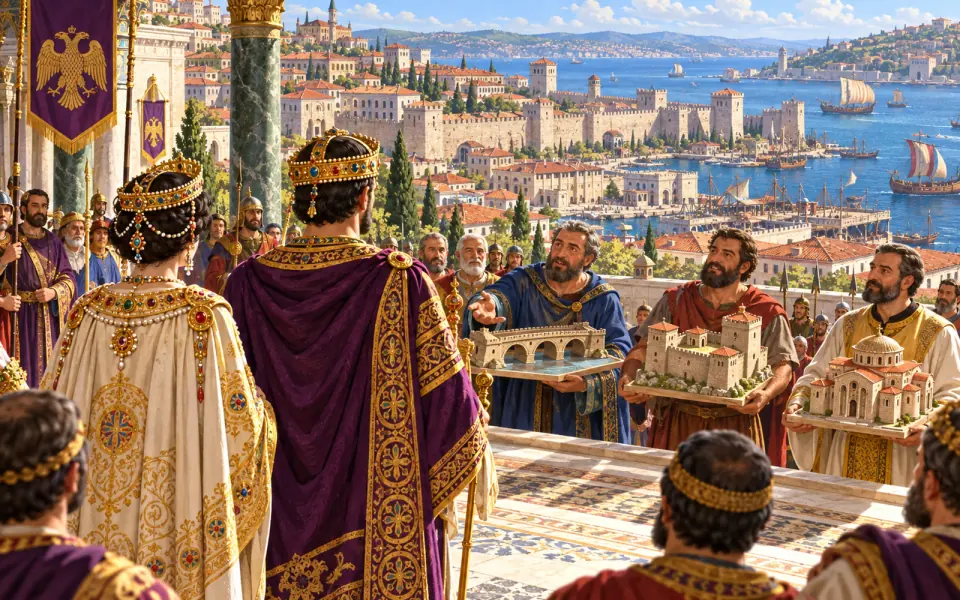
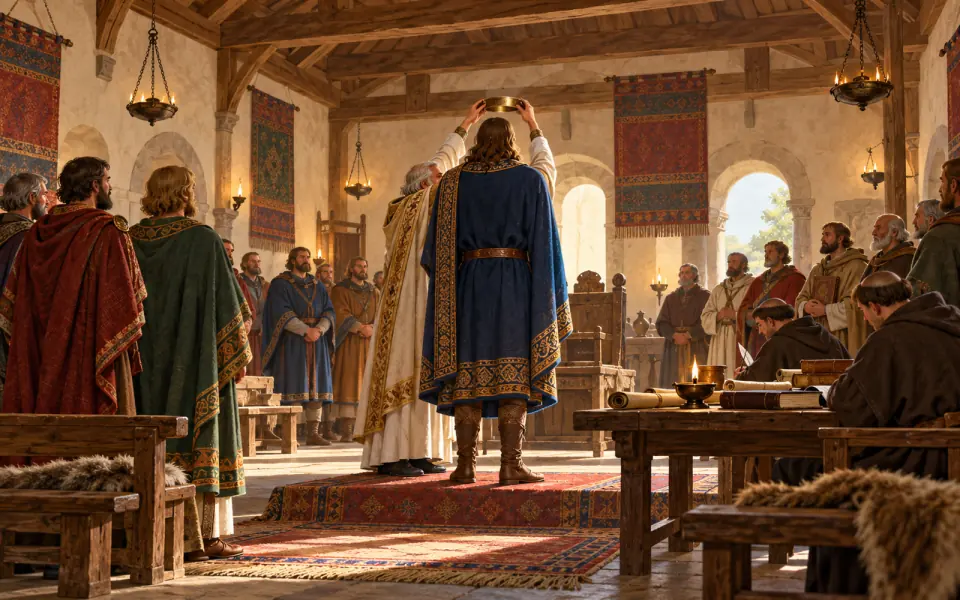
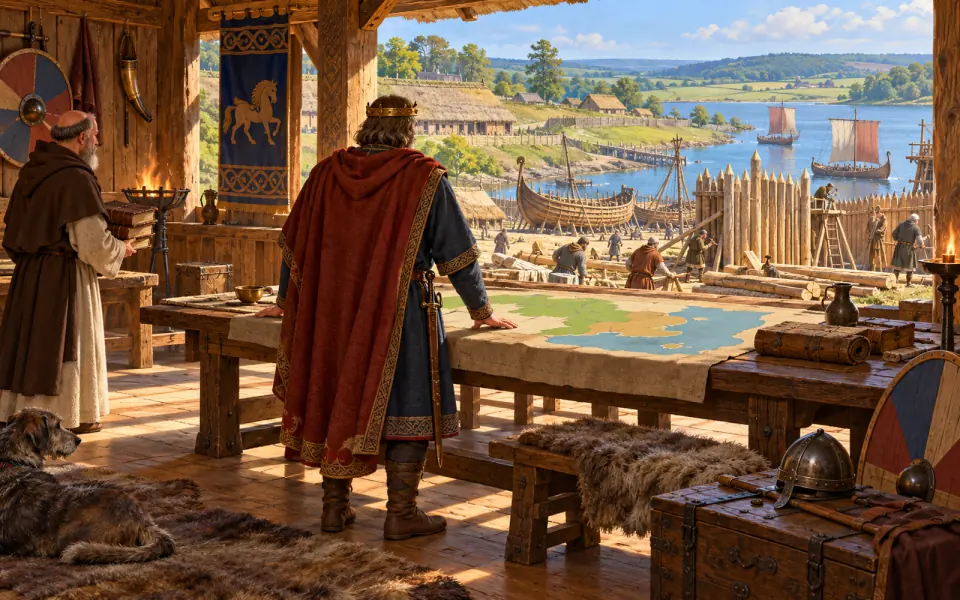
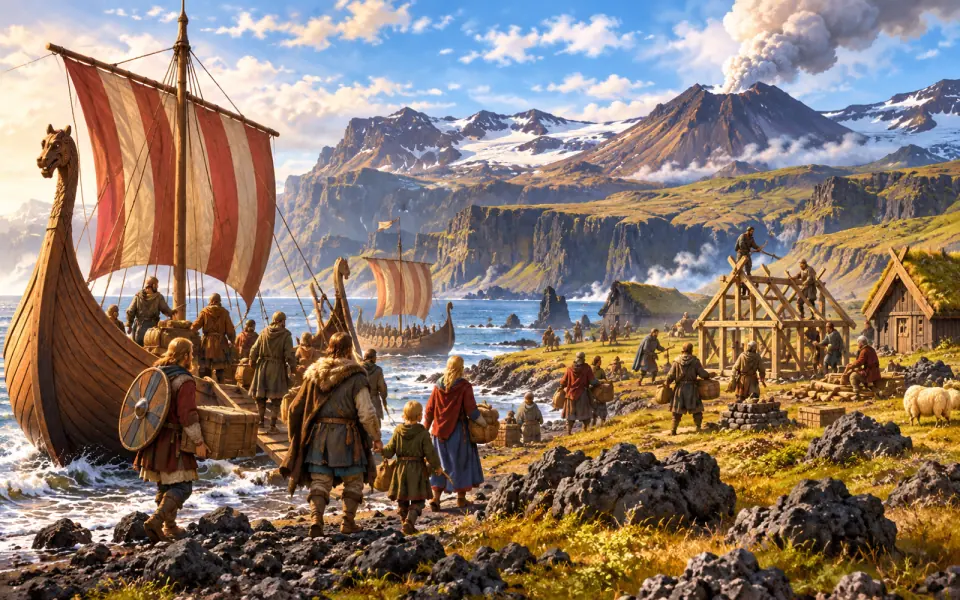
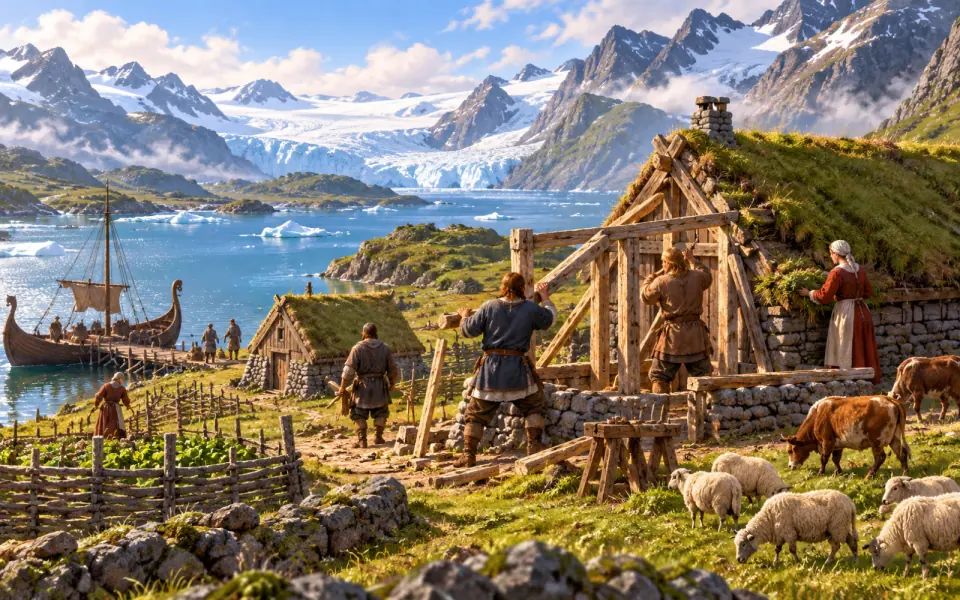
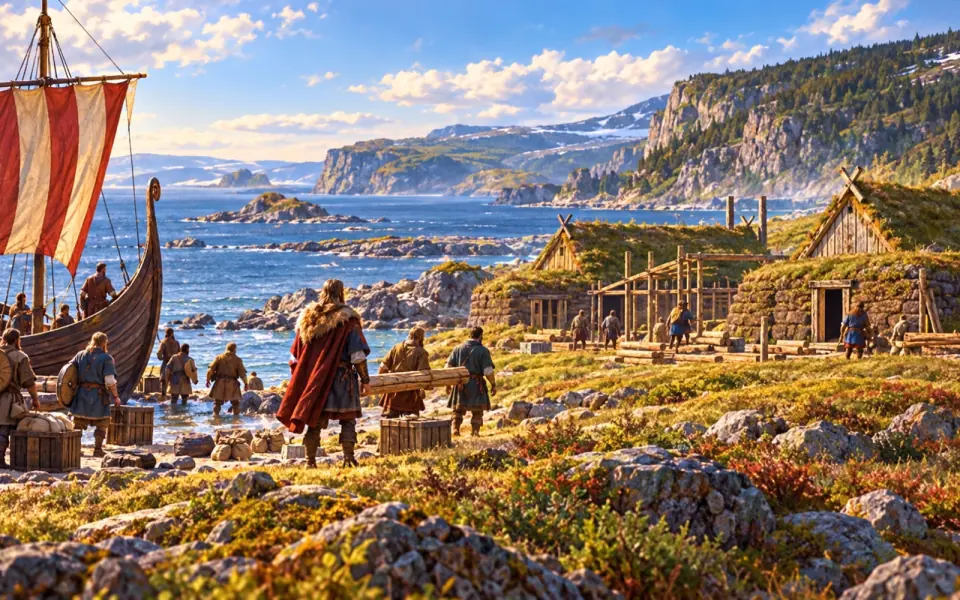
Early Middle Ages
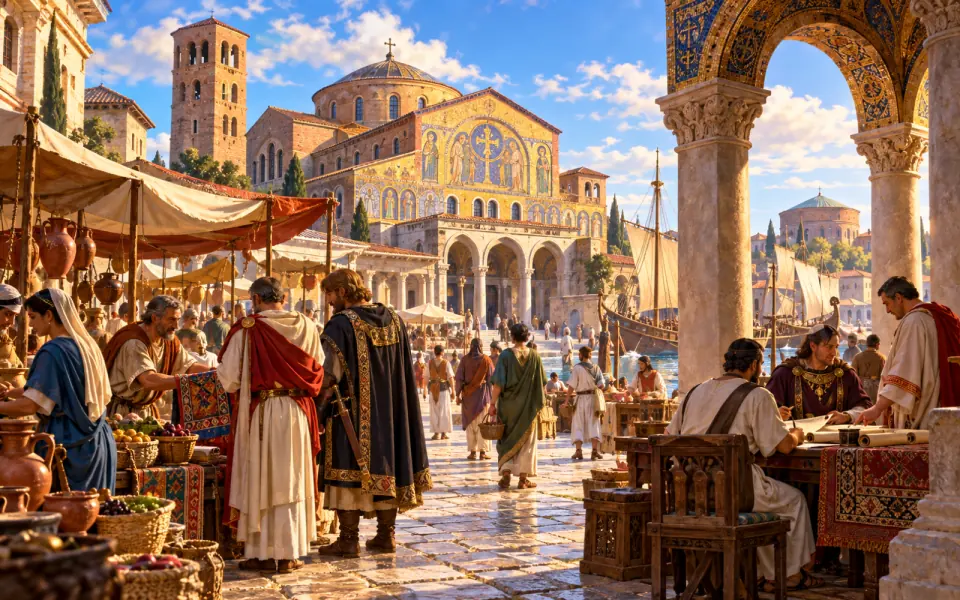
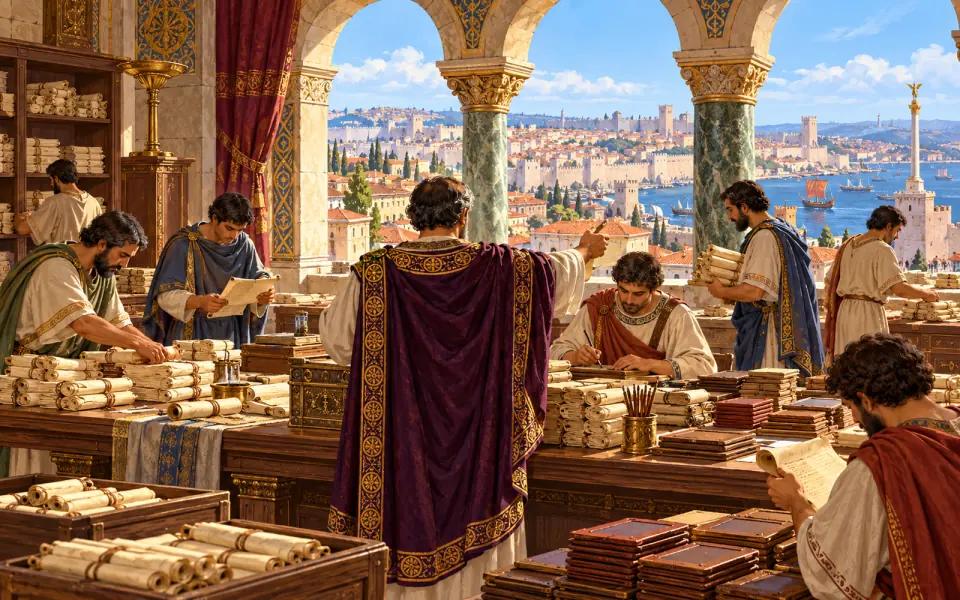
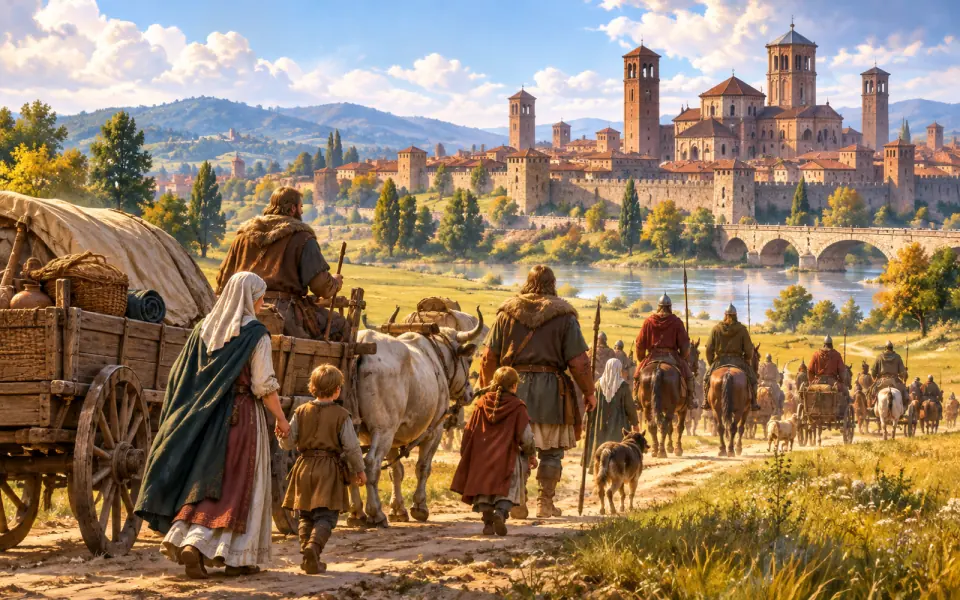
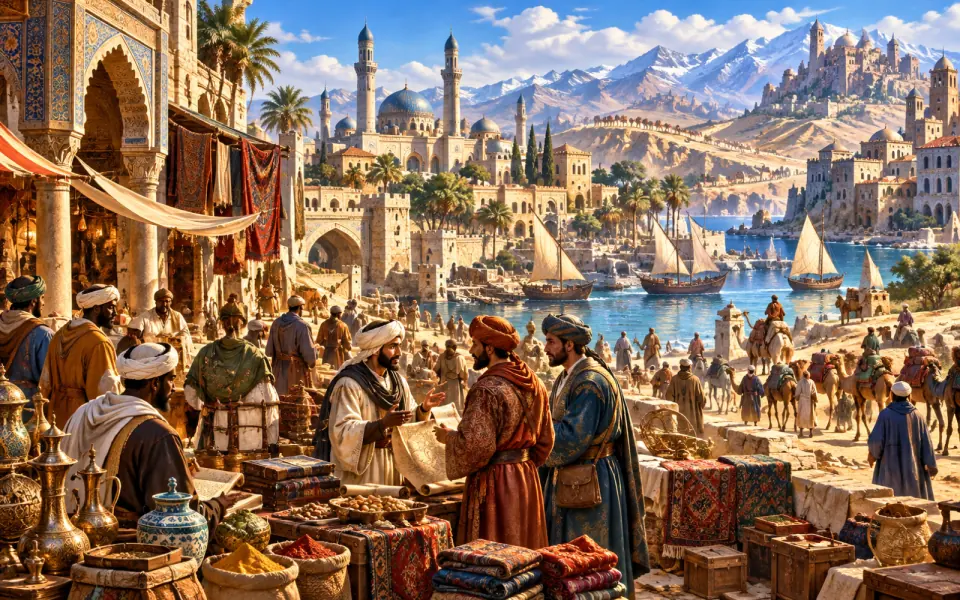
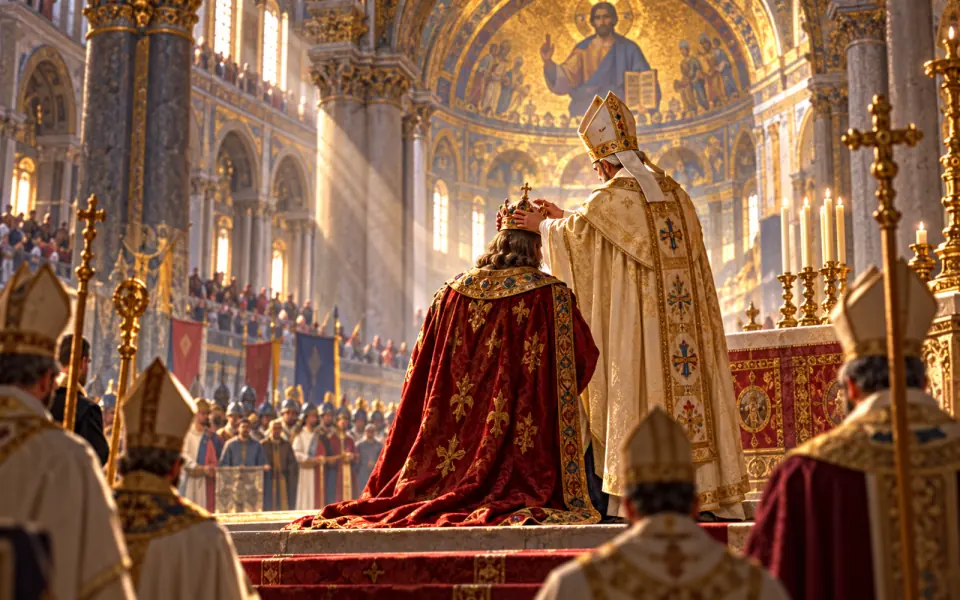
Early Middle Ages
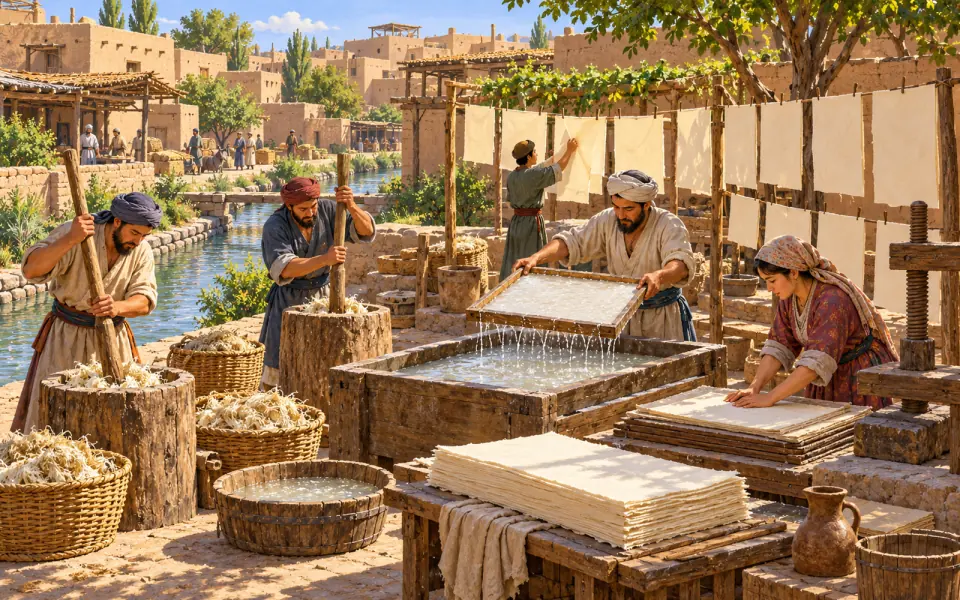
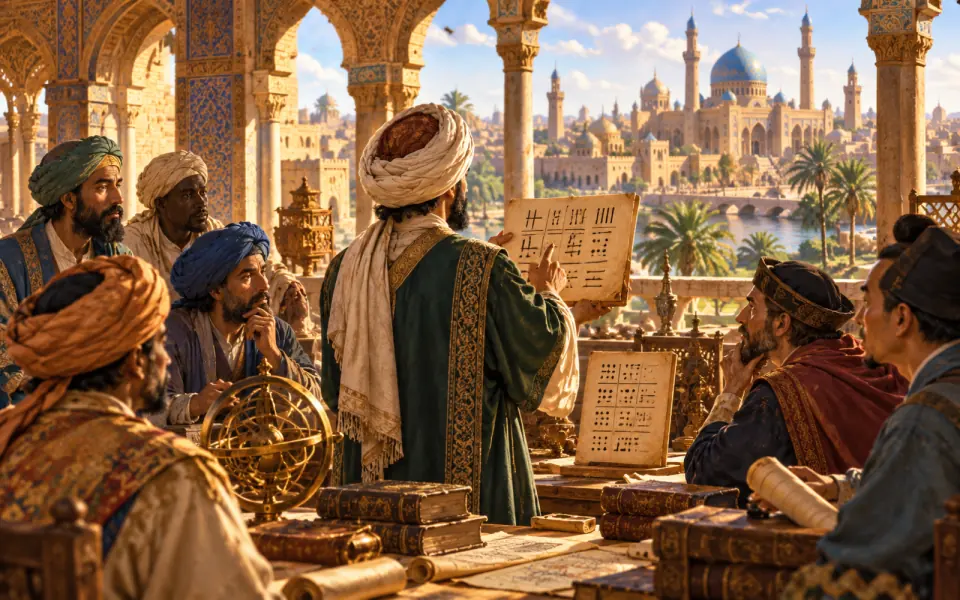
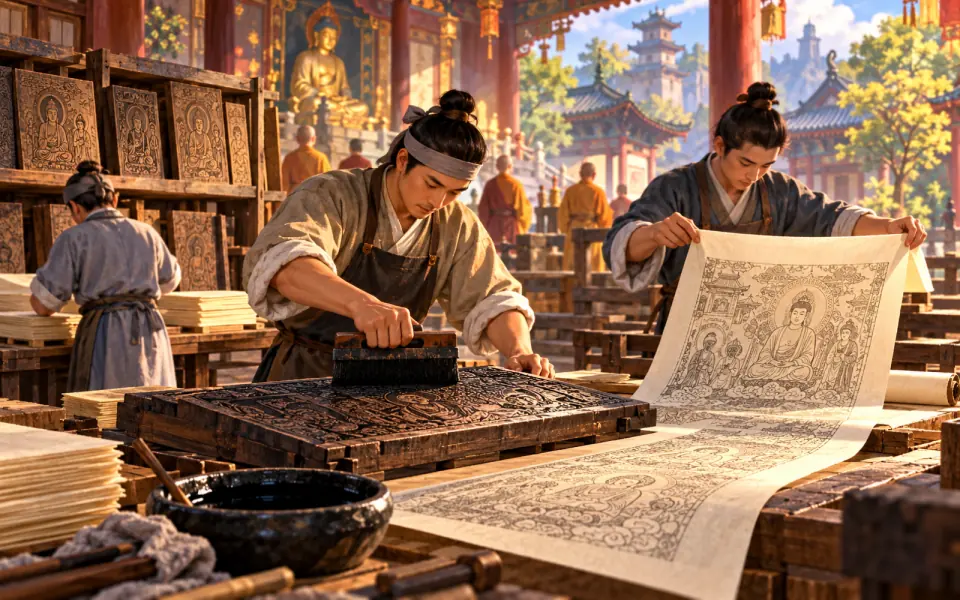
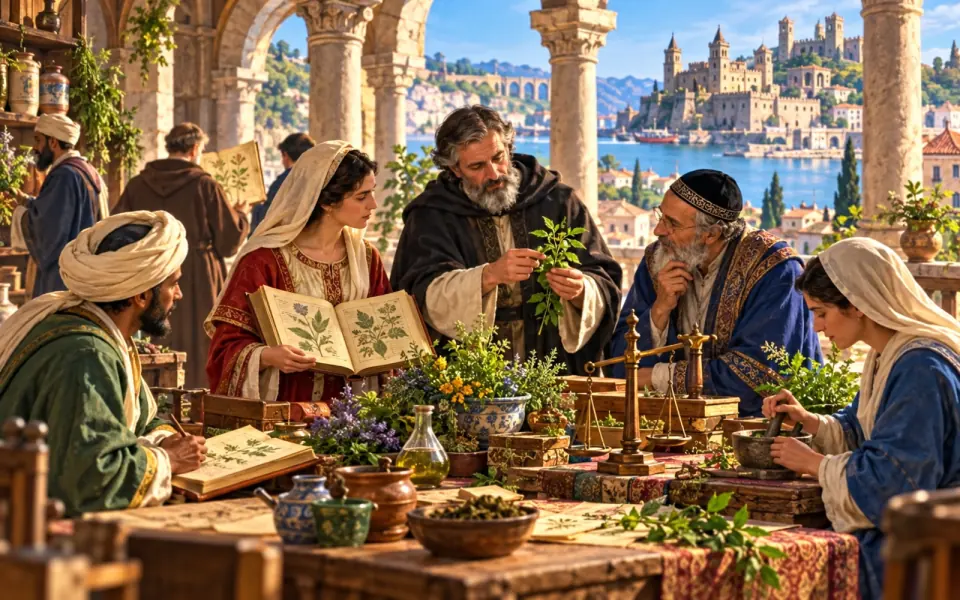
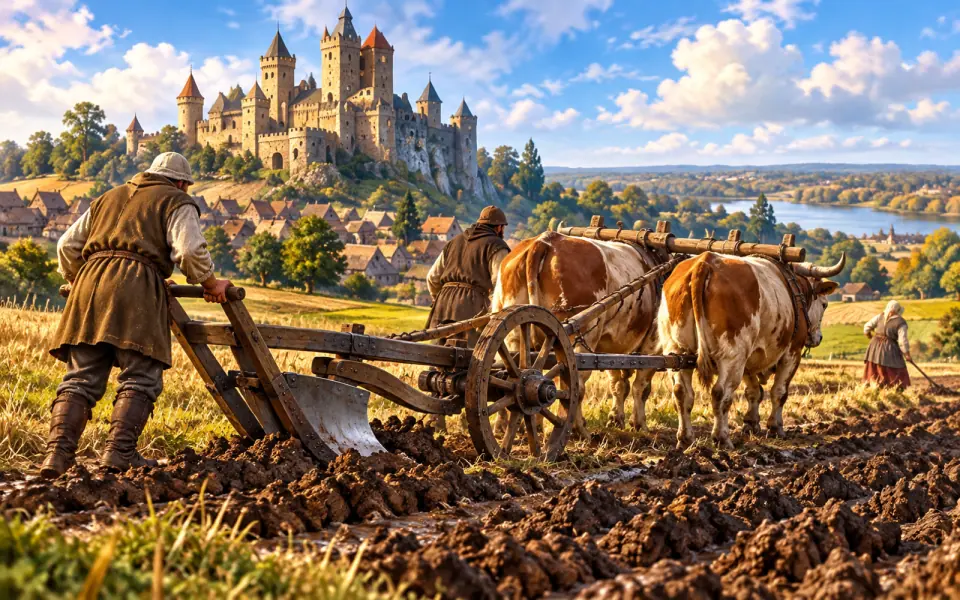
Early Middle Ages
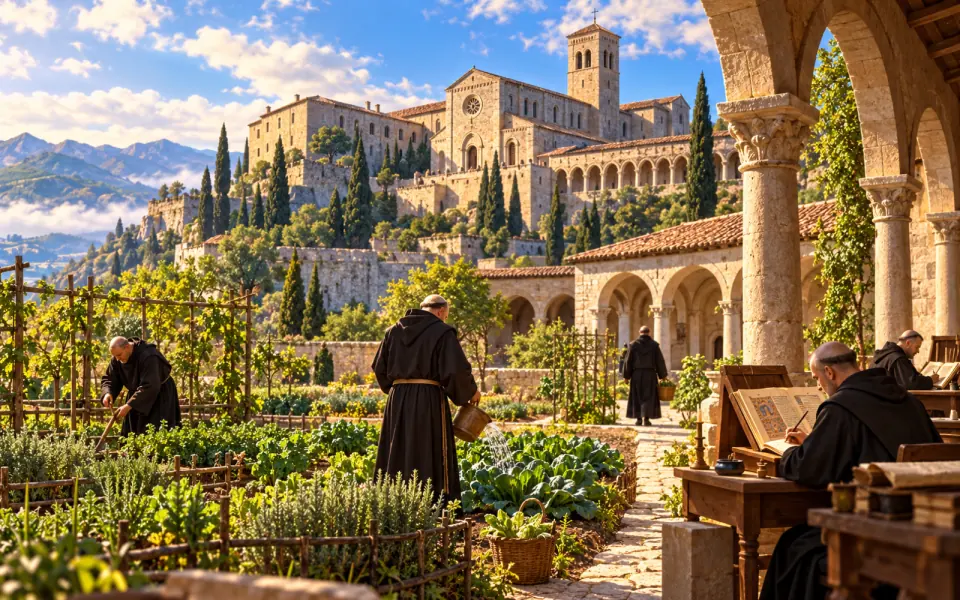
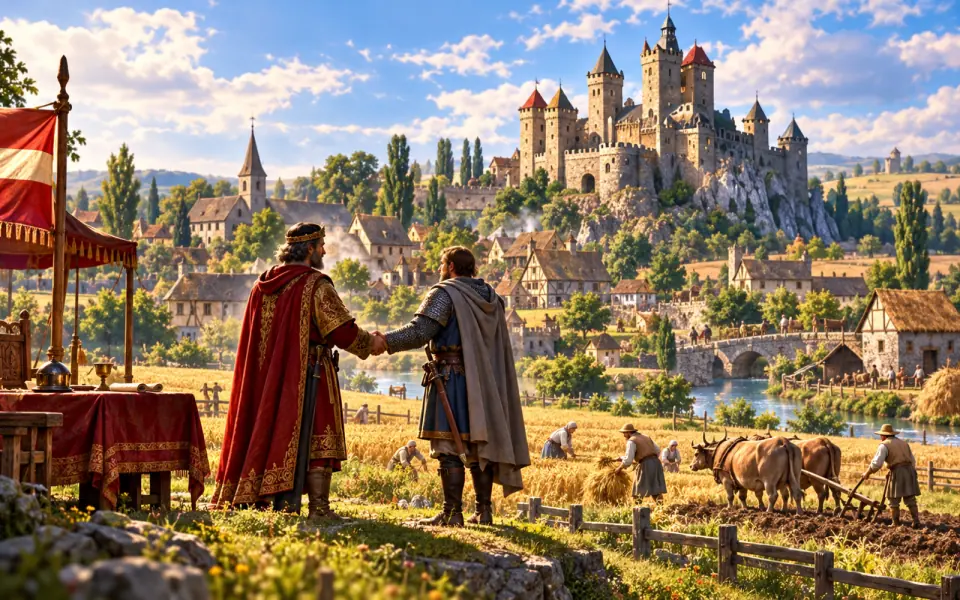
Early Middle Ages
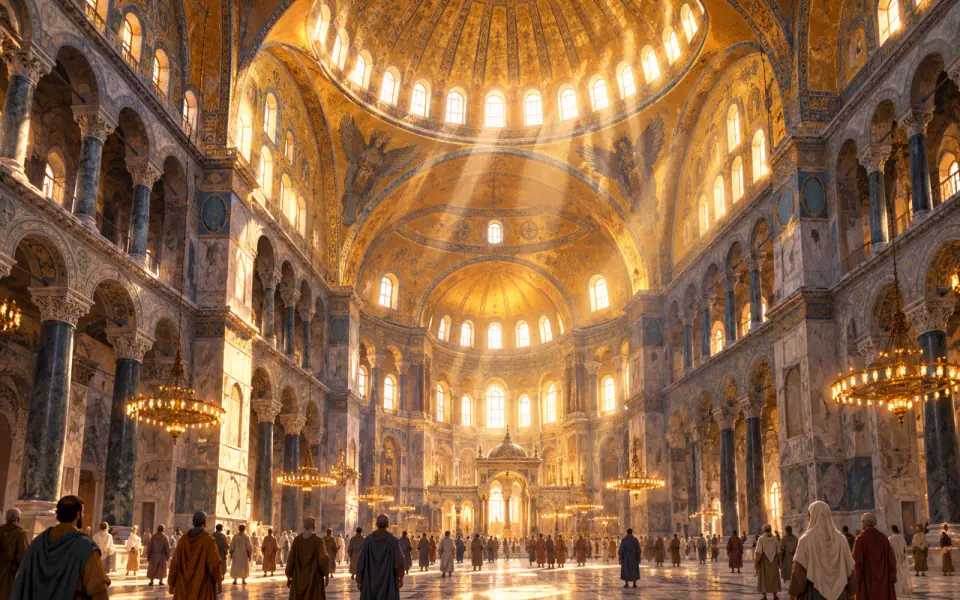
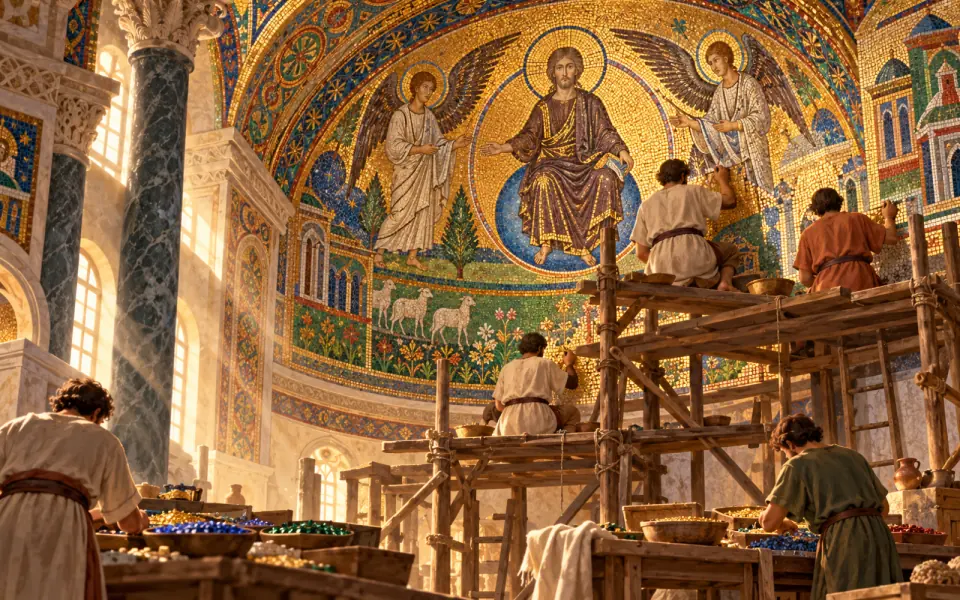
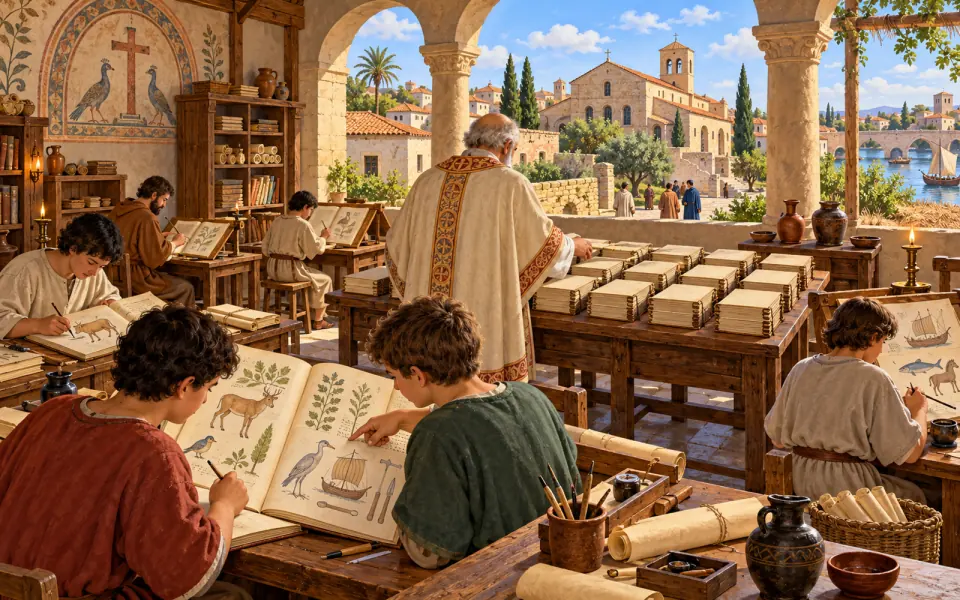
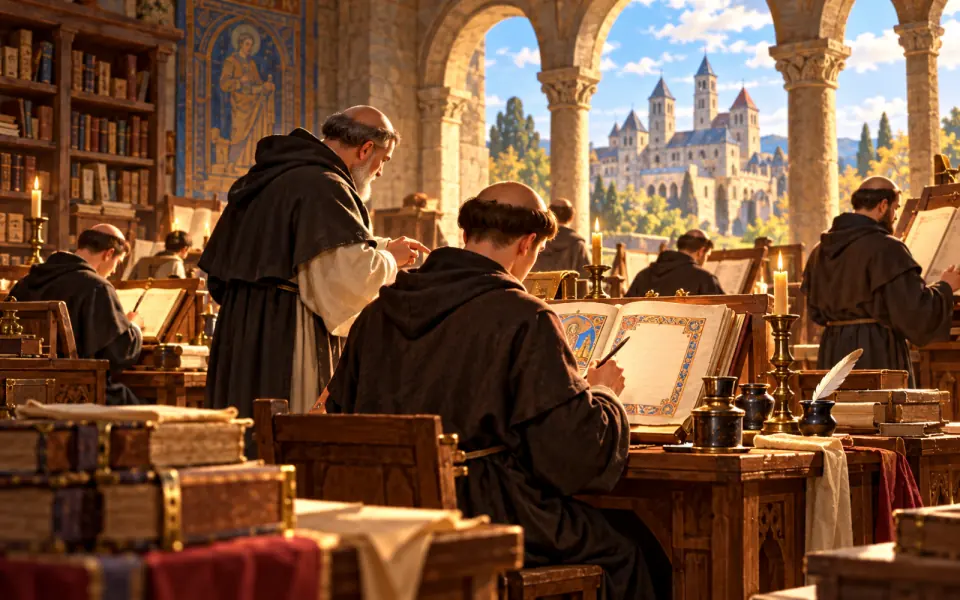
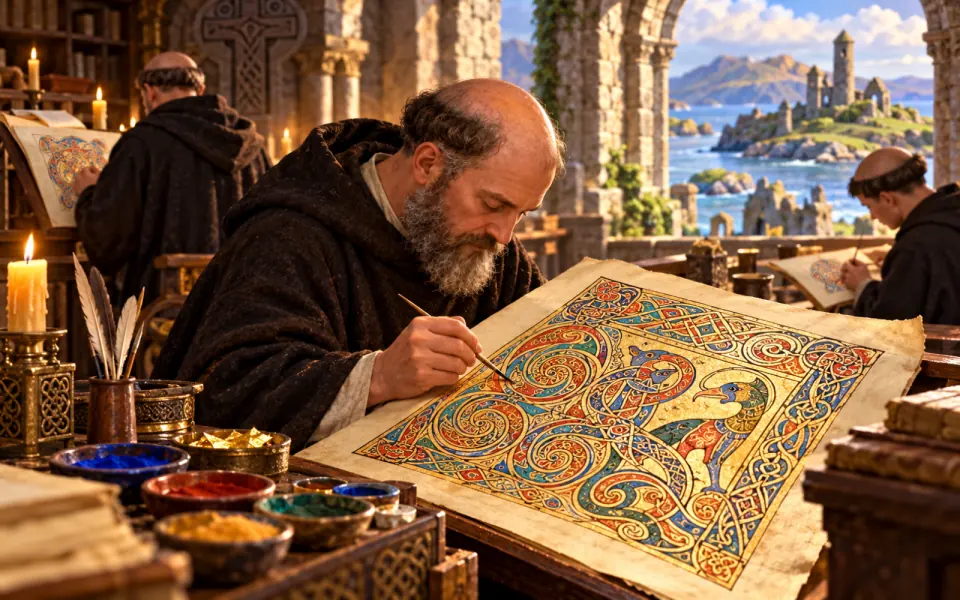
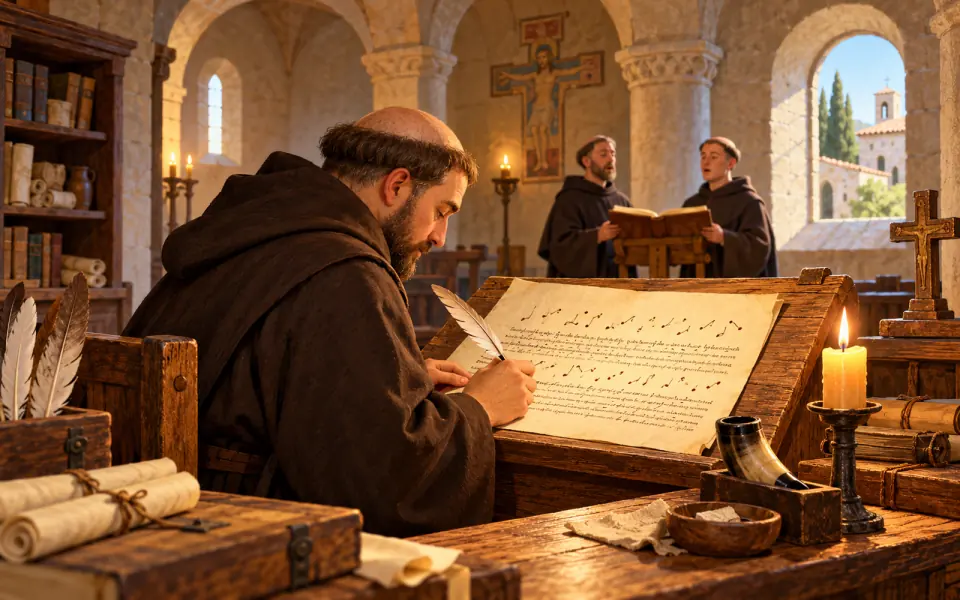
- The Diamond Sutra, printed in China in AD 868, is the oldest printed book that gives an exact date.
- Erik the Red called his new land Greenland to attract settlers, even though it is almost entirely covered in ice.
- The small letters you are reading come from Carolingian minuscule, the clear handwriting created in the time of Charlemagne.
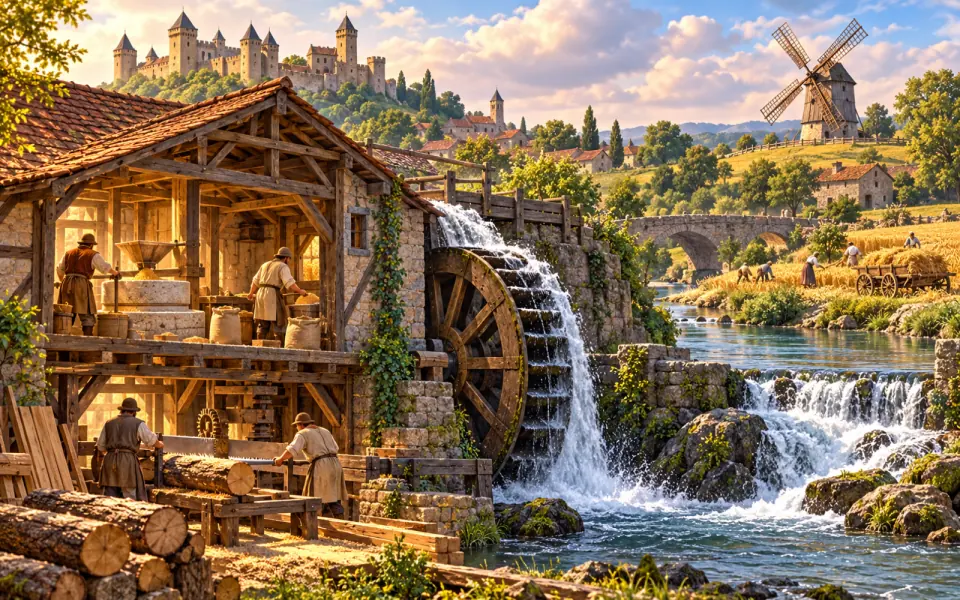
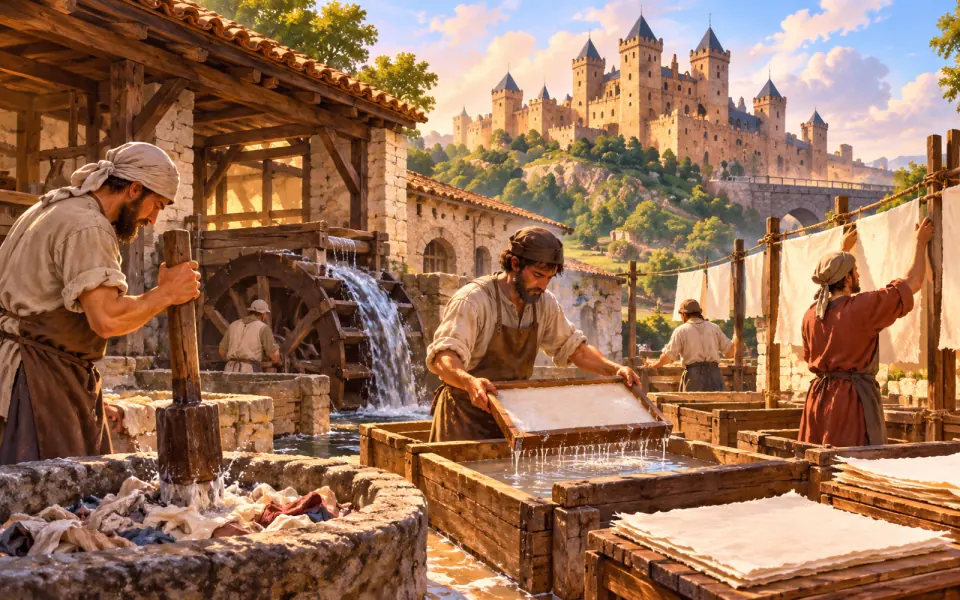
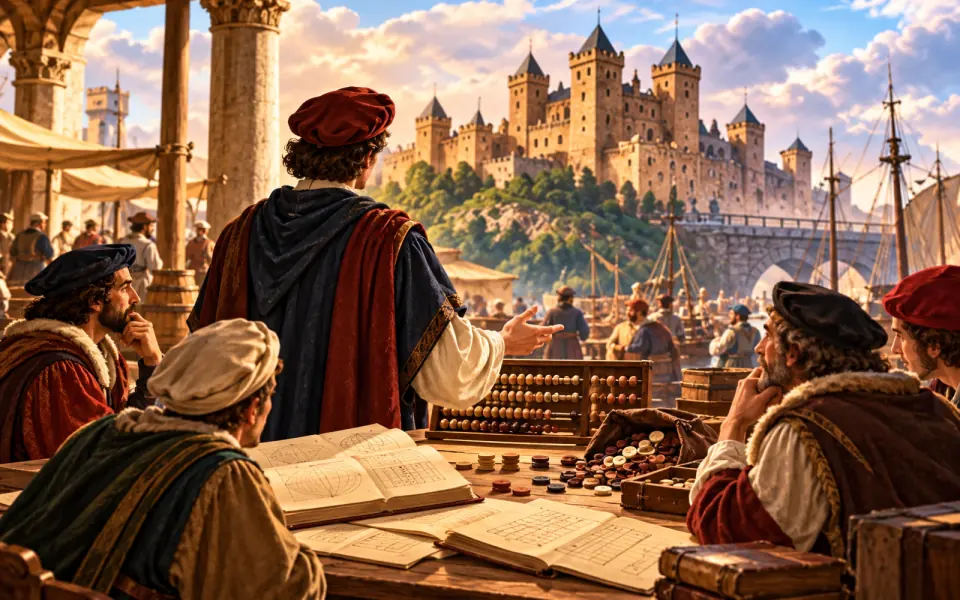
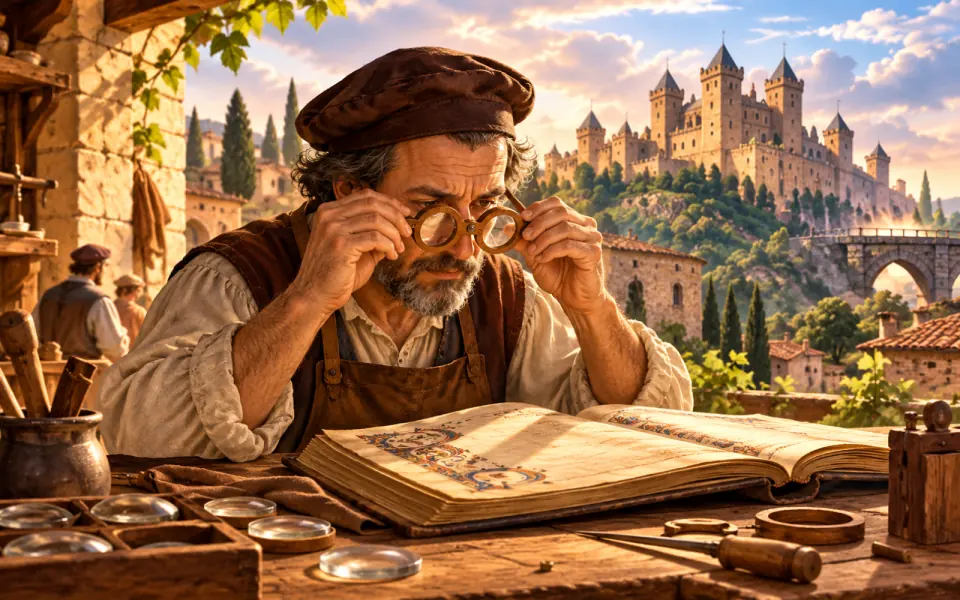
8 · Late Middle Ages
from 1000 to 1453
School year (Italy): lower secondary year 1
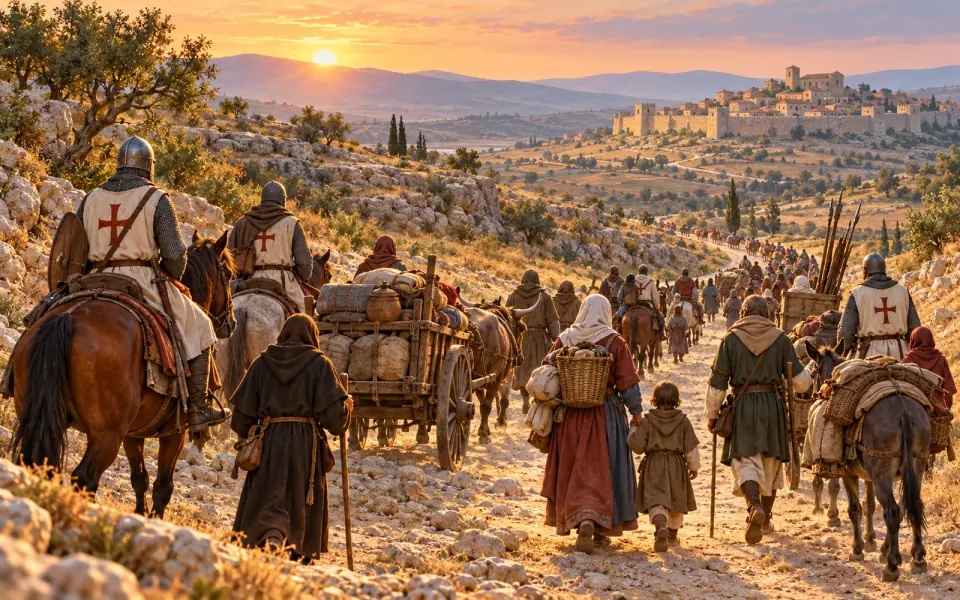
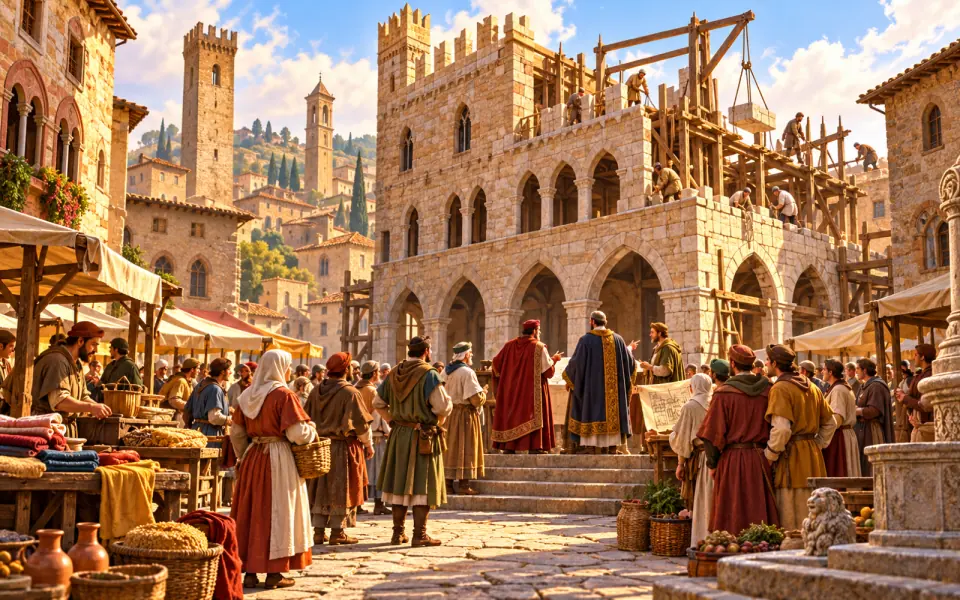
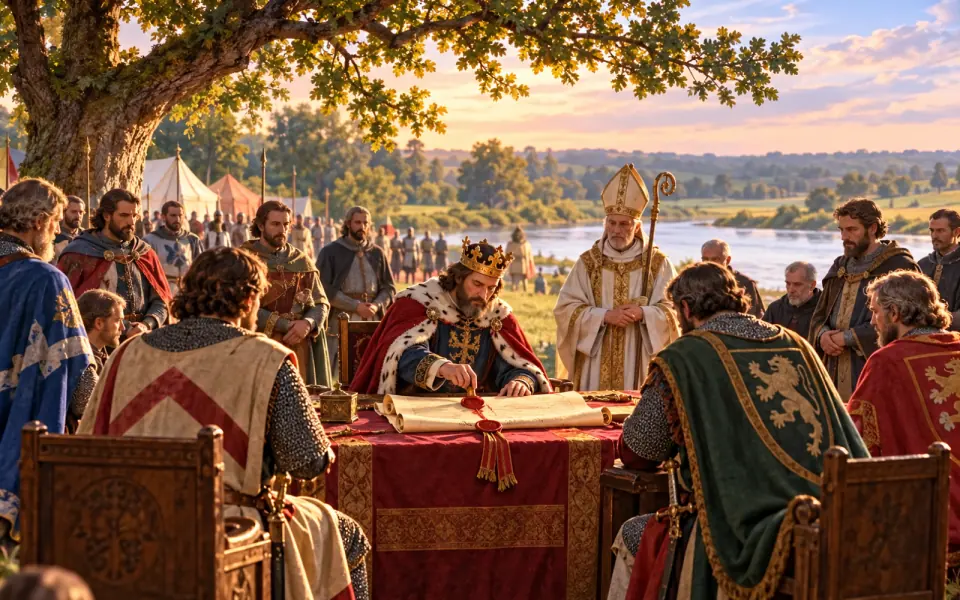
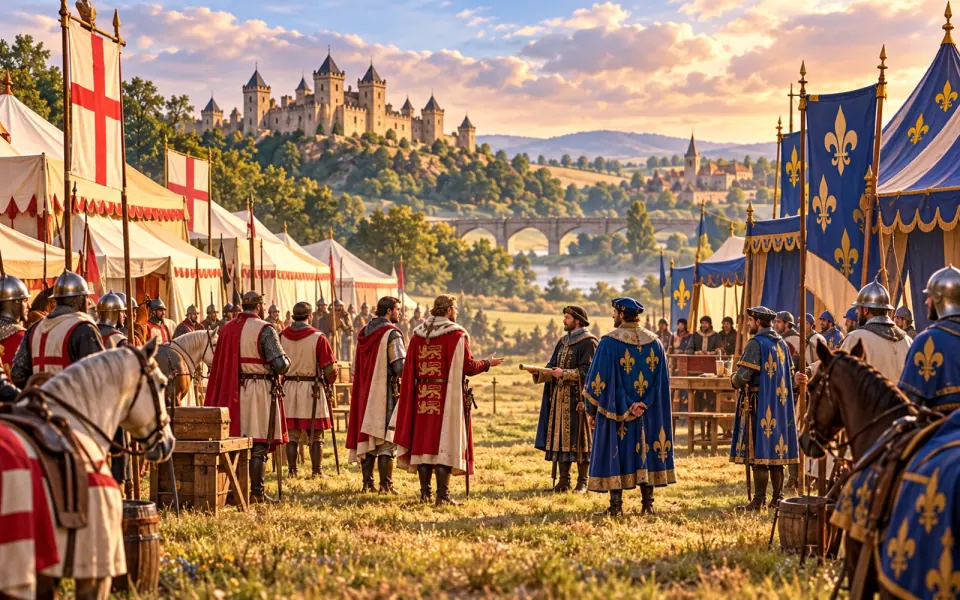
In short: communes, universities, cathedrals, the Black Death
Late Middle Ages
Late Middle Ages
Late Middle Ages
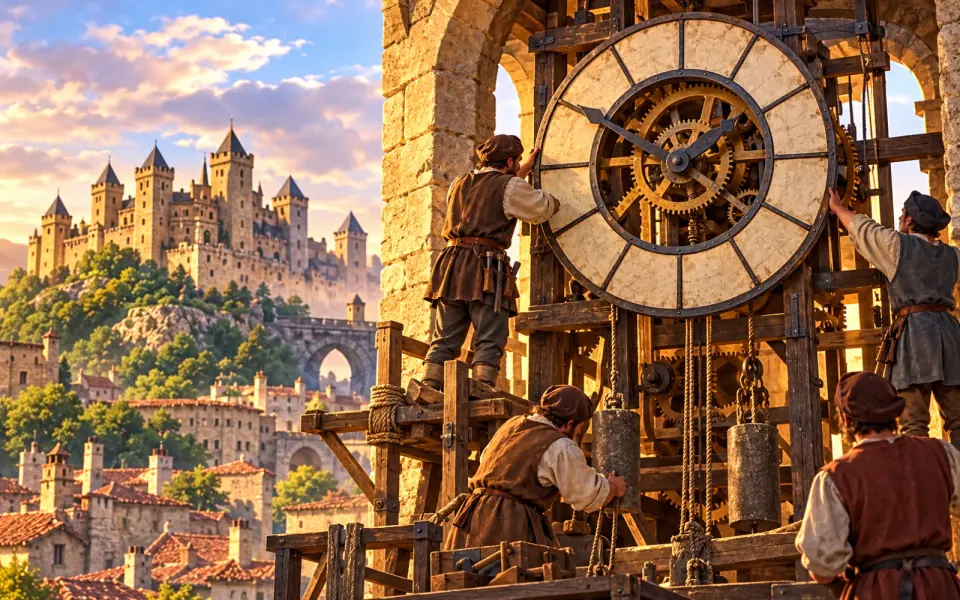
Late Middle Ages
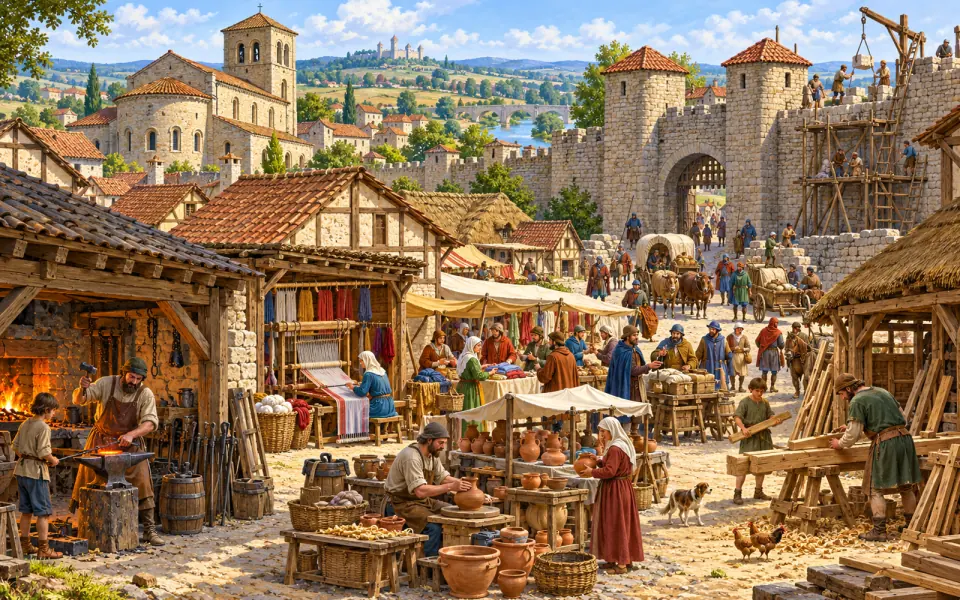
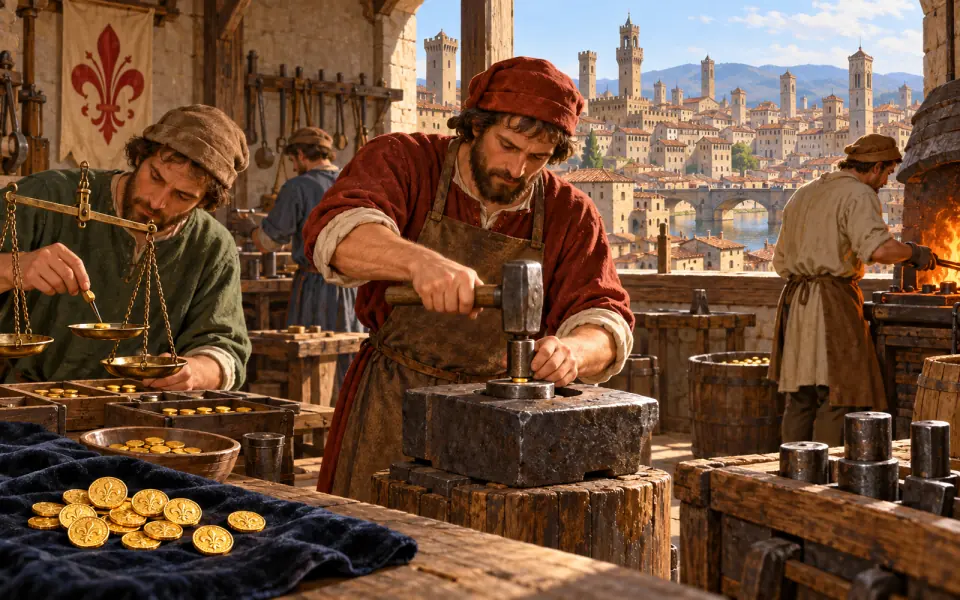
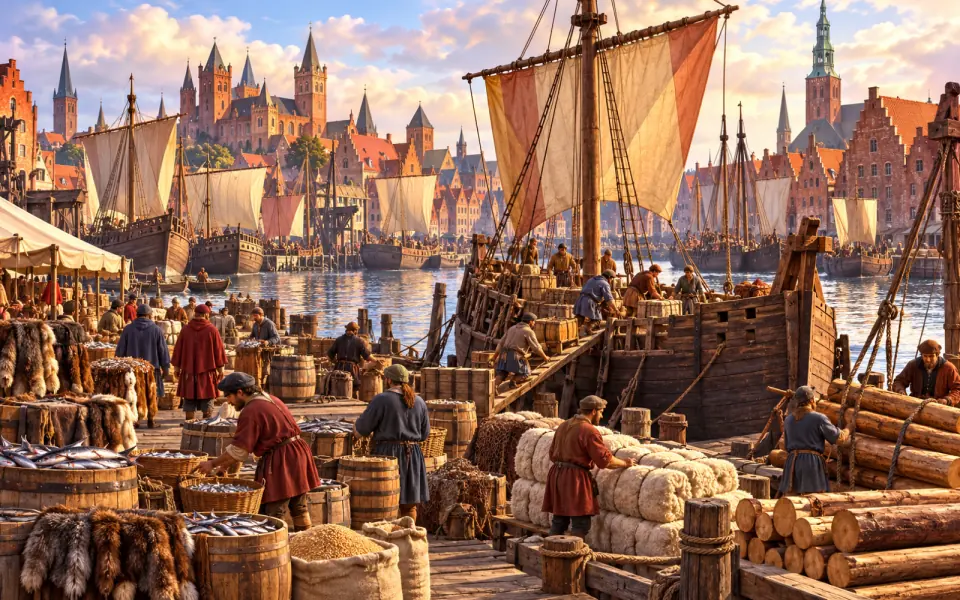
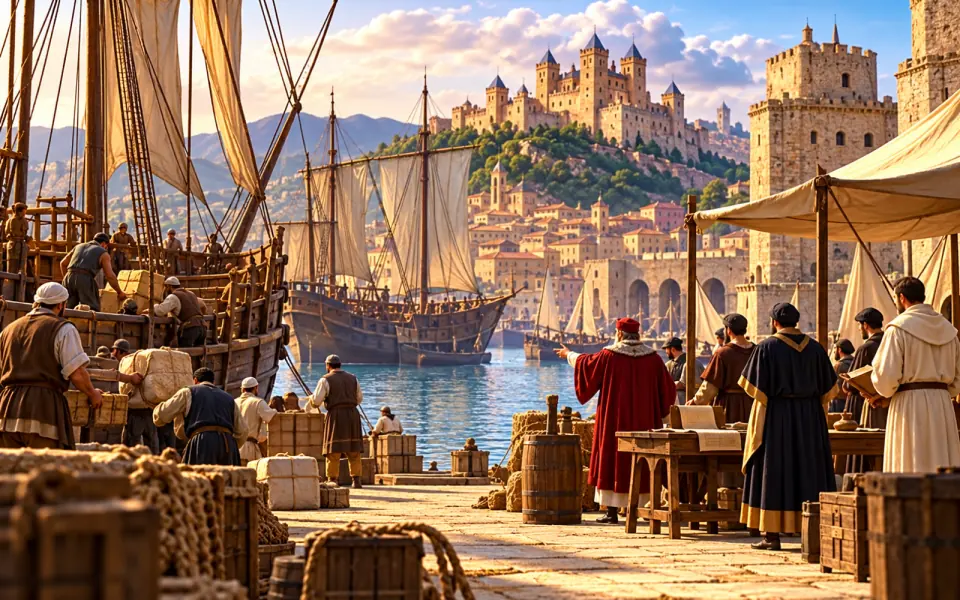
Late Middle Ages
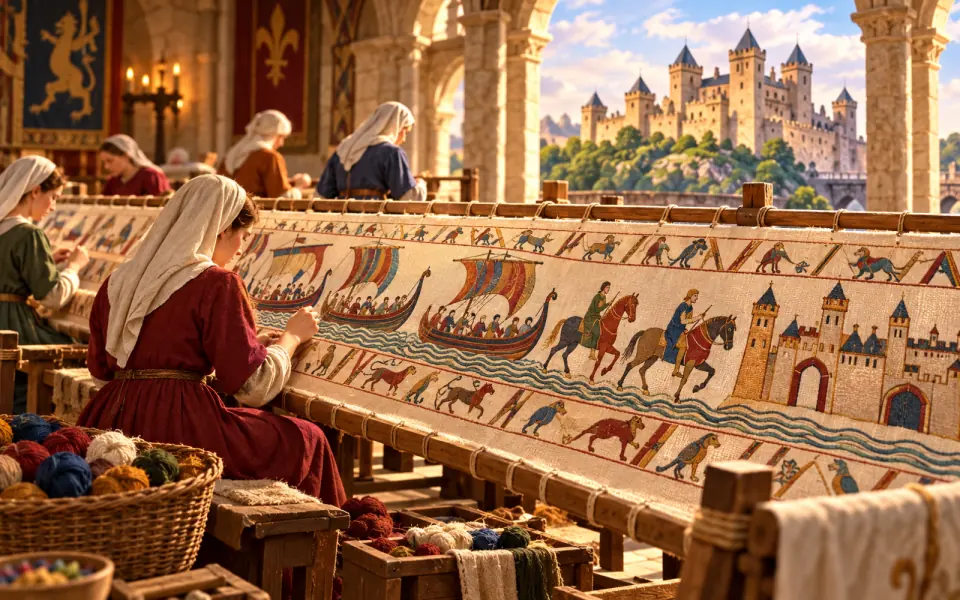
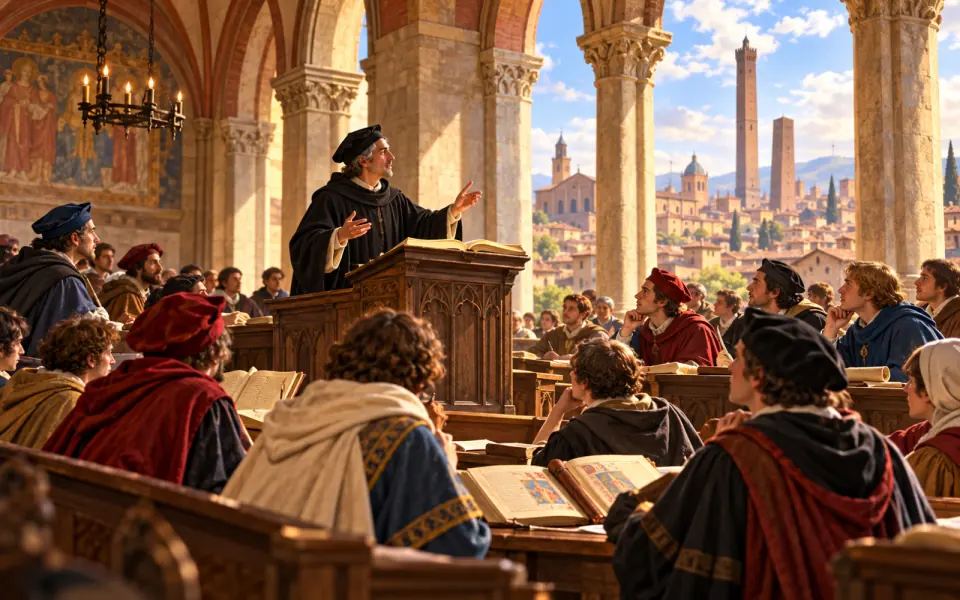
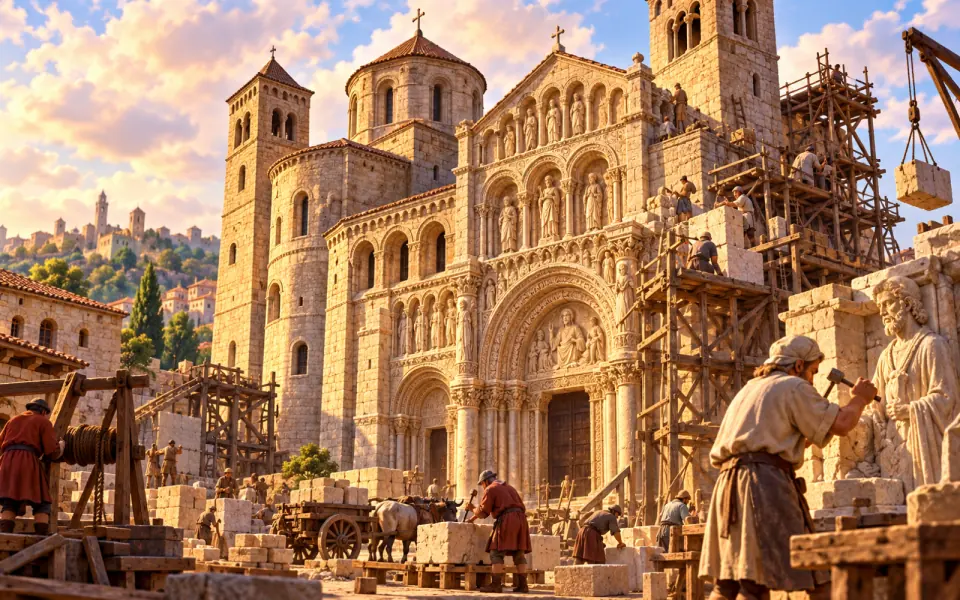
- The Hundred Years' War actually lasted 116 years, from 1337 to 1453, with long breaks between one round of fighting and the next.
- The founding date of the University of Bologna, 1088, was chosen in the 1800s by a committee led by the poet Giosuè Carducci.
- In Fibonacci's Liber abaci there is a problem about a pair of rabbits that gives rise to a famous series of numbers: 1, 1, 2, 3, 5, 8, 13…
9 · Early modern age
from 1453 to 1700
School year (Italy): lower secondary year 2
In short: printing, the Renaissance, voyages, science
Early modern age
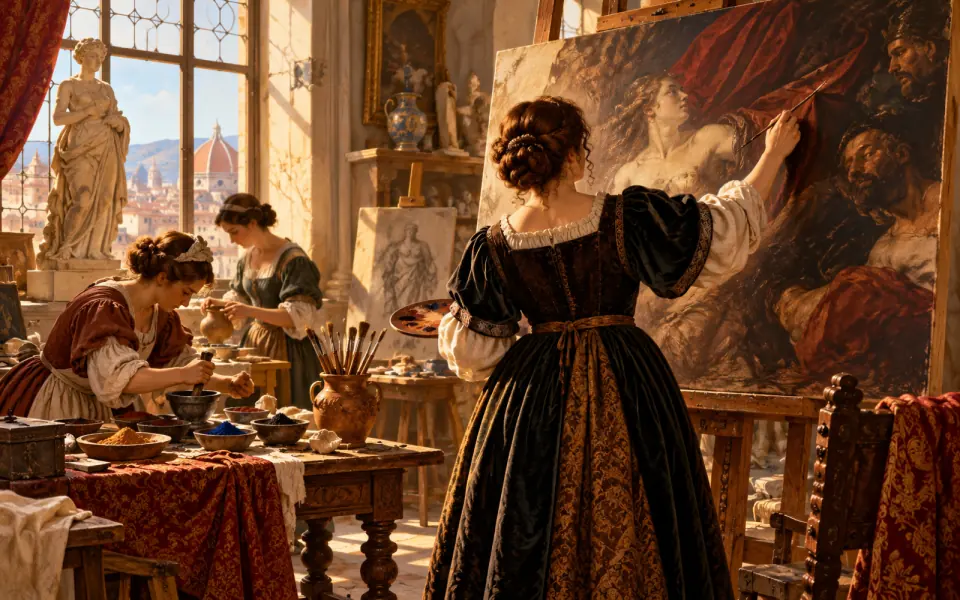
Early modern age
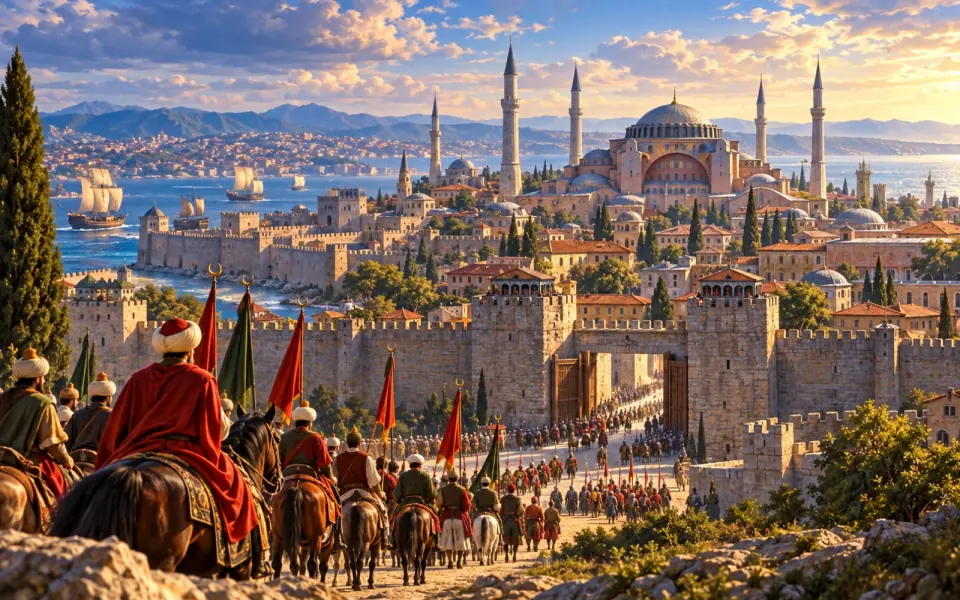
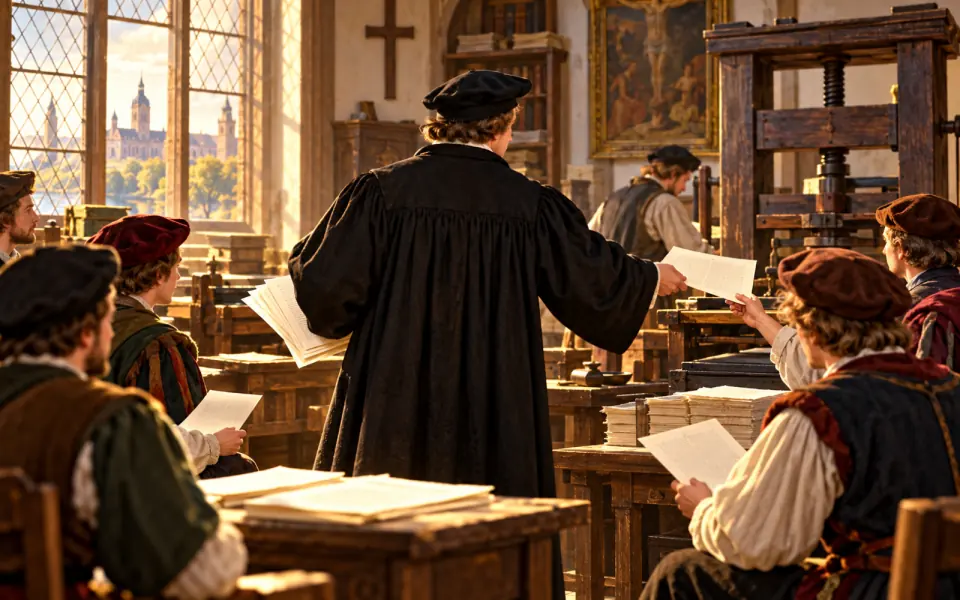
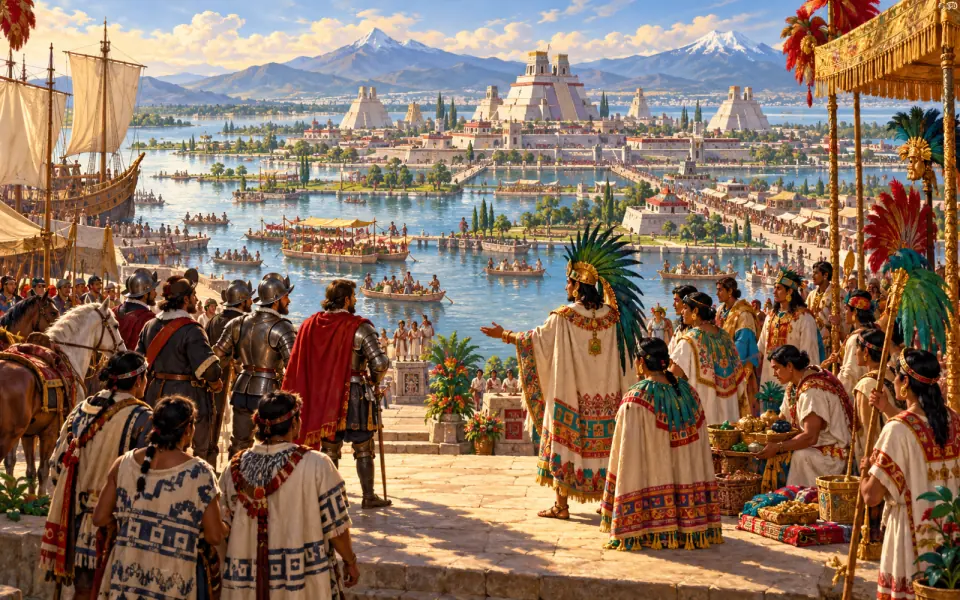
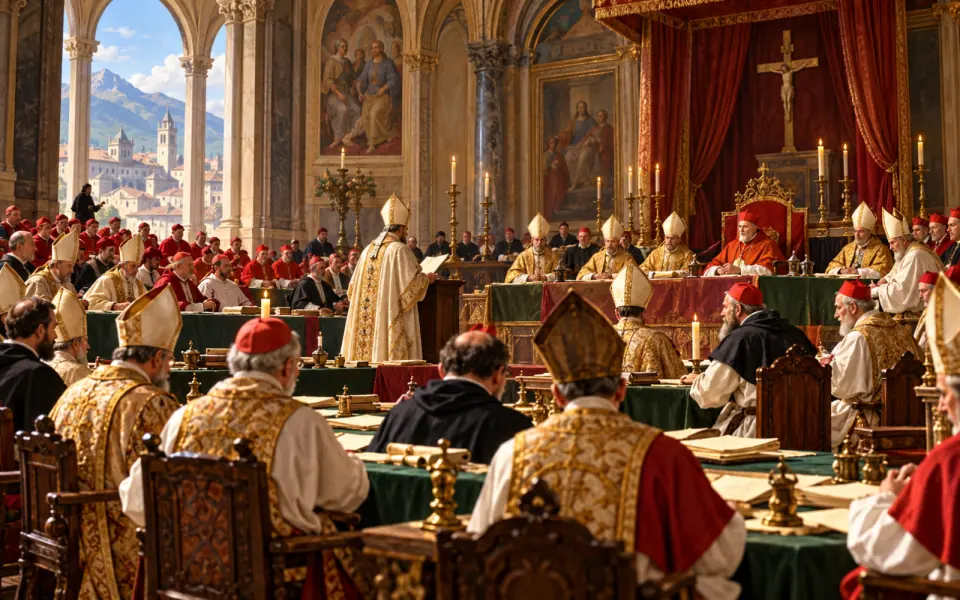
Early modern age
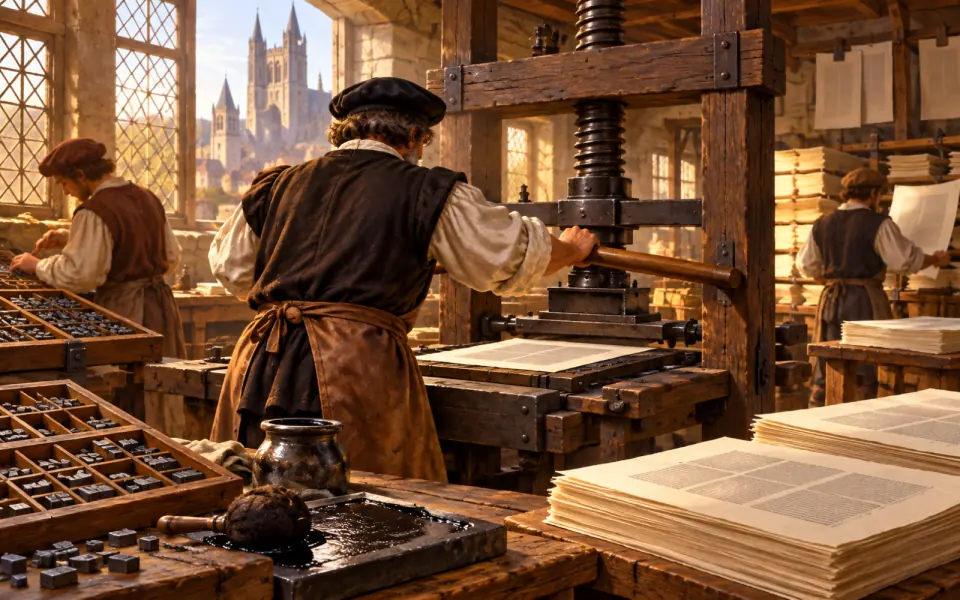
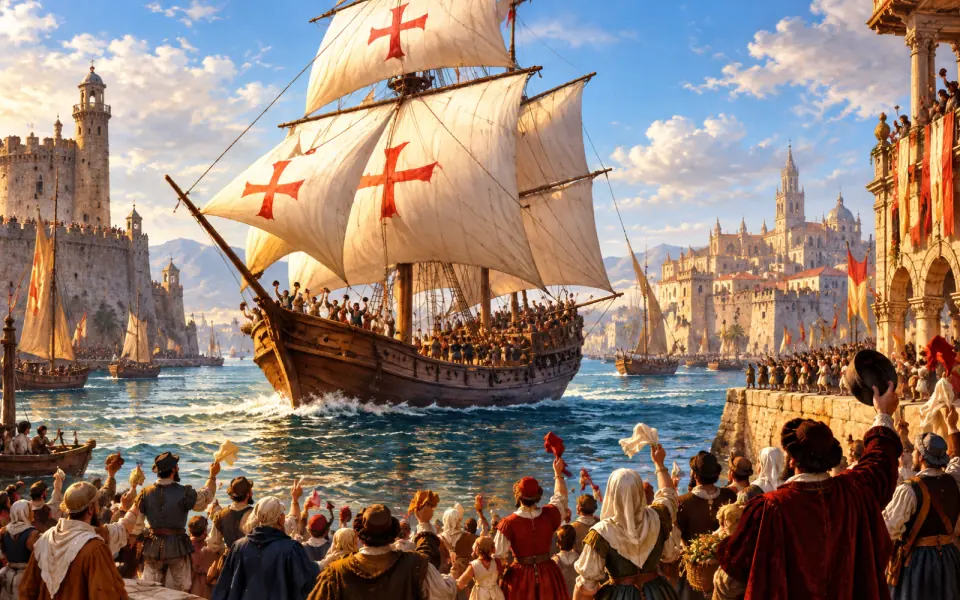
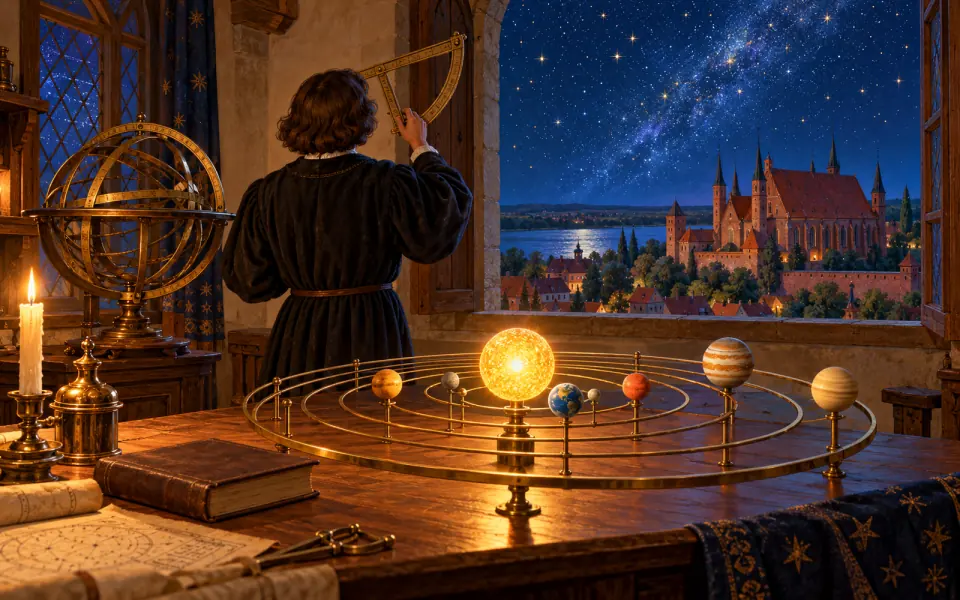
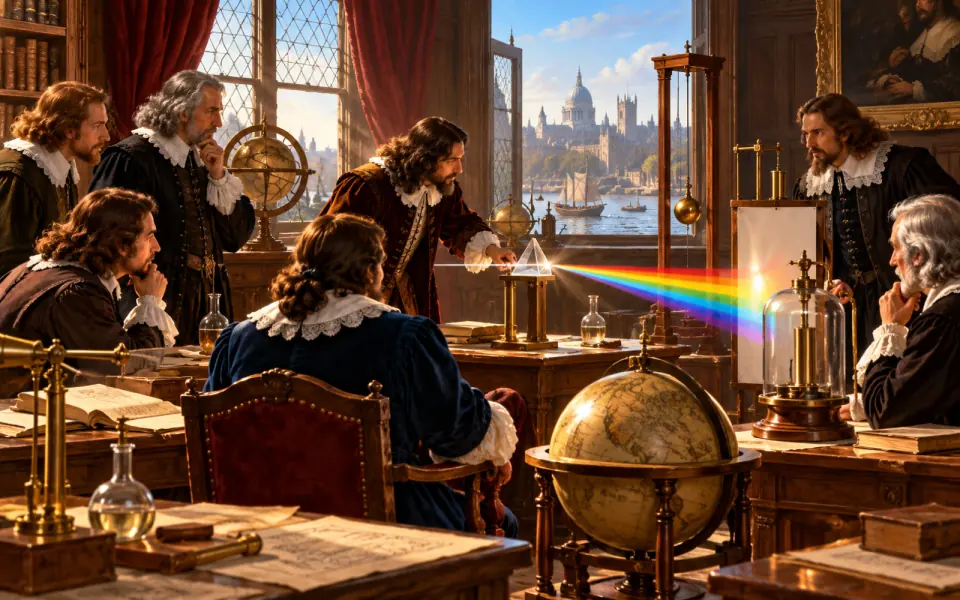
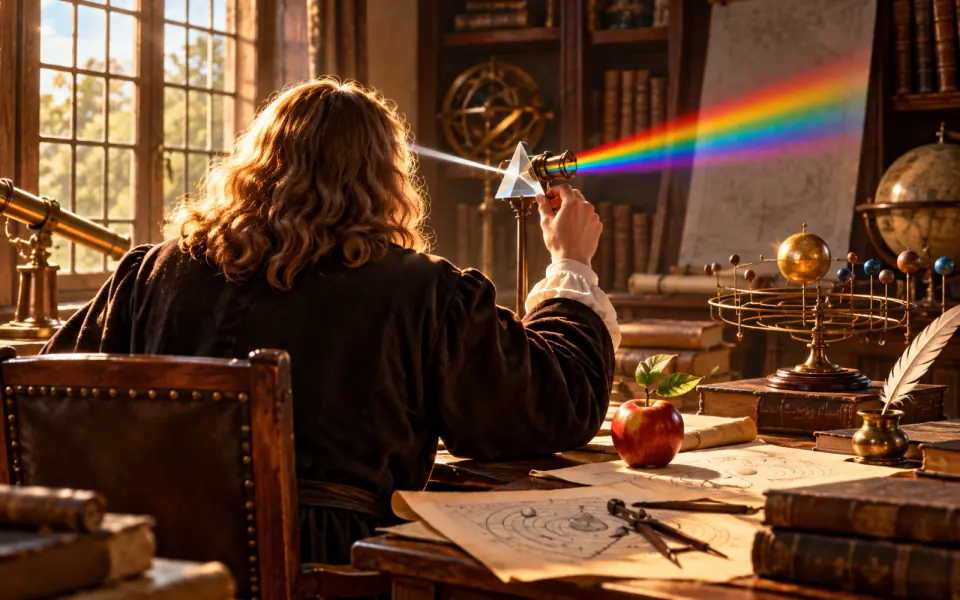
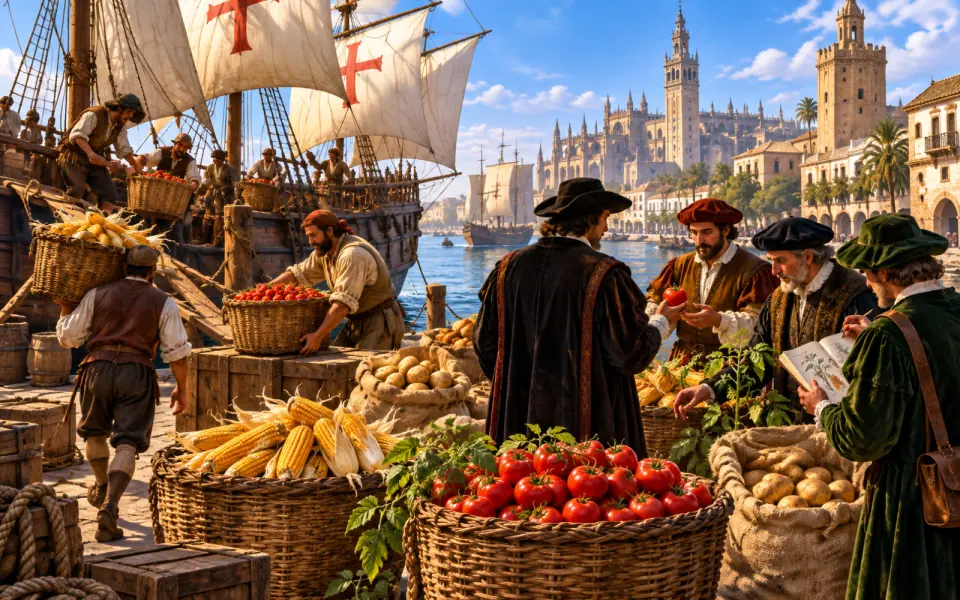
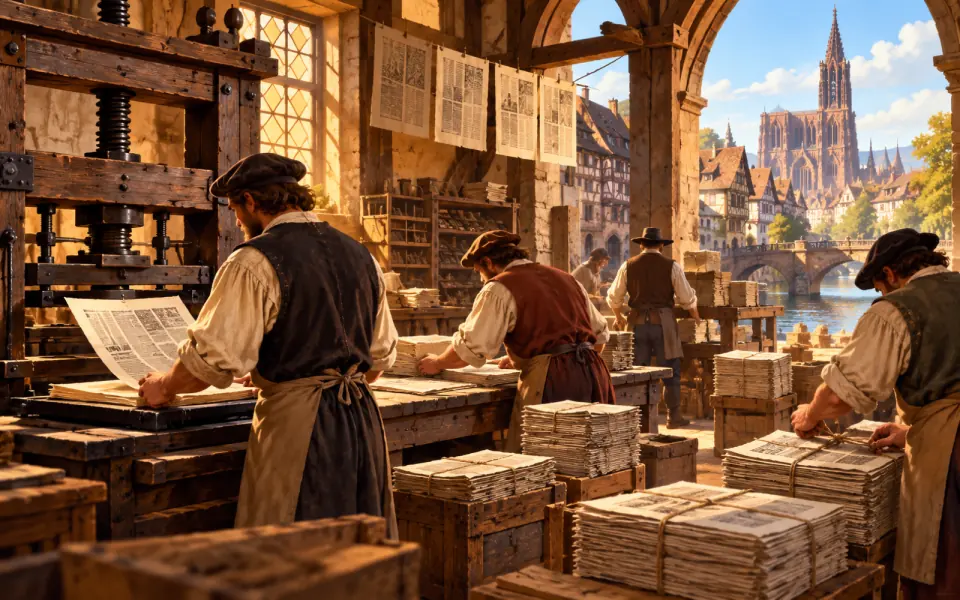
Early modern age
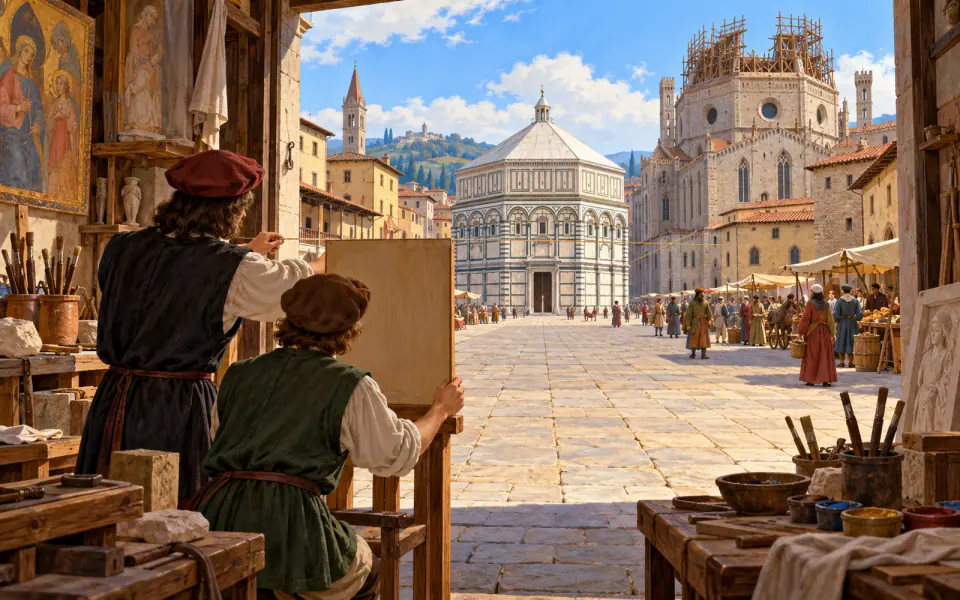
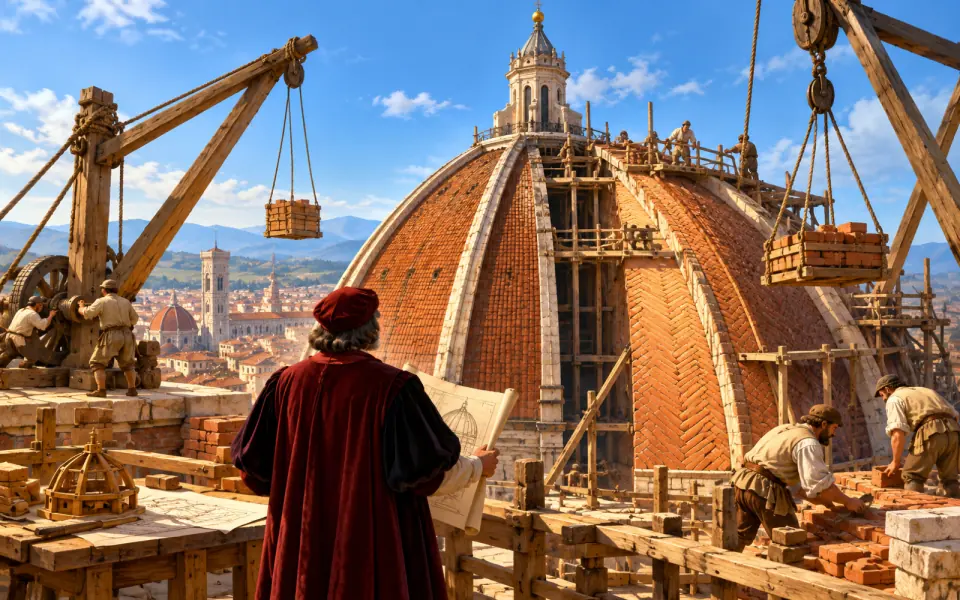
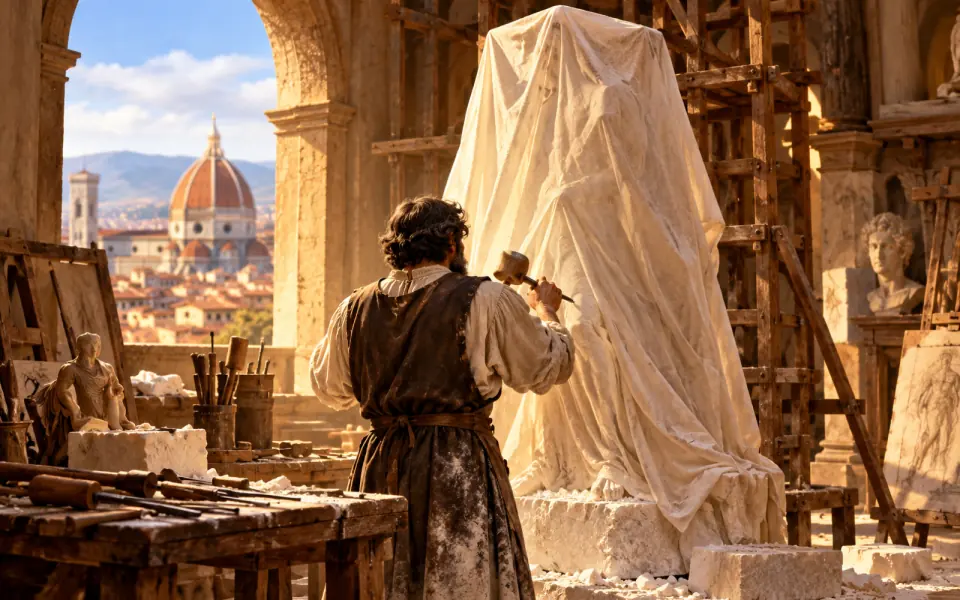
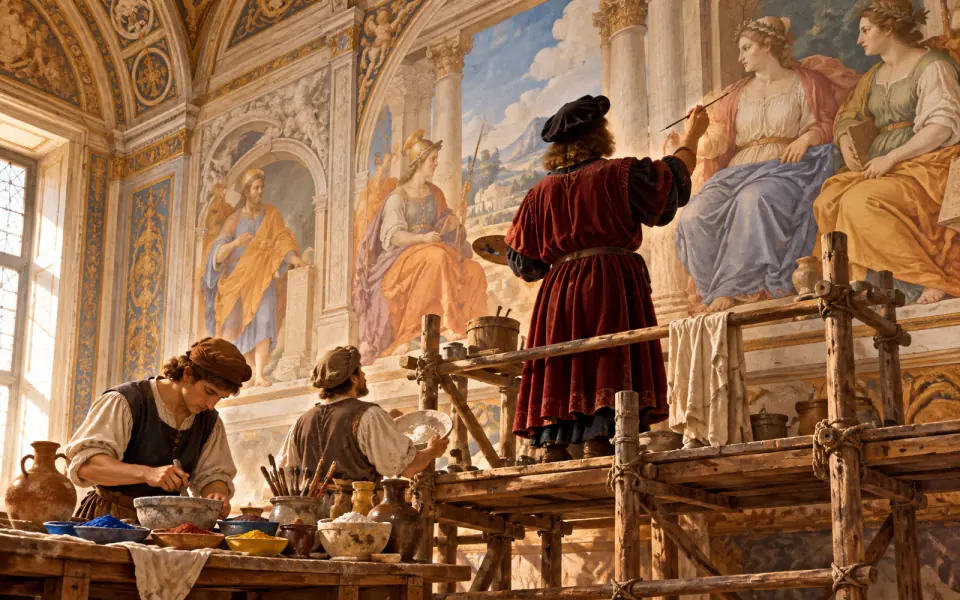
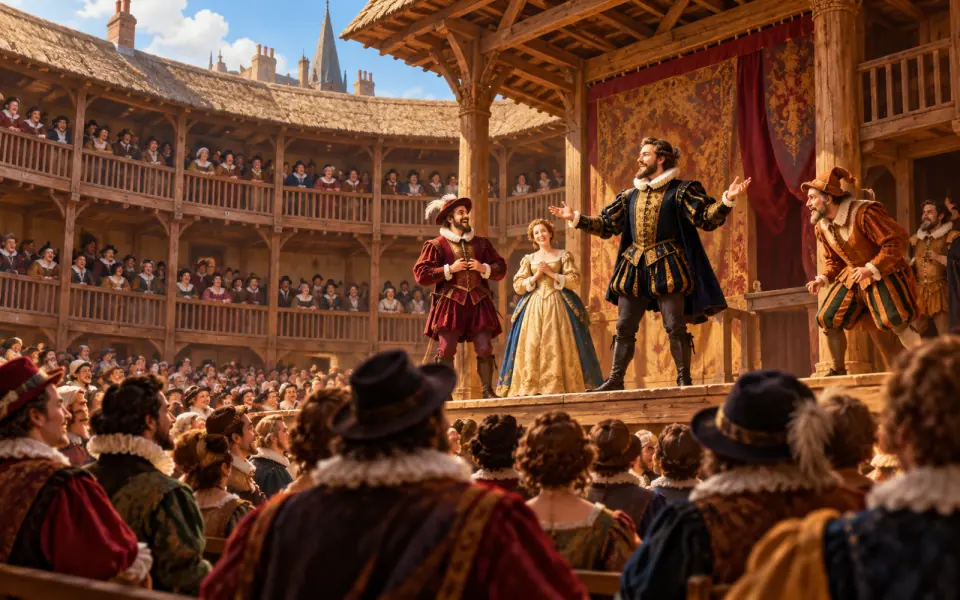
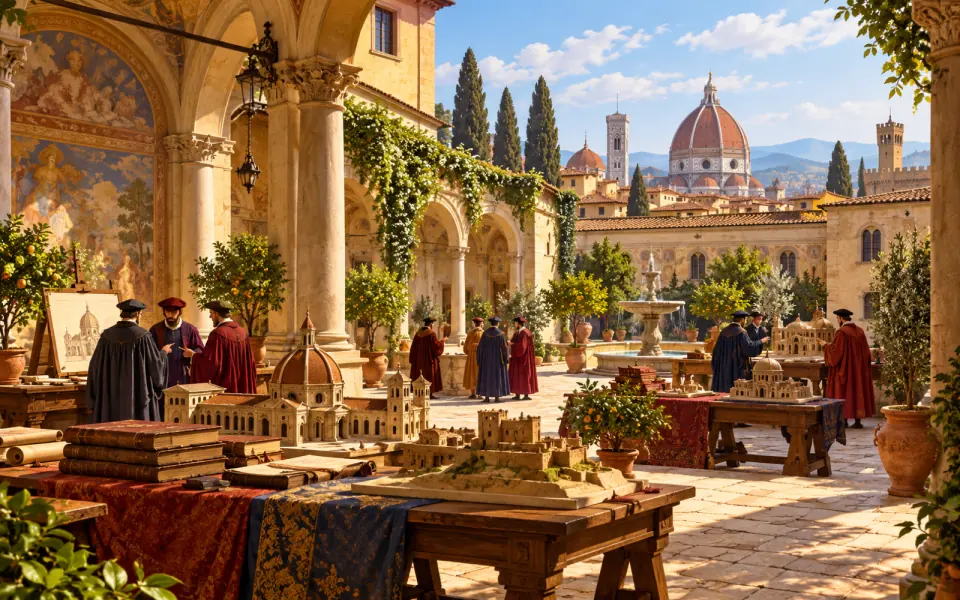
- Brunelleschi's dome weighs about 37,000 tonnes and is still the largest brick dome ever built.
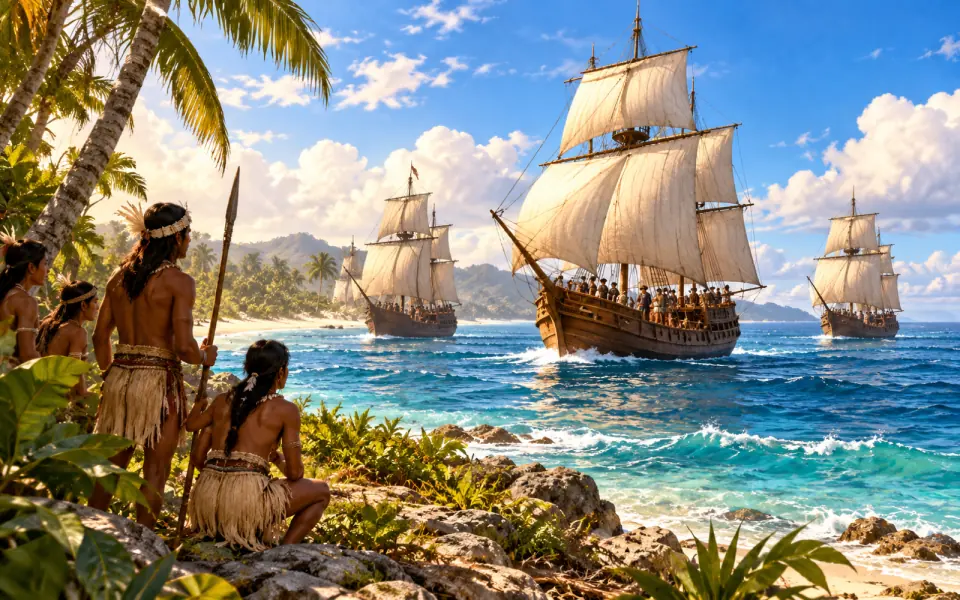
- When the sailors came home from the first voyage round the world, they realised they had ‘lost’ a day: by always sailing west they had seen one sunset fewer than the people who stayed at home. Antonio Pigafetta noted it in his diary.
- Not everyone adopted the Gregorian calendar straight away: Great Britain and its colonies did so only in 1752, and Russia not until 1918.
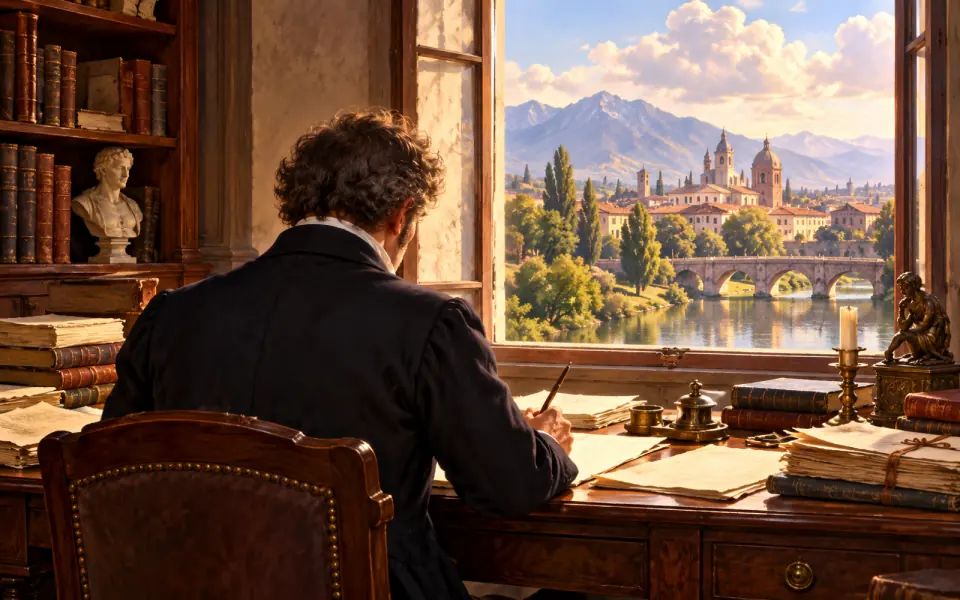
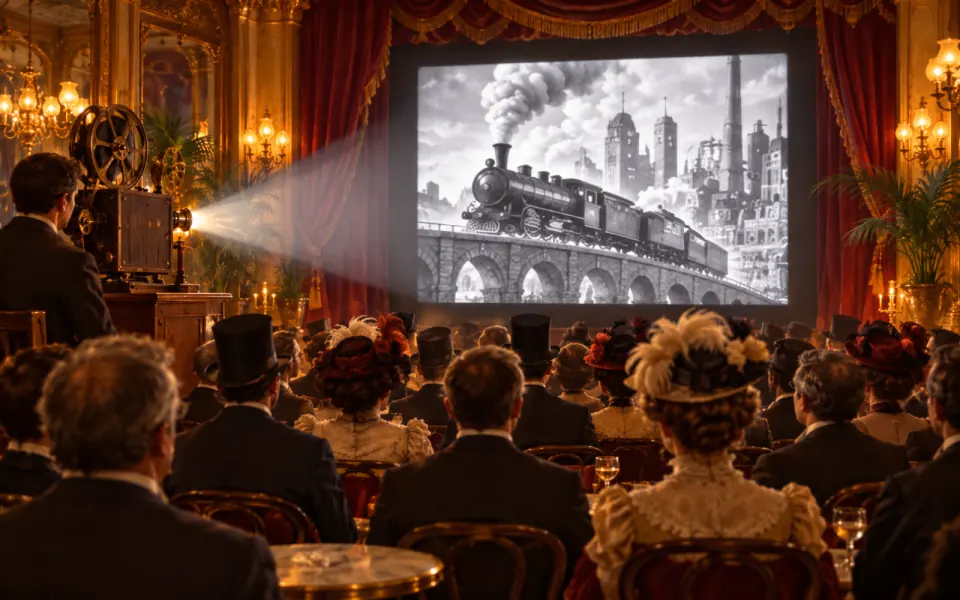
10 · Age of revolutions
from 1700 to 1900
School year (Italy): lower secondary year 2
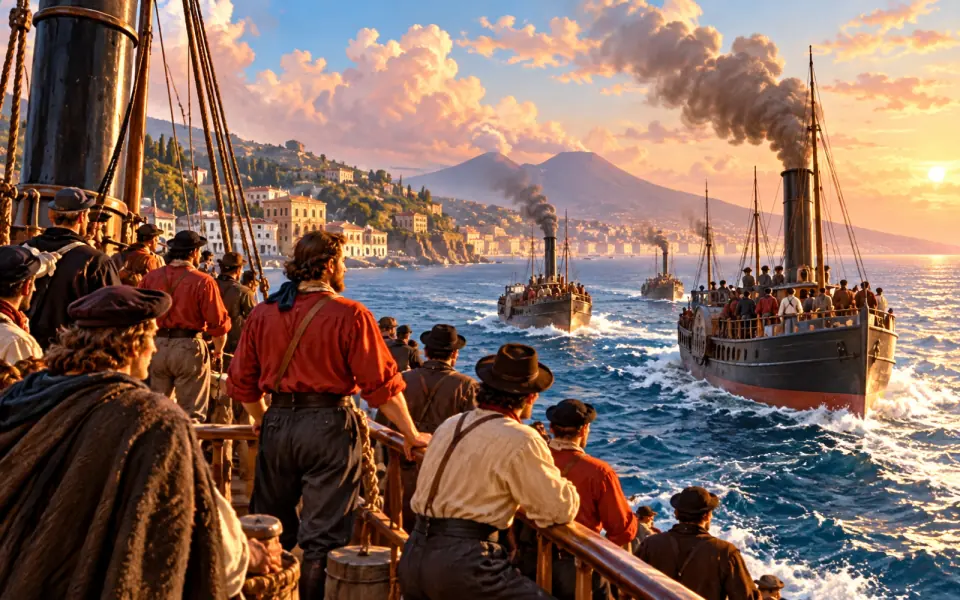
In short: steam, revolutions, the unification of Italy
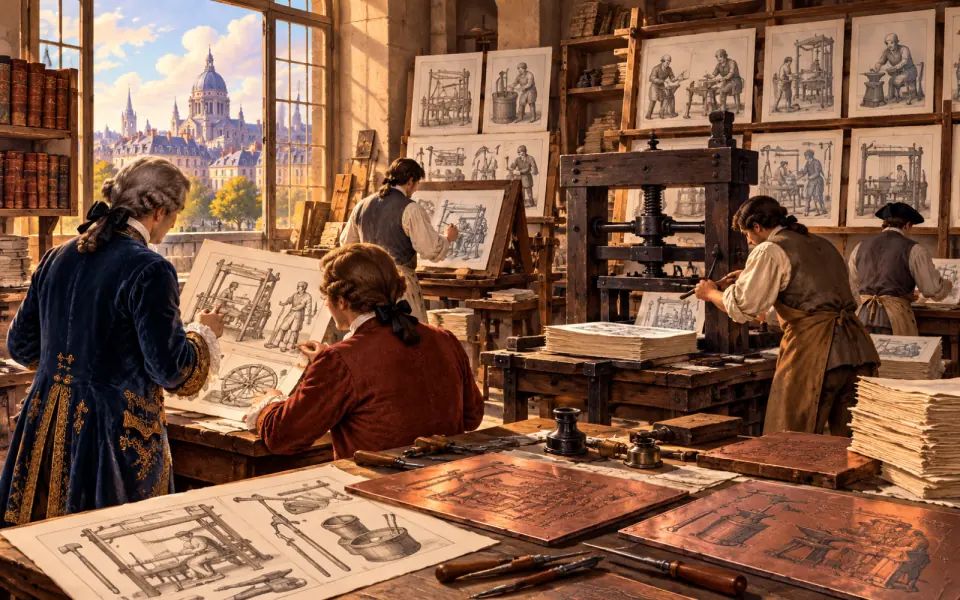
Age of revolutions
Age of revolutions
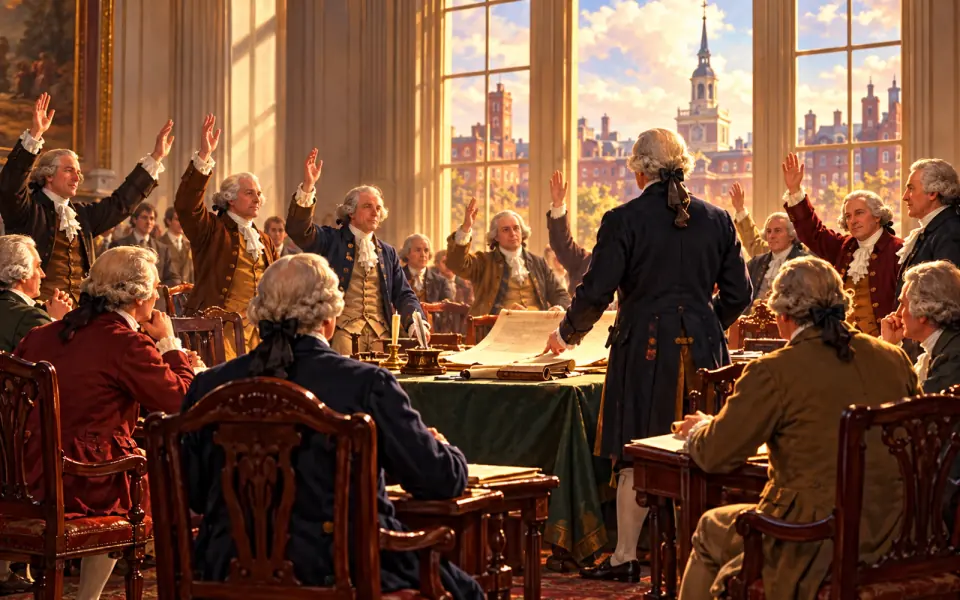
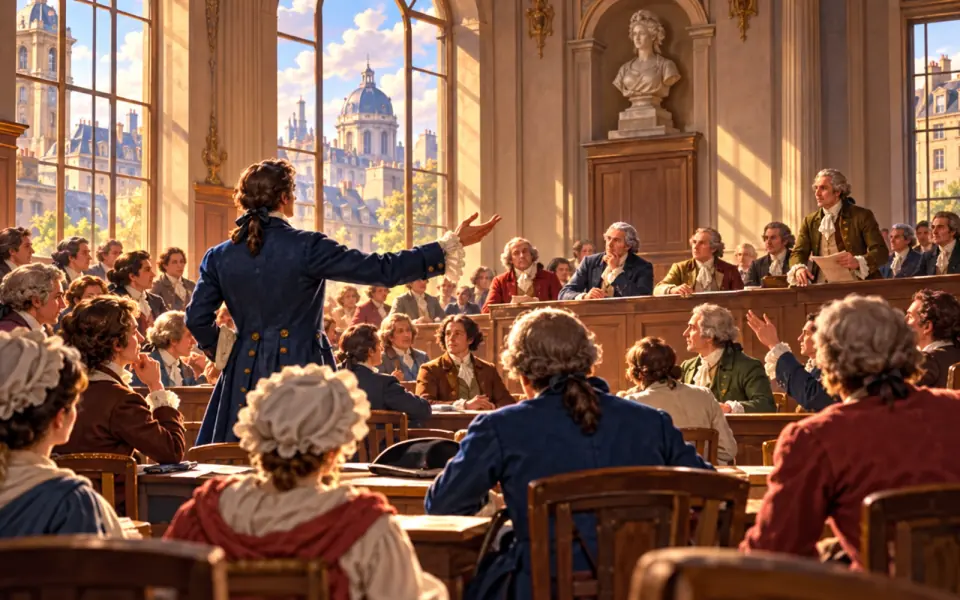
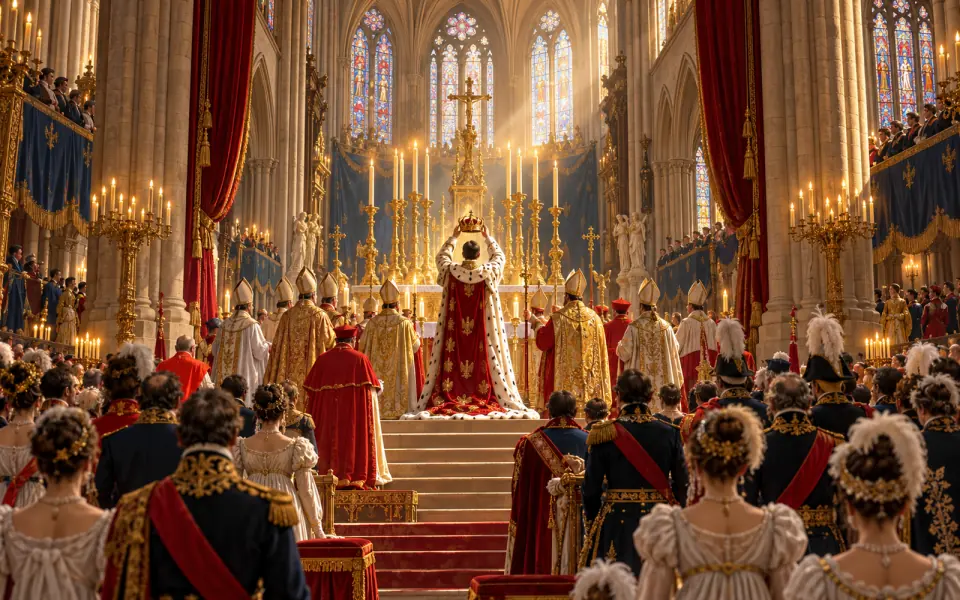
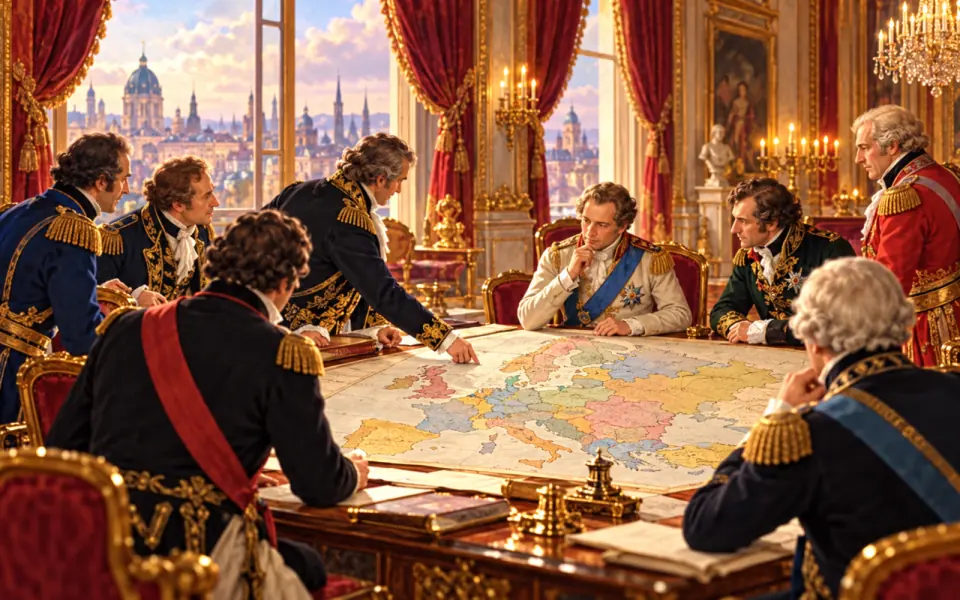
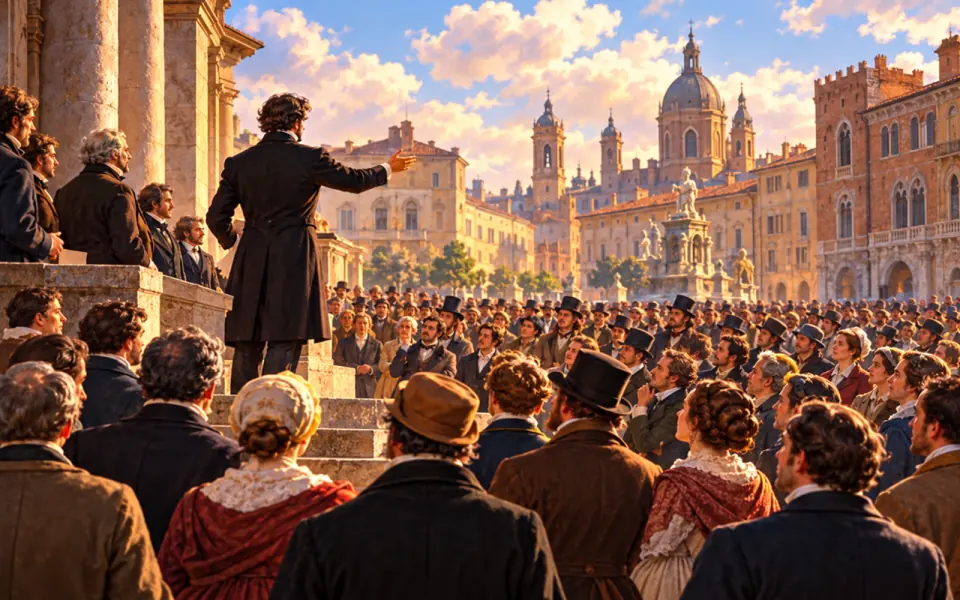
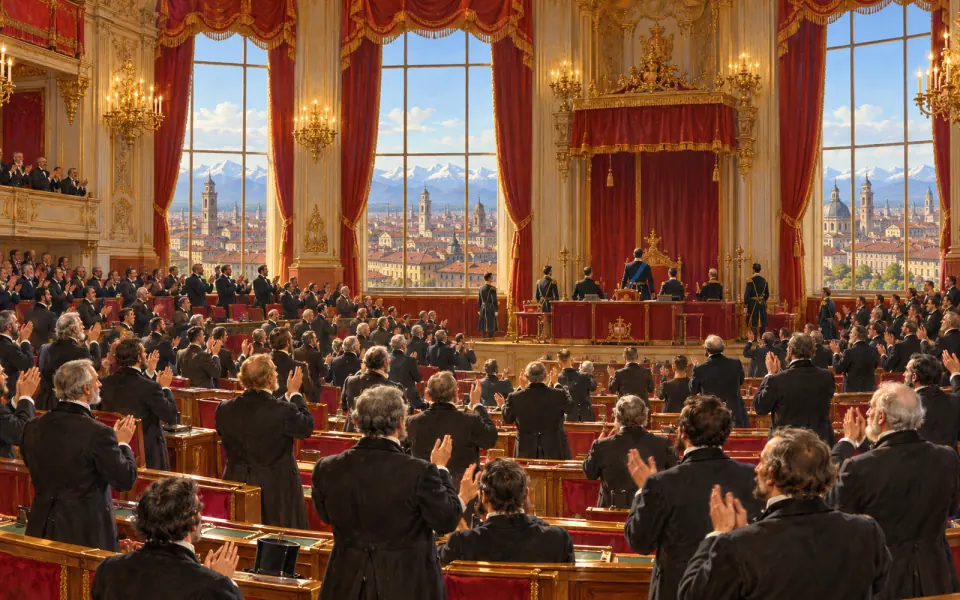
Age of revolutions
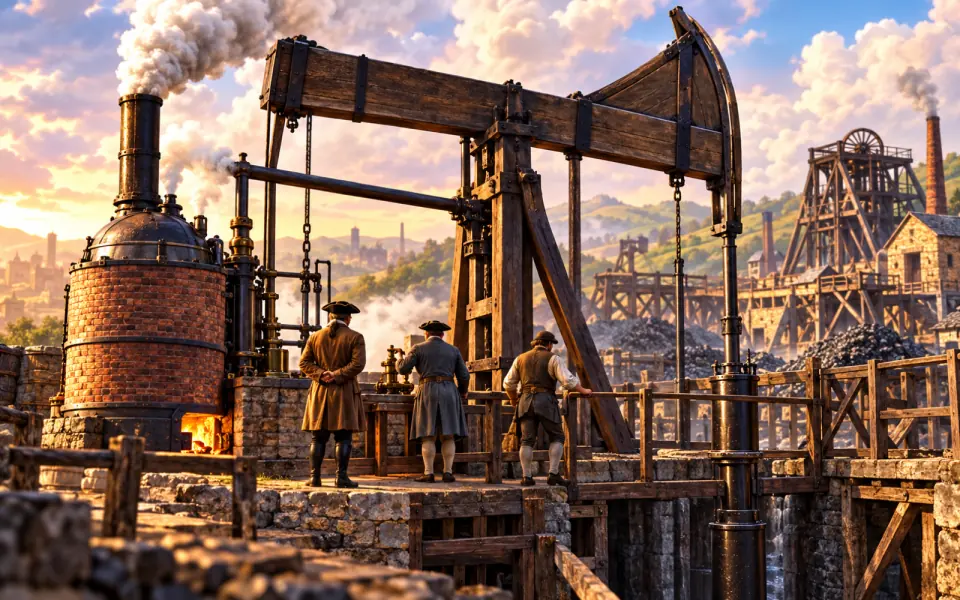
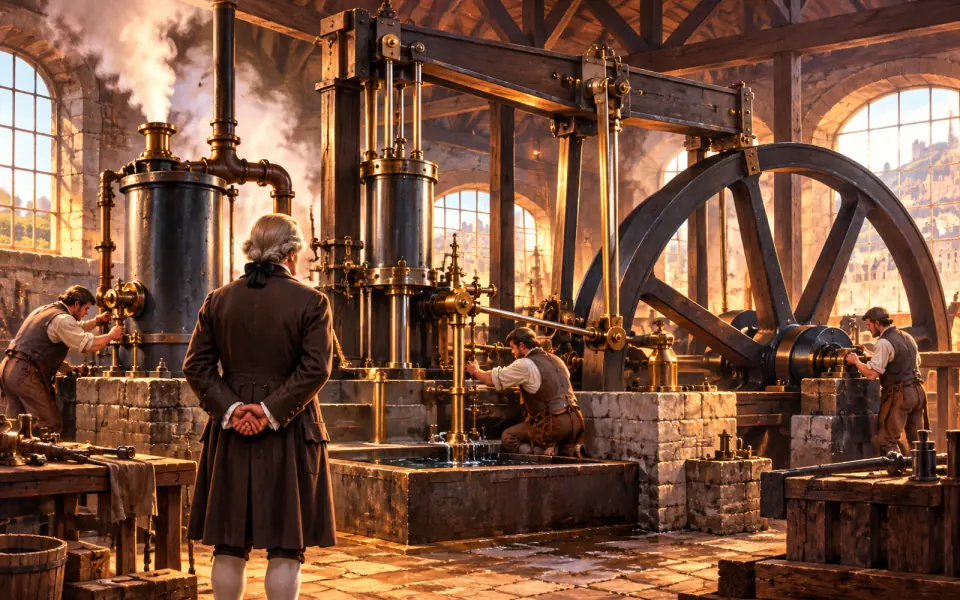

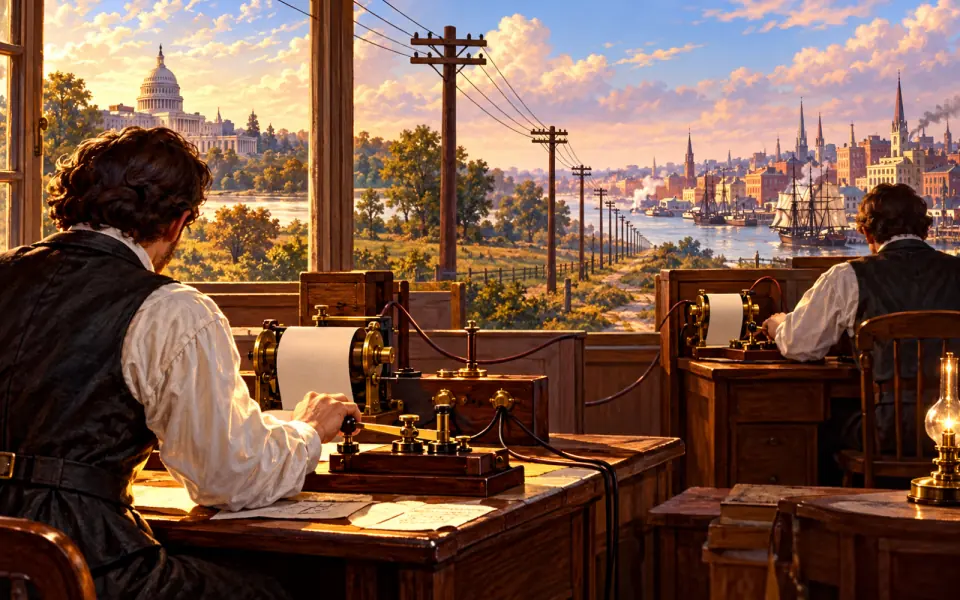
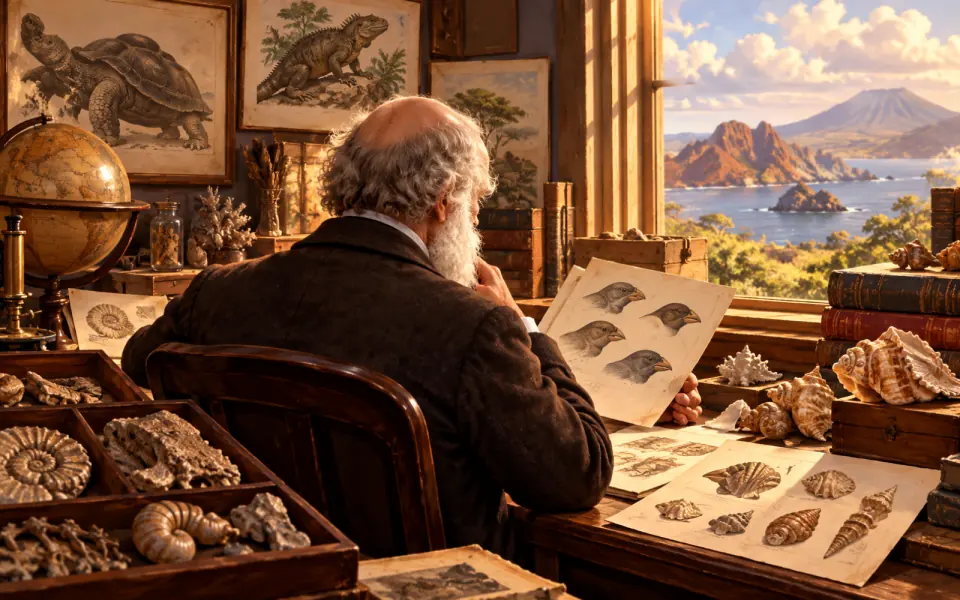
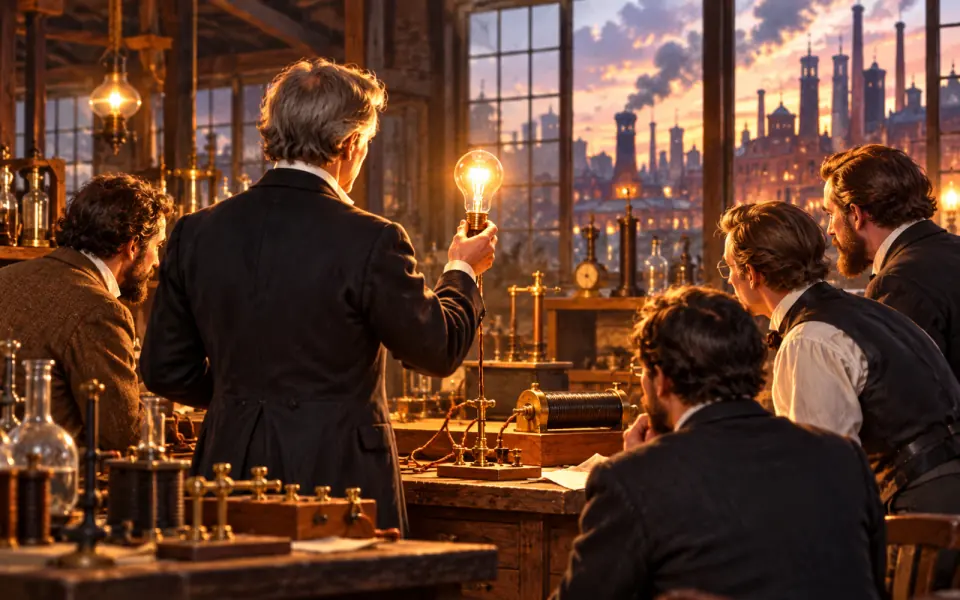
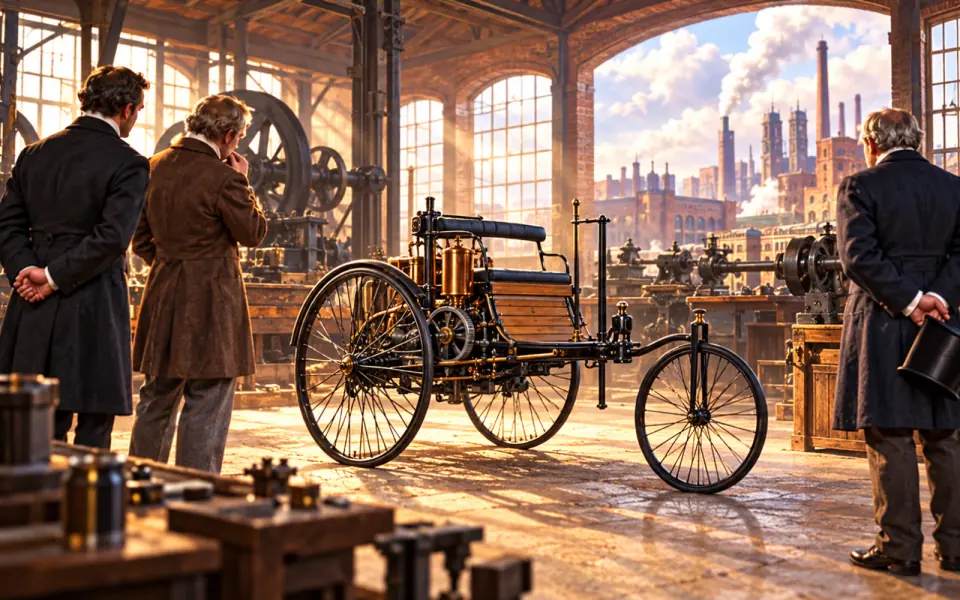
Age of revolutions
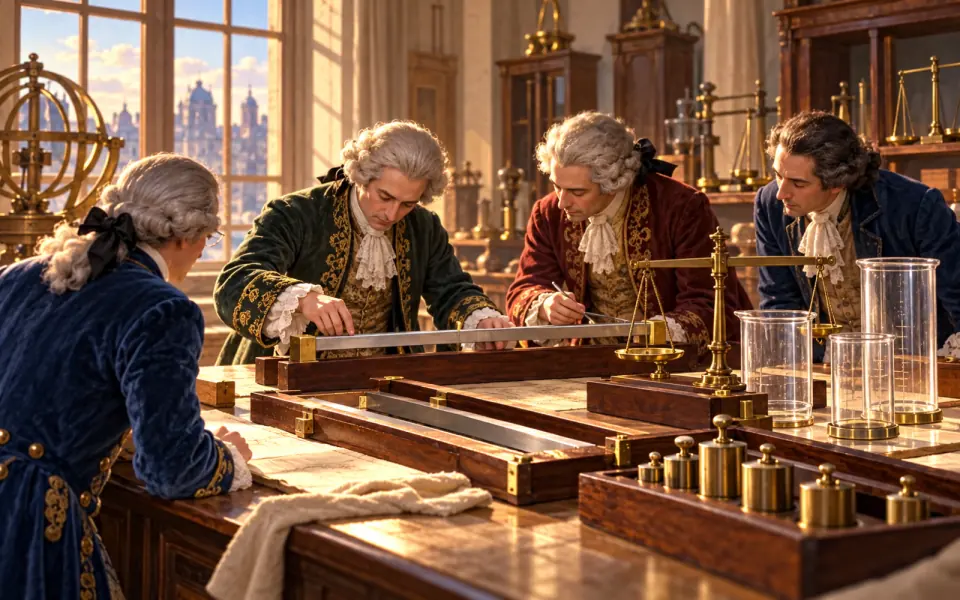
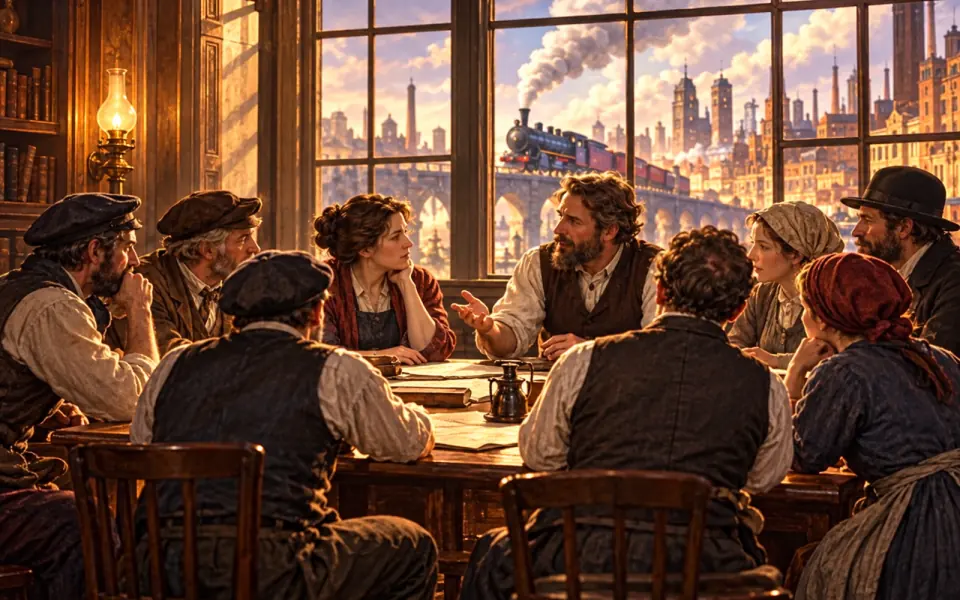
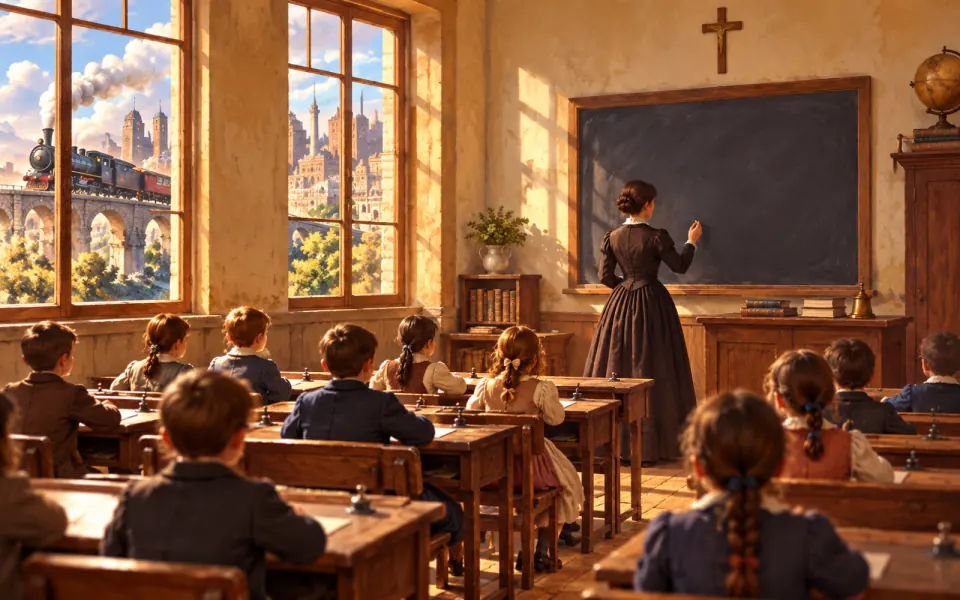
Age of revolutions
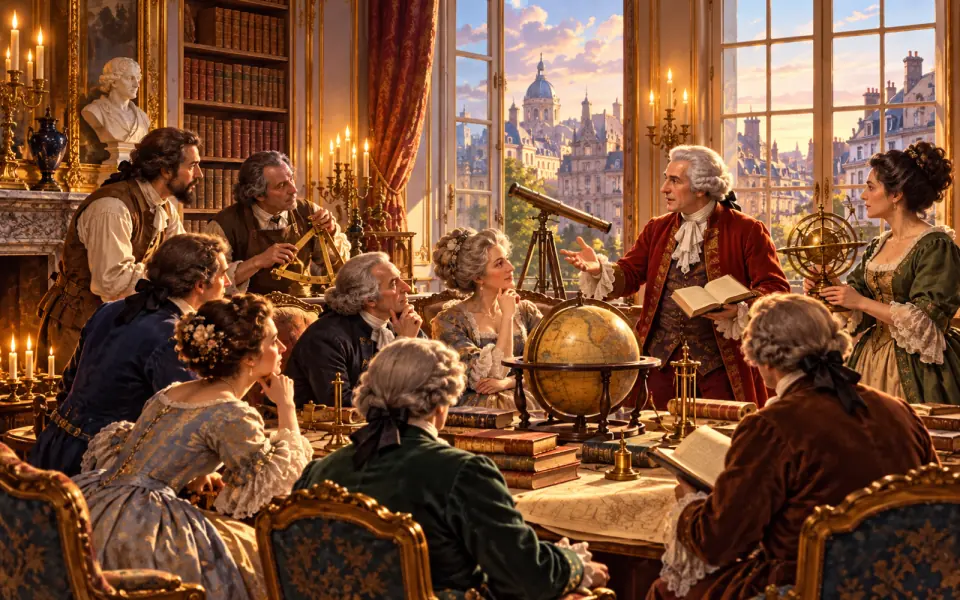
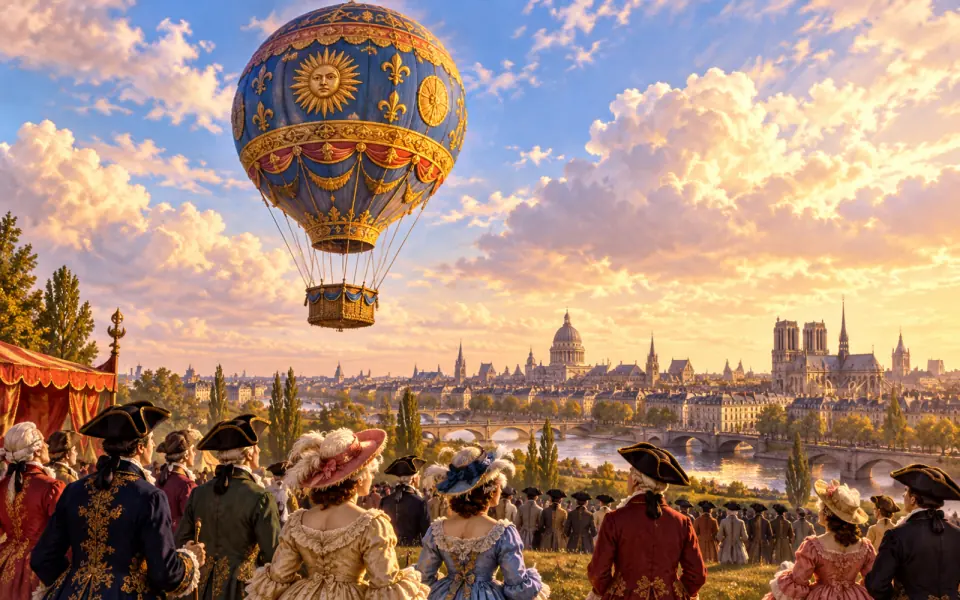
- The first passengers in a hot-air balloon were not people: in September 1783, at Versailles, a sheep, a duck and a cockerel flew and landed safe and sound.
- Before the metre, France had hundreds of different units of measurement, which changed from one town to the next.
- To write The Betrothed in a language everyone could understand, Alessandro Manzoni went to Florence to ‘rinse his clothes in the Arno’, meaning to learn the Italian spoken by educated Florentines.
11 · Early 20th century
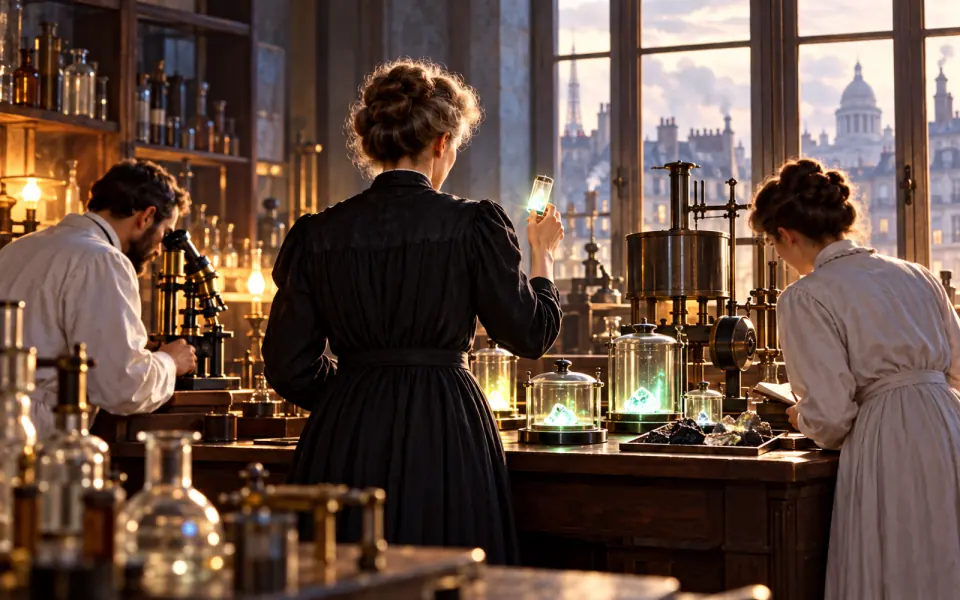
from 1900 to 1950
School year (Italy): lower secondary year 3
In short: world wars, the Italian Republic, the Constitution
Early 20th century
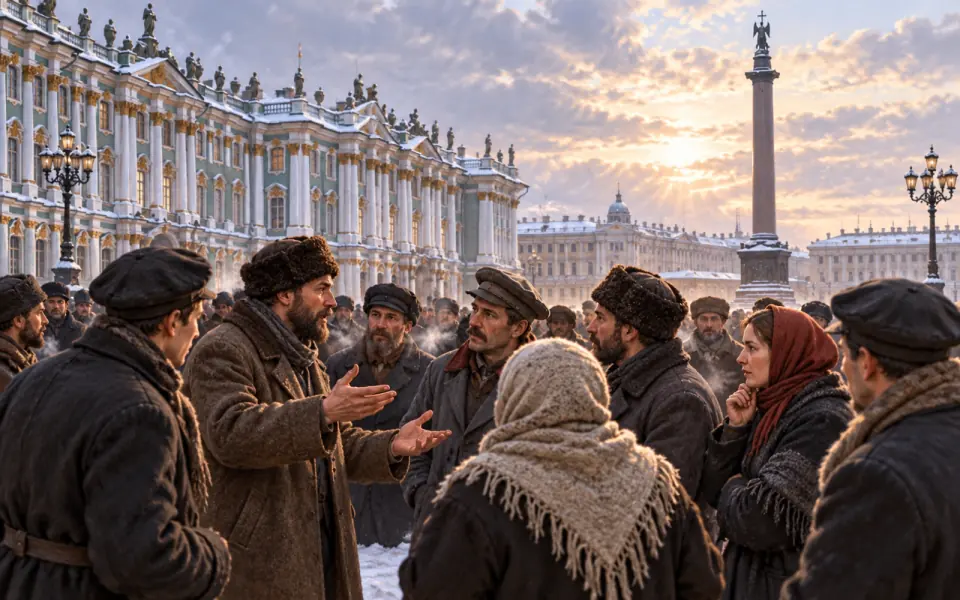
Early 20th century
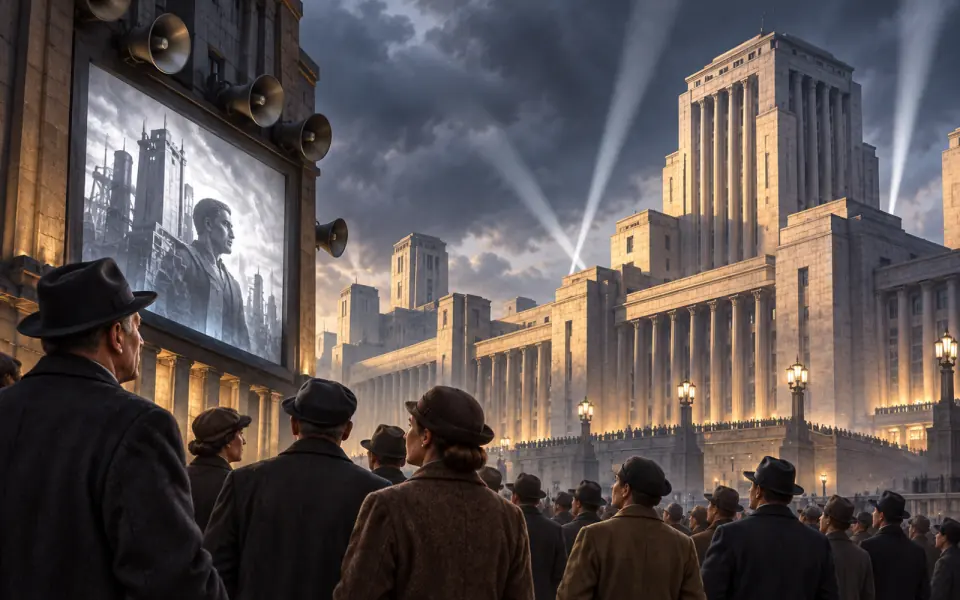
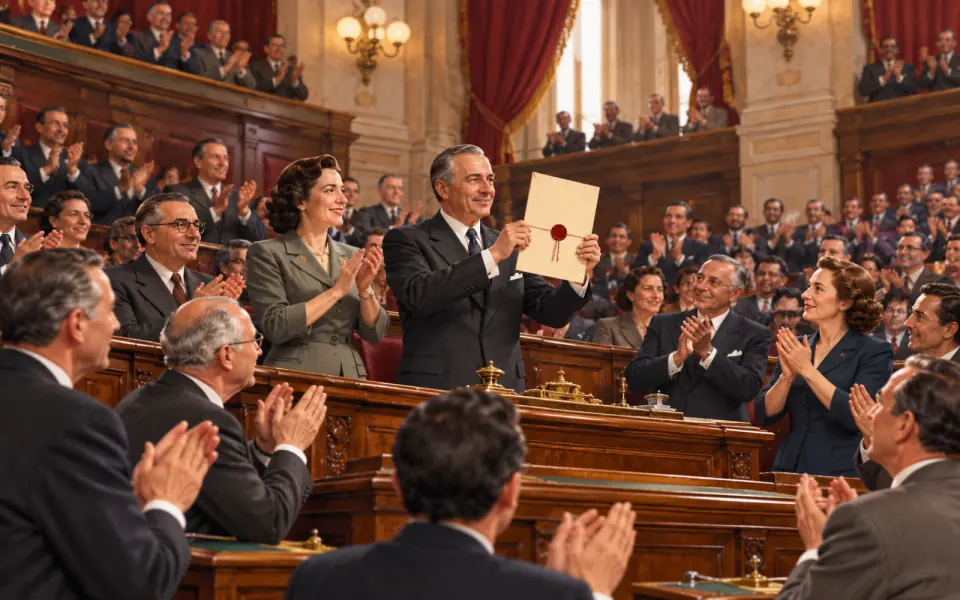
Early 20th century
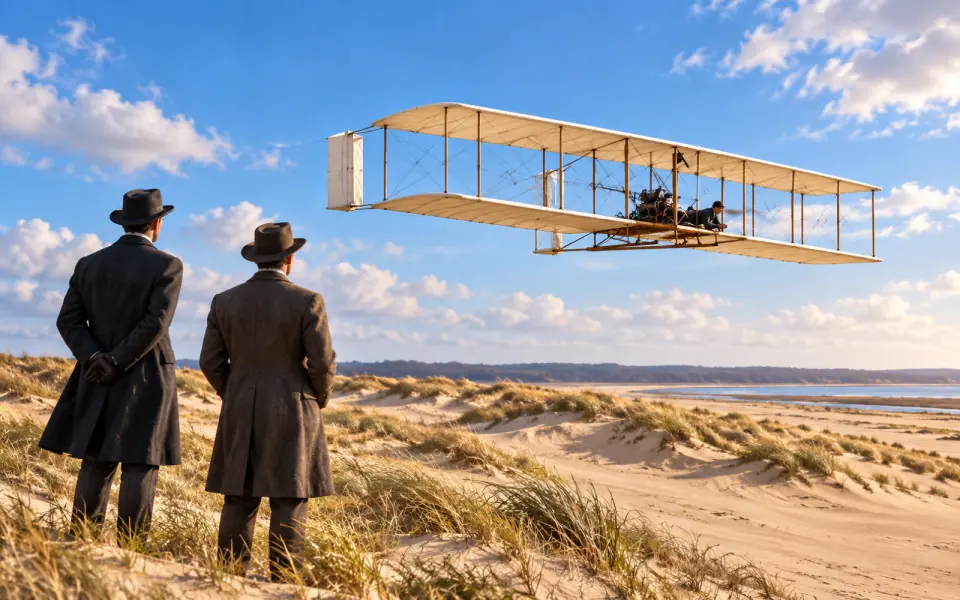
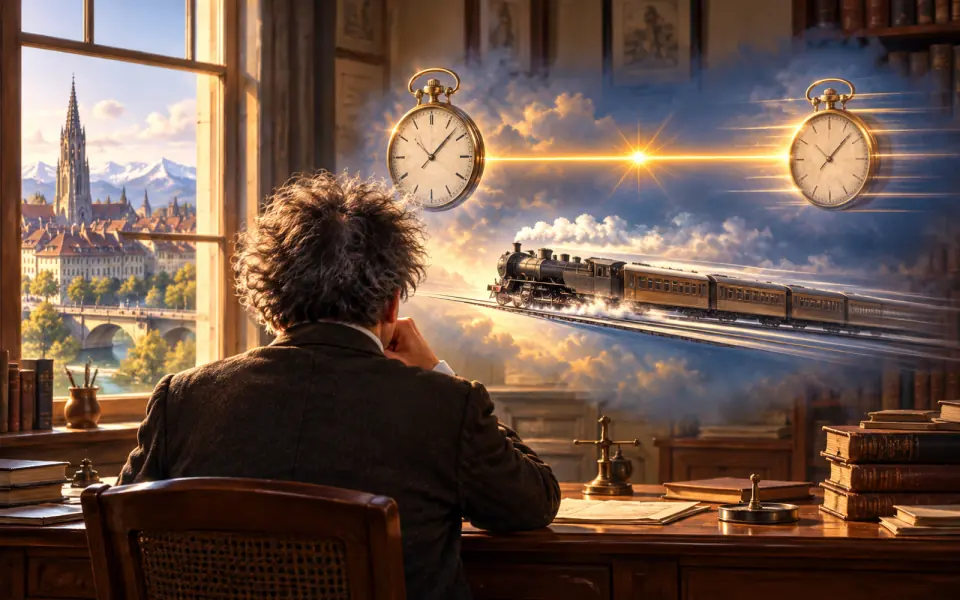
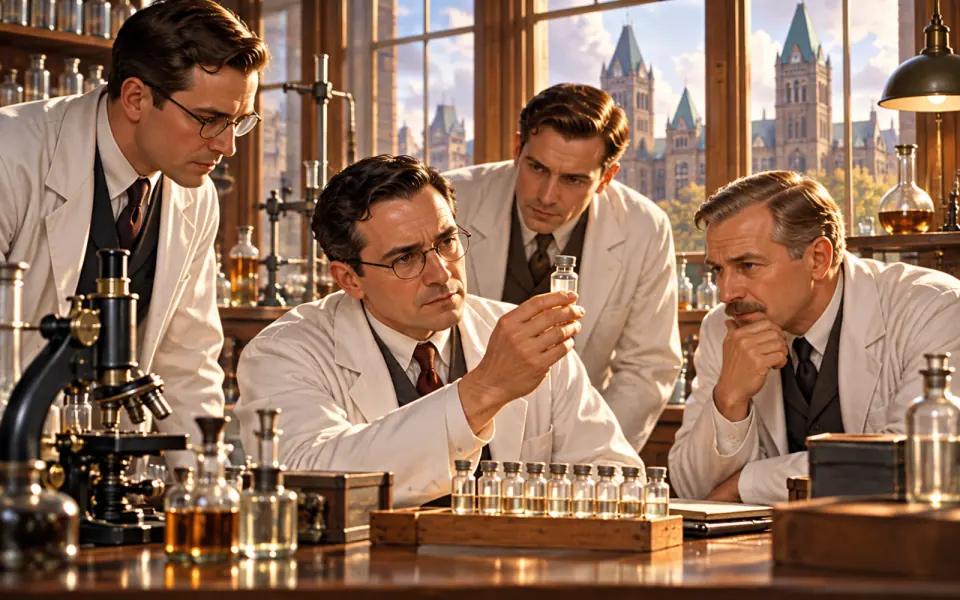
Early 20th century
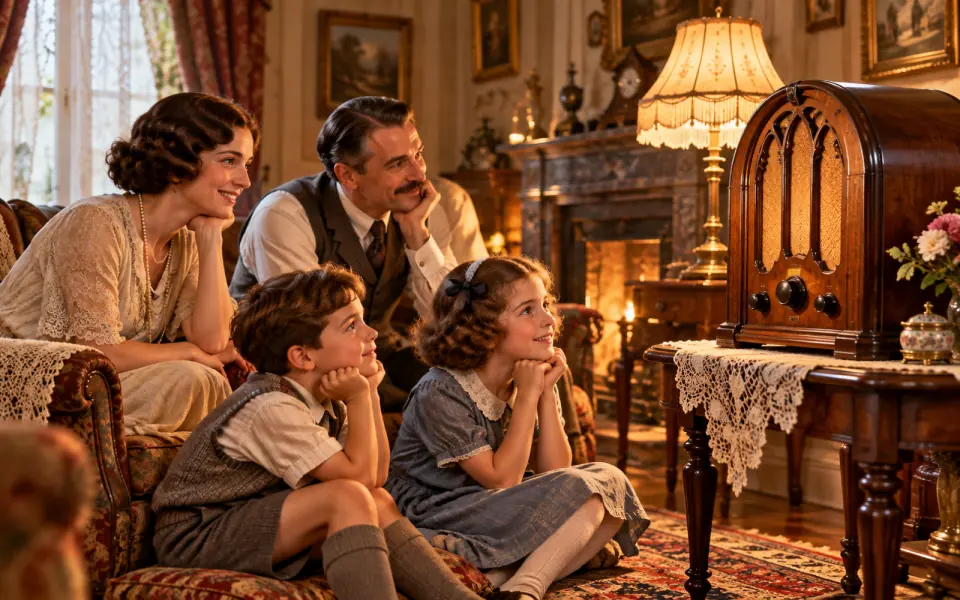
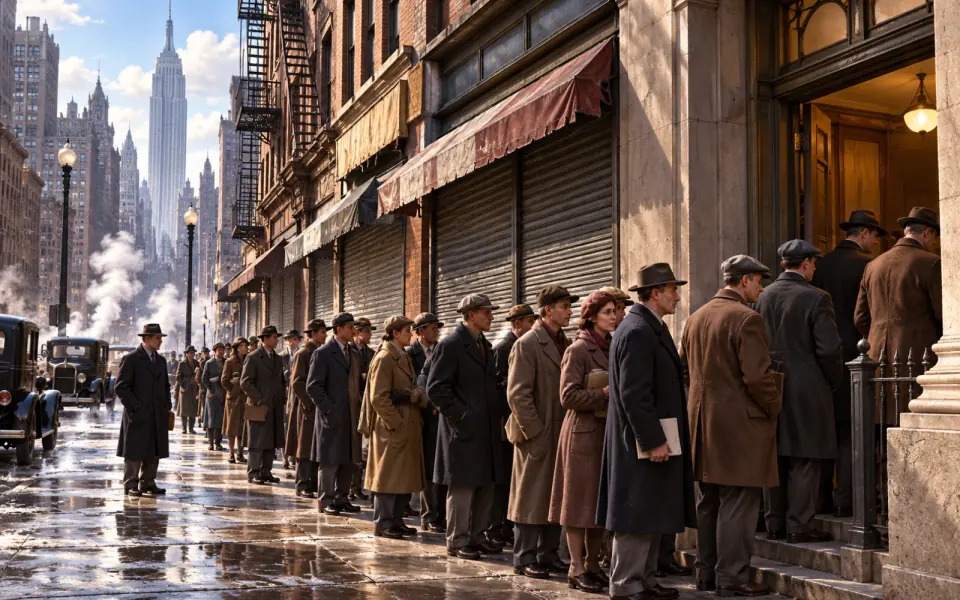
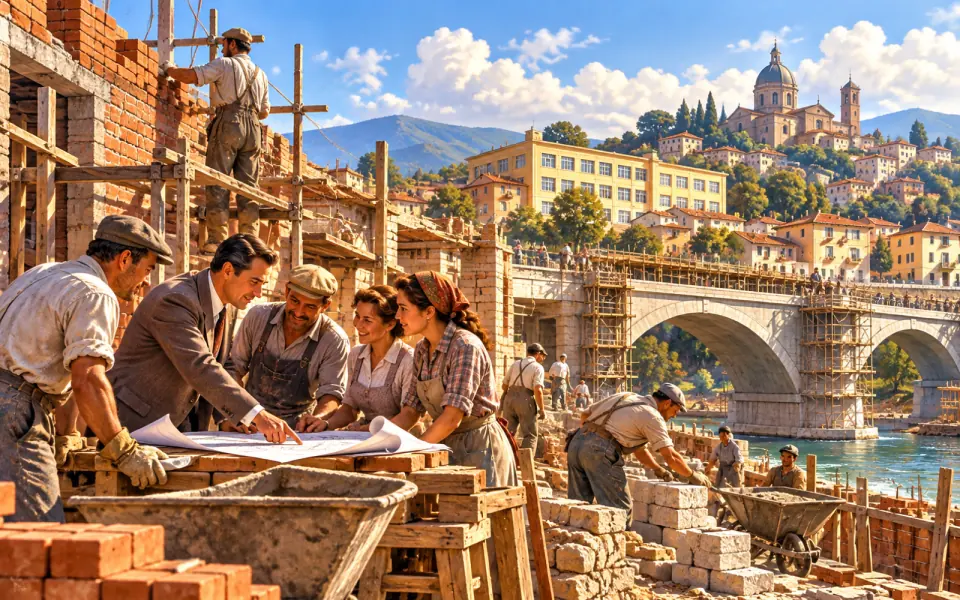
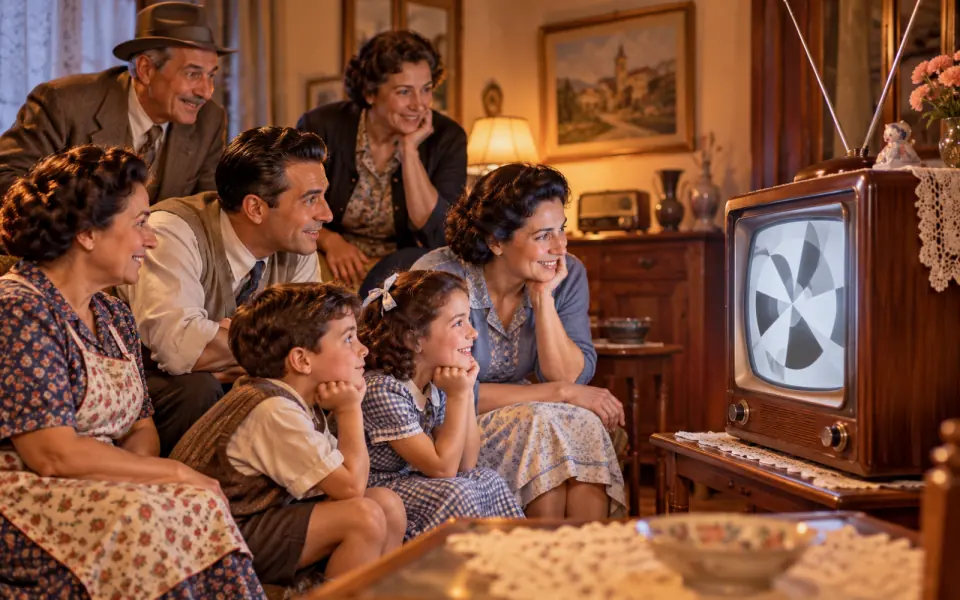
Early 20th century
- The Wright brothers' first flight lasted 12 seconds and covered about 36 metres: less than the wingspan of a large airliner today.
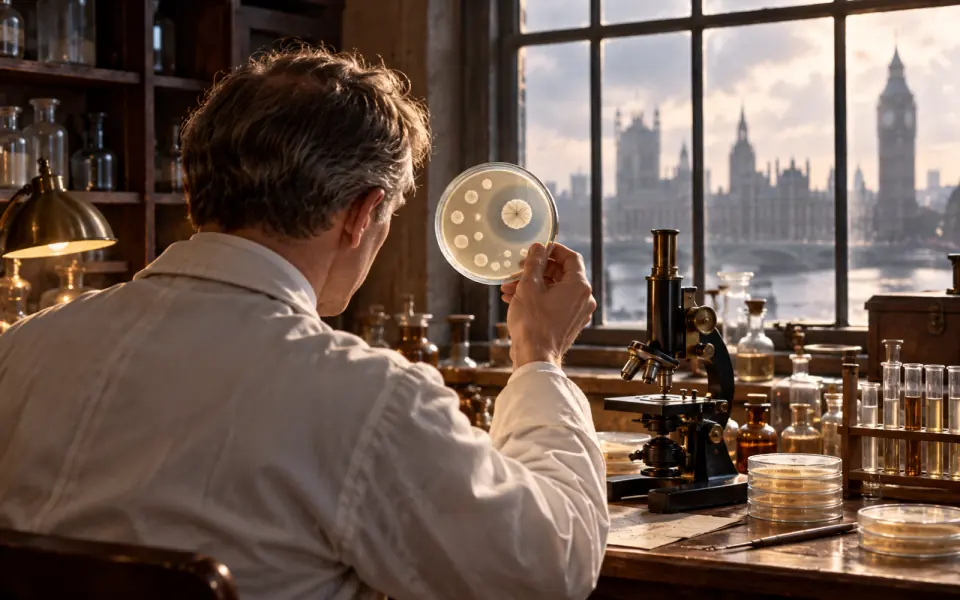
- Penicillin was discovered almost by chance: Fleming came back from holiday and found a mould growing on a dish of bacteria left on his laboratory bench.
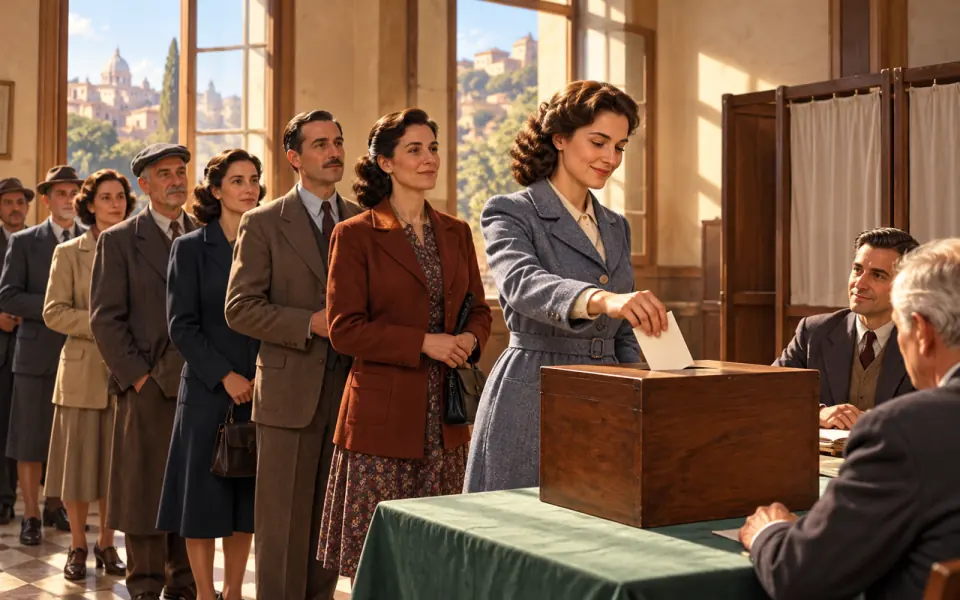
- In 1946 Italian women voted across the whole country for the first time, and 21 of them became members of the Assembly that wrote the Constitution.
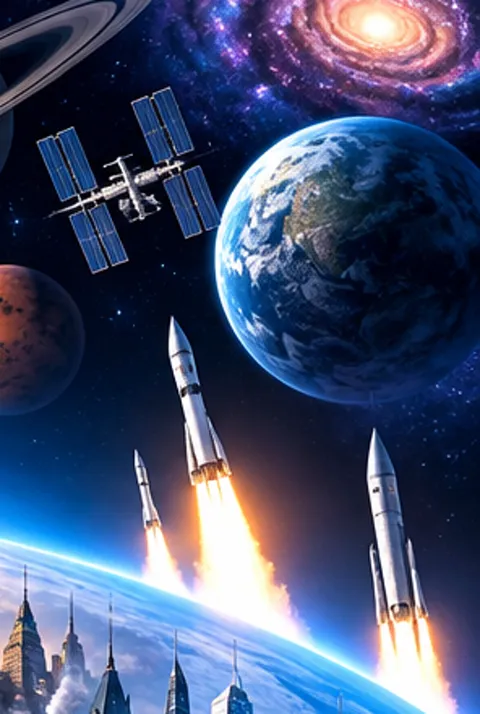
12 · Today
from 1950 to today
School year (Italy): lower secondary year 3
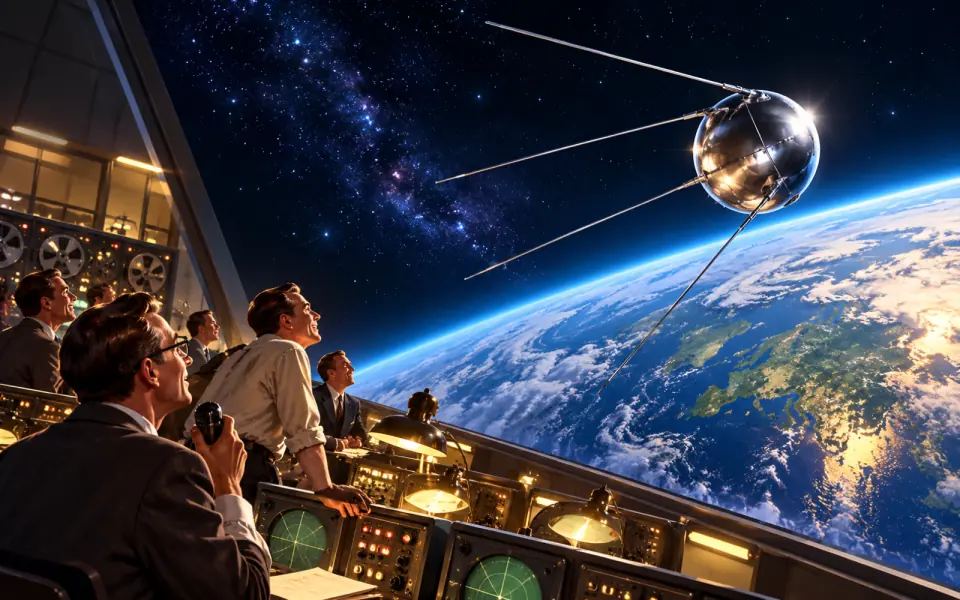
In short: space, computers, Europe, the internet
Today
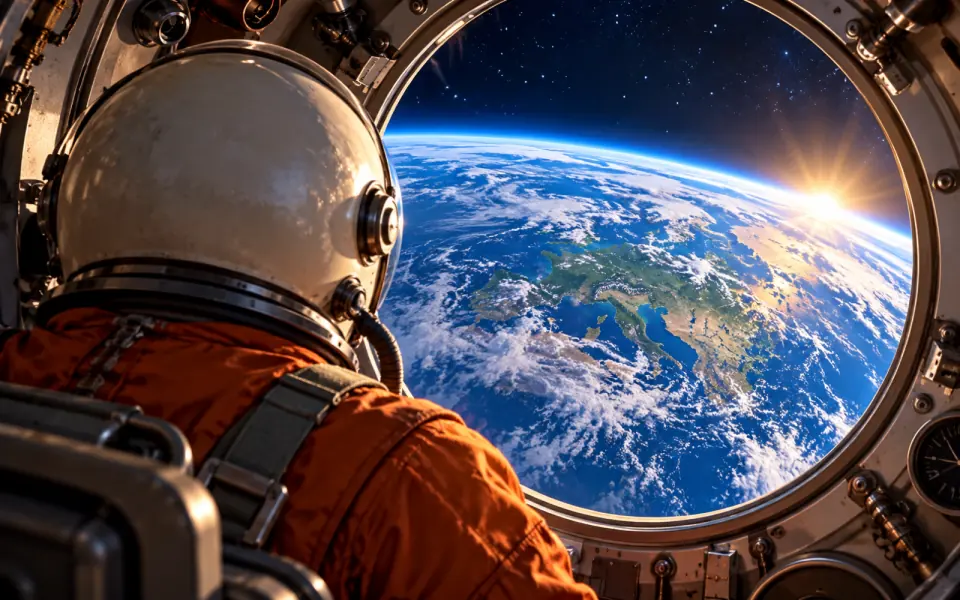
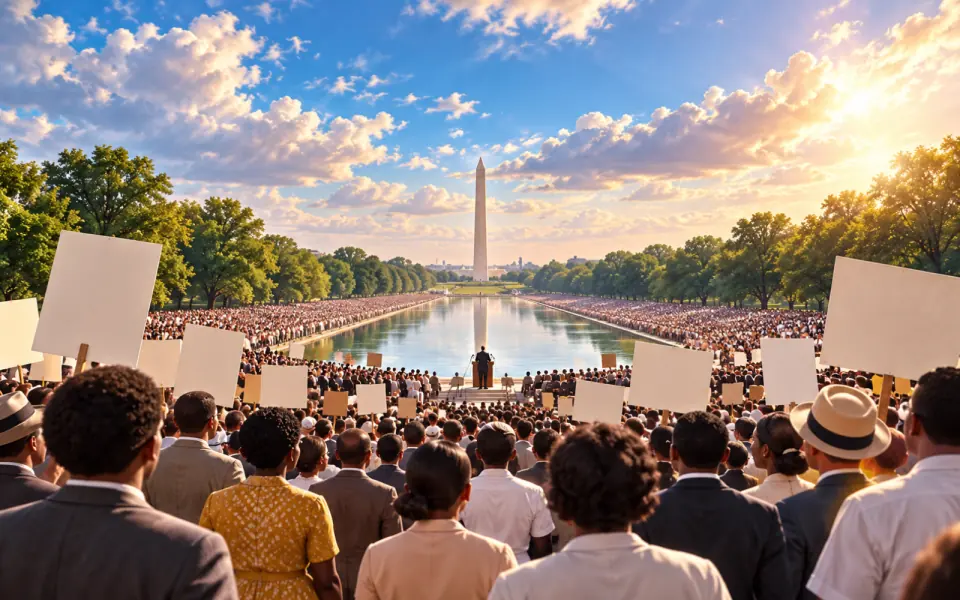
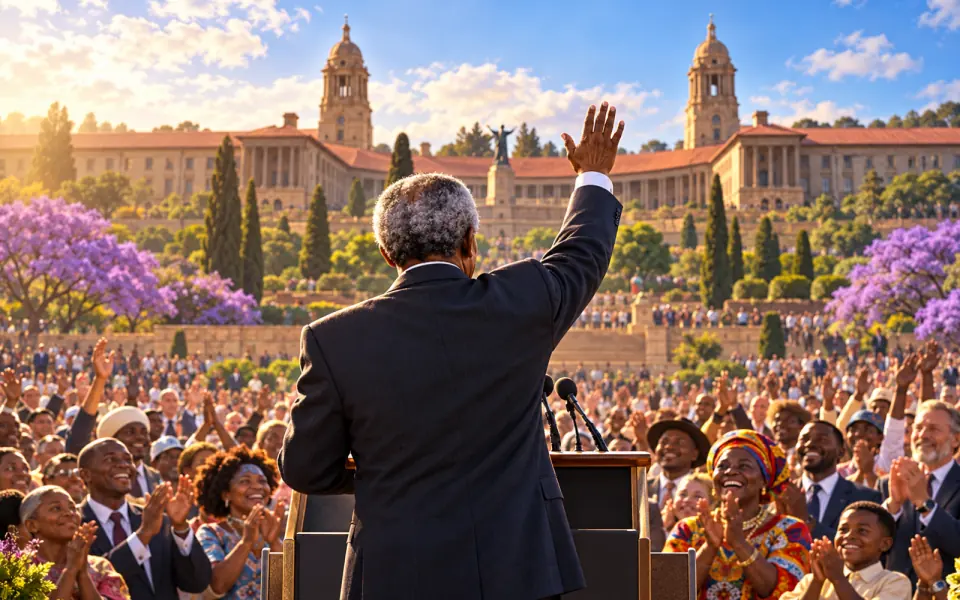
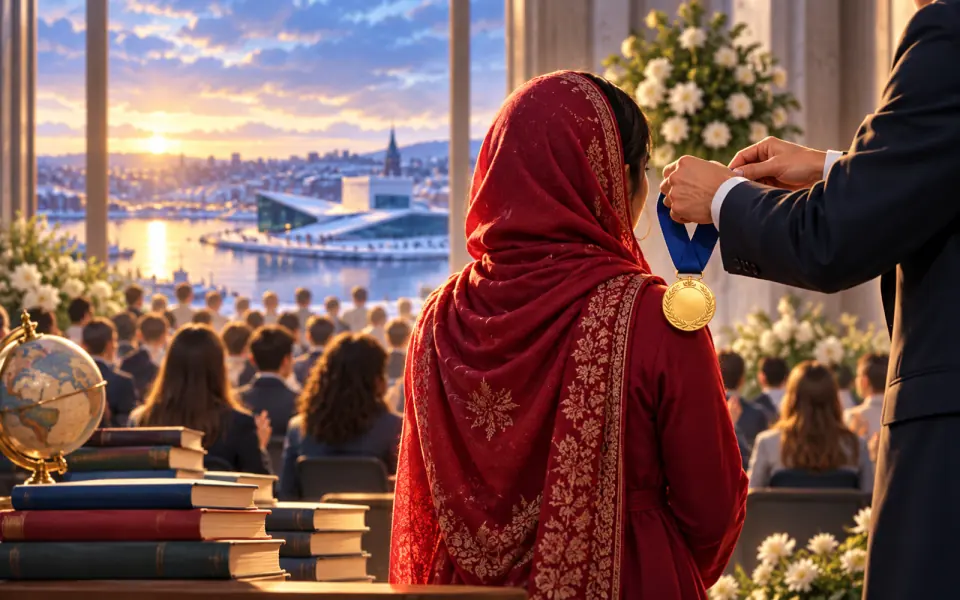
Today
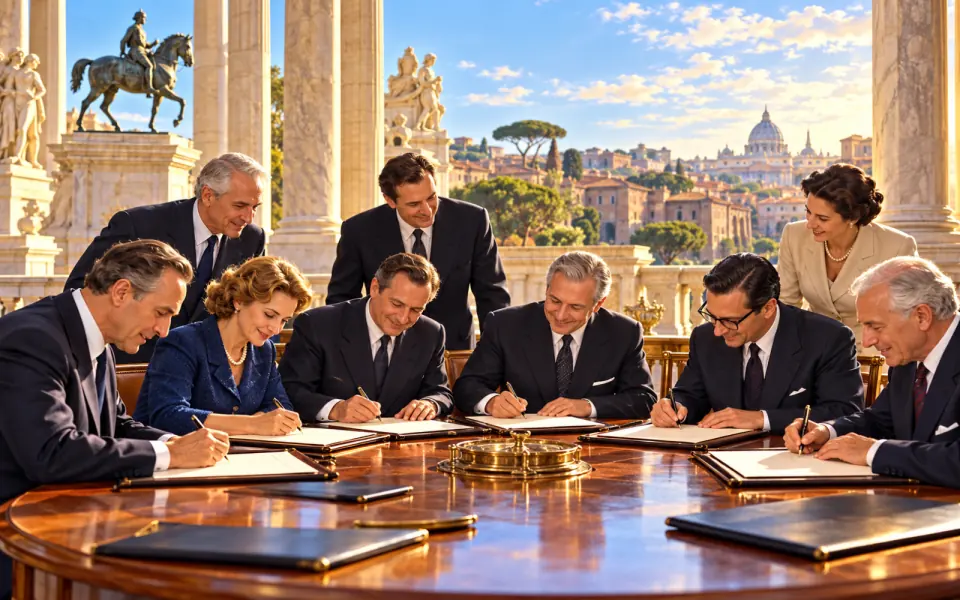
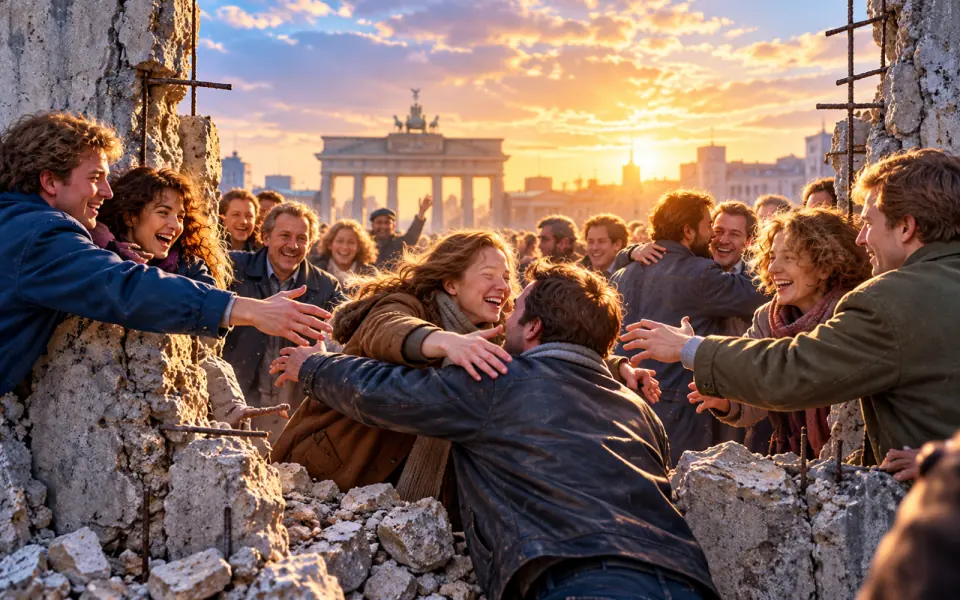
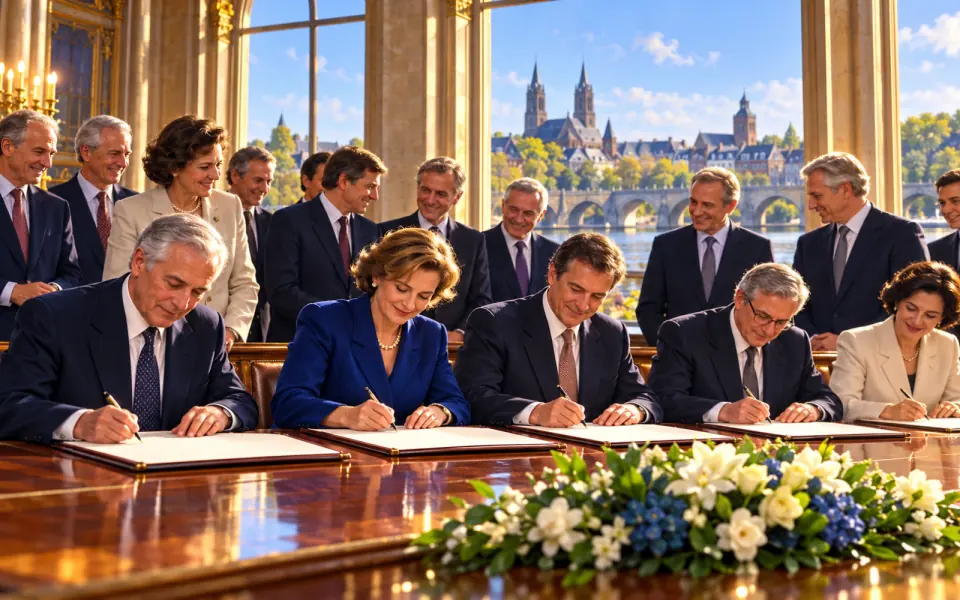

Today




Today




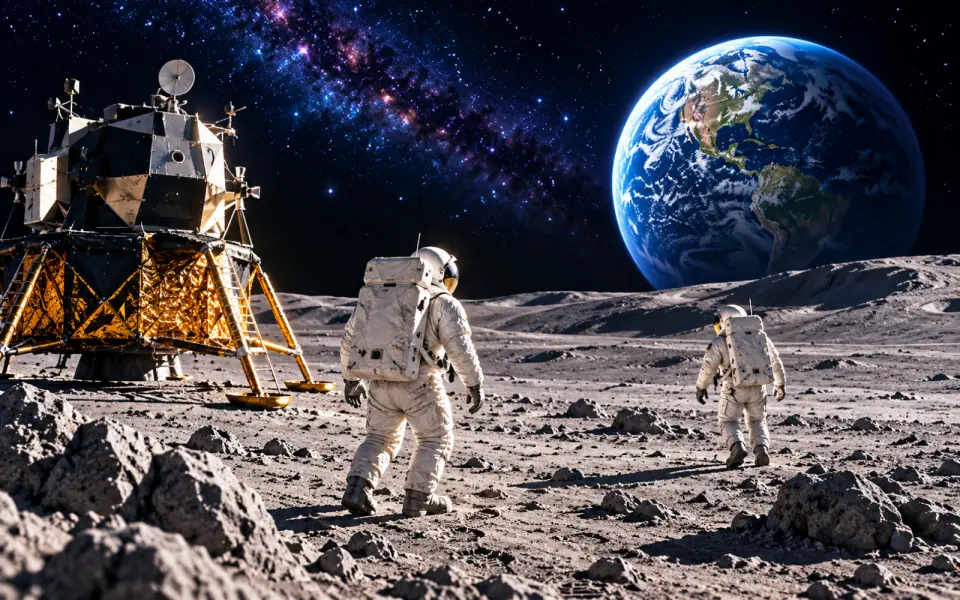
- The footprints the astronauts left on the Moon are still there: with no wind or rain, they could last for millions of years.
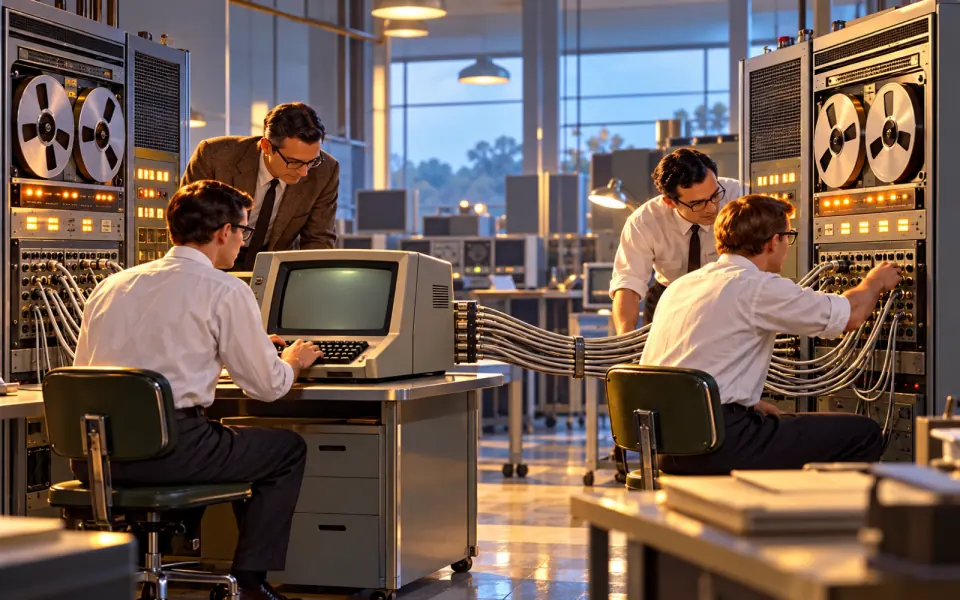
- The first message sent over ARPANET was supposed to be the word LOGIN, but the system crashed after two letters: only ‘LO’ arrived.
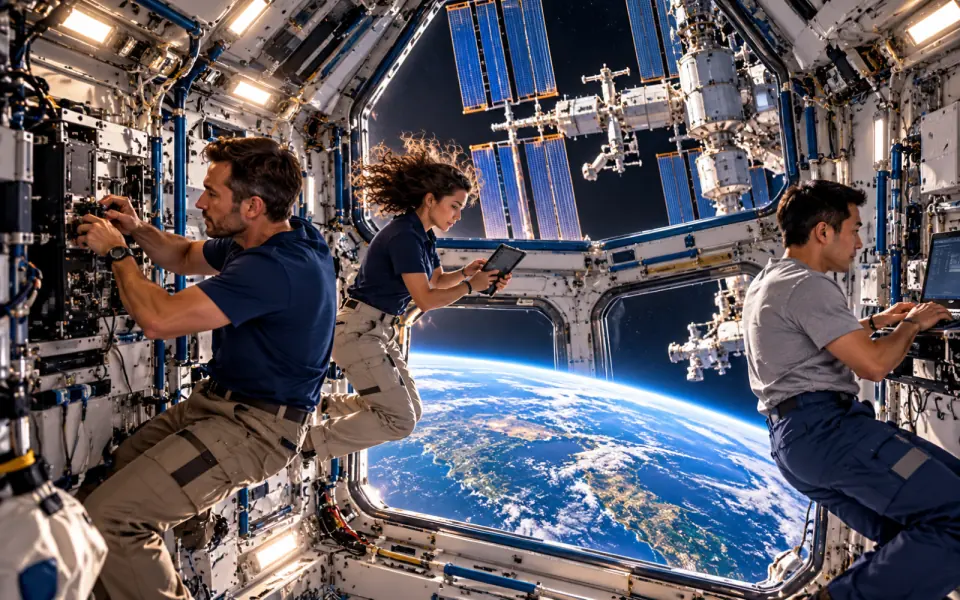
- The International Space Station goes all the way round the Earth in about 90 minutes: the people on board see about 16 sunrises and 16 sunsets every day.

Who's behind this
Ciro Simone Irmici
I'm Ciro Simone Irmici and I build free websites for learning and playing. I built Storiascopio with artificial intelligence and I check every card and every source myself. I'm not a historian: if you find a mistake or would like one more event for your class, write to me.
More of my work: free audiobooks on YouTube · ebooks on Gumroad · Apple Books · music on Spotify and YouTube Music