Homer's poems are written down
about 750 BC Ionia, Aegean coasts (Greece and Turkey)
In short
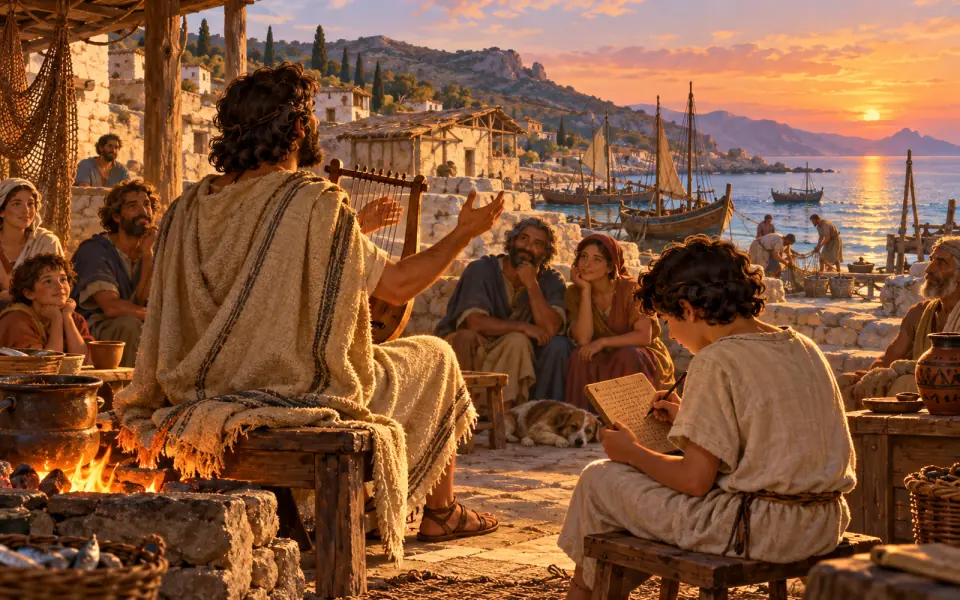
The Iliad tells of a few weeks of the Trojan War and the anger of the hero Achilles; the Odyssey tells of the long journey of Odysseus back home to Ithaca. For centuries these stories were sung from memory by bards, singers who played the lyre as they sang. According to tradition the author was Homer, a blind poet, but we do not even know whether he really existed. The poems took the form we know at more or less the time when the Greeks learnt to write with the alphabet.
Why it matters For almost three thousand years the adventures of Achilles and Odysseus have been read, studied and retold.
Source: Treccani, entry “Omero”
Study card about 6 minutes of reading
The story
Two poems, a war and a voyage
The Iliad and the Odyssey are the two oldest great poems of European literature. They are written in very long lines, hexameters, in which each line is made of six units of sound and has a rhythm you can almost beat with your hand. The Iliad has 15,693 lines, in the edition usually used, and the Odyssey 12,109; each work is divided into twenty-four books, that is, twenty-four parts. This division, which numbers them with the letters of the Greek alphabet, is the work, according to most scholars, of the learned men of Alexandria in Egypt, many centuries later.
The Iliad: the wrath of Achilles
The Trojan War, according to Greek tradition, lasted ten years. The Greeks, led by King Agamemnon, besieged the city of Troy to win back Helen, the wife of King Menelaus, carried off by the Trojan prince Paris. The Iliad, however, does not tell the whole war: it narrates only its last weeks. The first word of the poem is “mênin”, “wrath”, and that is exactly its subject: the wrath of Achilles, the strongest of the Greek warriors, offended by Agamemnon. In anger, Achilles stops fighting. When his friend Patroclus dies in battle, killed by the Trojan Hector, Achilles returns to the fight, kills Hector and then, in the end, gives the body back to Hector's father, the old King Priam. The poem closes with Hector's funeral.
The Odyssey: the journey home
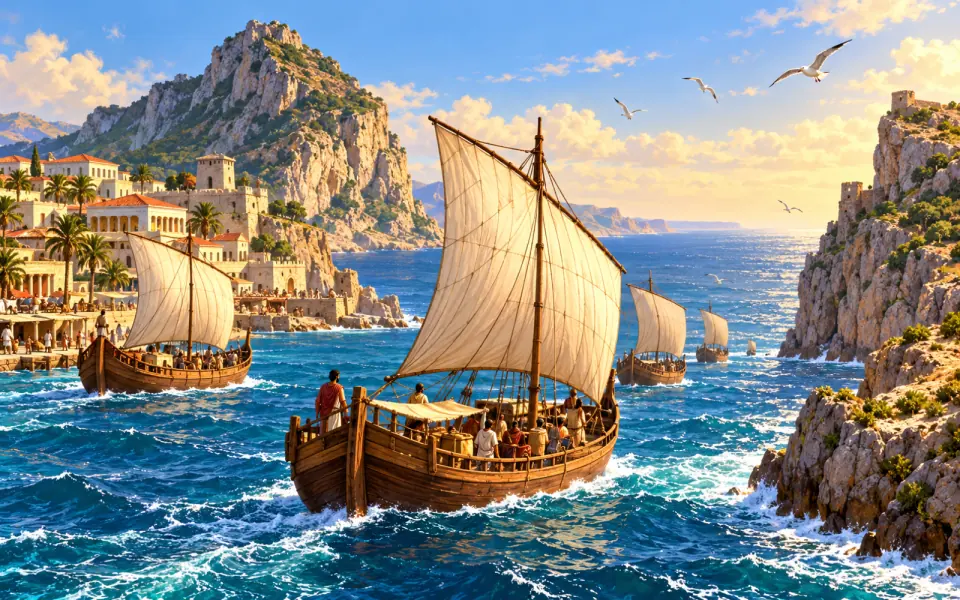
The Odyssey begins after the end of the war. Its hero is Odysseus, king of Ithaca, who takes another ten years to get home. Meanwhile in Ithaca, his wife Penelope is courted by many suitors who want to marry her and take the kingdom, while his son Telemachus sets out to look for news of his father. Odysseus meets the Cyclops Polyphemus, the sorceress Circe, the Sirens and the nymph Calypso, and is helped by the Phaeacians. He comes home in disguise and is recognised first by the dog Argos and by the nurse Eurycleia, who sees his scar. With the help of the faithful swineherd Eumaeus he defeats the suitors. The central theme is the “nostos”, the return home.
Who was Homer?
By tradition the author of both poems is Homer, a blind singer who is said to have lived in Ionia, the coastal region of present-day Turkey, perhaps on Chios or Samos. Ancient biographies describe him like this, but modern scholars regard them as largely legendary. We do not know whether Homer existed, or whether the two poems were composed by the same person. The historian Herodotus, in the 5th century BC, wrote that Homer lived about four hundred years before him, which leads to about 850 BC. Today it is thought that the poems took their present form between the end of the 8th and the 7th century BC.
The “Homeric question”
The debate about who composed the poems is called the “Homeric question”, a name given to it around 1830. In 1795 a German philologist, Friedrich August Wolf, argued that the poems began as short oral songs, later joined into epics and finally reworked over time. Another important idea came in the 20th century. Milman Parry and Albert Lord studied the folk singers of the Balkans and discovered that they improvised very long tales using fixed phrases and formulas, such as “swift-footed Achilles”. They realised that Homer too could have worked like this, composing aloud, without writing. This theory, called “formulaic”, is accepted today by many scholars.
The poets who sang these stories were called aoidoi and accompanied themselves on a stringed instrument. For centuries the poems were handed down from memory, from mouth to mouth. Only later were they put in writing. According to an ancient tradition, in the 6th century BC the Athenian tyrant Pisistratus had the songs collected and put in order. Then, at Alexandria in Egypt, the great scholars of the library, such as Zenodotus, Aristophanes of Byzantium and above all Aristarchus of Samothrace, compared the manuscripts and prepared the edition that lies at the base of the text we read today.
How they reached us
The oldest complete manuscript of the Iliad is the so-called Venetus A, copied in the 10th century AD by Byzantine scribes. There are also older fragments on papyrus, found in Egypt. The text, in a mixed language based mostly on the Ionic dialect, has survived almost three thousand years of copying.
From 1795 to today, the “Homeric question” has produced mountains of books. The wonderful thing is that the question still has no final answer: whoever composed the Iliad and the Odyssey created two works that are still being read.
Why it happened
The poems were born in a world that loved listening to stories. After the crisis of the Bronze Age, the Greeks remembered a glorious past made of kings, wars and sea voyages, and handed it down in songs. The singers added, cut and adapted the tales to suit the audience.
In the 9th–8th century BC the Greeks adopted the alphabet from the Phoenicians. With this simple tool, for the first time after the end of Linear B, it became possible to put a long text into writing. We do not know exactly when the poems were written down, but without writing they would have been lost.
What changed
The Iliad and the Odyssey became the basis of Greek education: boys learned them at school, poets imitated them, artists painted their scenes on vases. They gave the ancients a shared heritage of heroes, gods and values.
After them Virgil's Aeneid, Dante's Divine Comedy and a great many novels, films and games have taken up the Homeric characters and stories: Odysseus, Achilles, the Trojan Horse. Expressions such as “an odyssey”, for a journey full of difficulties, or “Achilles' heel”, for a weak point, are still in our language.
The “Homeric question” has also changed the way literature is studied: it showed that poetry can arise from oral tradition and that a work can be the fruit of many voices. Scholars use it to understand how stories are born and handed on.
Key people and places
People
- Homer
- Poet traditionally held to be the author of the Iliad and the Odyssey; according to tradition blind, and living in Ionia. Some doubt his existence.
- Achilles
- Greek hero of the Iliad, the strongest of the warriors, the subject of the wrath that gives the poem its title.
- Odysseus
- King of Ithaca, hero of the Odyssey and, in tradition, of the cunning of the wooden horse.
- Friedrich August Wolf
- German philologist who in 1795 began the modern debate on the “Homeric question”.
- Milman Parry
- American scholar who, with Albert Lord, showed that oral songs are composed with fixed formulas.
Places
- Ionia
- A coastal region of present-day Turkey, with islands such as Chios and Samos, where tradition places Homer.
- Troy
- The city at the centre of the Iliad, besieged by the Greeks for ten years according to the myth.
- Ithaca
- The Greek island of which Odysseus is king and to which he wants to return in the Odyssey.
Good to know
- The Iliad has 15,693 lines and the Odyssey 12,109: two very long books, learned by heart by the singers.
- The first word of the Iliad is “mênin”, that is, the “wrath” of Achilles.
- The division into 24 books, with Greek letters, is probably due to the scholars of Alexandria.
- The dog Argos, in the Odyssey, recognises Odysseus after twenty years.
- The oldest complete manuscript of the Iliad is from the 10th century AD: it is about 1,700 years after the composition of the poems.
Find out more
- World History Encyclopedia, “Homer” worldhistory.org
- Wikipedia, “Homer” en.wikipedia.org
- Wikipedia, “Iliad” en.wikipedia.org
- Wikipedia, “Odyssey” en.wikipedia.org
Related events
- The gold mask of Mycenaeabout 1550 BC · Sea civilisationsSchliemann looked for Mycenae and Troy starting from the poems of Homer.
- The Lion Gate at Mycenaeabout 1250 BC · Sea civilisationsMycenae, the city of Agamemnon, had the Lion Gate.
- The Greek alphabetabout 750 BC · Ancient GreeceThe Greeks wrote down the poems thanks to the alphabet.
- Virgil and the Aeneid19 BC · Ancient RomeVirgil wrote the Aeneid inspired by the Homeric poems.
- The Phoenician alphabetabout 1050 BC · Sea civilisationsThe Phoenician alphabet made it possible to put the poems into writing.
Before and after, in the era “Sea civilisations”
Event 19 of 25
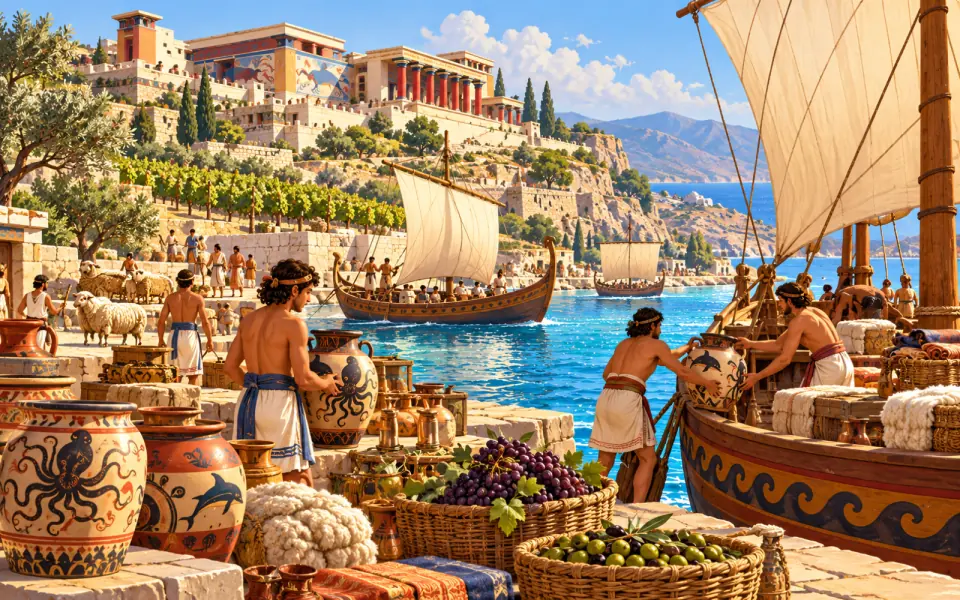 BeforeMinoan civilisation on Creteabout 2000 BC
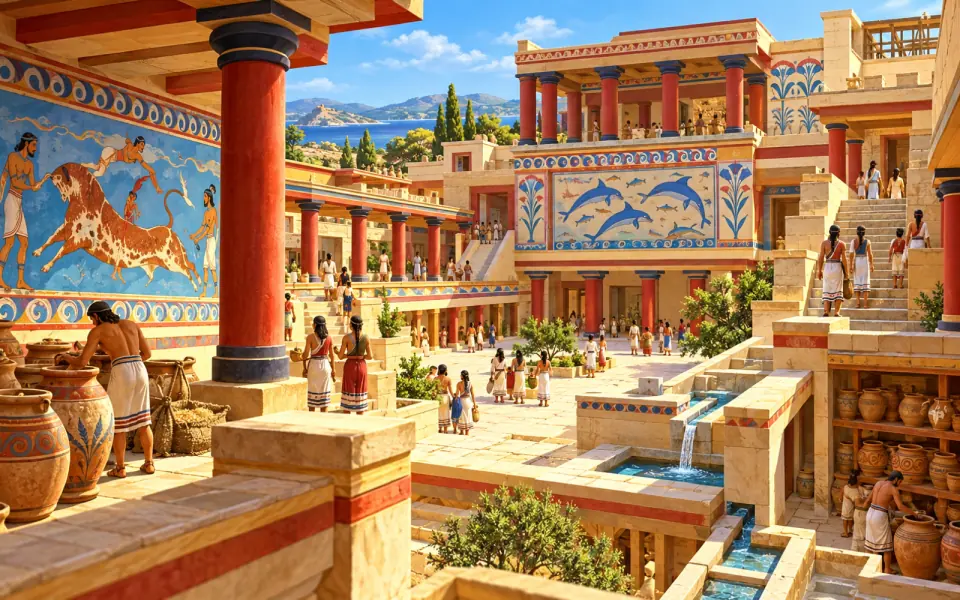 BeforeThe palace of Knossosabout 1900 BC
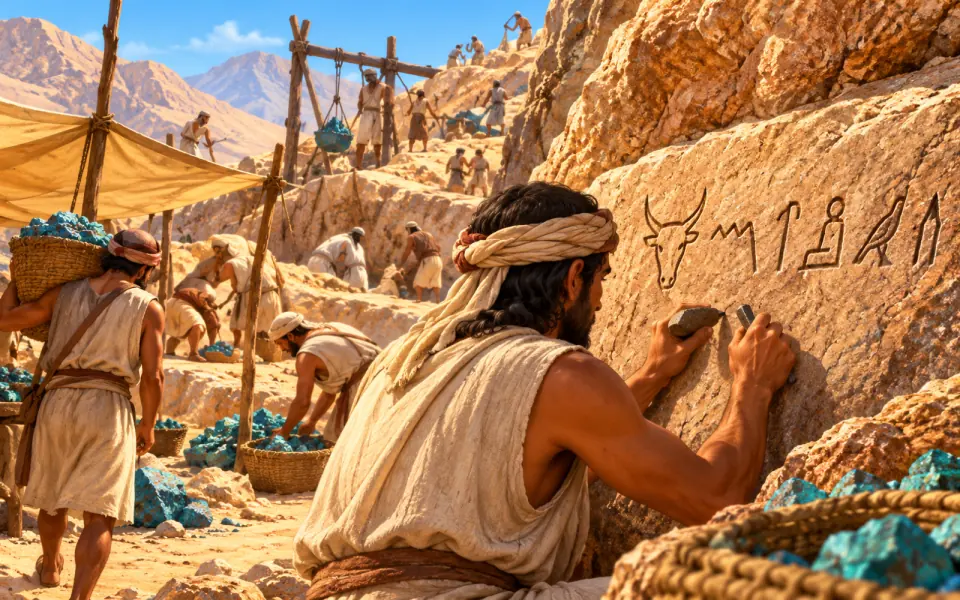 BeforeThe Proto-Sinaitic alphabetabout 1800 BC
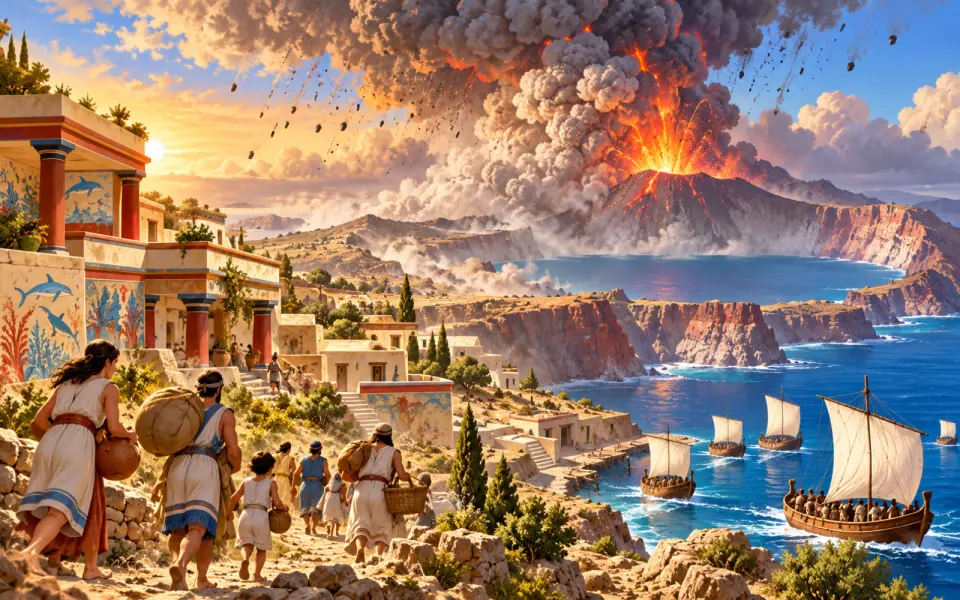 BeforeThe eruption of Theraabout 1600 BC
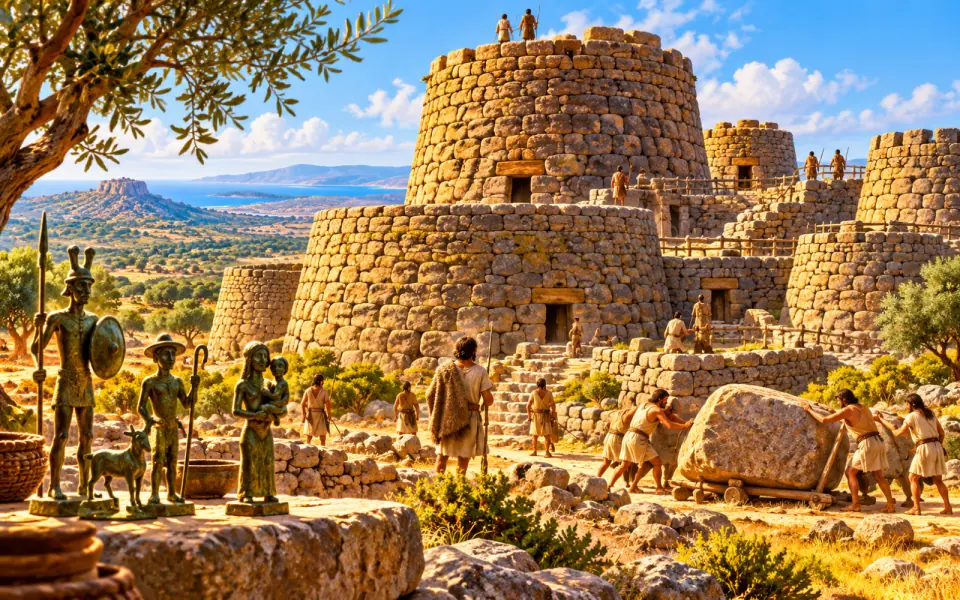 BeforeThe nuraghi of Sardiniaabout 1600 BC
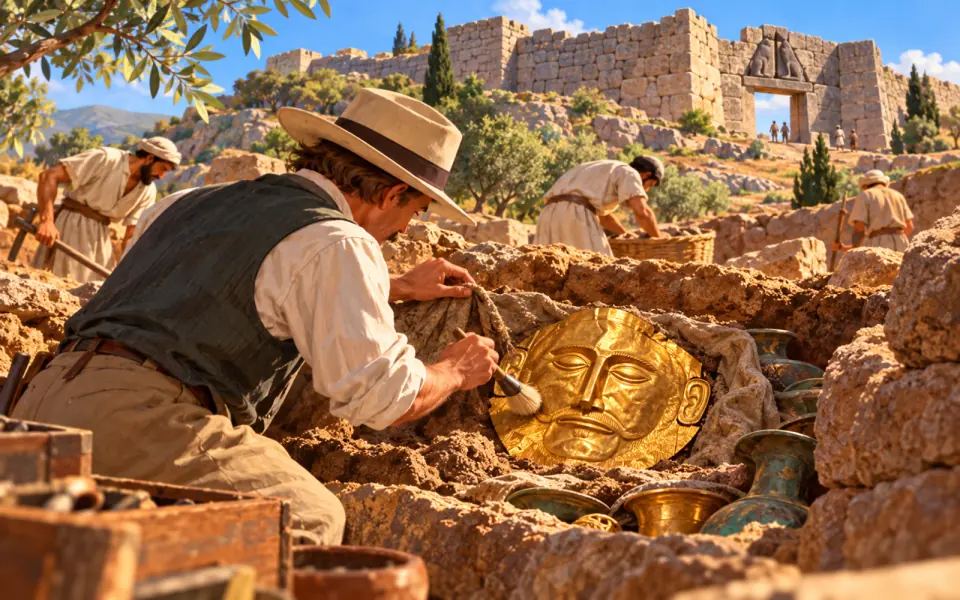 BeforeThe gold mask of Mycenaeabout 1550 BC
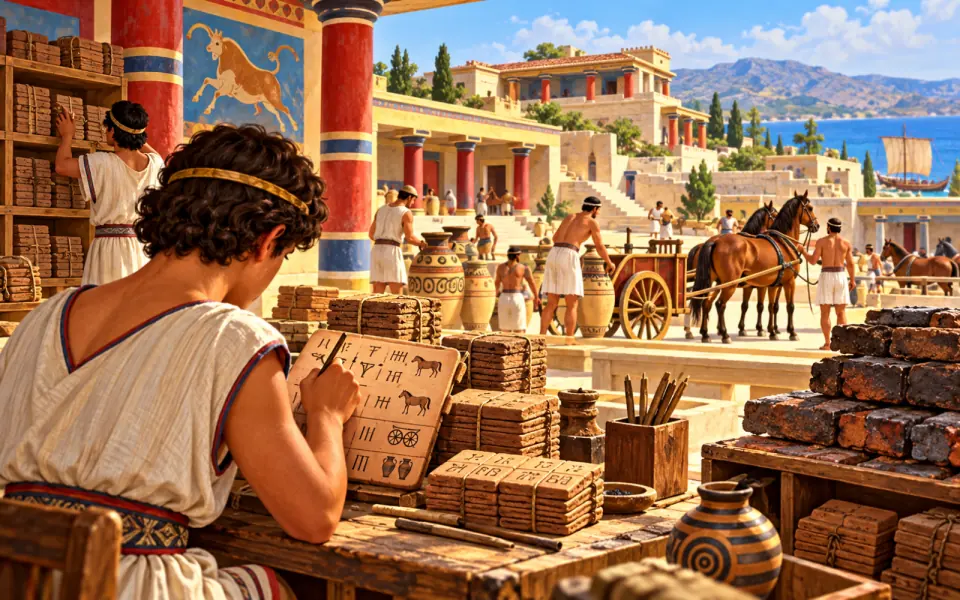 BeforeLinear Babout 1450 BC
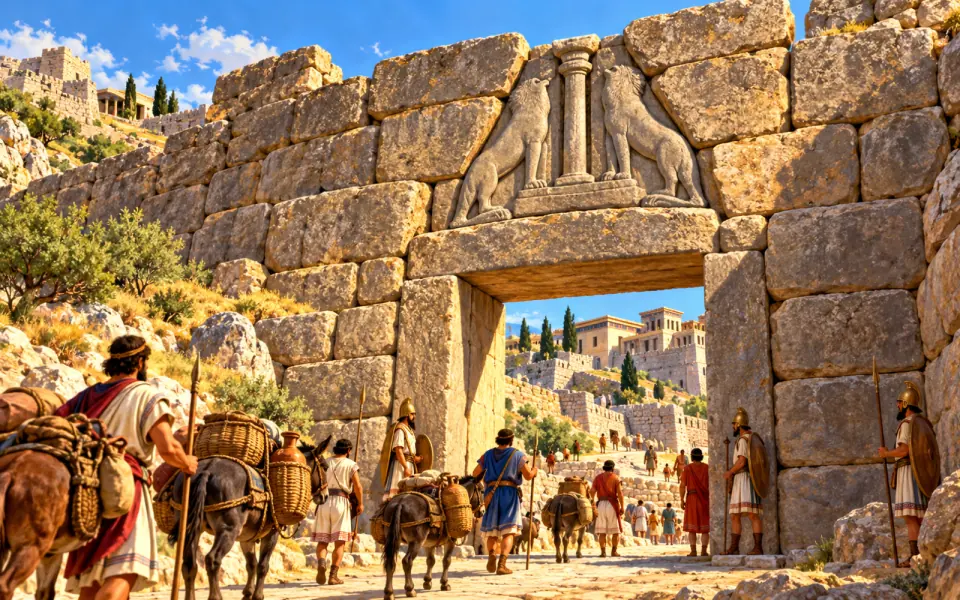 BeforeThe Lion Gate at Mycenaeabout 1250 BC
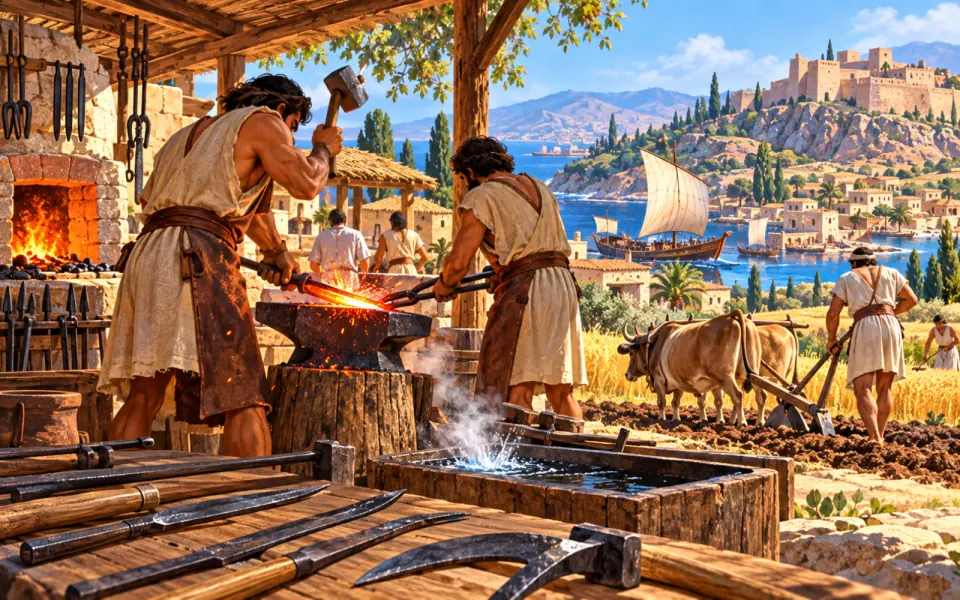 BeforeThe Iron Age beginsabout 1200 BC
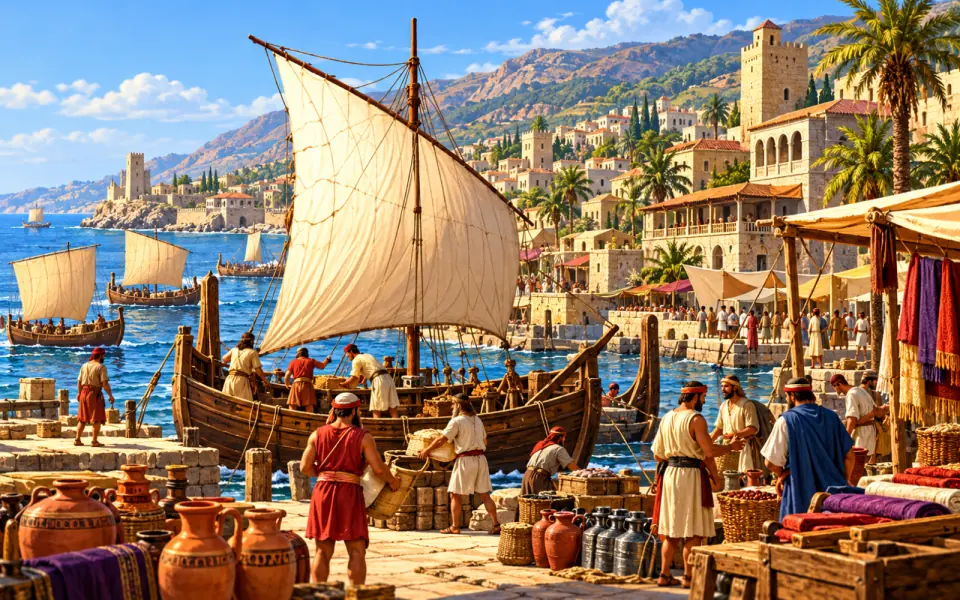 BeforeThe Phoenicians spread outabout 1200 BC
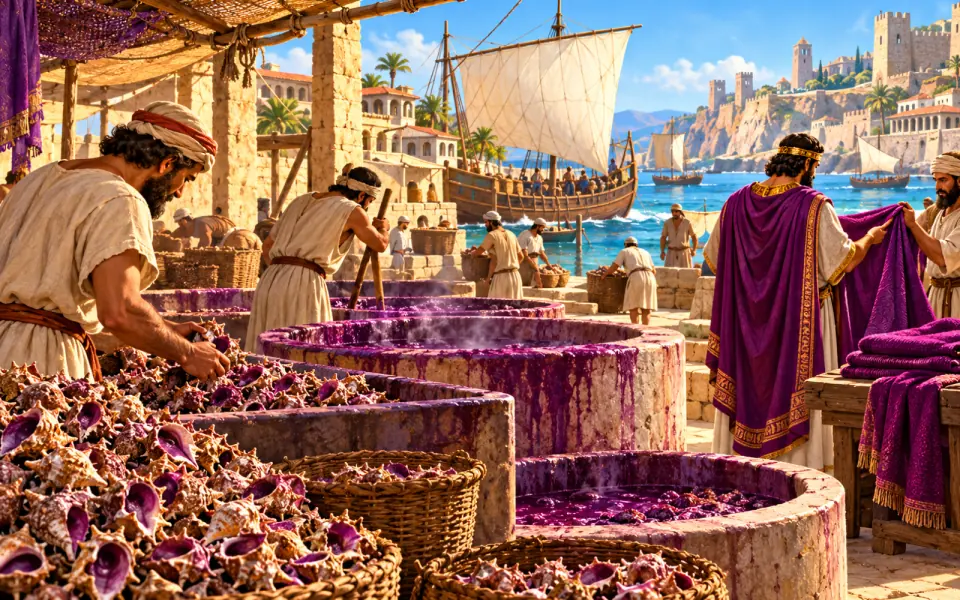 BeforePhoenician purpleabout 1100 BC
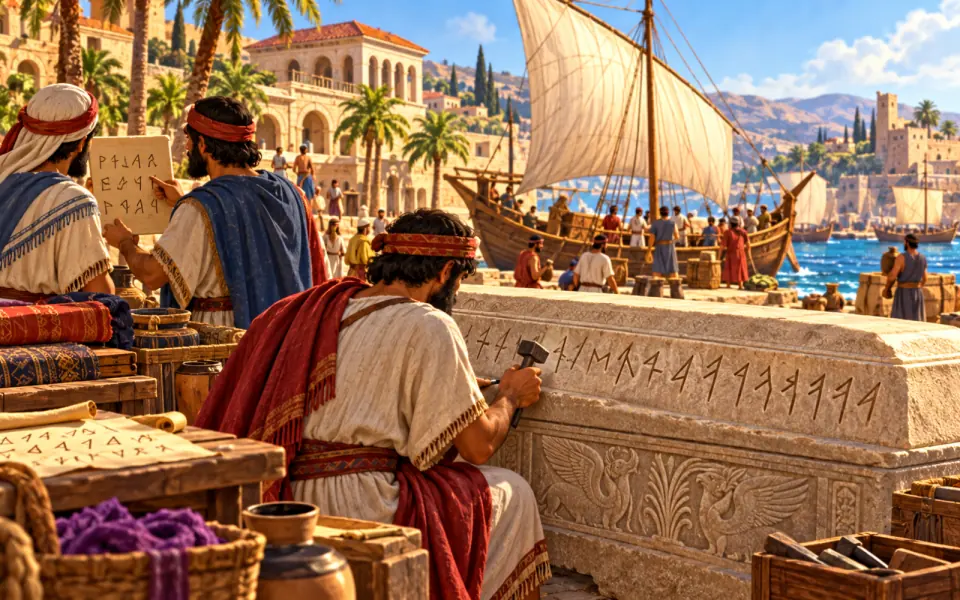 BeforeThe Phoenician alphabetabout 1050 BC
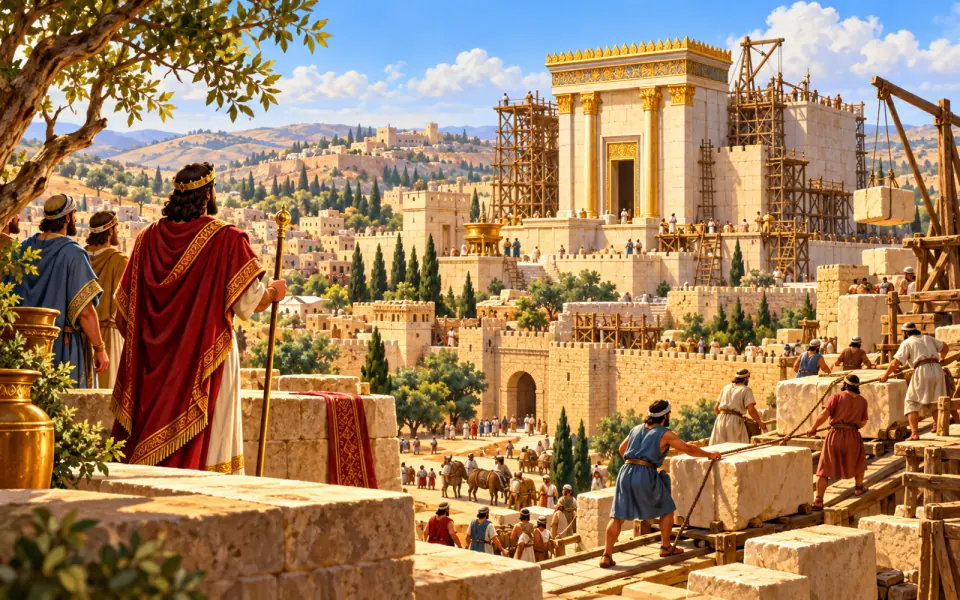 BeforeThe Kingdom of Israelabout 1000 BC
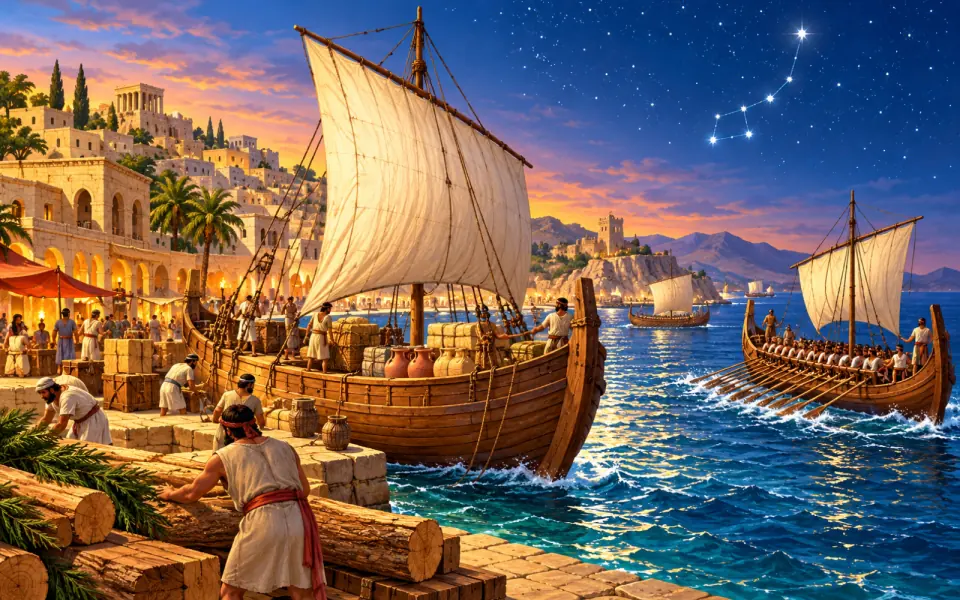 BeforePhoenician seafaringabout 1000 BC
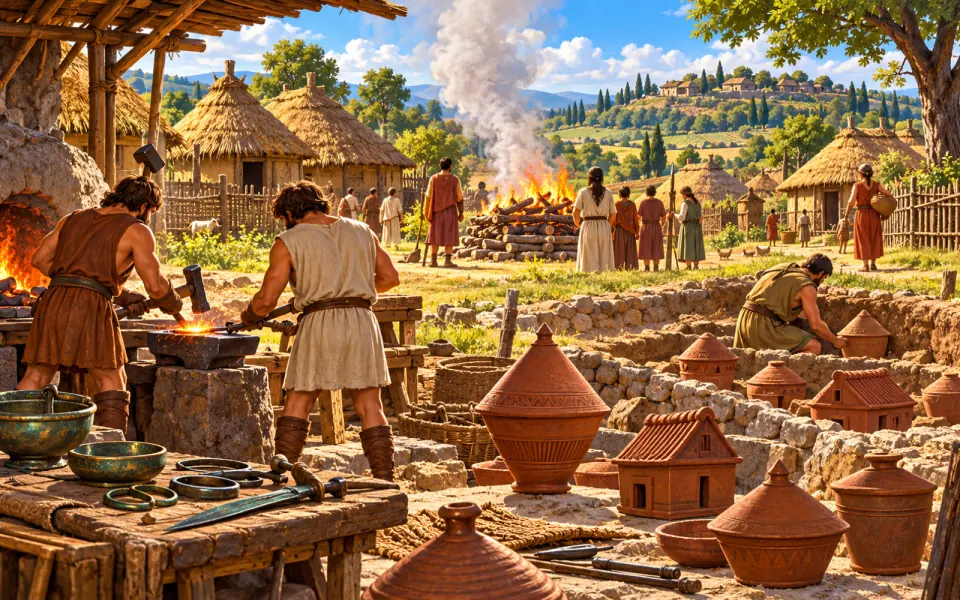 BeforeThe Villanovan culture in Italyabout 900 BC
 BeforeTraditional founding of Carthageabout 814 BC
 BeforeThe Nora Stoneabout 800 BC
 BeforeAmphorae for oil and wineabout 800 BC
- You are hereHomer's poems are written downabout 750 BC
 AfterGreek colonies in the Westabout 750 BC
 AfterThe Etruscans, lords of the Tyrrhenian Seaabout 700 BC
 AfterPhoenician glass spreadsabout 600 BC
 AfterCoins in the Mediterraneanabout 600 BC
 AfterThe Babylonian Exileabout 586 BC
 AfterSailing beyond Gibraltarabout 500 BC
Listen / Read next
- Music to read by: Cinematic JourneyEpic film-style music, no lyrics, by Ciro Simone IrmiciSpotifyYouTube Music
Meanwhile, elsewhere in the world
Other events of the era “Sea civilisations”
- Minoan civilisation on Crete
- The palace of Knossos
- The Proto-Sinaitic alphabet
- The eruption of Thera
- The nuraghi of Sardinia
- The gold mask of Mycenae
- Linear B
- The Lion Gate at Mycenae
- The Iron Age begins
- The Phoenicians spread out
- Phoenician purple
- The Phoenician alphabet
- The Kingdom of Israel
- Phoenician seafaring
- The Villanovan culture in Italy
- Traditional founding of Carthage
- The Nora Stone
- Amphorae for oil and wine
- Greek colonies in the West
- The Etruscans, lords of the Tyrrhenian Sea
- Phoenician glass spreads
- Coins in the Mediterranean
- The Babylonian Exile
- Sailing beyond Gibraltar
