Traditional founding of Rome
about 753 BC Palatine Hill, Rome
In short
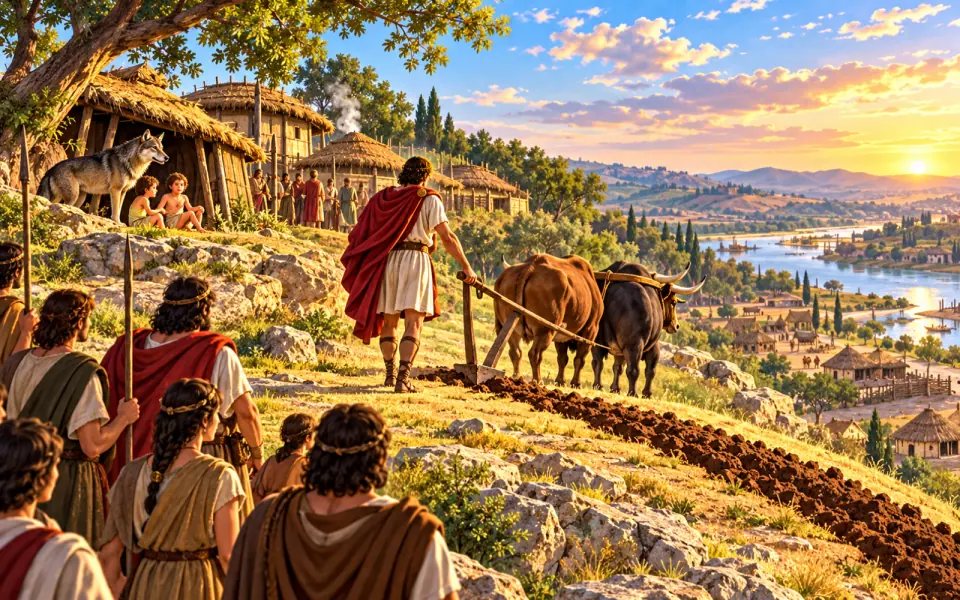
According to legend, Romulus marked out the boundary of a new city on the Palatine Hill on 21 April 753 BC and became its first king. The story says that he and his twin brother Remus, abandoned as babies, had been fed by a she-wolf. On the Palatine, archaeologists have found the remains of huts from the 8th century BC, so there really was a village there. Even today 21 April is celebrated as ‘Rome's birthday’.
Why it matters From a small village on the Tiber grew the city that would rule the whole Mediterranean.
Source: Treccani, entry “Roma”
Study card about 6 minutes of reading
The story
A story the Romans told for centuries
How was Rome born? The Romans had a beautiful answer, handed down from parent to child. Historians today consider it a legend, that is, a tale in which real facts are mixed with imagination. It is still well worth knowing, because it shaped the way the Romans saw themselves.
The story begins far from Rome, at Alba Longa, a city in Latium. Numitor was king there, but his brother Amulius drove him from the throne. To make sure that no grandson could one day claim the kingdom, Amulius forced Numitor's daughter, Rhea Silvia, to become a Vestal, that is, a priestess of a goddess, a role that forbade having children. According to the legend, however, the god Mars made her the mother of two twins: Romulus and Remus.
The twins and the she-wolf
Amulius ordered the babies to be thrown into the Tiber. The servant given the task did not have the courage to do it and left them in a basket on the river bank. The basket came to rest near the Palatine Hill, in an area called the Velabrum, close to a fig tree and a cave called the Lupercal. There, the tradition says, a she-wolf came up to the newborns and nursed them, while a woodpecker brought them food.
The twins were then found by a shepherd named Faustulus, who raised them as his own sons together with his wife, Acca Larentia. According to some authors, the “wolf” was not an animal: Acca Larentia was called that because of the way she lived, and the story would have grown out of that nickname. This is an example of how historians try to work out where a legend comes from.
When they grew up, Romulus and Remus discovered who they really were, killed Amulius and put Numitor back on the throne of Alba Longa. Then they decided to found a new city on the spot where they had been saved. But they could not agree on where to build it: Romulus wanted the Palatine, Remus the Aventine. To decide, according to the Romans, they consulted the auspices, that is, the signs sent by the gods, such as the flight of birds. A dispute broke out and in the quarrel Remus lost his life. Romulus was left alone and became the first king of the city, which he named after himself.
21 April 753 BC
The Romans counted the years “from the founding of the city”, in Latin ab urbe condita. The writer Varro, who lived in the 1st century BC, set that date at 21 April 753 BC, using the calculations of an astrologer named Lucius Tarutius. It was already a day of celebration, the one for the shepherds' festival called the Parilia. Even today Rome celebrates the “Birthday of Rome” every year on 21 April. Other ancient authors, with other calculations, gave different dates: this is why the date is traditional, not a historical certainty.
What archaeologists say
Archaeologists have dug on the Palatine and really have found traces of huts from the 8th century BC, exactly the period of the legend. They have also found older tombs, from the 10th century BC, and traces of a settlement from the 9th century. This means that groups of people were living on the hill and around it well before 753.
The archaeologist Andrea Carandini discovered on the Palatine a circuit of walls made of chips of tuff, the soft volcanic rock of the area, which would date to about 730 BC. In his view it could be the “wall of Romulus”. In 2005 a large hut-shaped building was found near the Temple of Vesta, which was perhaps the residence of the first kings. Not all scholars agree on these interpretations, but the discoveries show that the ancient stories had a grain of truth.
Modern historians, however, think that Rome was not born in a single day, through an act of foundation. It is more likely that it grew slowly, over several centuries, as the villages on the neighbouring hills, on the banks of the Tiber, gradually joined together into a single community. Scholars call this process synoecism, a Greek word meaning “living together”.
The seven kings
After Romulus, the tradition lists six more kings who ruled Rome until 509 BC: Numa Pompilius, Tullus Hostilius, Ancus Marcius, Tarquinius Priscus, Servius Tullius and Tarquinius Superbus (Tarquin the Proud). Together with Romulus they are the “seven kings of Rome”. Some were probably real people, others are legendary figures. With the last, Tarquin the Proud, the monarchy ended and the Republic was born.
A curiosity: the tradition also remembers Titus Tatius, a king of the Sabines, who ruled together with Romulus for a short time, but he is not among the seven canonical kings.
So when we read the story of the founding of Rome, we should not think of it as “true” or “false”. It is a way in which a people explained its own origins, and it joins a real place, the Palatine, to a great story of heroes, gods and abandoned twins.
Why it happened
The chosen place had many advantages. On the Tiber, a short distance from the sea, there was a ford, that is, a spot where the river was easy to cross, and there the roads between Etruria, to the north, and the lands of the south met. Whoever lived on the hills could control trade, for example the salt trade. The hills, like the Palatine, were easy to defend.
For this reason, even before 753 BC, groups of shepherds and farmers had settled in the area, in villages of huts. As time passed, these villages, which had interests in common, joined together until they formed a real city. The tale of Romulus and Remus served the Romans, later on, to give this slow growth a precise and glorious beginning.
What changed
From the small group of huts on the Tiber came one of the most important cities in history. Rome became first a kingdom, then a republic, then an empire, and came to rule the whole Mediterranean. Its laws, its language and its culture have left traces that last to this day: Latin is the basis of Italian, Spanish, French, Portuguese and Romanian.
The myth of Romulus and Remus always stayed alive. The she-wolf nursing the twins became the symbol of Rome and appears on coins, monuments and coats of arms; a bronze she-wolf can still be seen in Rome today. 21 April has remained a holiday: every year the city celebrates its “birthday”, with shows and re-enactments.
The legend also teaches a lesson about the work of historians. To understand the past you have to put together ancient stories and the discoveries of archaeologists, without believing everything straight away, and without throwing everything away. Even today the excavations on the Palatine keep bringing new evidence about how Rome lived in its first centuries.
Key people and places
People
- Romulus
- According to the legend, the founder and first king of Rome. Historians do not know whether he really existed or is an invented character.
- Remus
- Romulus's twin brother, killed (according to the story) after the quarrel over where to found the city.
- Varro
- Roman writer of the 1st century BC. He worked out the date of the founding of Rome, 21 April 753 BC, using the calculations of an astrologer.
- Andrea Carandini
- Italian archaeologist who has dug on the Palatine and discovered a circuit of walls from the 8th century BC, perhaps the “wall of Romulus”.
Places
- Palatine Hill
- The hill where, according to the tradition, Romulus marked out the boundary of the city. Remains of huts from the 8th century BC have been found there.
- Lupercal and Velabrum
- The cave and the area at the foot of the Palatine where, according to the legend, the twins' basket came to rest and the she-wolf nursed them.
- Alba Longa
- The city of Latium from which, in the story, Romulus and Remus were descended, where Numitor and Amulius ruled.
Good to know
- The story of the she-wolf may come from a play on words: Acca Larentia, who took in the twins, was nicknamed “the she-wolf”.
- The Romans counted the years from the founding: year 1 was 753 BC, and they said ab urbe condita, that is, “from the founding of the city”.
- The Parilia, the festival dedicated to shepherds, was celebrated on 21 April, the same day chosen for the birthday of Rome.
- In 2005 archaeologists discovered near the Temple of Vesta a large hut-shaped building, perhaps the home of the first kings.
- The kings of Rome, according to the tradition, were seven; the last, Tarquin the Proud, was driven out in 509 BC.
Find out more
- World History Encyclopedia, “Romulus and Remus” worldhistory.org
- Wikipedia, “Founding of Rome” en.wikipedia.org
- Wikipedia, “Palatine Hill” en.wikipedia.org
- Colosseum Archaeological Park, official website colosseo.it
Related events
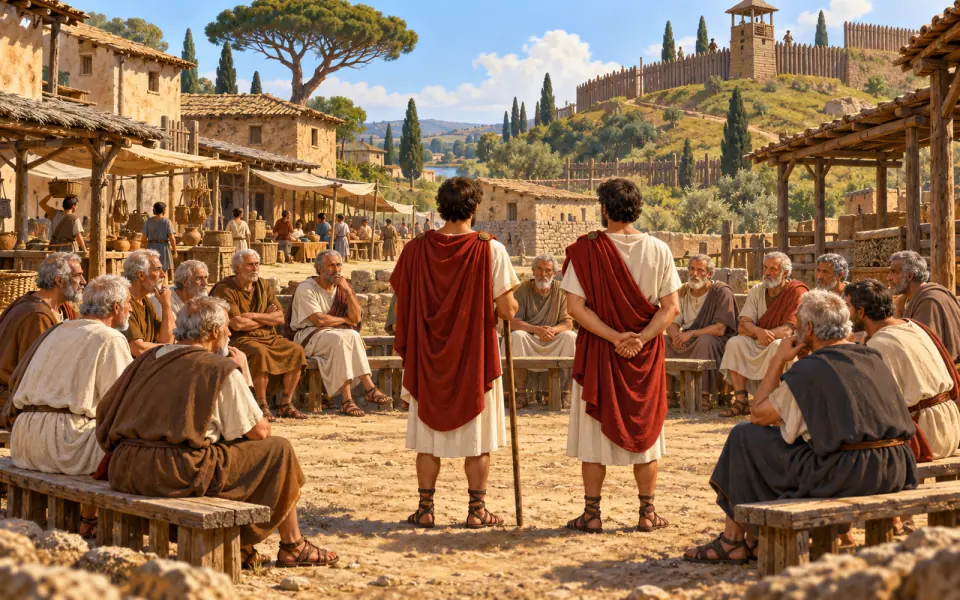
- Birth of the Roman Republicabout 509 BC · Ancient RomeWith the expulsion of the last of the seven kings, in 509 BC, the monarchy ends and the Republic begins.
- The Etruscans, lords of the Tyrrhenian Seaabout 700 BC · Sea civilisationsThe Etruscans, to the north of Rome, had great influence on the city's kings.
- Traditional founding of Carthageabout 814 BC · Sea civilisationsCarthage also has a founding legend, linked to Queen Dido.
- Virgil and the Aeneid19 BC · Ancient RomeVirgil's Aeneid tells how Romulus descended from Aeneas, the Trojan hero.
Before and after, in the era “Ancient Rome”
Event 1 of 25
- You are hereTraditional founding of Romeabout 753 BC
 AfterBirth of the Roman Republicabout 509 BC
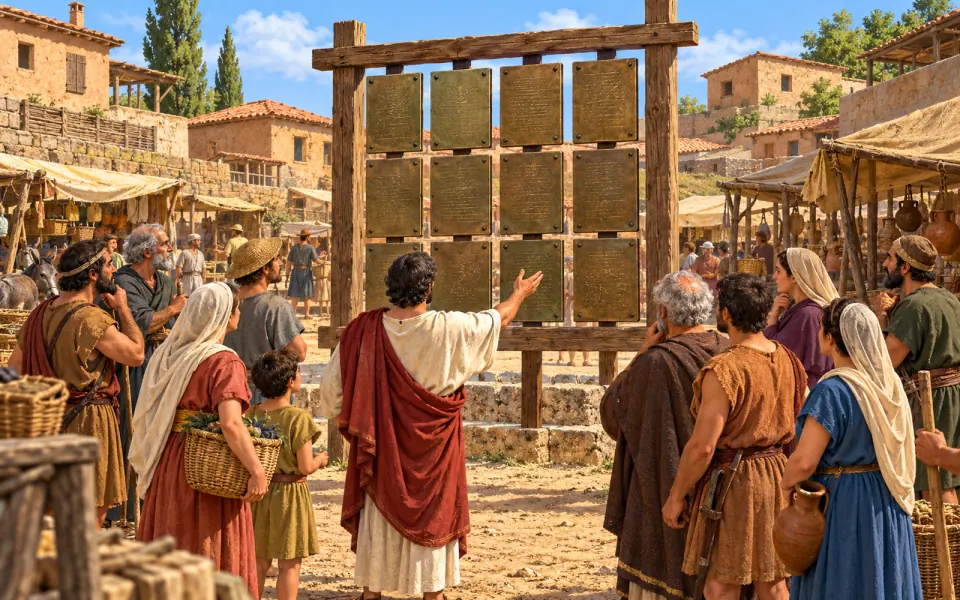 AfterThe Laws of the Twelve Tablesabout 450 BC
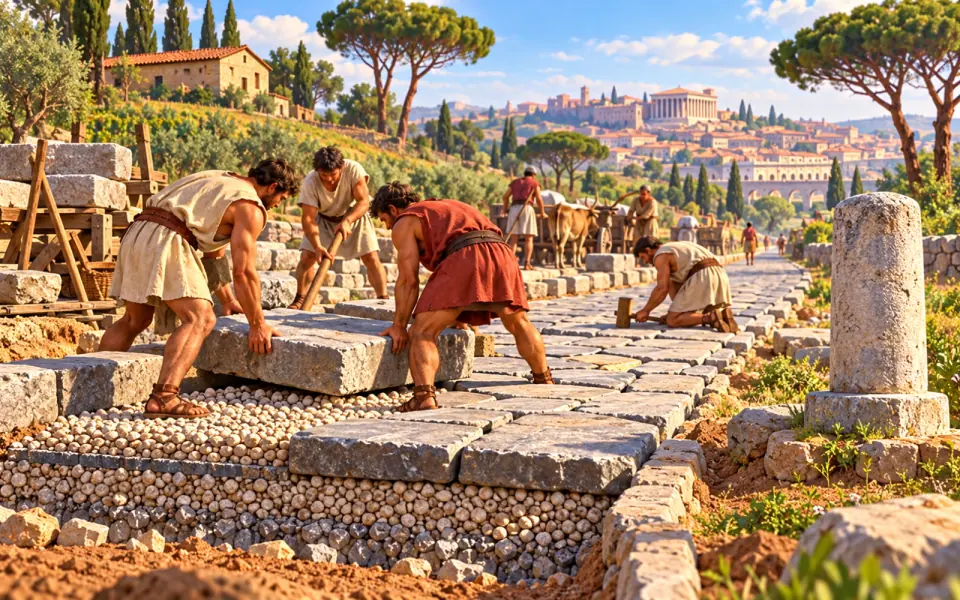 AfterThe Appian Way312 BC
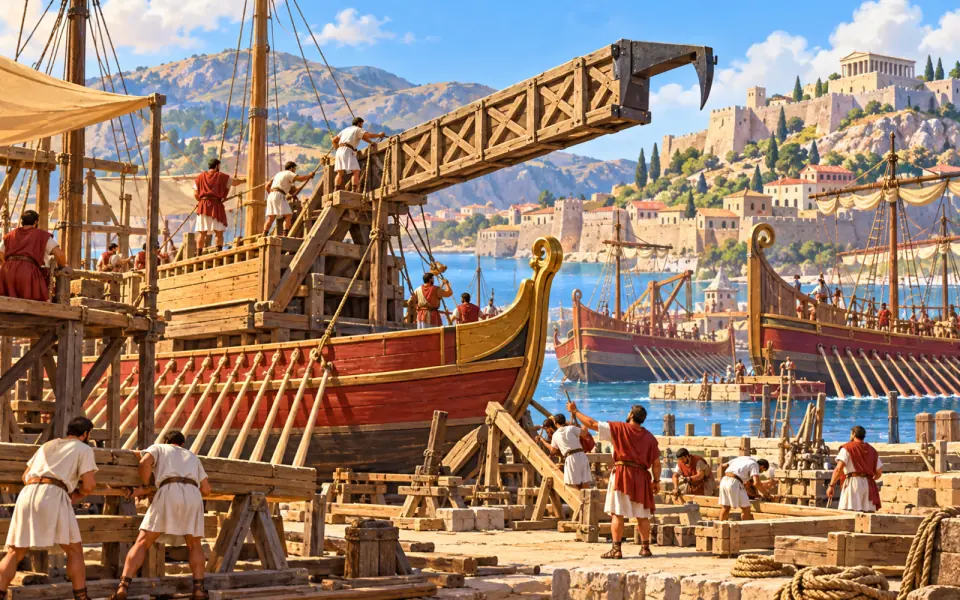 AfterThe First Punic War264–241 BC
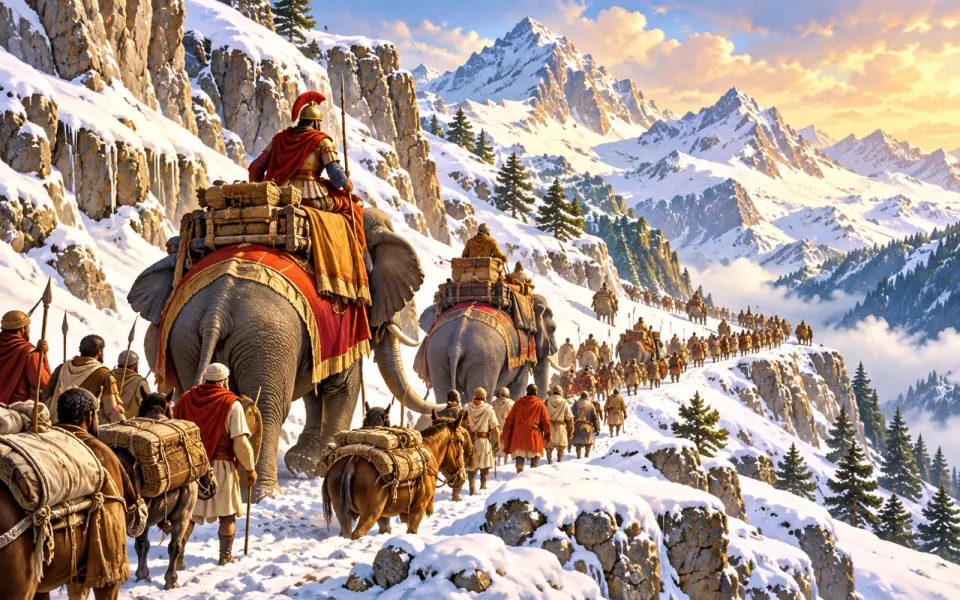 AfterHannibal crosses the Alps218 BC
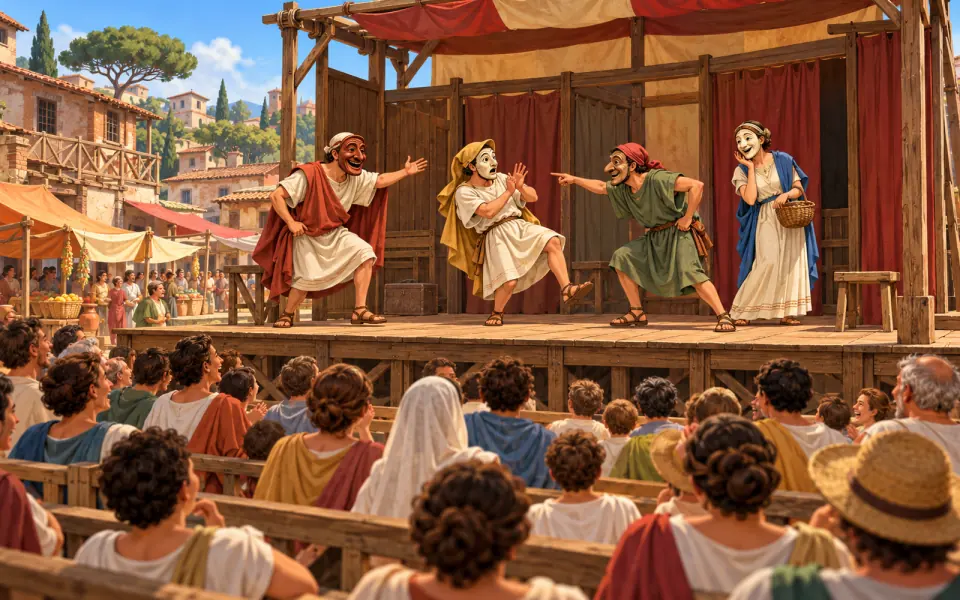 AfterPlautus and comedyabout 200 BC
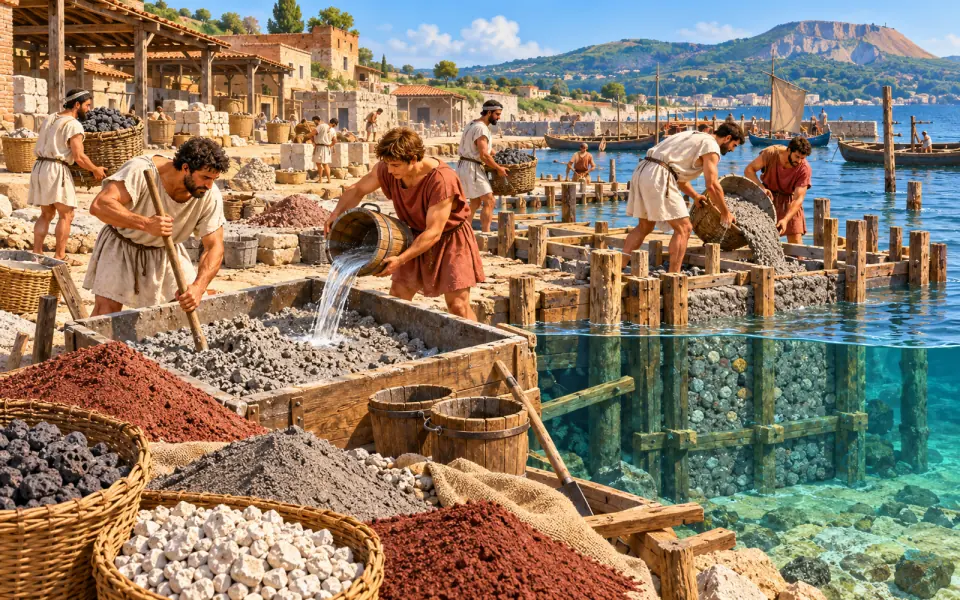 AfterRoman concreteabout 150 BC
 AfterThe Aqua Marcia aqueduct144–140 BC
 AfterSpartacus leads the revolt73–71 BC
 AfterCaesar crosses the Rubicon49 BC
 AfterThe Julian calendar46 BC
 AfterThe murder of Julius Caesar44 BC
 AfterAugustus, the first emperor27 BC
 AfterThe Pax Romana27 BC – AD 180
 AfterVirgil and the Aeneid19 BC
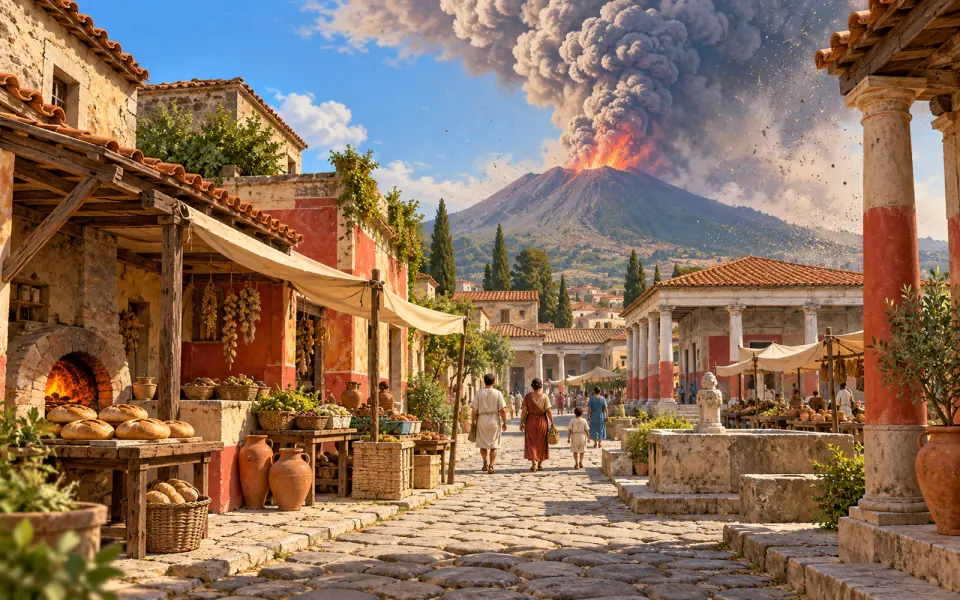 AfterPompeii buried by VesuviusAD 79
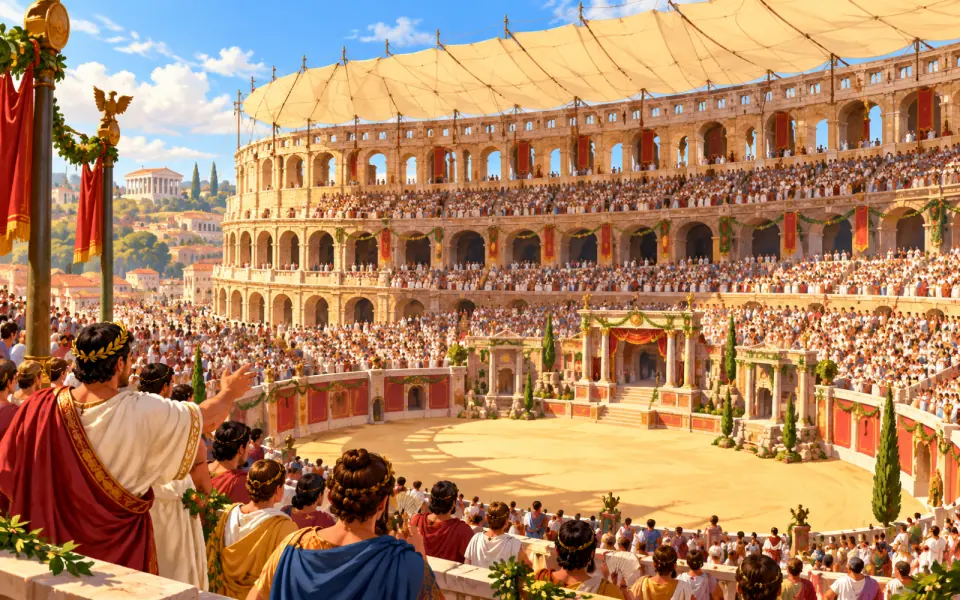 AfterThe Colosseum opensAD 80
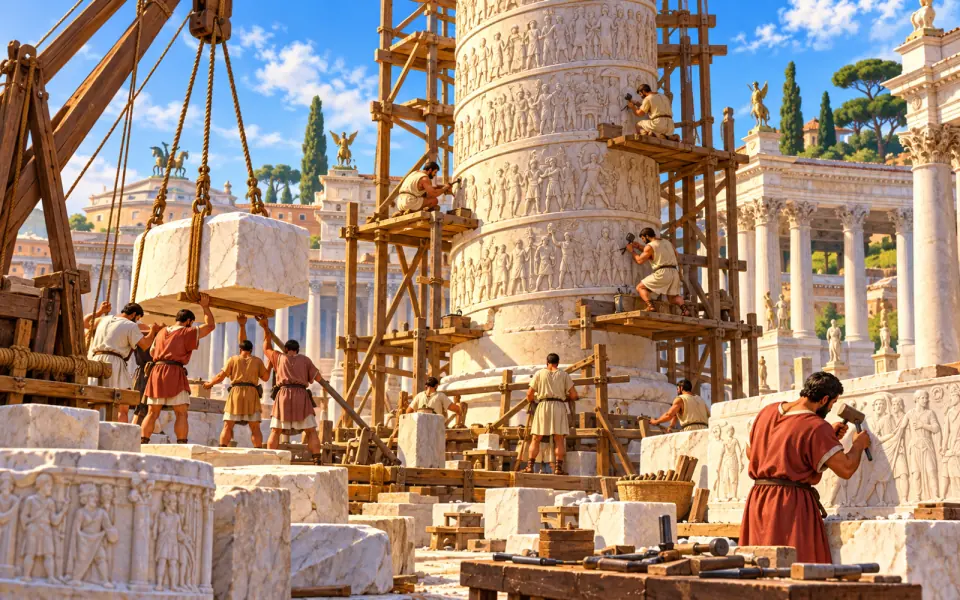 AfterTrajan's ColumnAD 113
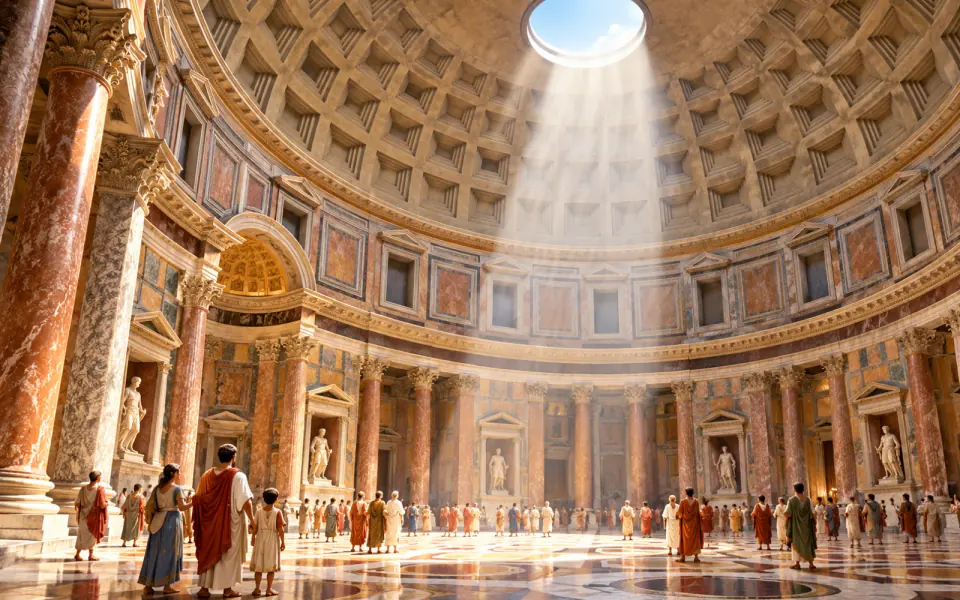 AfterThe Pantheonabout AD 125
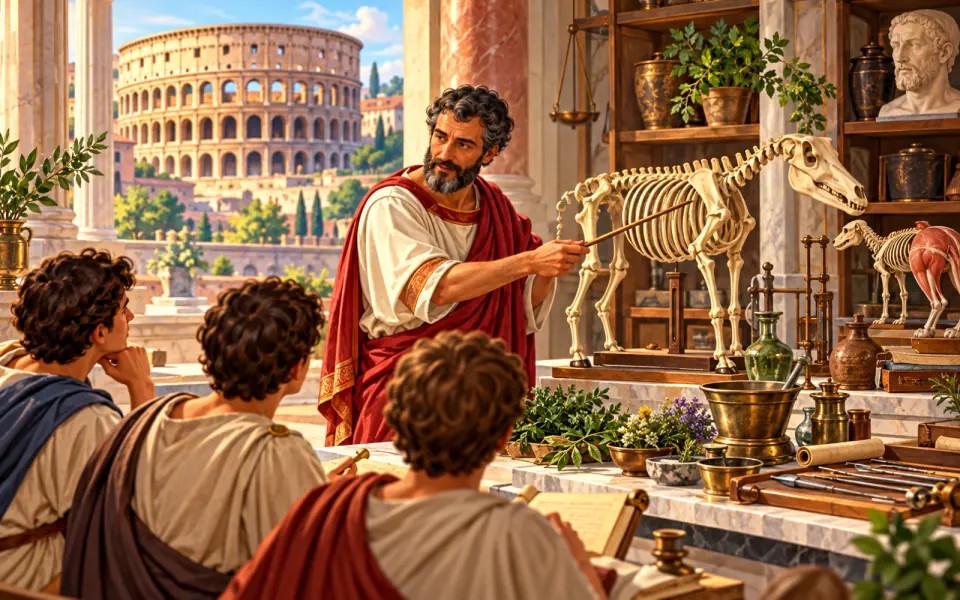 AfterGalen, a doctor in Romeabout AD 162
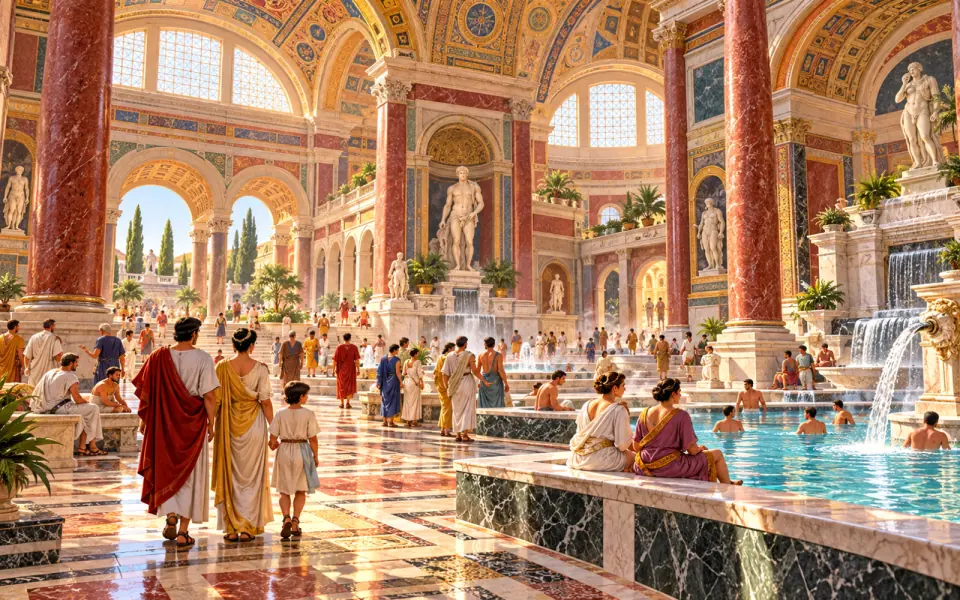 AfterThe Baths of CaracallaAD 216
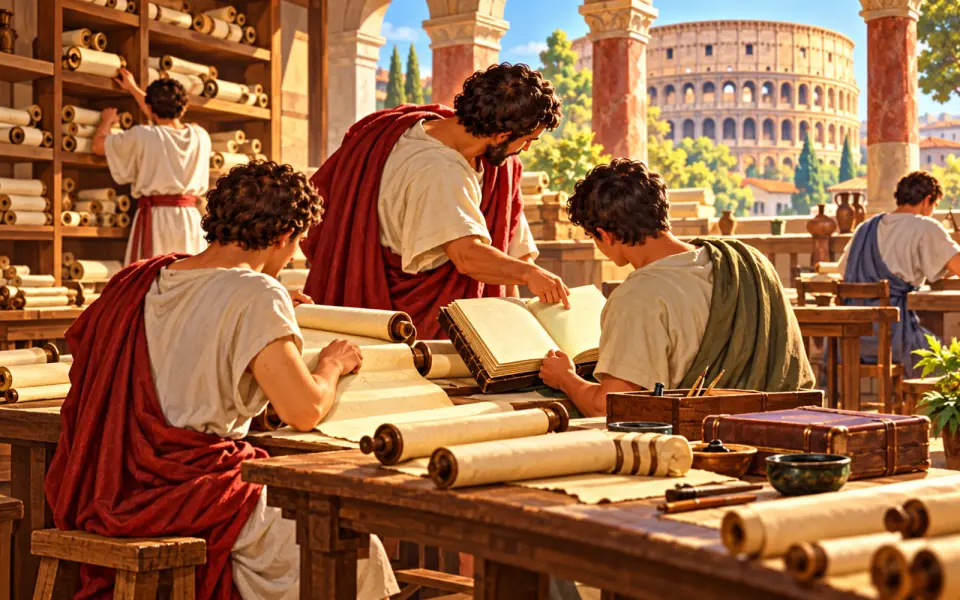 AfterThe book with pages (the codex)about AD 300
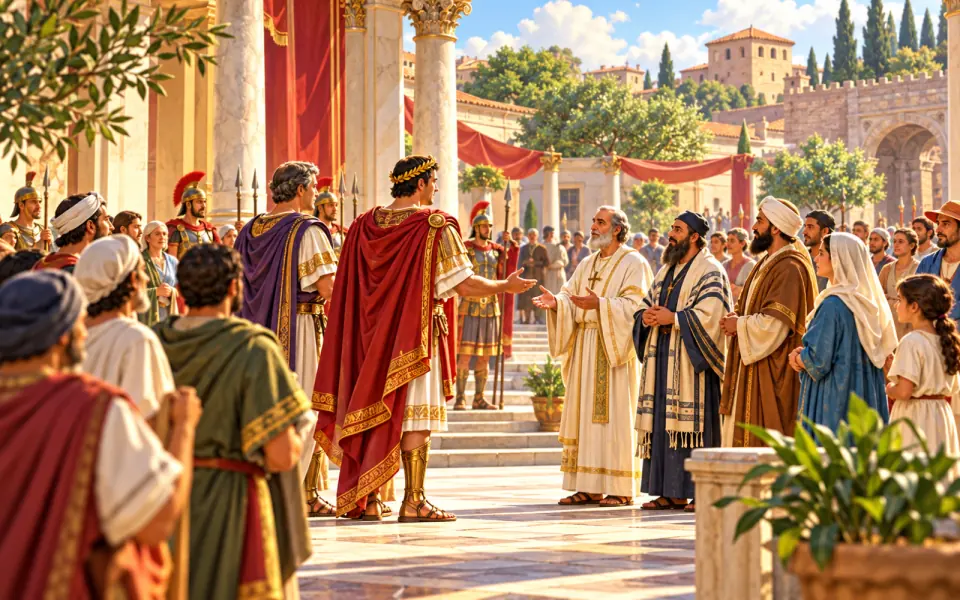 AfterThe Edict of MilanAD 313
 AfterFall of the Western Roman EmpireAD 476
In legend
Listen / Read next
- Music to read by: Cinematic JourneyEpic film-style music, no lyrics, by Ciro Simone IrmiciSpotifyYouTube Music
Meanwhile, elsewhere in the world
Other events of the era “Ancient Rome”
- Birth of the Roman Republic
- The Laws of the Twelve Tables
- The Appian Way
- The First Punic War
- Hannibal crosses the Alps
- Plautus and comedy
- Roman concrete
- The Aqua Marcia aqueduct
- Spartacus leads the revolt
- Caesar crosses the Rubicon
- The Julian calendar
- The murder of Julius Caesar
- Augustus, the first emperor
- The Pax Romana
- Virgil and the Aeneid
- Pompeii buried by Vesuvius
- The Colosseum opens
- Trajan's Column
- The Pantheon
- Galen, a doctor in Rome
- The Baths of Caracalla
- The book with pages (the codex)
- The Edict of Milan
- Fall of the Western Roman Empire
