The Aqua Marcia aqueduct
144–140 BC From the Aniene valley to Rome
In short
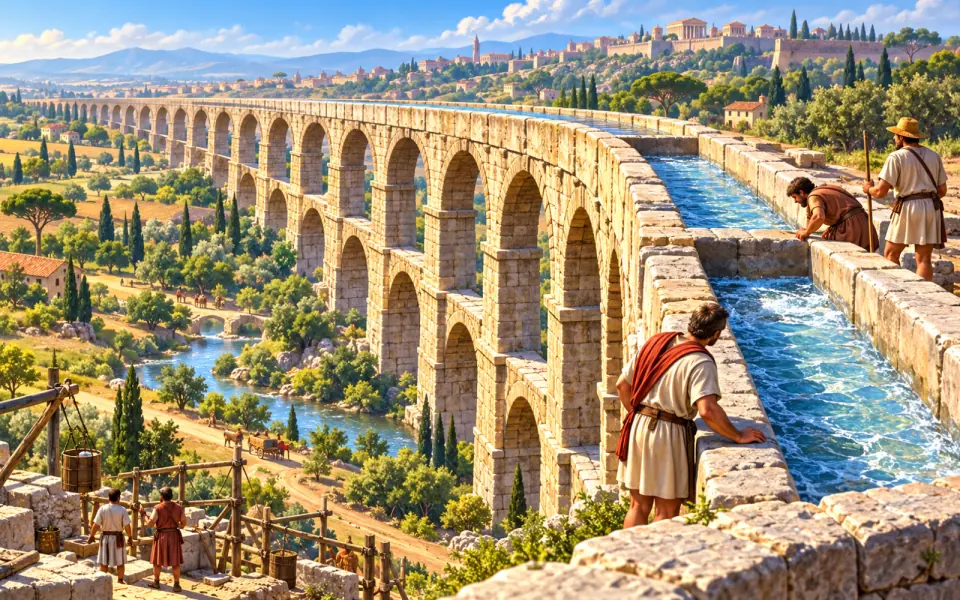
The praetor Quintus Marcius Rex was given the task by the Senate of bringing new water to Rome. His aqueduct took it from springs in the Aniene valley and was about 91 kilometres long, the longest in the city. For most of the way it ran underground, while near Rome it rose onto tall stone arches. Its water was praised as the coolest and clearest, and it supplied fountains and baths for centuries.
Why it matters Aqueducts brought clean water into the city for fountains, baths and homes, improving everyone's health.
Source: Encyclopaedia Britannica, “Aqueduct”
Study card about 5 minutes of reading
The story
A river that walked on arches
If you go to Rome and walk along the Appia Antica or look to the east, you see long rows of stone arches crossing the countryside and reaching the city. They are the remains of the aqueducts, the great conduits with which the Romans brought water from distant springs. The Aqua Marcia was the third aqueduct of Rome, and for centuries it was considered the most precious.
It was built in the middle of the 2nd century BC, in 144 BC (the work lasted until 140). The job was entrusted to a magistrate, the praetor Quintus Marcius Rex, to whom the aqueduct's name remains tied: his term of office should have expired, but it was extended precisely to allow him to finish the work.
Why new water was needed
In the 2nd century BC Rome was already a big city, with many people living near the centre. The existing aqueducts were no longer enough, and so the Senate decided to build a new one.
Curiously, the work had been decided as early as 179 BC, but it stood still for years. The reason, according to the tradition, was the veto of a politician, Marcus Licinius Crassus, who did not want the pipes to cross his land. It was only many years later, in 144 BC, that work could really begin.
How it worked
The water was collected in the upper basin of the Aniene, a river that comes down from the Apennine mountains and flows into the Tiber in Rome. The main spring, which still exists, is near Marano Equo, between Arsoli and Agosta. The Greek writer Strabo, however, said that the water came from Lake Fucinus. From the spring to Rome, the aqueduct was about 91 kilometres long: for the Romans 61 miles and 710 paces, that is, a little over 91 kilometres.
For the water to flow by itself, without pumps, a constant and very slight slope was needed: the water descended by gravity, little by little. Most of the route, about 80 kilometres, was underground, in channels dug into the earth. The channel was protected by soil, hardly visible and difficult to damage. Only about 11 kilometres ran above ground, on rows of arches. The arches of the Aqua Marcia were the first monumental arches built for an aqueduct of Rome.
Near the city the aqueduct ran for about 9 kilometres on arches beside the Via Latina, as far as a place called ad spem veterem, near what is today Porta Maggiore, where several aqueducts met. Then, following what would become the line of the Aurelian Walls, it crossed over the Via Tiburtina with an arch, later turned into the Porta Tiburtina. The water was distributed from a point near the Porta Collina.
How much water it carried
The flow of the Aqua Marcia was enormous. At the spring it came to 4,690 quinariae, a Roman unit of measurement: today it is calculated to have been about 194,000 cubic metres a day, that is, over 2,200 litres every second. Part of this water also fed other aqueducts: 92 quinariae went to the Aqua Tepula, 162 to the Anio Vetus. The same arches were reused later to carry the Aqua Tepula and the Aqua Julia too.
A water famous for its quality
The Roman writer Pliny the Elder called it the clearest of all waters, a gift made to the city by the gods. It was the Romans' favourite for drinking, because it was considered cool and healthy.
Maintenance and revivals
An aqueduct needs constant care. The Aqua Marcia was restored several times: by Agrippa in 33 BC, by Augustus between 11 and 4 BC (who almost doubled its flow with a new spring, the Aqua Augusta), by Titus in AD 79 and by Caracalla in AD 213, who increased its flow and built a branch, the Aqua Antoniniana, to supply his great baths. On the Porta Tiburtina you can still read today the inscriptions with which Augustus, Titus and Caracalla recorded these works. Other restorations came under Hadrian, Septimius Severus and Diocletian, and also at the beginning of the 5th century, shortly before its final abandonment.
Many centuries later, in the 19th century, Pope Pius IX brought the aqueduct back into use. The new work was inaugurated on 10 September 1870.
Why it happened
Rome was growing. By the middle of the 2nd century BC, after the victories in the Mediterranean, the city was rich and more populous, and the need for water to drink, for fountains and for baths was increasing. The wells and nearby springs were no longer enough.
For this reason the Senate charged a magistrate with bringing new water to the city from a distant area, among the mountains. It was a choice of health and of prestige: plentiful, good water was the sign of a healthy and well-organised city.
What changed
The Aqua Marcia brought Rome a great quantity of cool, good water, used for public fountains, baths and the homes of the richer citizens. It was so successful that for centuries it was maintained, restored and improved by the emperors. It was still serving in Caracalla's time, more than three centuries later.
Aqueducts changed daily life and health: clean water in the city reduced disease and made public baths, laundries and fountains possible. The arches, moreover, became a symbol of Roman power and a model for the builders who came after.
Its arches and its inscriptions are still visible. In the 19th century, in 1870, Pope Pius IX had a new one brought into use, which recalls the ancient one in its name.
Key people and places
People
- Quintus Marcius Rex
- Praetor to whom the Senate entrusted the building of the aqueduct; his term of office was extended to finish the work.
- Marcus Licinius Crassus
- Politician who in 179 BC blocked the project by refusing to let it cross his land.
- Pliny the Elder
- Roman writer and scientist. He called the Aqua Marcia the clearest of all waters.
- Agrippa
- Friend and son-in-law of Augustus: he restored the aqueduct in 33 BC.
Places
- Aniene Valley
- Mountain area where the aqueduct's springs rise, near Marano Equo, between Arsoli and Agosta.
- Porta Tiburtina
- Gate of the Aurelian Walls that grew out of an arch of the aqueduct, with the inscriptions of Augustus, Titus and Caracalla.
- Porta Maggiore
- Place in Rome where many aqueducts met.
Good to know
- The aqueduct was about 91 kilometres long, but only about 11 ran over arches: the rest was underground.
- At the spring it carried over 2,200 litres of water a second.
- The project was decided in 179 BC but stayed blocked for a long time because a politician did not want the pipes to cross his land.
- On the Porta Tiburtina you can still read three inscriptions, by Augustus, Titus and Caracalla, recording the restorations.
- Pliny the Elder called it “a gift made to the city by the gods”.
Find out more
- Wikipedia, “Aqua Marcia” en.wikipedia.org
- World History Encyclopedia, “Aqueduct” worldhistory.org
- Wikipedia, “Aqueduct (water supply)” en.wikipedia.org
- Colosseum Archaeological Park, official website colosseo.it
Related events
- The Baths of CaracallaAD 216 · Ancient RomeA branch of the Aqua Marcia, the Aqua Antoniniana, supplied the Baths of Caracalla.
- Roman concreteabout 150 BC · Ancient RomeThe arches and channels were built with concrete and stone techniques.
- The Appian Way312 BC · Ancient RomeLike the Appian Way, the aqueduct shows the skills of Roman engineers.
- Augustus, the first emperor27 BC · Ancient RomeAugustus restored the aqueduct and doubled its flow.
- The drains and baths of Mohenjo-daroabout 2450 BC · River civilisationsIn the cities of the Indus such as Mohenjo-daro too there were sewers and baths.
Before and after, in the era “Ancient Rome”
Event 9 of 25
 BeforeTraditional founding of Romeabout 753 BC
 BeforeBirth of the Roman Republicabout 509 BC
 BeforeThe Laws of the Twelve Tablesabout 450 BC
 BeforeThe Appian Way312 BC
 BeforeThe First Punic War264–241 BC
 BeforeHannibal crosses the Alps218 BC
 BeforePlautus and comedyabout 200 BC
 BeforeRoman concreteabout 150 BC
- You are hereThe Aqua Marcia aqueduct144–140 BC
 AfterSpartacus leads the revolt73–71 BC
 AfterCaesar crosses the Rubicon49 BC
 AfterThe Julian calendar46 BC
 AfterThe murder of Julius Caesar44 BC
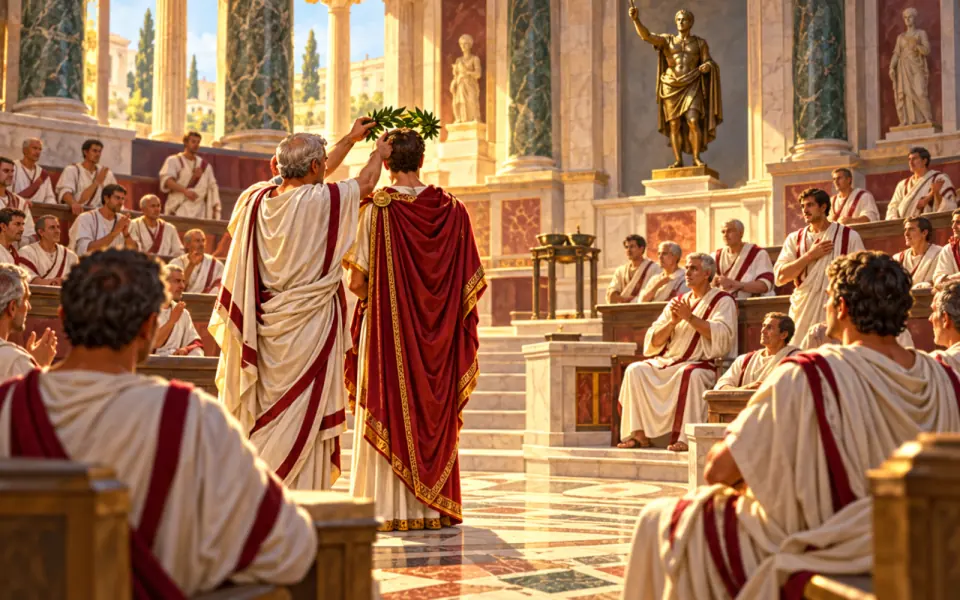 AfterAugustus, the first emperor27 BC
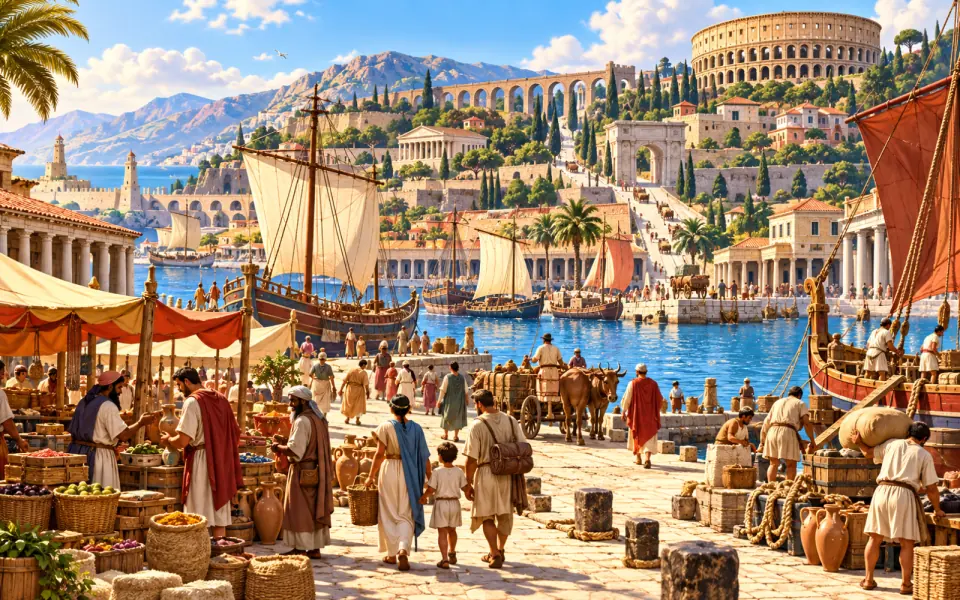 AfterThe Pax Romana27 BC – AD 180
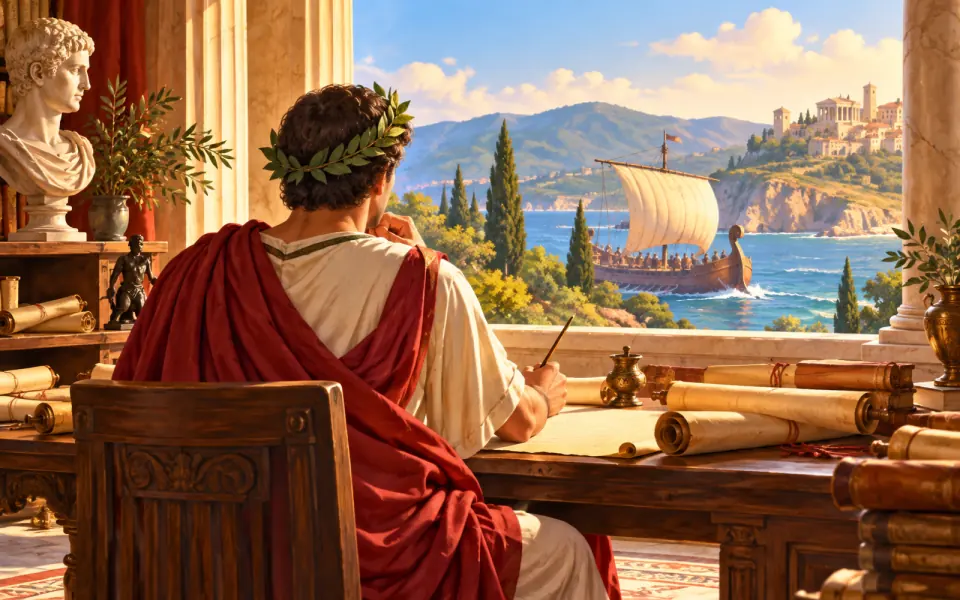 AfterVirgil and the Aeneid19 BC
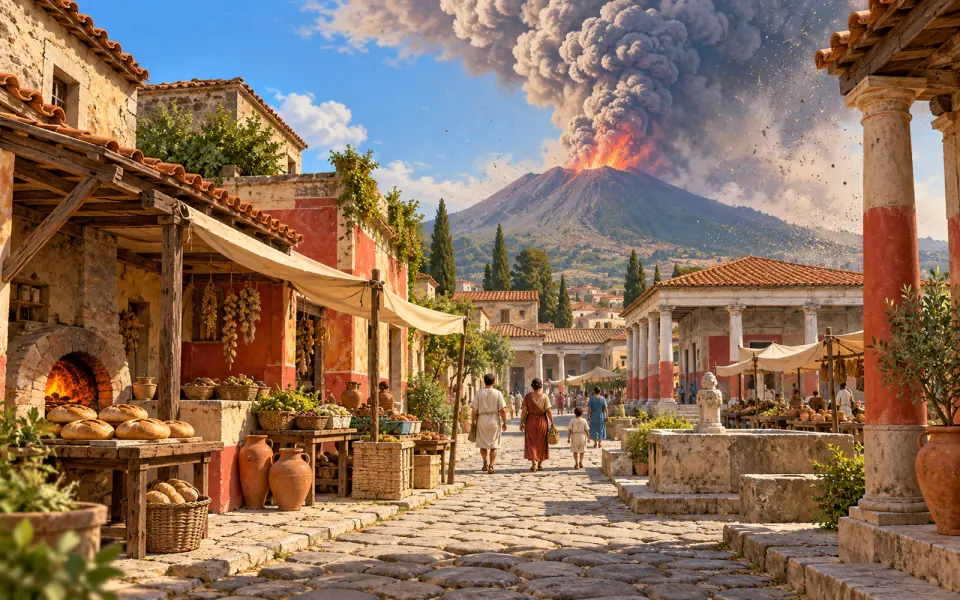 AfterPompeii buried by VesuviusAD 79
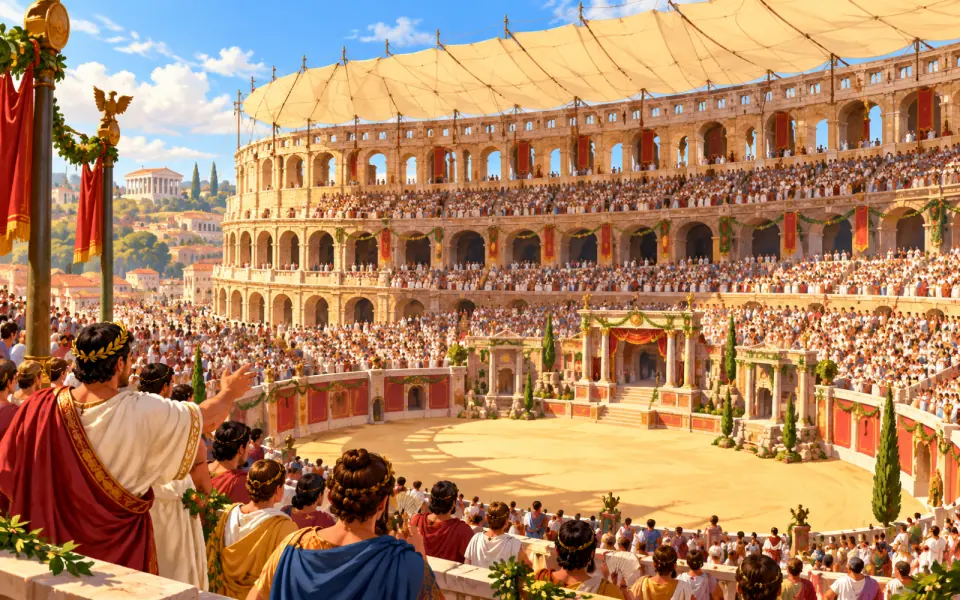 AfterThe Colosseum opensAD 80
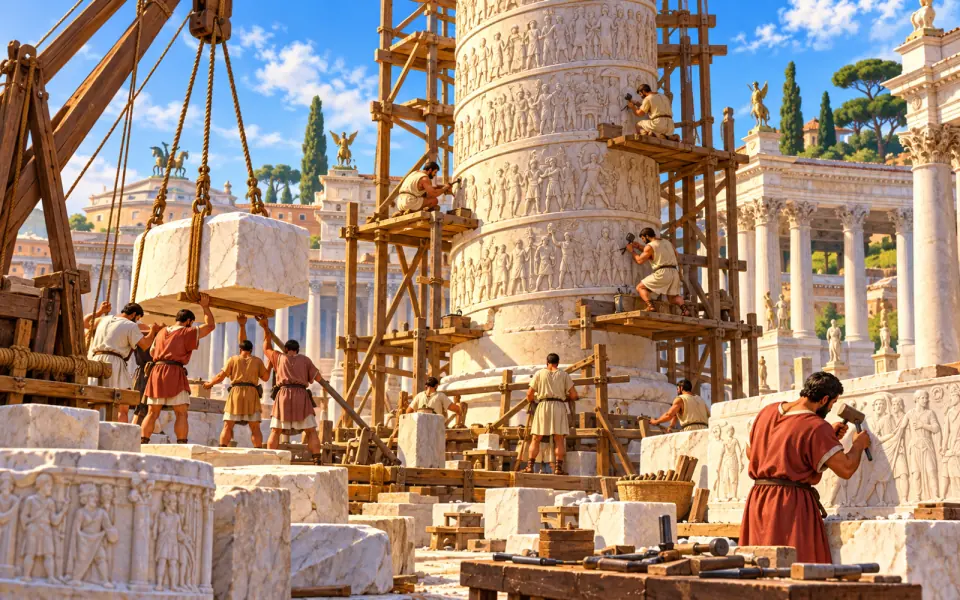 AfterTrajan's ColumnAD 113
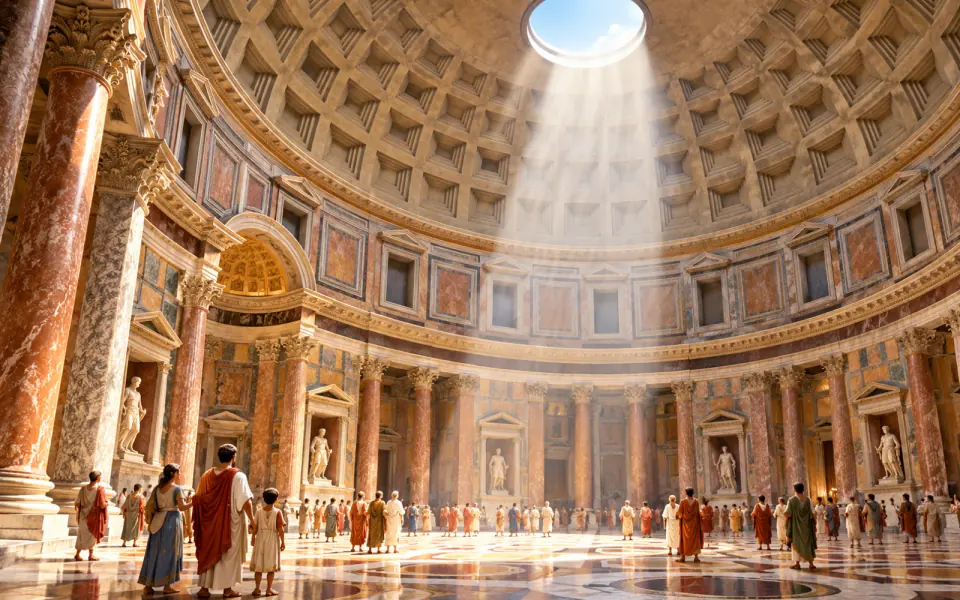 AfterThe Pantheonabout AD 125
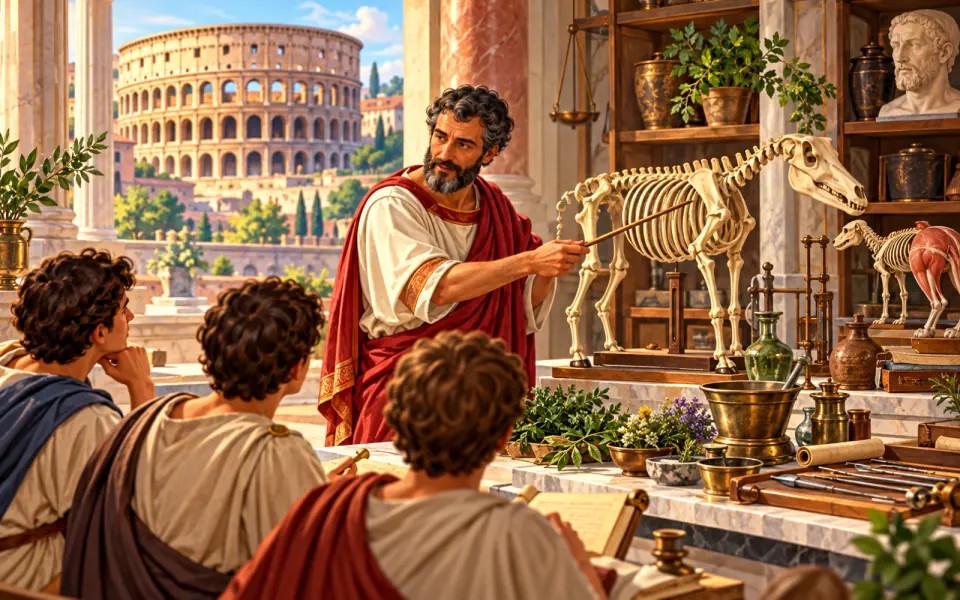 AfterGalen, a doctor in Romeabout AD 162
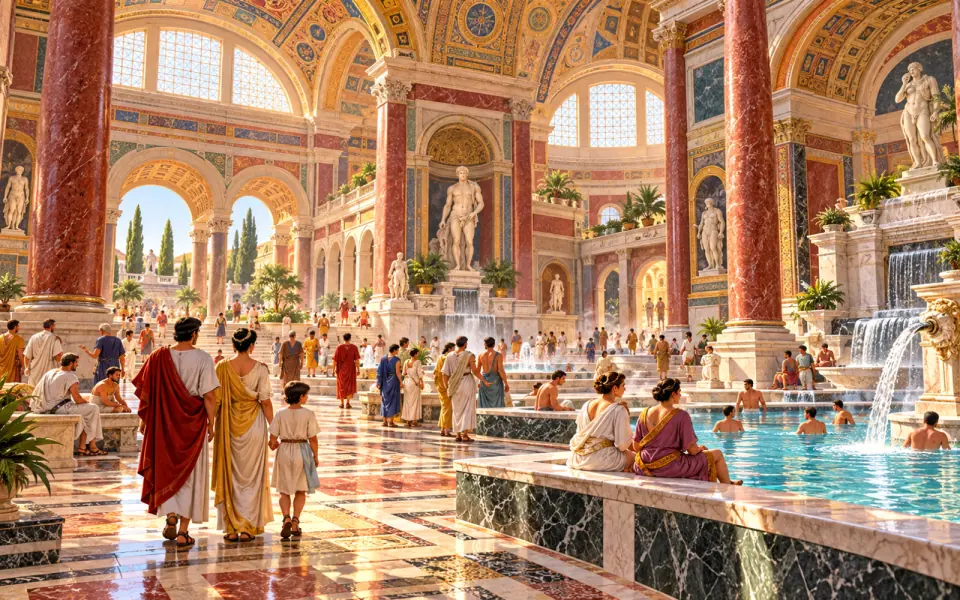 AfterThe Baths of CaracallaAD 216
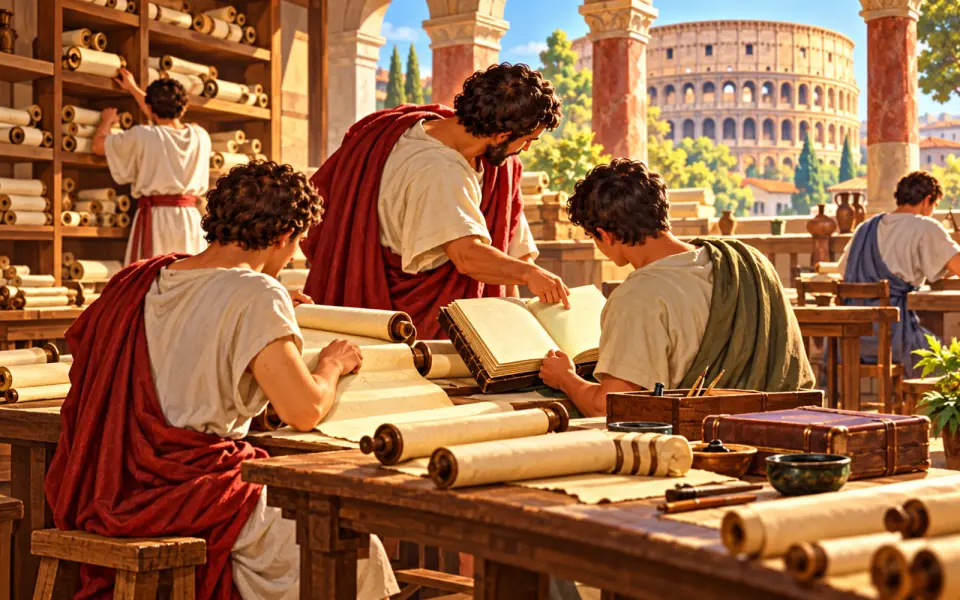 AfterThe book with pages (the codex)about AD 300
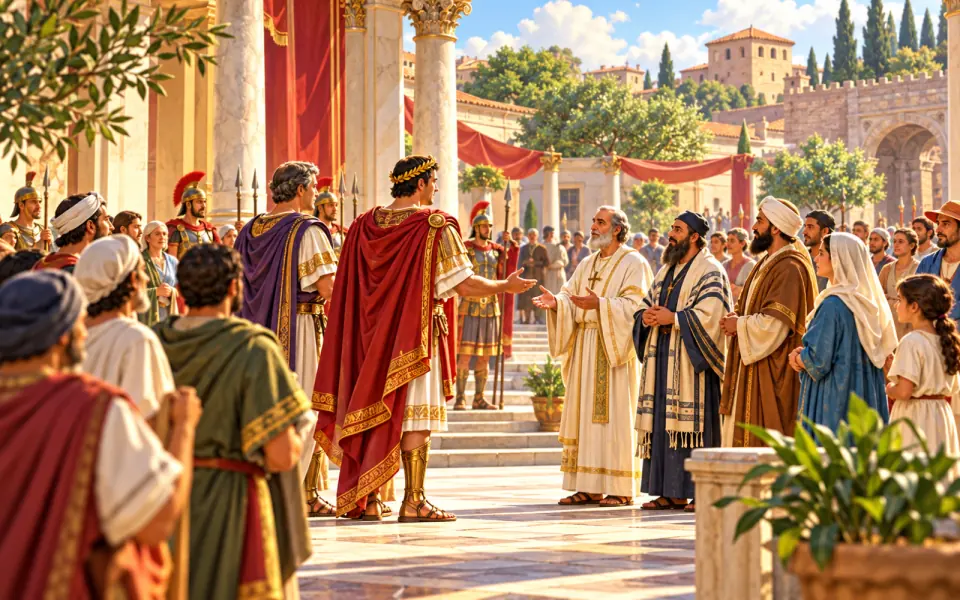 AfterThe Edict of MilanAD 313
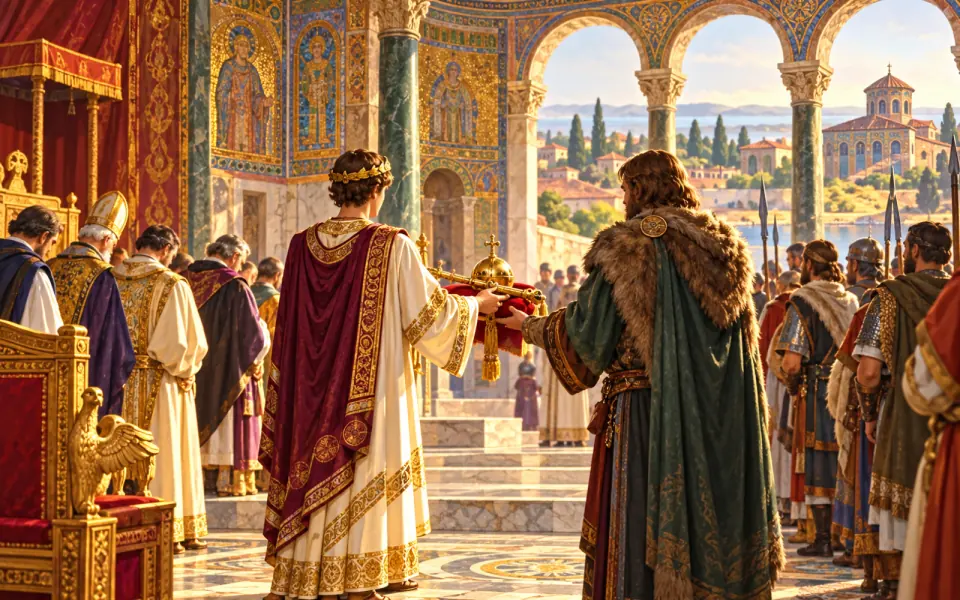 AfterFall of the Western Roman EmpireAD 476
Listen / Read next
- Music to read by: Cinematic JourneyEpic film-style music, no lyrics, by Ciro Simone IrmiciSpotifyYouTube Music
Meanwhile, elsewhere in the world
Other events of the era “Ancient Rome”
- Traditional founding of Rome
- Birth of the Roman Republic
- The Laws of the Twelve Tables
- The Appian Way
- The First Punic War
- Hannibal crosses the Alps
- Plautus and comedy
- Roman concrete
- Spartacus leads the revolt
- Caesar crosses the Rubicon
- The Julian calendar
- The murder of Julius Caesar
- Augustus, the first emperor
- The Pax Romana
- Virgil and the Aeneid
- Pompeii buried by Vesuvius
- The Colosseum opens
- Trajan's Column
- The Pantheon
- Galen, a doctor in Rome
- The Baths of Caracalla
- The book with pages (the codex)
- The Edict of Milan
- Fall of the Western Roman Empire
