Fall of the Western Roman Empire
AD 476 Ravenna
In short
The Germanic leader Odoacer removed Romulus Augustulus, a boy who was the last Roman emperor in the West. Odoacer did not take the title of emperor and sent the imperial regalia to Constantinople. The Western Empire had long been weakened by economic crises, internal struggles and the arrival of Germanic peoples. The Eastern Roman Empire, with its capital at Constantinople, survived for almost a thousand more years.
Why it matters Many historians use this date to mark the end of ancient times and the start of the Middle Ages.
Source: Treccani, entry “Odoacre”
Study card about 6 minutes of reading
The story
The last emperor was a boy
On 4 September AD 476, in Italy, a boy of about ten to fourteen was removed from the throne and sent away with a pension. His name was Romulus, and he had a curious nickname: Augustulus, that is, “little Augustus”. He was the last Roman emperor of the West. Many historians choose this day to mark the end of the ancient world. But how did it come to this?
To understand, we must remember that the Roman Empire, in the 5th century, was divided into two parts, with two emperors: one in the West, with his court in Italy, and one in the East, at Constantinople. The western part had been in crisis for some time: it had economic problems, internal struggles for power and the arrival of Germanic peoples who settled inside its borders. The emperors of the West were often weak and depended on the generals who commanded the troops.
The father, the son and the mercenaries
From 474 the emperor of the West was Julius Nepos, recognised by the Eastern emperors Leo I and then Zeno. In 475 Nepos put at the head of the army a general named Orestes, born in Pannonia, a region between present-day Hungary and the Balkans. Orestes, of barbarian origin but a Roman citizen, entered Ravenna on 28 August 475 and forced Nepos to flee to Dalmatia, to Salona. On 31 October of the same year he declared Nepos deposed and had his own son Romulus, who was then about ten to fourteen years old, named emperor.
The real leader was Orestes. Romulus decided nothing: he was an emperor in name. In his name gold coins were minted at Rome, Milan, Ravenna and in some cases also at Arles.
The problems came in 476. The mercenary troops, made up of Germanic warriors from peoples such as the Heruli, the Sciri and the Turcilingi, asked to receive lands in Italy as a reward. Orestes refused. The soldiers rebelled and chose as their leader a warrior of Germanic origin, perhaps a Scirian, Odoacer, who on 23 August 476 was acclaimed king by his men.
Orestes sought refuge at Ticinum, present-day Pavia, but Odoacer besieged it, took it and captured him. Orestes was then taken to Piacenza, where he died on Odoacer's orders. His brother Paul was also defeated.
The end of an empire (or perhaps not)
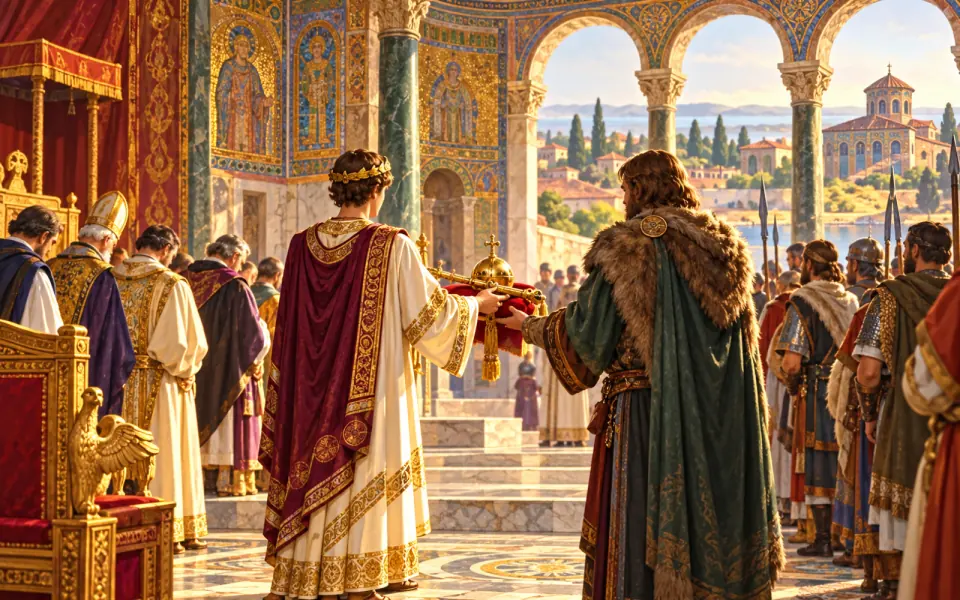
On 4 September 476 Odoacer deposed Romulus Augustulus. He did not kill him: he spared him, according to an ancient chronicle (the Anonymus Valesianus), because of his youth, and sent him to live in the Castellum Lucullanum, a residence in Campania which, according to the tradition, stood in the area of today's Castel dell'Ovo in Naples, with an annual pension of six thousand solidi (gold coins). After that moment Romulus disappears from the sources: we do not know how his life ended.
Odoacer did not take the title of emperor. He had the imperial insignia sent to Constantinople: he wrote, or had written, that there was no need for two emperors and that Italy could be entrusted to him. Zeno, the emperor of the East, recognised him as governor of Italy with the title of patrician, though without an official appointment. Zeno had never backed Romulus: for him the true emperor of the West was still Julius Nepos, who remained in Dalmatia. Nepos died in 480, killed by one of his officers, and then this claim too came to an end.
476, 480 or 486?
Historians do not all agree on the date of the “fall”. 476 is the most used: already in the 6th century a writer, Marcellinus Comes, considered the Western Empire ended in that year. Some point to 480, the year of the death of Nepos, because Odoacer had recognised his authority: but this is a minority view. Others think of 486, when the last kingdom of Roman type in Gaul, at Soissons, was annexed to the Franks. This view too is hard to defend.
Rather than a sudden “fall”, scholars today speak of a slow transformation. For many inhabitants of Italy life went on almost as before: the cities, the laws, the language. What changed was who held power. For this reason it is said that 476 is more a symbol than a sudden break. The Eastern Roman Empire, on the other hand, continued for almost a thousand years.
Why it happened
The Western Empire had weakened for many reasons together: economic and tax difficulties, struggles between generals and between claimants to the throne, enormous military costs. Meanwhile Germanic peoples were settling inside the borders, sometimes as allies serving in the army.
The last spark was a request for land from the mercenaries. Because the government could not or would not satisfy them, they rebelled. Odoacer became their leader and took control of Italy without meeting real resistance: there was no longer a Roman army strong enough to stop him.
What changed
In Italy there was no longer an emperor. For a time Odoacer ruled, recognised by the emperor of the East. Then other peoples took power: the West split into kingdoms, such as those of the Goths, the Franks, the Lombards and the Vandals, each with its own leaders.
For many historians 476 marks the end of the ancient age and the beginning of the Middle Ages. It is a convention, that is, a choice that helps to organise study: there is no day on which the world changes all at once. But it is useful to have a reference point. History went on in new forms: the Church, the monasteries, the Romance languages (Italian, French, Spanish...) and Roman law survived and were transformed.
The Eastern Roman Empire, with its capital at Constantinople, stood until 1453, when the city was conquered by the Turks. Its world is also called the Byzantine Empire. In its laws, its churches and its culture the heritage of Rome continued for almost a thousand years.
Key people and places
People
- Romulus Augustulus
- Last emperor of the West, born around 465. He was deposed in 476 and sent to Campania with a pension.
- Odoacer
- Leader of the Germanic mercenaries, king from 23 August 476: he deposed Romulus and ruled Italy.
- Orestes
- General of barbarian origin and a Roman citizen, father of Romulus: he made his son emperor.
- Zeno
- Emperor of the East who recognised Odoacer as governor of Italy with the title of patrician.
Places
- Ravenna
- Capital of the Western Empire in the 5th century, where Orestes entered in 475.
- Castellum Lucullanum
- Residence in Campania (in the area of today's Castel dell'Ovo, in Naples, according to the tradition) where Romulus was sent to live.
- Constantinople
- Capital of the Eastern Empire, to which Odoacer sent the imperial insignia.
Good to know
- Romulus had the name of the founder of Rome and that of the first emperor, Augustus: hence the nickname “Augustulus”, “little Augustus”.
- He was only between about ten and fourteen years old when he was proclaimed emperor.
- Odoacer spared him because of his youth and gave him a pension of six thousand gold solidi a year.
- After 476 the emperor Julius Nepos went on considering himself emperor of the West from Dalmatia, until his death in 480.
- Already in the 6th century a writer, Marcellinus Comes, considered the Western Empire finished in 476.
Find out more
- World History Encyclopedia, “Odoacer” worldhistory.org
- Wikipedia, “Romulus Augustulus” en.wikipedia.org
- Wikipedia, “Fall of the Western Roman Empire” en.wikipedia.org
- Wikipedia, “Odoacer” en.wikipedia.org
Related events
- The Romano-Germanic kingdomsabout AD 480 · Early Middle AgesAfter 476 the Roman-Germanic kingdoms arose in the West.
- The Lombards in ItalyAD 568 · Early Middle AgesIn 568 the Lombards entered Italy.
- Emperor JustinianAD 527 · Early Middle AgesJustinian, in the 6th century, tried to reconquer the West from the Eastern Empire.
- The fall of Constantinople1453 · Early modern ageThe Eastern Roman Empire ended in 1453 with the fall of Constantinople.
- The Edict of MilanAD 313 · Ancient RomeIn 380 Christianity had become the official religion of the empire.
Before and after, in the era “Ancient Rome”
Event 25 of 25
 BeforeTraditional founding of Romeabout 753 BC
 BeforeBirth of the Roman Republicabout 509 BC
 BeforeThe Laws of the Twelve Tablesabout 450 BC
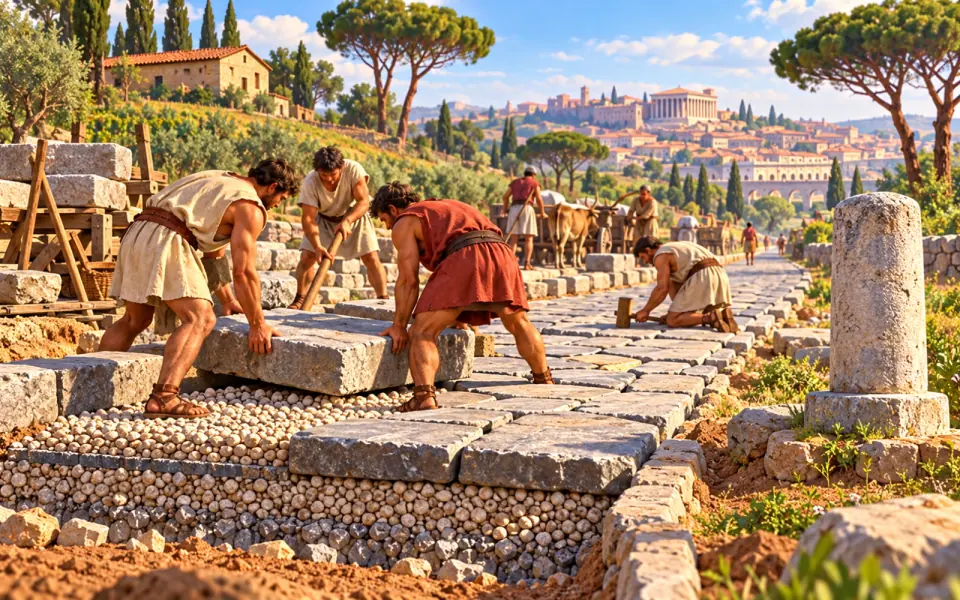 BeforeThe Appian Way312 BC
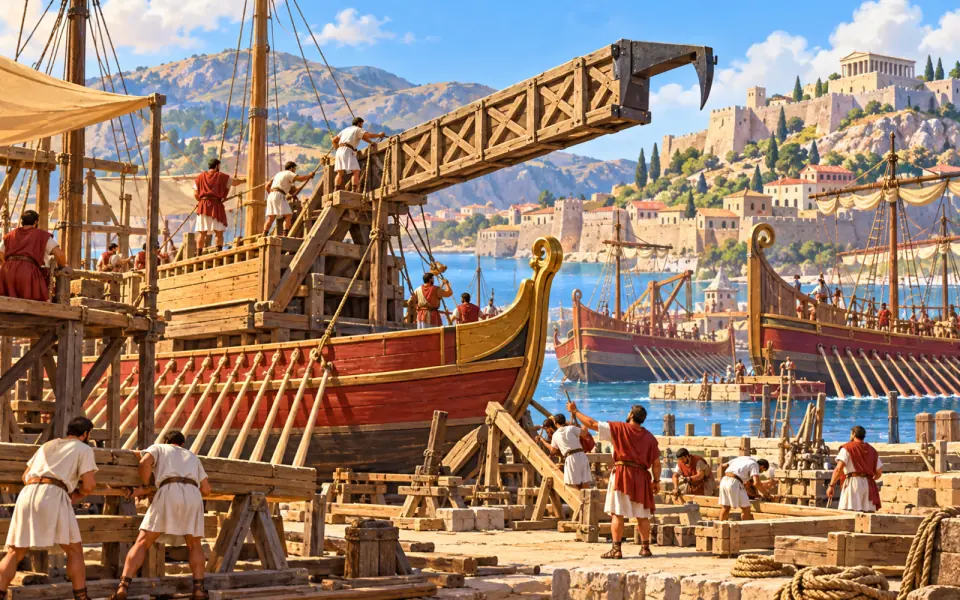 BeforeThe First Punic War264–241 BC
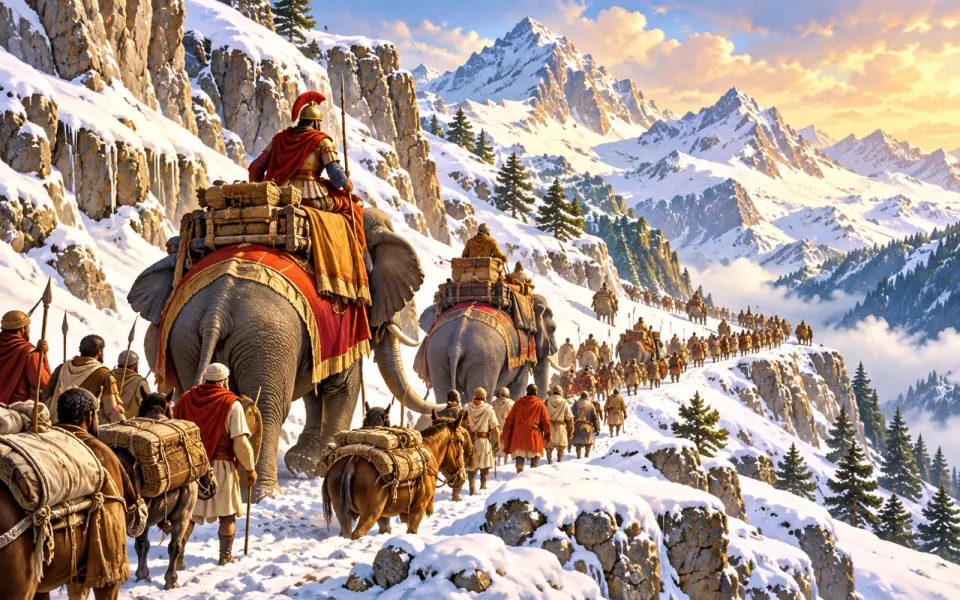 BeforeHannibal crosses the Alps218 BC
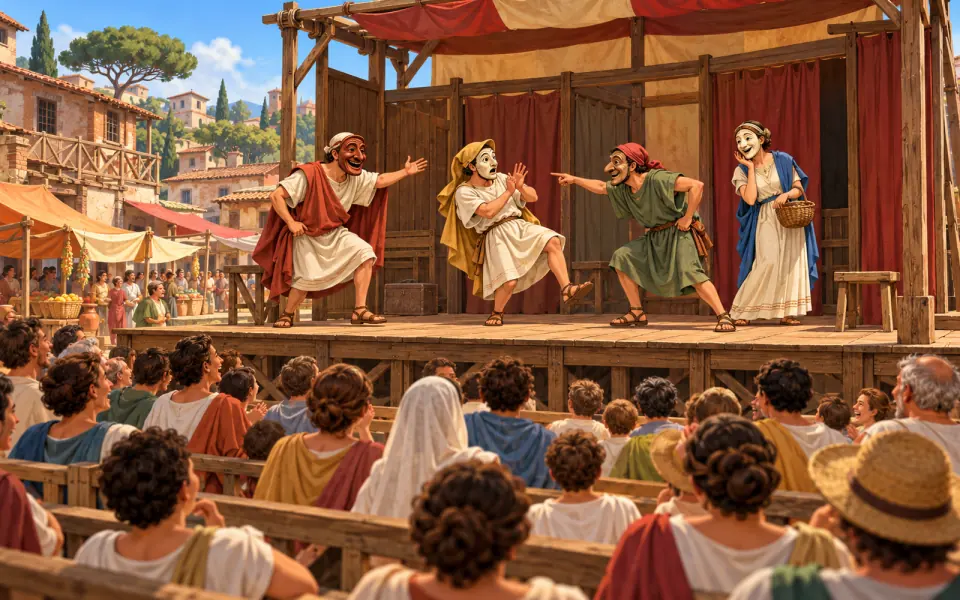 BeforePlautus and comedyabout 200 BC
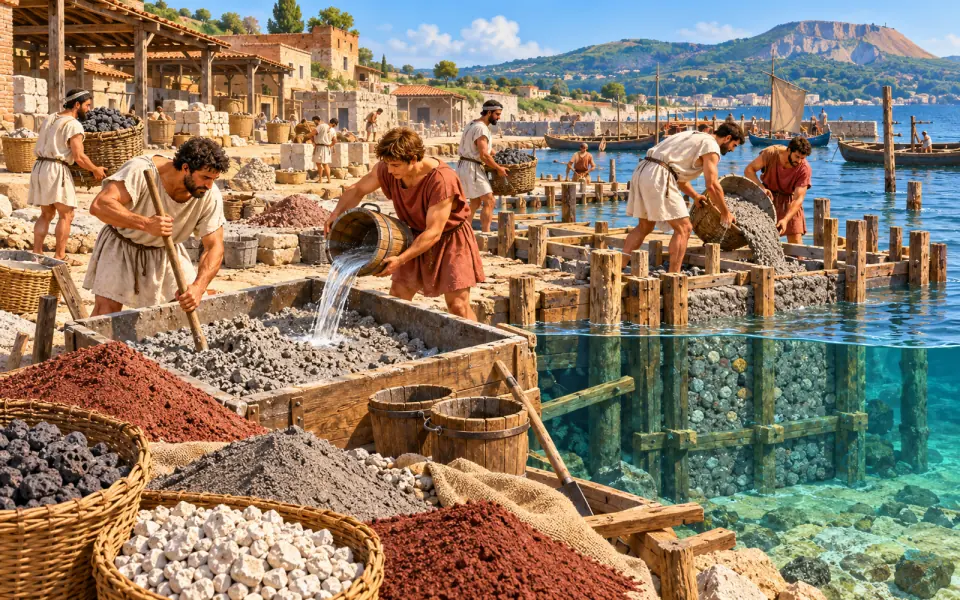 BeforeRoman concreteabout 150 BC
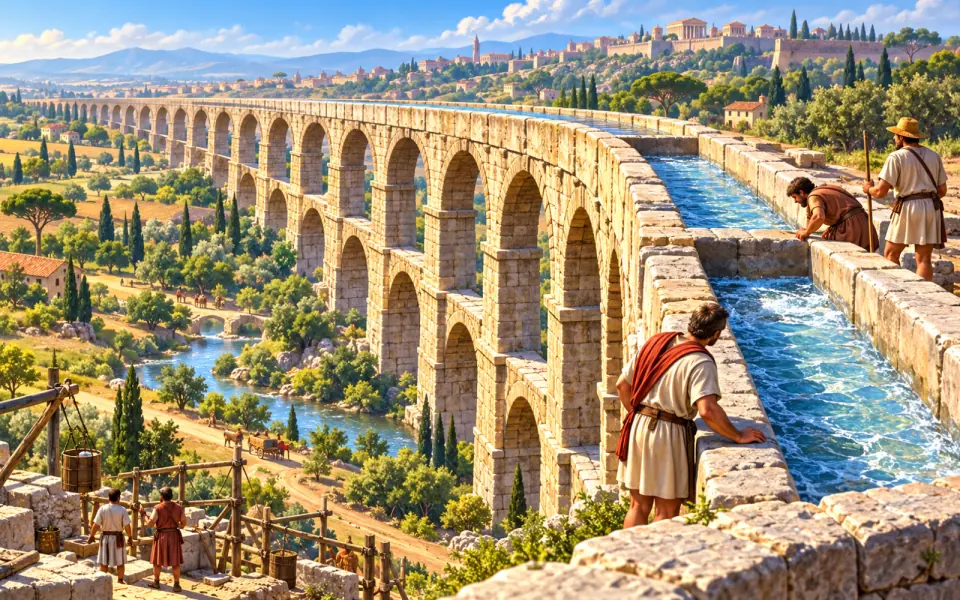 BeforeThe Aqua Marcia aqueduct144–140 BC
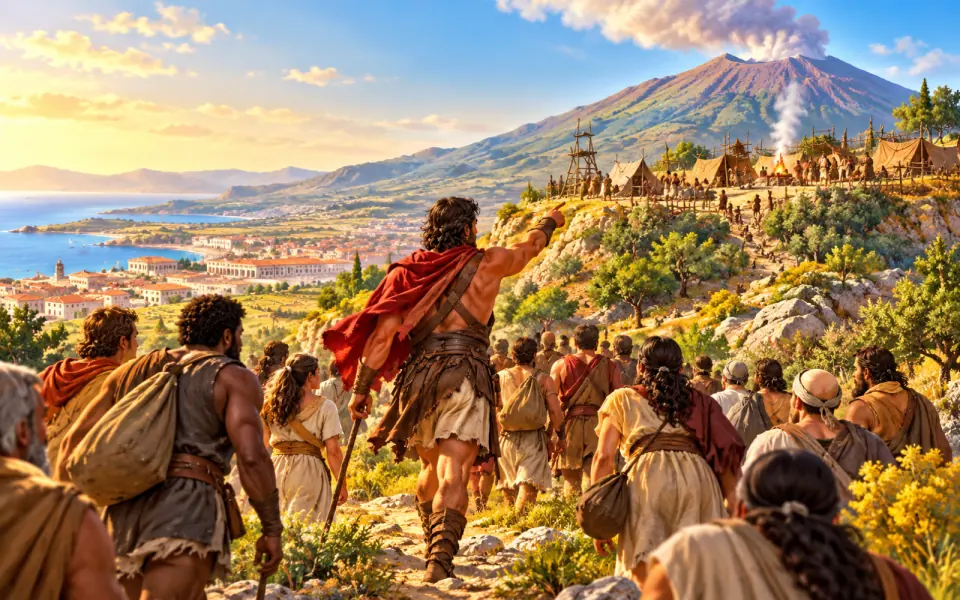 BeforeSpartacus leads the revolt73–71 BC
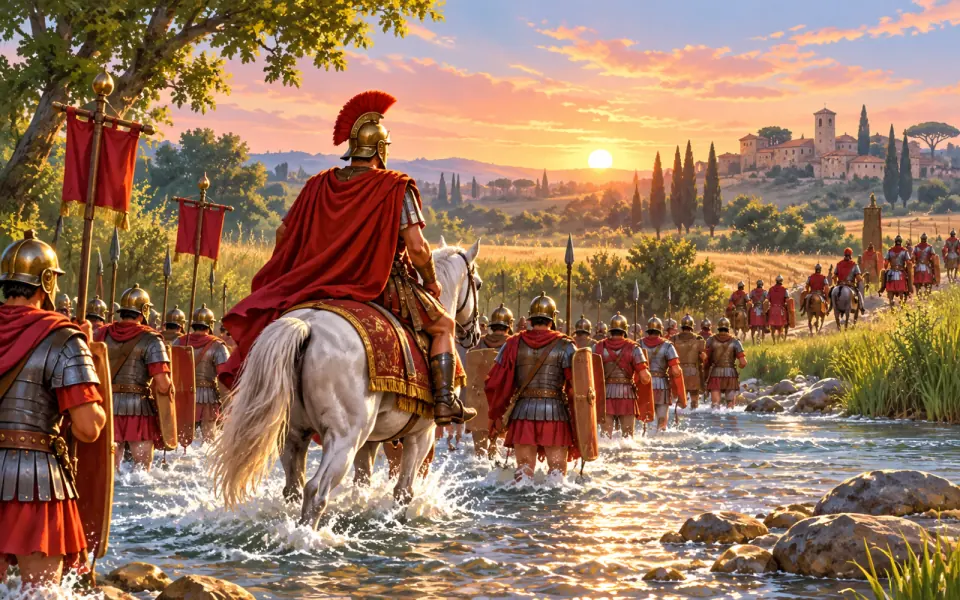 BeforeCaesar crosses the Rubicon49 BC
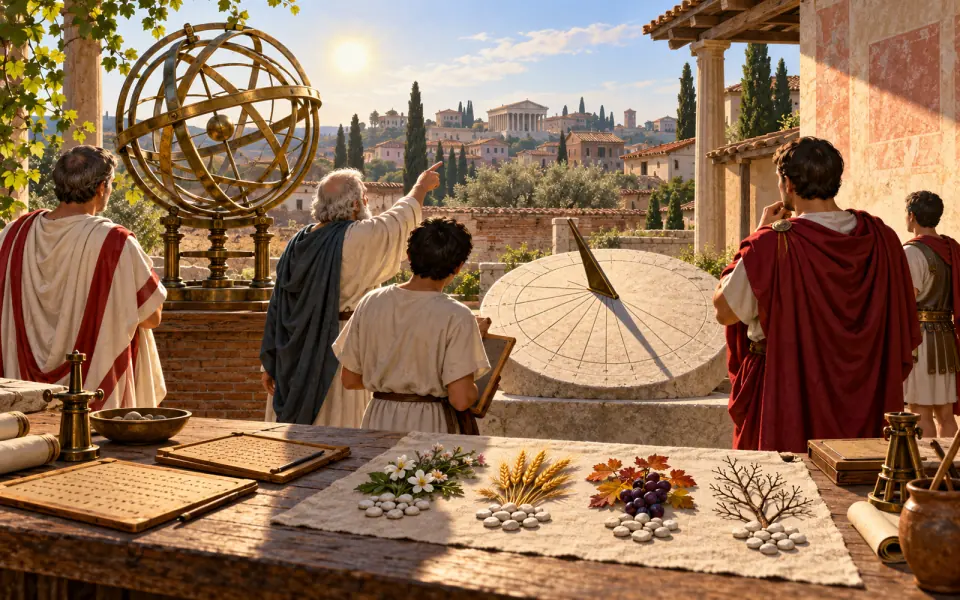 BeforeThe Julian calendar46 BC
 BeforeThe murder of Julius Caesar44 BC
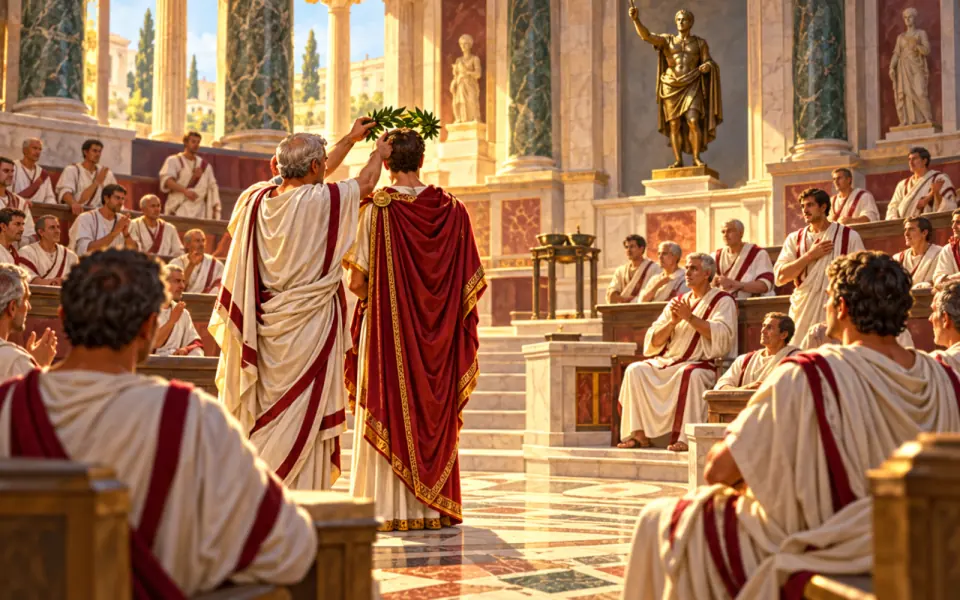 BeforeAugustus, the first emperor27 BC
 BeforeThe Pax Romana27 BC – AD 180
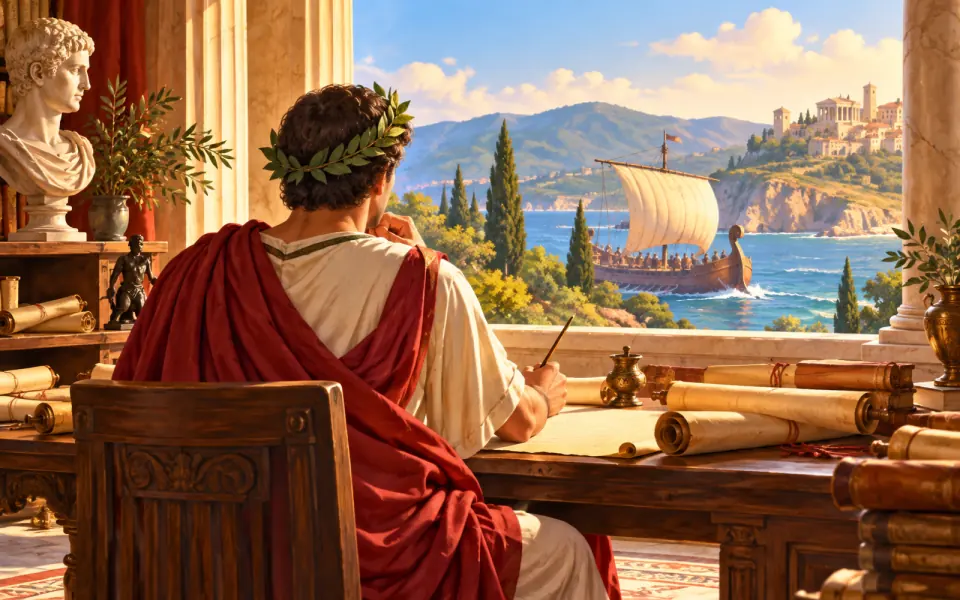 BeforeVirgil and the Aeneid19 BC
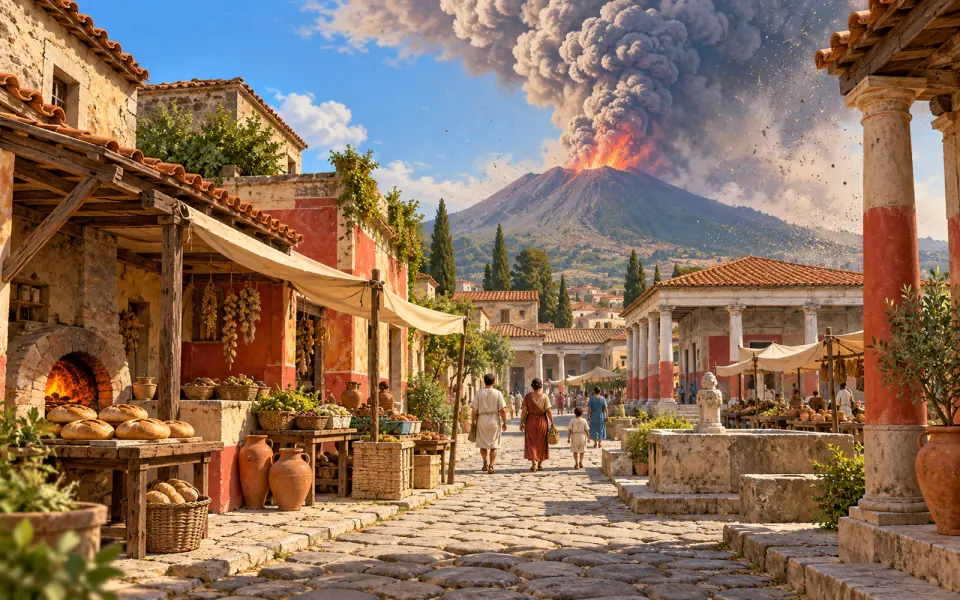 BeforePompeii buried by VesuviusAD 79
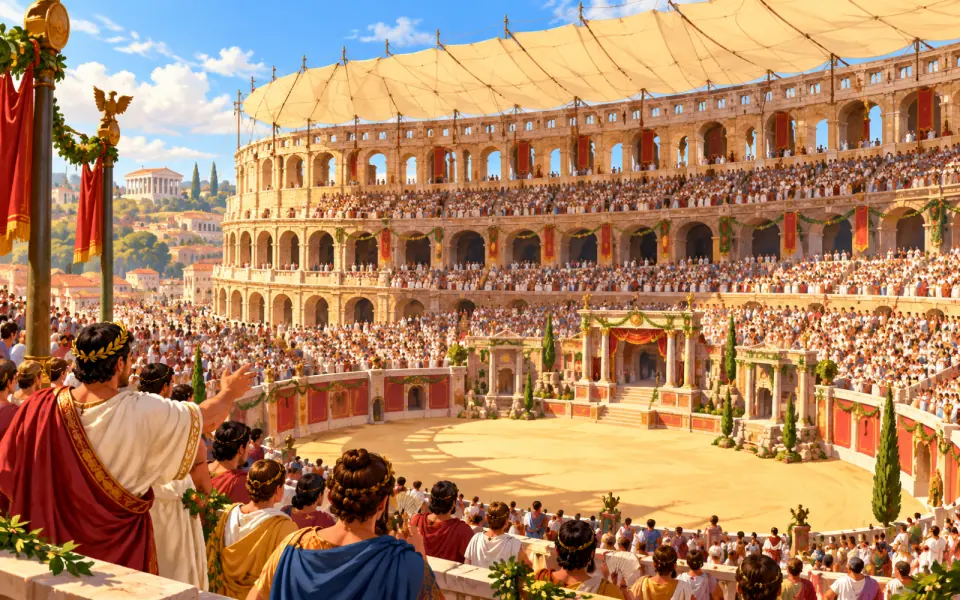 BeforeThe Colosseum opensAD 80
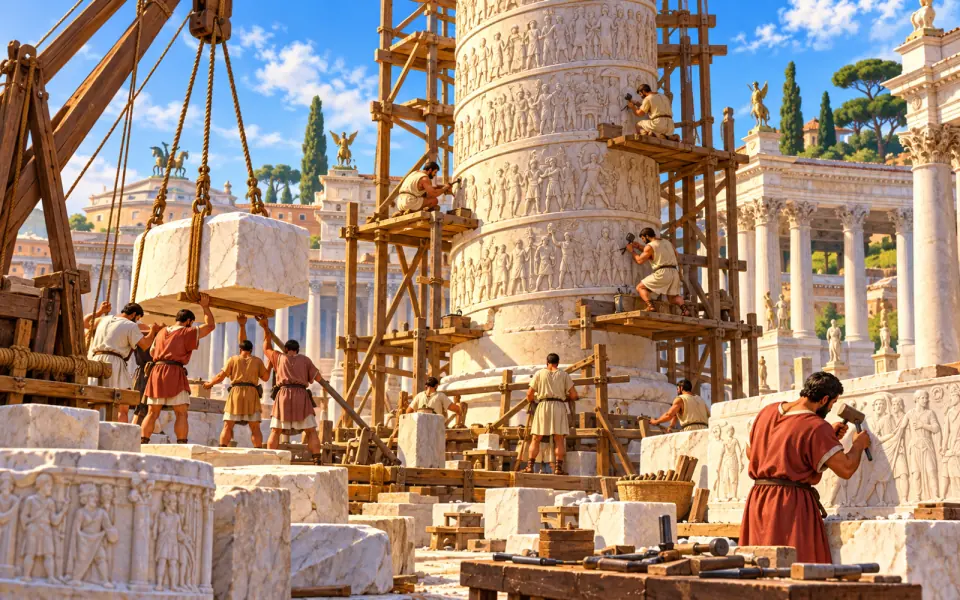 BeforeTrajan's ColumnAD 113
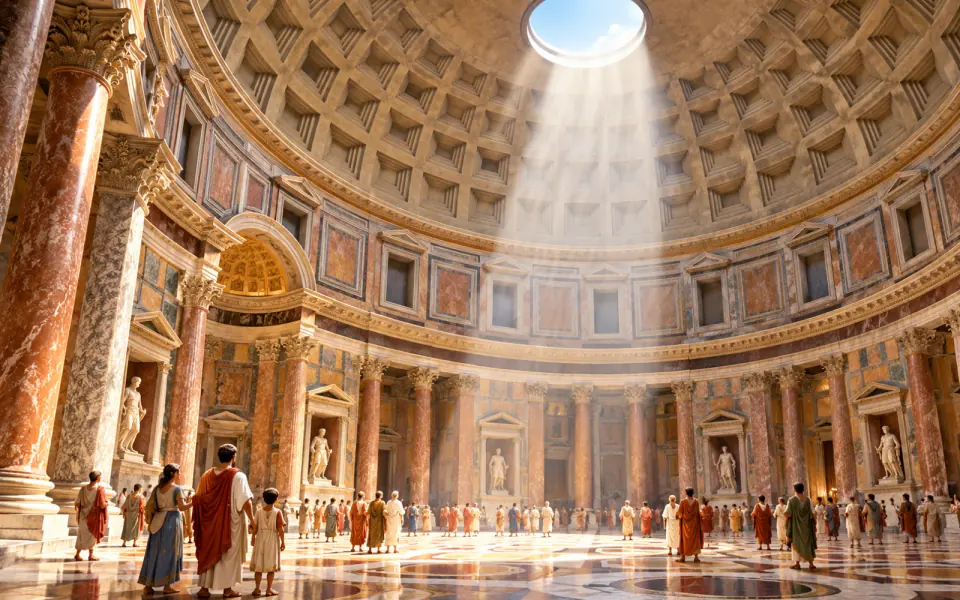 BeforeThe Pantheonabout AD 125
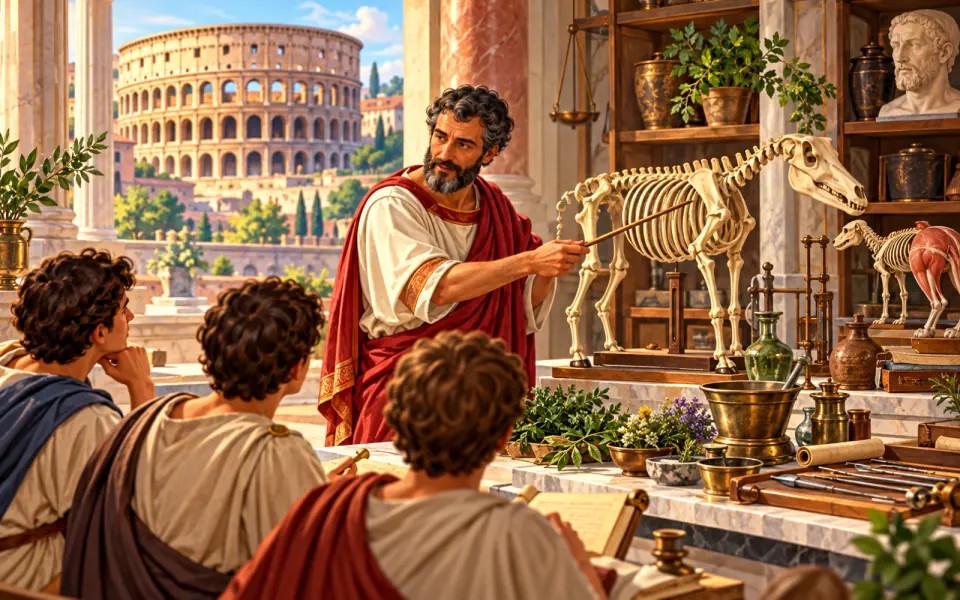 BeforeGalen, a doctor in Romeabout AD 162
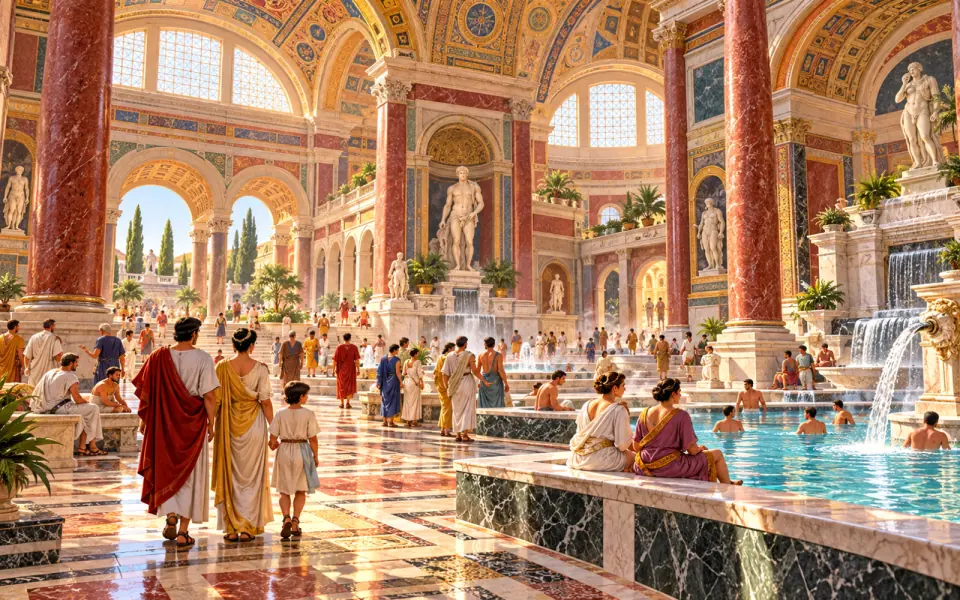 BeforeThe Baths of CaracallaAD 216
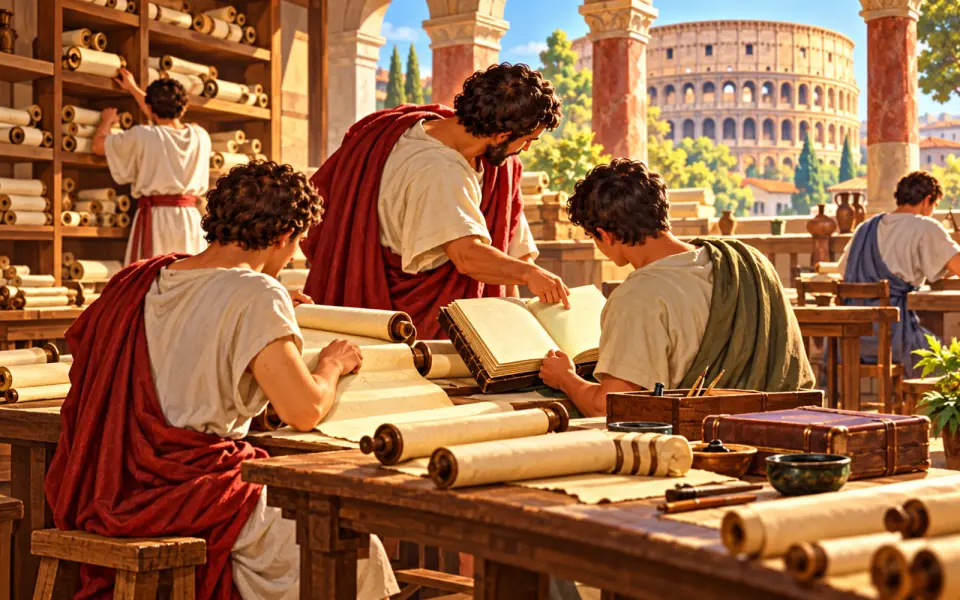 BeforeThe book with pages (the codex)about AD 300
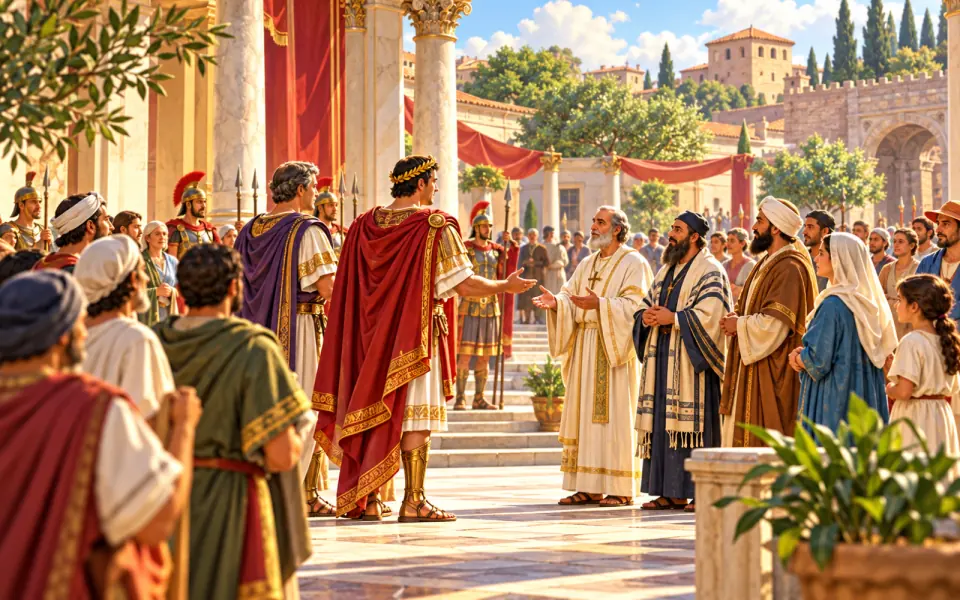 BeforeThe Edict of MilanAD 313
- You are hereFall of the Western Roman EmpireAD 476
Listen / Read next
- Music to read by: Cinematic JourneyEpic film-style music, no lyrics, by Ciro Simone IrmiciSpotifyYouTube Music
Meanwhile, elsewhere in the world
Other events of the era “Ancient Rome”
- Traditional founding of Rome
- Birth of the Roman Republic
- The Laws of the Twelve Tables
- The Appian Way
- The First Punic War
- Hannibal crosses the Alps
- Plautus and comedy
- Roman concrete
- The Aqua Marcia aqueduct
- Spartacus leads the revolt
- Caesar crosses the Rubicon
- The Julian calendar
- The murder of Julius Caesar
- Augustus, the first emperor
- The Pax Romana
- Virgil and the Aeneid
- Pompeii buried by Vesuvius
- The Colosseum opens
- Trajan's Column
- The Pantheon
- Galen, a doctor in Rome
- The Baths of Caracalla
- The book with pages (the codex)
- The Edict of Milan
