Birth of the Roman Republic
about 509 BC Rome
In short
Tradition says that the Romans drove out their last king, Tarquin the Proud, and decided never to have another. In his place two consuls were elected every year, so that no one could rule alone and for ever. The Senate, made up of older, experienced citizens, advised the officials. The word ‘republic’ comes from the Latin res publica, ‘the thing that belongs to everyone’.
Why it matters Many modern republics, Italy included, have taken ideas and words from the Roman one.
Source: Encyclopaedia Britannica, “Roman Republic”
Study card about 7 minutes of reading
The story
The day Rome said “never again a king”
For its first two and a half centuries or so, according to the tradition, Rome was ruled by kings. We remember seven, from Romulus to Tarquin the Proud. The Romans' story says that in 509 BC the last of them was driven out of the city and that the people decided never to have another. From that moment Rome became a republic. The reason for the revolt, in the story told by the ancients, is a shocking crime.
The king's son, Sextus Tarquinius, is said to have gravely wronged a noblewoman named Lucretia, the wife of a relative called Lucius Tarquinius Collatinus. Lucretia, out of shame, took her own life. Her husband, her father and a friend, Lucius Junius Brutus, who was related to the Tarquins, led the revolt. The king and his family were forced to flee to Etruria, the land of the Etruscans, to the north of Rome.
How to govern without a king
The Romans did not want anyone to rule alone again. So the king's power was divided between two consuls, chosen every year. The first two, according to the tradition, were Collatinus and Brutus themselves. The consul had many powers, but there were rules to limit them. Historians sum them up in three words: annuality, meaning that the office lasted one year; collegiality, meaning that every magistrate had a colleague who could block him with a veto, a Latin word meaning “I forbid”; and unpaid service, meaning that magistrates received no salary. To hold public office you had to be rich, because you earned nothing.
Besides the consuls there were other magistrates with specific duties, such as the quaestors, who looked after public money, the aediles, who took care of the city, and the censors, who counted the citizens and assessed their property. The dictator, according to the tradition, appeared for the first time in 501 BC. He was a magistrate with exceptional powers, who ruled alone but only for a short time, in moments of serious danger.
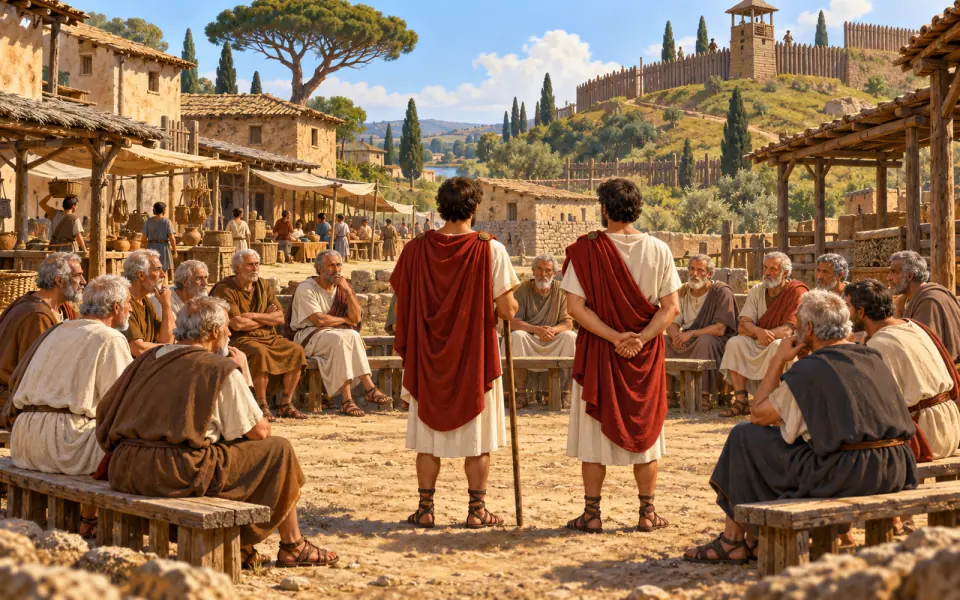
The task of advising the magistrates belonged to the Senate, an assembly of about three hundred members. At first it was made up of the heads of the most important families, the patricians, and later of former magistrates. Its opinions were not binding on paper, but in practice no magistrate could ignore them. Then there were the assemblies of the people, called comitia, which voted on laws and chose the magistrates. The most important, the centuriate assembly, gave more weight to the votes of the rich, who therefore counted for more than the poor.
Patricians and plebeians: a long struggle
The problem was that power lay mostly in the hands of the patricians, the richest and oldest families. The rest of the people, the plebeians, wanted a say. The plebeians were farmers, craftsmen and traders, and they also served as soldiers. Without them Rome could not defend itself.
In 494 BC, the tradition says, after some wars against neighbouring peoples, the plebeians staged a “secession”: they left the city and withdrew to the Sacred Mount, refusing to fight or to work until they were listened to. They obtained a representative of their own, the tribune of the plebs, who could stop magistrates' abuses on behalf of ordinary citizens. It was the beginning of a long struggle, the “conflict of the orders”, which lasted about two centuries. In 443 BC the censorship was established. Around 421–420 BC plebeians were allowed to become quaestors (the first were elected in 409), and little by little they gained access to the other offices.
History and legend
How much of this story is true? Modern historians think that the fall of the kings was not as sudden as in the story, and that 509 is a traditional date, calculated later. One clue: in those years the Etruscan power too, which had influenced Rome, was losing strength in central and southern Italy; an Etruscan defeat at Cumae in 524 BC is remembered as a sign of this decline. Perhaps the expulsion of the Tarquins was an occasion when the patrician families, tired of the power of the kings, took charge of the city.
We do know, however, that the king tried to return. Famous stories have come down to us from the tradition: the deposed king asked the Etruscans for help, in particular Porsenna, king of Clusium, and Rome was besieged. We remember Horatius Cocles, who defended a bridge alone, Mucius Scaevola, who burned his hand to prove his courage, and Cloelia, a girl who escaped from the enemy camp. These episodes are more legendary than historical, but they tell us that the Romans saw themselves as a people of brave citizens defending their freedom.
A republic that lasted almost five centuries
The republican system lasted from 509 to 27 BC. It did not end with a law: after long civil wars, Octavian, who took the name Augustus, kept the old offices but gathered power into his own hands. For a long time the republican facade stayed standing, even though in reality the emperor was in command.
Why it happened
According to historians, the monarchy fell because the kings, especially the last ones, who were of Etruscan origin, had made reforms and public works that gave power to the people and took away some of the nobles' privileges. The great patrician families did not want one man, and his dynasty, to decide everything.
To this was added the international situation. The influence of the Etruscans in central and southern Italy was shrinking, and the Romans, allied with other neighbouring peoples such as the Sabines, could rebel without too much risk. In the traditional story everything starts from the act of Sextus Tarquinius: it serves to explain a complex change in a simple way.
What changed
A way of governing was born, based on three ideas: magistrates who serve for a short time, who come in twos or more and who keep watch on each other; a Senate of experienced people who give advice; and the people who vote in the assemblies. The idea that nobody should have too much power for too long has come down to us. Even the word “republic” comes from there: res publica means “public thing”, the thing that belongs to everyone.
Over the centuries, the plebeians won more and more rights: the tribune of the plebs, the chance to become magistrates, written laws equal for all. It was a long struggle, made of strikes before the word existed, like the secession on the Sacred Mount, and of compromises. This balance allowed Rome to stay united and to grow until it dominated the Mediterranean.
In today's world many states are republics and their institutions have taken models and words from Rome: the Senate, the consuls (in some countries), the veto, fixed terms of office. Italy too has been a republic since 1946. But be careful: the Roman republic was not a democracy as we understand it, because women, slaves and foreigners did not vote and the votes of the rich weighed more.
Key people and places
People
- Tarquin the Proud
- Seventh and last king of Rome according to the tradition, driven out in 509 BC. He came from an Etruscan family.
- Lucretia
- Roman noblewoman at the heart of the story that starts the revolt against the Tarquins; it is an episode of tradition, not confirmed by sources from the time.
- Lucius Junius Brutus
- A relative of the Tarquins who, according to the tradition, led the revolt and was one of the first two consuls.
- Porsenna
- Etruscan king of Clusium who, according to the story, besieged Rome to bring the Tarquins back to power.
Places
- Rome
- The city on the Tiber where the events take place; among the places of the Republic are the Forum, the Curia where the Senate met and the Capitoline Hill.
- Sacred Mount
- The hill outside Rome where, according to the tradition, the plebeians withdrew in 494 BC in protest.
- Etruria
- The land of the Etruscans, to the north of Rome, where the Tarquins sought refuge and military help.
Good to know
- The word “veto” is Latin and means “I forbid”: it was a magistrate's right to block his colleague's decisions.
- The dictator, originally, was a temporary office: whoever held it ruled alone but for a short time, in emergencies.
- The first consuls, according to the tradition, were Lucius Junius Brutus and Lucius Tarquinius Collatinus.
- For the Romans, accusing someone of “wanting to be king” was one of the most serious accusations there was.
- The Roman republic lasted almost five centuries (482 years), from 509 to 27 BC.
Find out more
- World History Encyclopedia, “The Roman Republic” worldhistory.org
- Wikipedia, “Roman Republic” en.wikipedia.org
- Wikipedia, “Tarquin the Proud” en.wikipedia.org
- Wikipedia, “Roman Senate” en.wikipedia.org
Related events
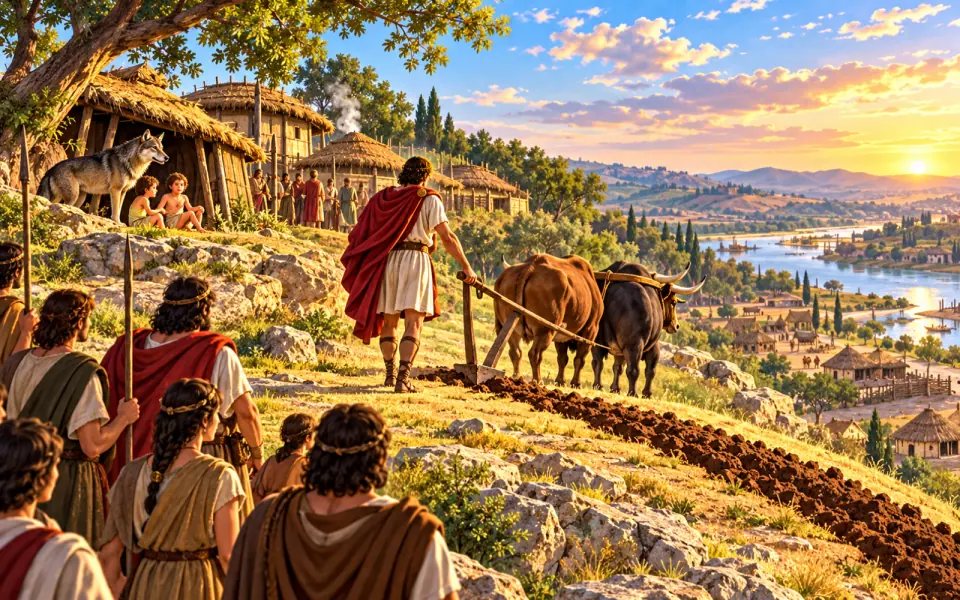
- Traditional founding of Romeabout 753 BC · Ancient RomeThe seven kings, from Romulus to Tarquin the Proud, ruled the city before the Republic.
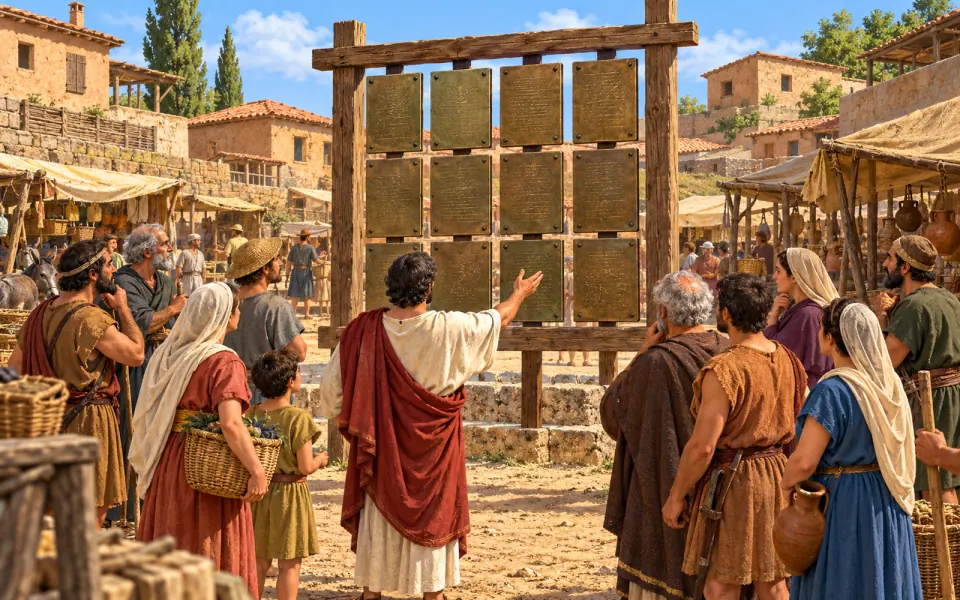
- The Laws of the Twelve Tablesabout 450 BC · Ancient RomeThe Twelve Tables were a victory for the plebeians in the struggle for written laws equal for all.
- Cleisthenes and democracyabout 508 BC · Ancient GreeceIn the same period Athens, under Cleisthenes, was inventing democracy.
- Augustus, the first emperor27 BC · Ancient RomeAfter almost five centuries, Augustus turned the Republic into an empire.
- The Italian Republic and votes for women1946 · Early 20th centuryItaly became a republic again in 1946, with a word and ideas born in Rome.
Before and after, in the era “Ancient Rome”
Event 2 of 25
 BeforeTraditional founding of Romeabout 753 BC
- You are hereBirth of the Roman Republicabout 509 BC
 AfterThe Laws of the Twelve Tablesabout 450 BC
 AfterThe Appian Way312 BC
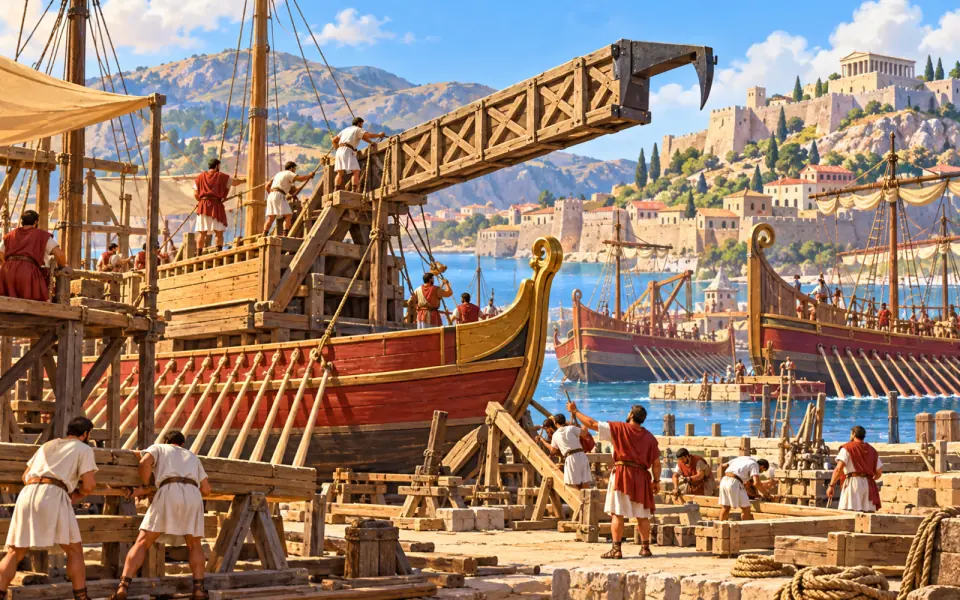 AfterThe First Punic War264–241 BC
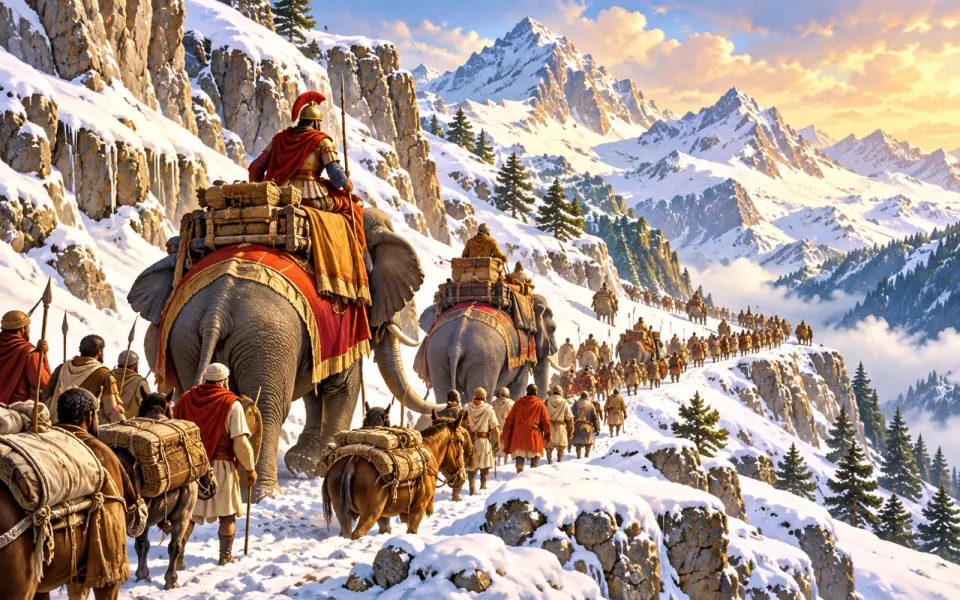 AfterHannibal crosses the Alps218 BC
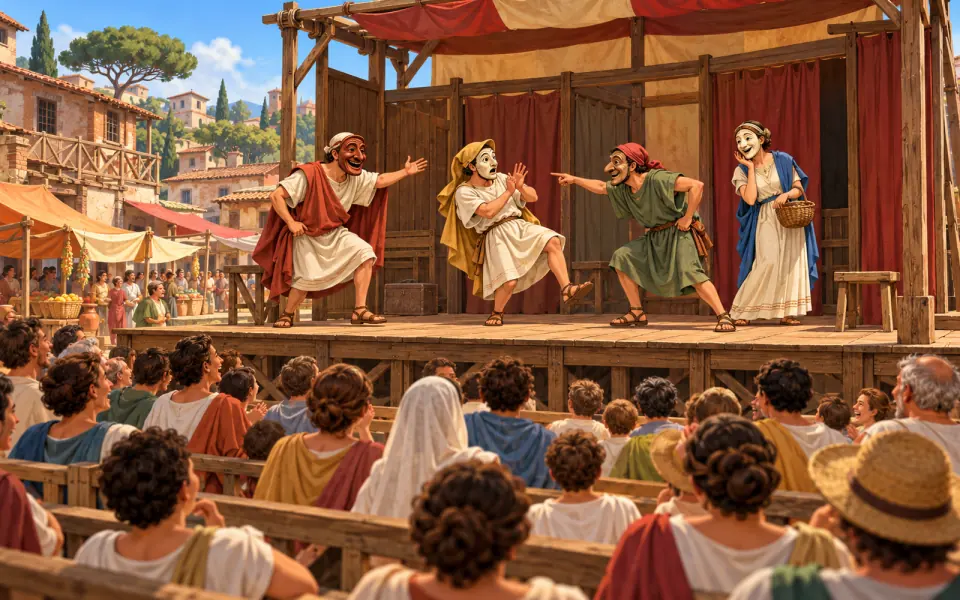 AfterPlautus and comedyabout 200 BC
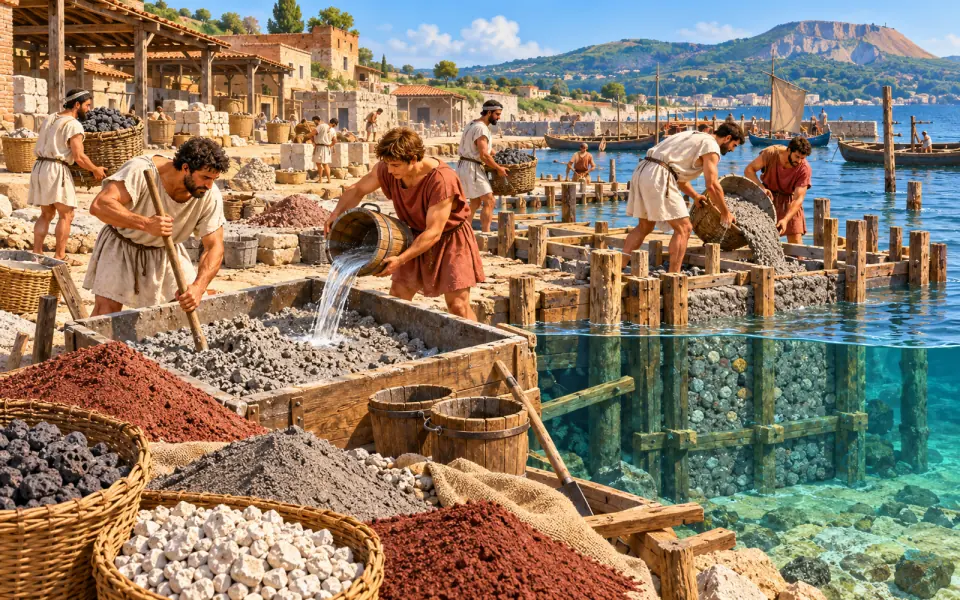 AfterRoman concreteabout 150 BC
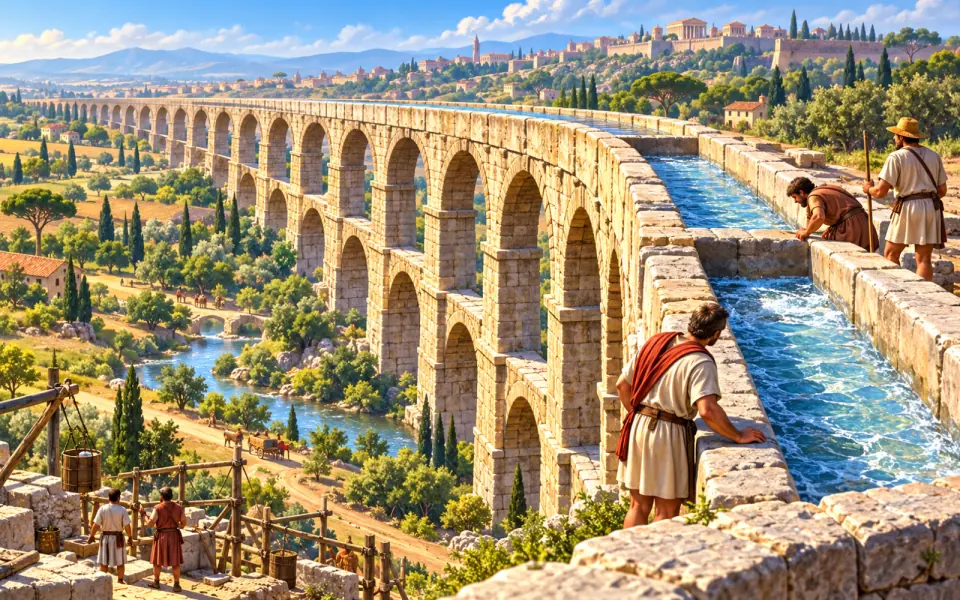 AfterThe Aqua Marcia aqueduct144–140 BC
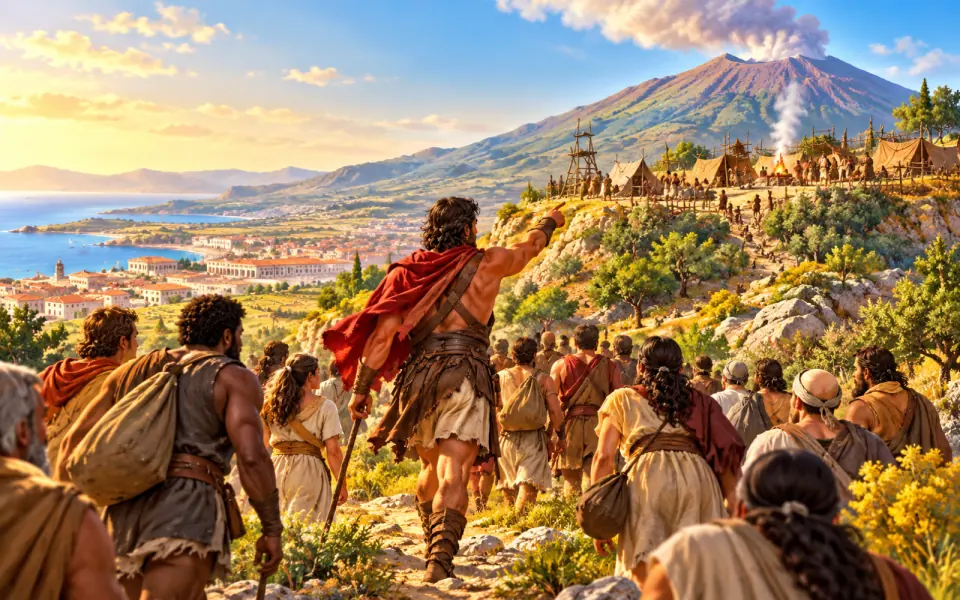 AfterSpartacus leads the revolt73–71 BC
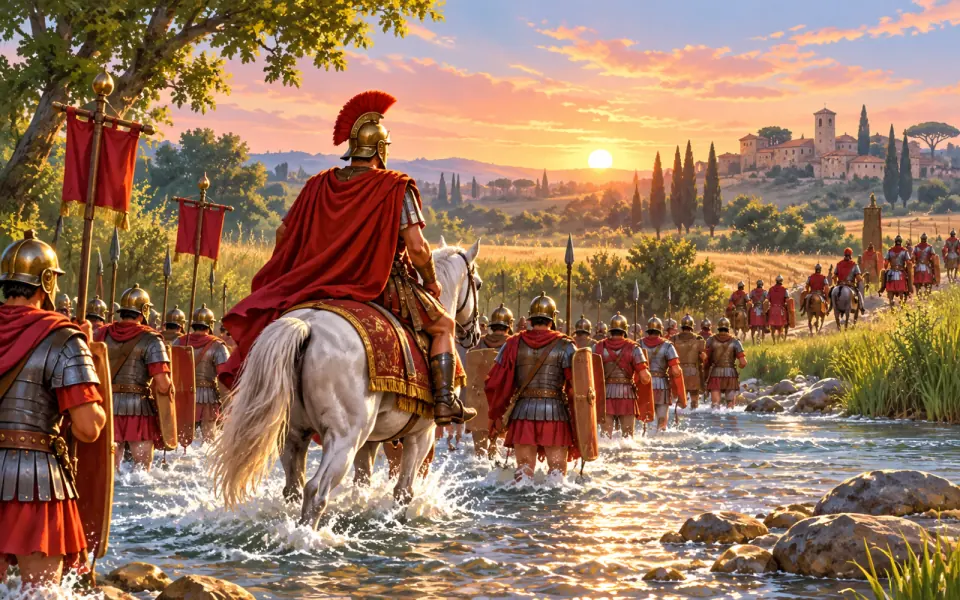 AfterCaesar crosses the Rubicon49 BC
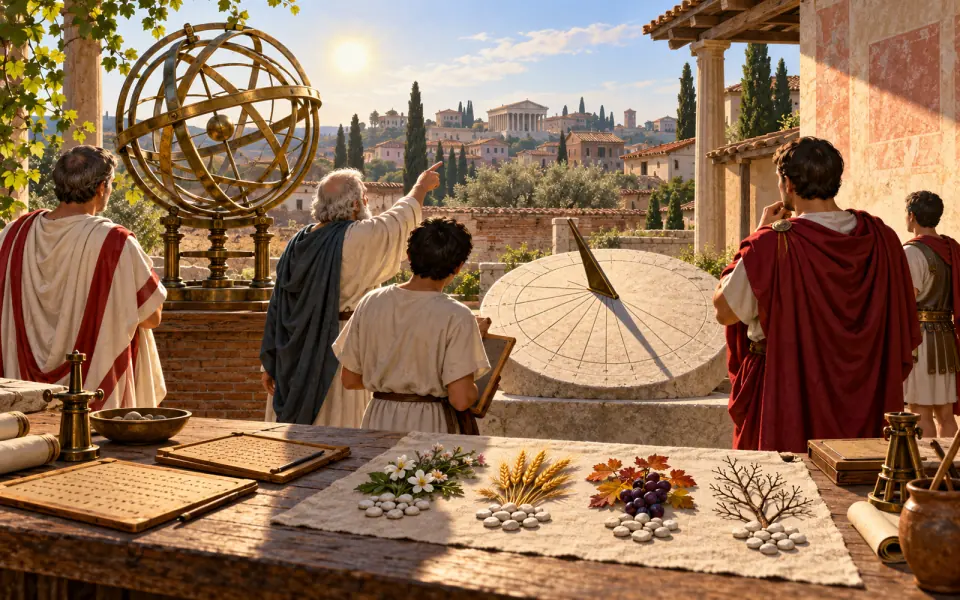 AfterThe Julian calendar46 BC
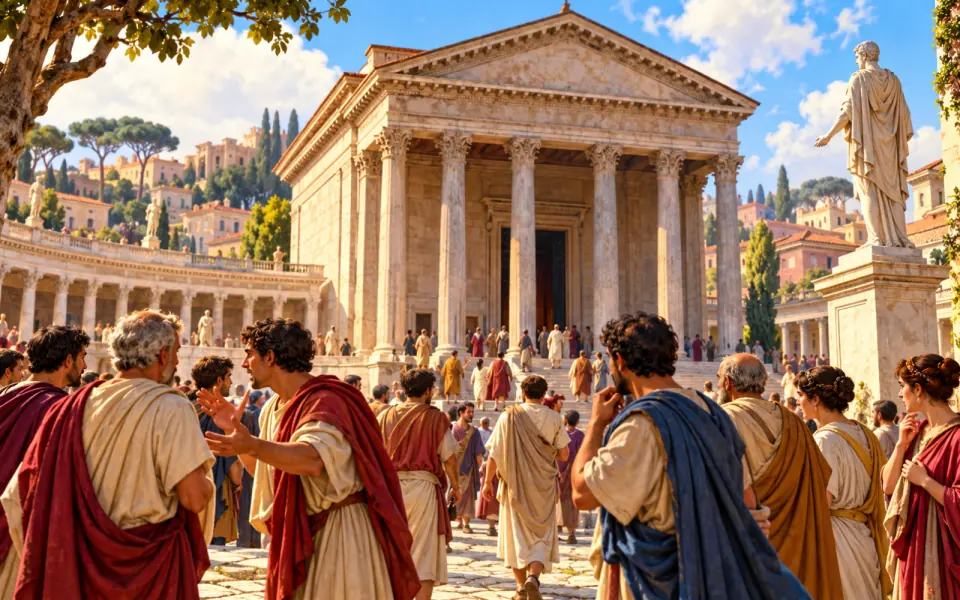 AfterThe murder of Julius Caesar44 BC
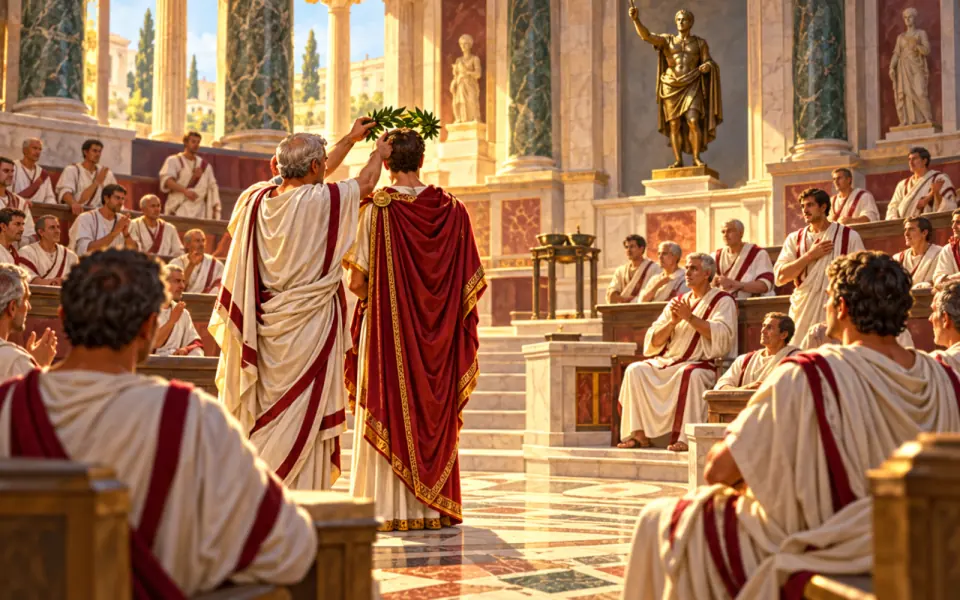 AfterAugustus, the first emperor27 BC
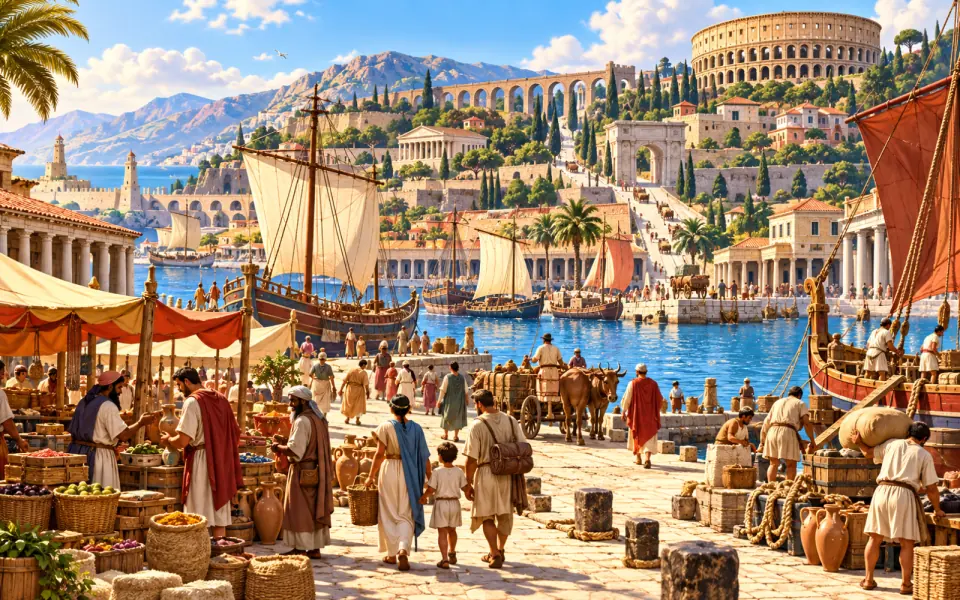 AfterThe Pax Romana27 BC – AD 180
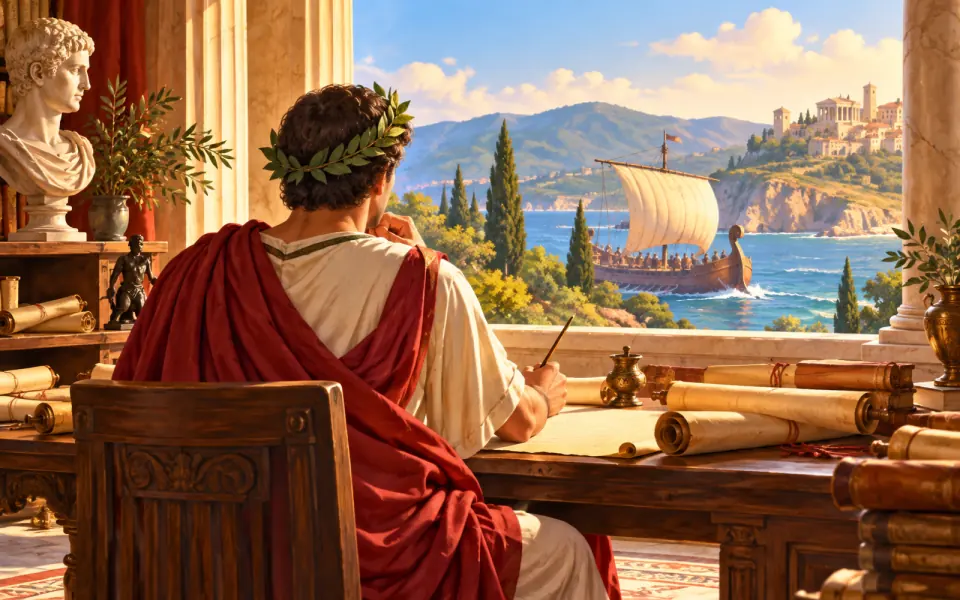 AfterVirgil and the Aeneid19 BC
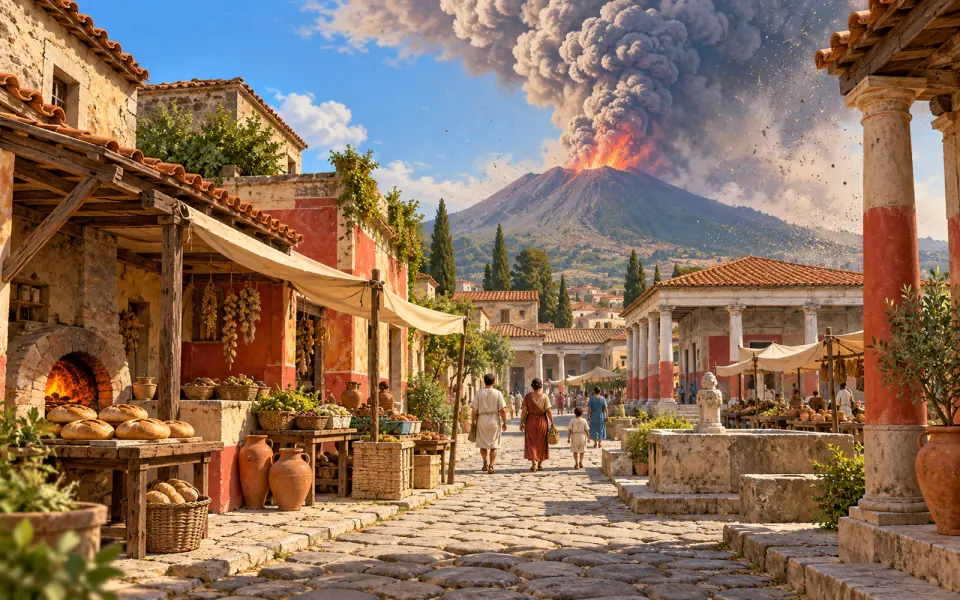 AfterPompeii buried by VesuviusAD 79
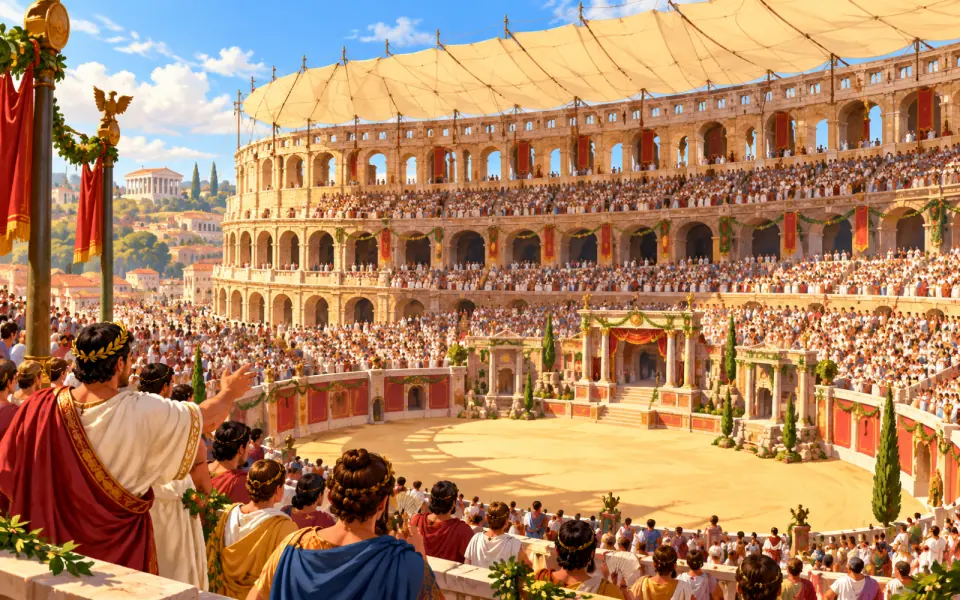 AfterThe Colosseum opensAD 80
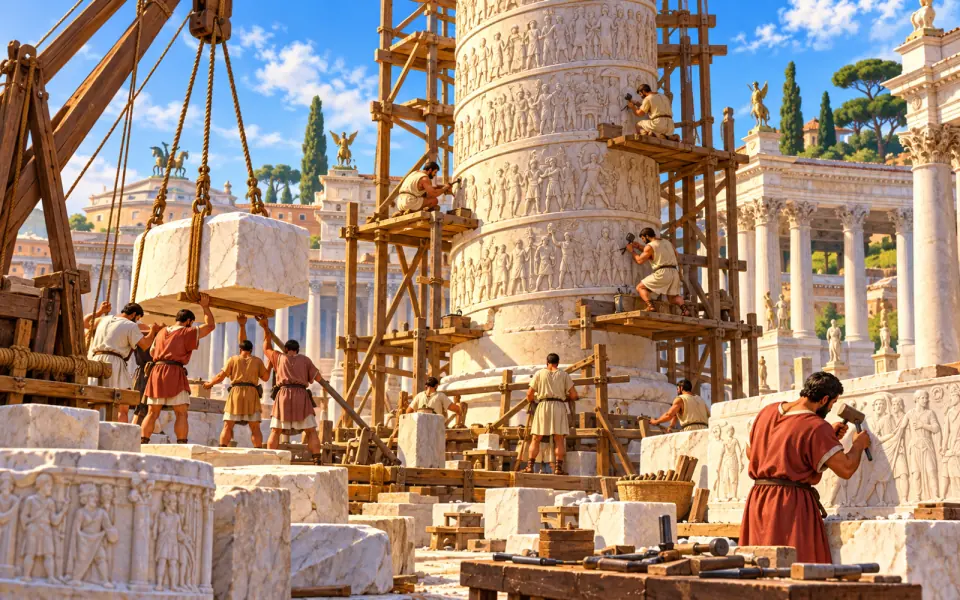 AfterTrajan's ColumnAD 113
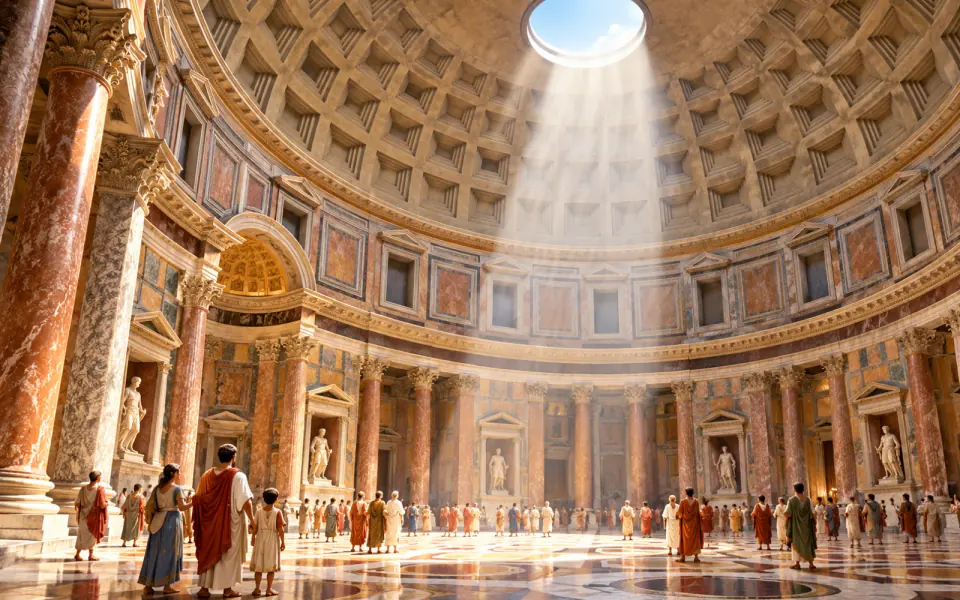 AfterThe Pantheonabout AD 125
 AfterGalen, a doctor in Romeabout AD 162
 AfterThe Baths of CaracallaAD 216
 AfterThe book with pages (the codex)about AD 300
 AfterThe Edict of MilanAD 313
 AfterFall of the Western Roman EmpireAD 476
Listen / Read next
- Music to read by: Cinematic JourneyEpic film-style music, no lyrics, by Ciro Simone IrmiciSpotifyYouTube Music
Meanwhile, elsewhere in the world
Other events of the era “Ancient Rome”
- Traditional founding of Rome
- The Laws of the Twelve Tables
- The Appian Way
- The First Punic War
- Hannibal crosses the Alps
- Plautus and comedy
- Roman concrete
- The Aqua Marcia aqueduct
- Spartacus leads the revolt
- Caesar crosses the Rubicon
- The Julian calendar
- The murder of Julius Caesar
- Augustus, the first emperor
- The Pax Romana
- Virgil and the Aeneid
- Pompeii buried by Vesuvius
- The Colosseum opens
- Trajan's Column
- The Pantheon
- Galen, a doctor in Rome
- The Baths of Caracalla
- The book with pages (the codex)
- The Edict of Milan
- Fall of the Western Roman Empire
