Greek colonies in the West
about 750 BC Cumae and Pithekoussai, Campania (Italy)
In short
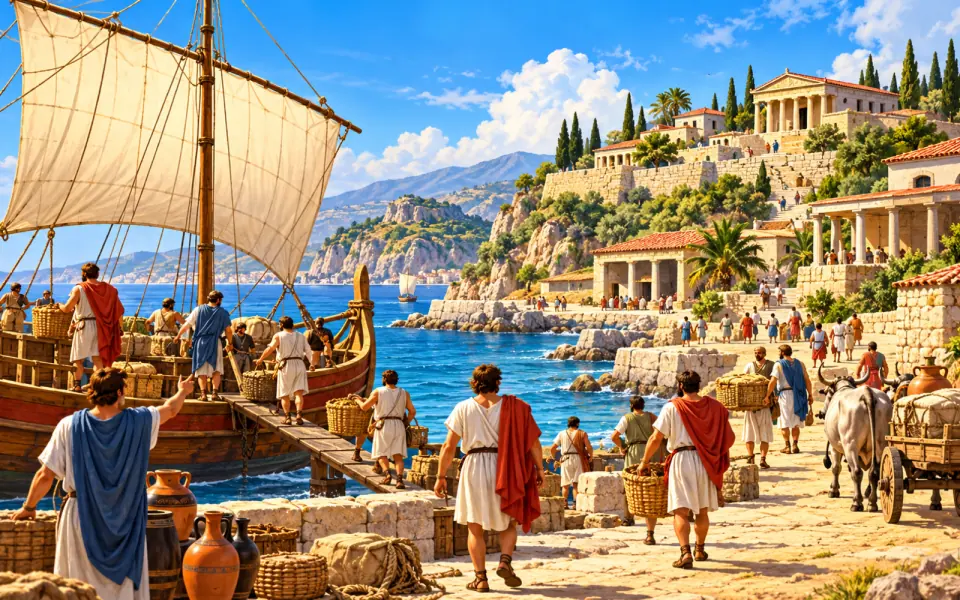
Around the middle of the 8th century BC groups of Greeks left their cities in search of new land to farm and ports for trade. They founded colonies along the coasts of southern Italy and Sicily, such as Pithekoussai on the island of Ischia, Cumae, Syracuse and Taranto. These lands later became known as Magna Graecia, ‘Great Greece’. Each colony was an independent city, but it stayed linked to the mother city its founders had come from.
Why it matters Thanks to the colonies, the Greek language, alphabet and art reached Italy and, from there, the Romans.
Source: Treccani, entry “Magna Grecia”
Study card about 5 minutes of reading
The story
Setting out to found a city
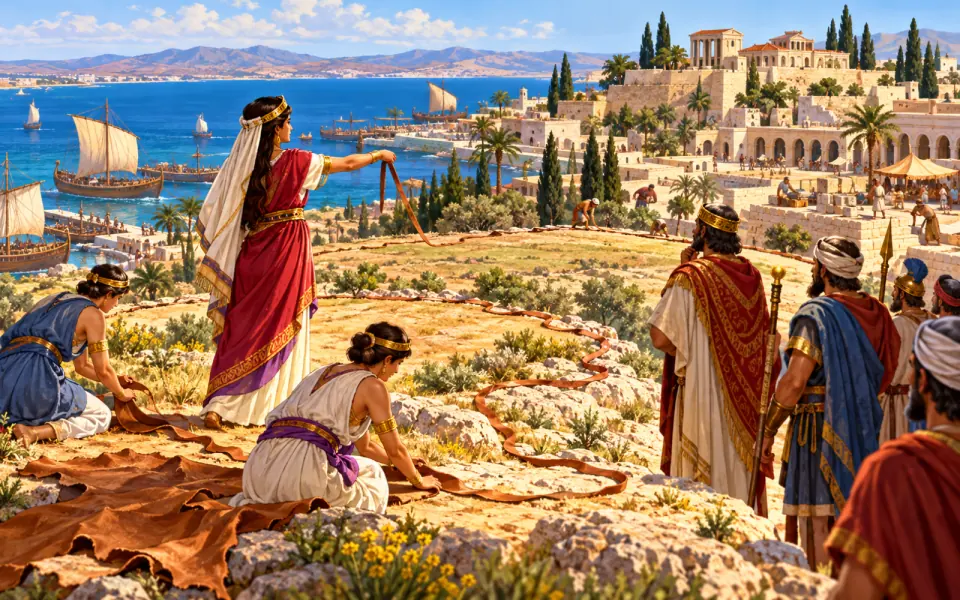
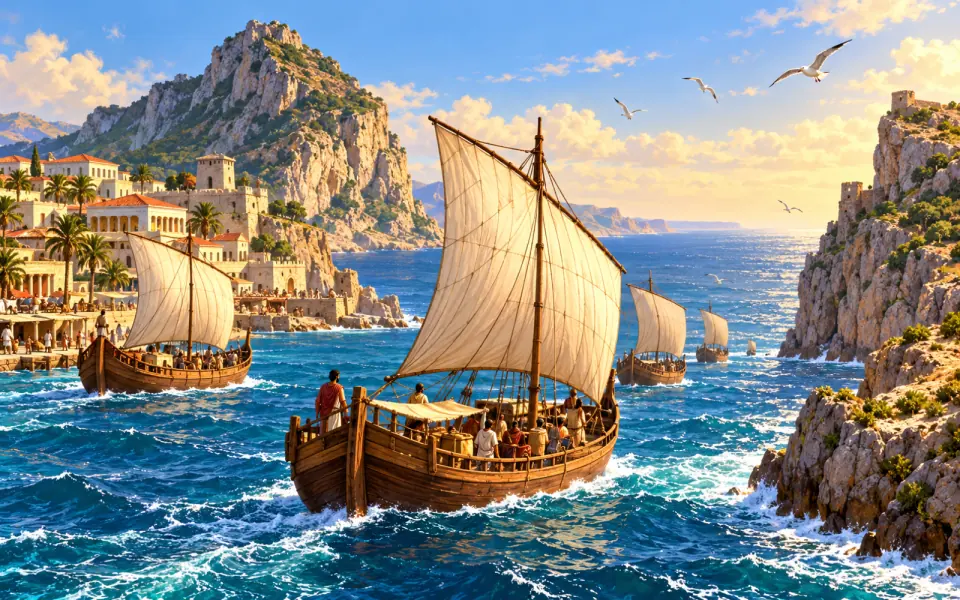
Imagine a Greek harbour of the 8th century BC. A group of men, with their families, board ships with their tools and belongings. Ahead lie the open sea and a distant destination, where they will build a new city from scratch. For the Greeks this was not an isolated adventure, but an enormous movement, which we now call colonisation, and which lasted more than two centuries.
Where, when and who
According to historians Greek colonisation begins at the start of the 8th century BC. The first to set out towards Italy were the people of the island of Euboea, near Athens, who founded Pithekoussai on the island of Ischia, the oldest Greek settlement in Italy. Then came Cumae, in Campania, the first colony on the Italian mainland, and, in Sicily, many others. The dates we find in books are those handed down by ancient authors, and should be treated with caution: for example, Thucydides, a historian of the 5th century BC, tells us that Naxos was founded a year before Syracuse (734 and 733 BC by modern reckoning), while Croton (709) and Sybaris (708–707) have dates that come from later chronologists, such as Eusebius. Taranto, according to another ancient author, Jerome, was founded in 706. Rhegium (Reggio) around 730.
The cities that founded the colonies were different. Syracuse, the strongest centre in Sicily, was a colony of Corinth. Taranto, according to the geographer Strabo, was founded by Spartan exiles, the so-called Partheniai. Marseille, in Gaul, was founded by people from Phocaea. On the Black Sea, then, the ancients counted from 70 to 90 colonies, mostly founded in the 7th century BC.
How a colony was founded
At the head of each expedition there was a leader, the oikist, chosen by the colonists themselves. Before leaving, advice was sought from the oracle of Delphi, where the priests gathered a lot of information about distant places. This does not mean that Delphi decided everything: colonies set out from many different cities and nobody directed the movement from above.
A Greek colony was not a province. It was a new city, with its own laws, its own magistrates and an independent government. It remained, however, tied to the mother city, the metropolis, by relationships that, according to the sources, lasted over time.
Why they left
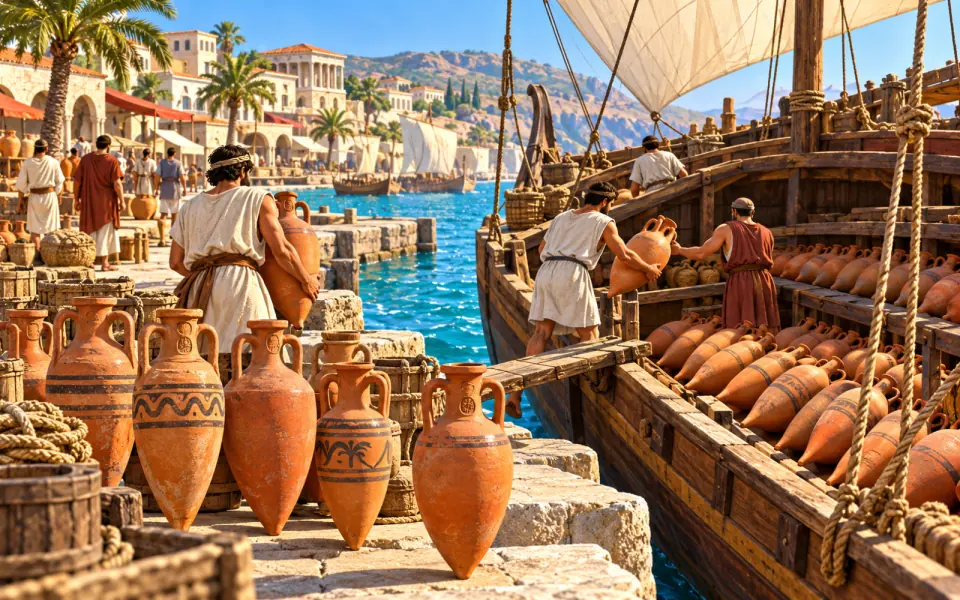
The reasons were various. In the Greek cities the population was growing and good land was scarce: people with no fields to farm could look for them elsewhere. Then there was trade: landing places on the coasts of the West, where metals and products were to be found, were useful to merchants. Finally there were political struggles: a defeated group, or a group of malcontents, could choose, or be forced, to leave the city. The case of the Partheniai of Taranto, in Strabo's account, is an example.
Magna Graecia
The name “Magna Graecia”, that is, “Great Greece”, was given by the Romans to the coasts of southern Italy and Sicily where the Greeks had settled. It was a Greece on Italian soil, made up of cities that each remained independent.
A script that starts from Cumae
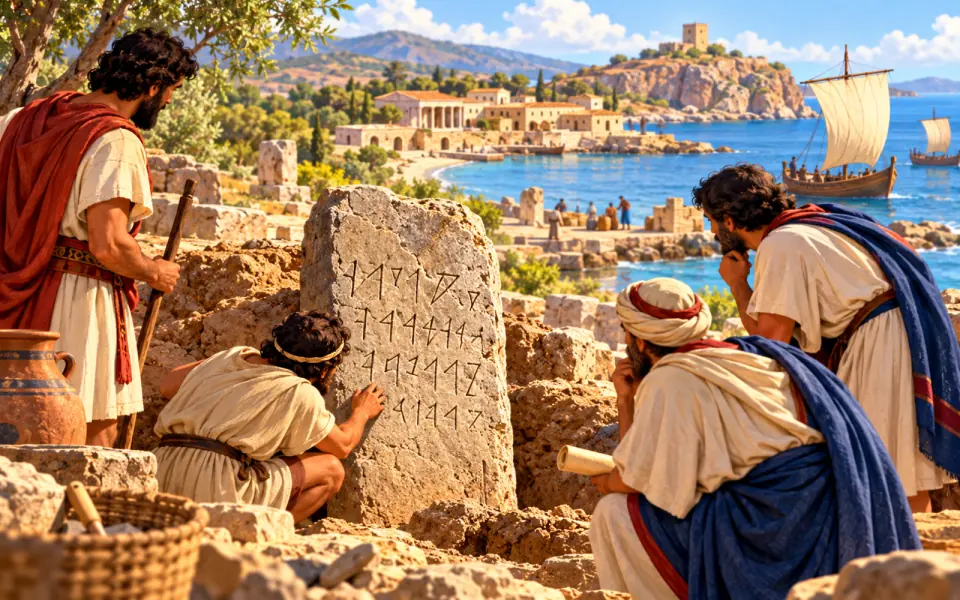
The colonists brought with them not only goods, but also the alphabet. The variant of the Greek alphabet used at Cumae, in Campania, was adopted by the Etruscans and other Italic peoples, and from it, in the end, the Latin alphabet derived. In this way the letters we use reached us by way of the Greek colonies of Italy.
Why it happened
The causes of colonisation are tied to the life of the Greek cities of the 8th century BC. Farmable land in Greece is scarce, because the country is mountainous. When the population grew, there was not enough food for everyone, and many looked abroad for a place to live.
To this were added trade and politics. A harbour in a strategic place could make a whole city rich, and quarrels between rival groups pushed some to leave. The result was a phenomenon with no centre: each colony arose from the choice of a single city or a single group.
What changed
Because of the colonies Greek culture spread along the coasts of Italy, Sicily, southern France, Spain, North Africa and the Black Sea. The language, alphabet, gods, theatre, architecture and ideas of the Greeks became familiar to many peoples. In Italy it was the Romans who inherited this culture.
Some colonies were very rich and important and made a great contribution to the Greek world: Archimedes would come from Syracuse, and from Croton, according to tradition, the school of Pythagoras. They were cities founded far from Athens and Sparta but able to create science, art and philosophy.
Colonisation also shows a way in which civilisations are formed: not through an empire led by a king, but through many independent cities linked by a common language and traditions. It is a model that has influenced the way we think today about culture and identity.
Key people and places
People
- Thucydides
- Athenian historian of the 5th century BC who tells of the founding of Naxos and Syracuse, a year apart.
- Strabo
- Greek geographer of the Roman age who tells of the founding of Taranto by the Partheniai.
- The oikist
- The leader chosen by the colonists to guide the expedition and found the new city.
Places
- Pithekoussai (Ischia)
- An island off Naples where the Greeks of Euboea founded the oldest Greek settlement in Italy.
- Cumae
- A Greek colony in Campania, the first on the Italian mainland.
- Syracuse
- A colony of Corinth in Sicily, founded in 733 BC according to Thucydides.
- Taranto
- A colony founded, according to Strabo, by the Partheniai of Sparta.
Good to know
- Pithekoussai, on the island of Ischia, is the oldest Greek settlement in Italy.
- Syracuse was founded, according to Thucydides, in 733 BC, a year after Naxos.
- The ancients counted from 70 to 90 Greek colonies on the Black Sea.
- The name “Magna Graecia” was given by the Romans, not the Greeks.
- The alphabet used at Cumae passed to the Etruscans and the other Italic peoples, and from there reached Latin.
Find out more
- World History Encyclopedia, “Greek Colonization” worldhistory.org
- Wikipedia, “Pithekoussai” en.wikipedia.org
- Wikipedia, “Magna Graecia” en.wikipedia.org
- Wikipedia, “Greek colonisation” en.wikipedia.org
Related events
- The first Greek city-statesabout 800 BC · Ancient GreeceThe poleis, the city-states, were the basis of colonisation.
- The Phoenician alphabetabout 1050 BC · Sea civilisationsThe Phoenician alphabet, adapted by the Greeks, reached Italy with the colonists.
- Pythagoras at Crotonabout 530 BC · Ancient GreecePythagoras taught at Croton, a Greek colony in Italy.
- Archimedes of Syracuseabout 250 BC · Ancient GreeceArchimedes was born at Syracuse, a colony of Corinth.
- The Etruscans, lords of the Tyrrhenian Seaabout 700 BC · Sea civilisationsThe Etruscans had close relations with the Greek colonists of Italy.
Before and after, in the era “Sea civilisations”
Event 20 of 25
 BeforeMinoan civilisation on Creteabout 2000 BC
 BeforeThe palace of Knossosabout 1900 BC
 BeforeThe Proto-Sinaitic alphabetabout 1800 BC
 BeforeThe eruption of Theraabout 1600 BC
 BeforeThe nuraghi of Sardiniaabout 1600 BC
 BeforeThe gold mask of Mycenaeabout 1550 BC
 BeforeLinear Babout 1450 BC
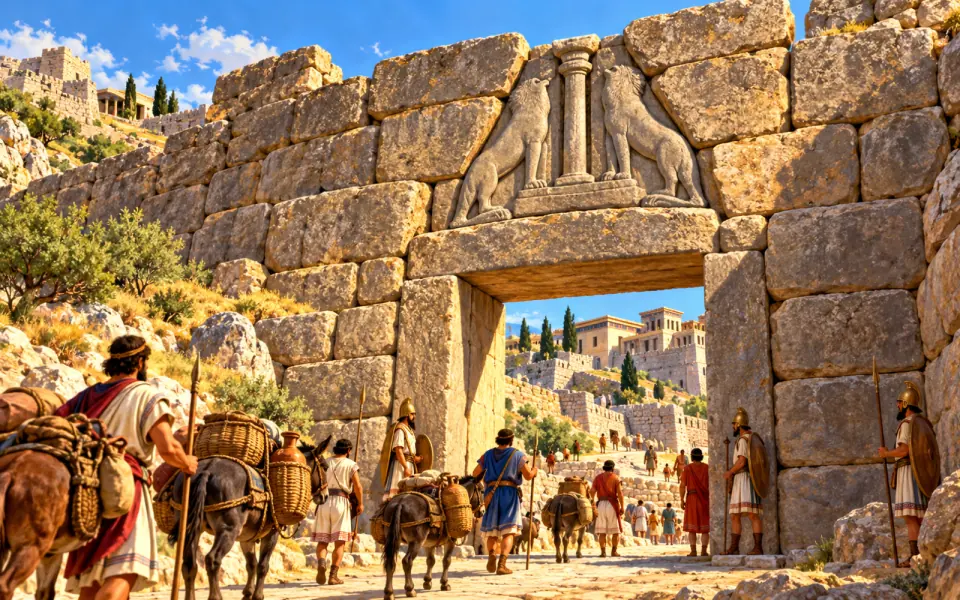 BeforeThe Lion Gate at Mycenaeabout 1250 BC
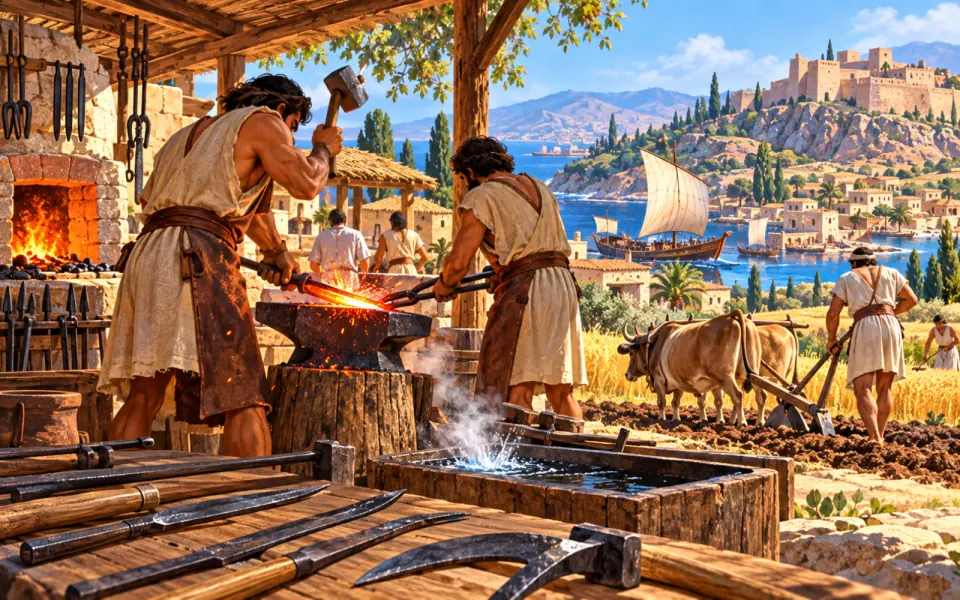 BeforeThe Iron Age beginsabout 1200 BC
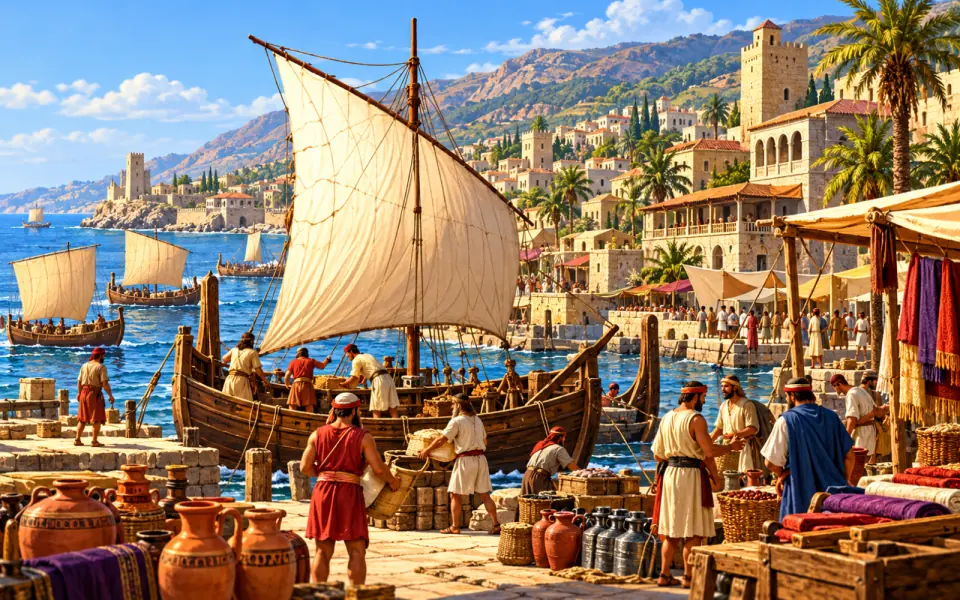 BeforeThe Phoenicians spread outabout 1200 BC
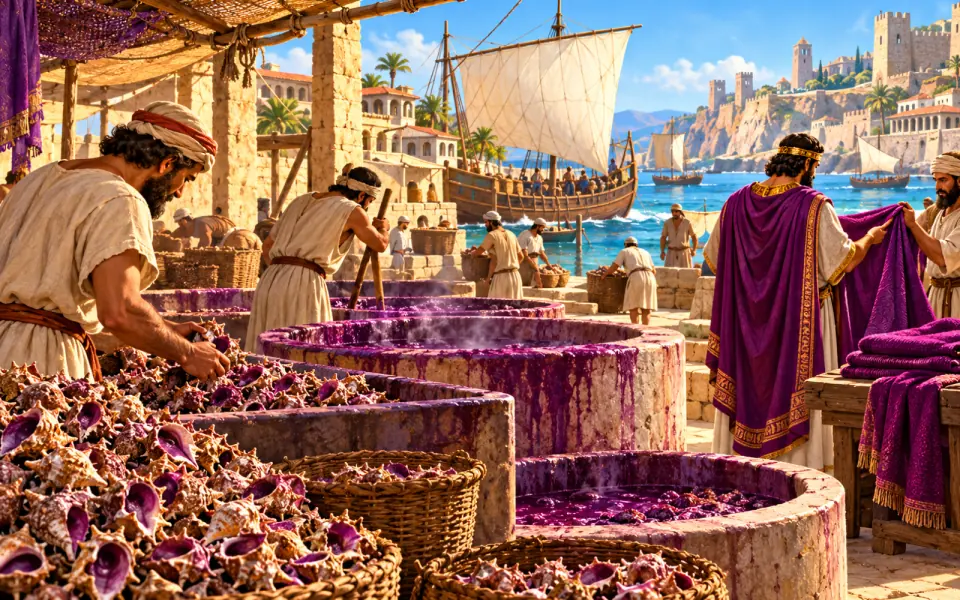 BeforePhoenician purpleabout 1100 BC
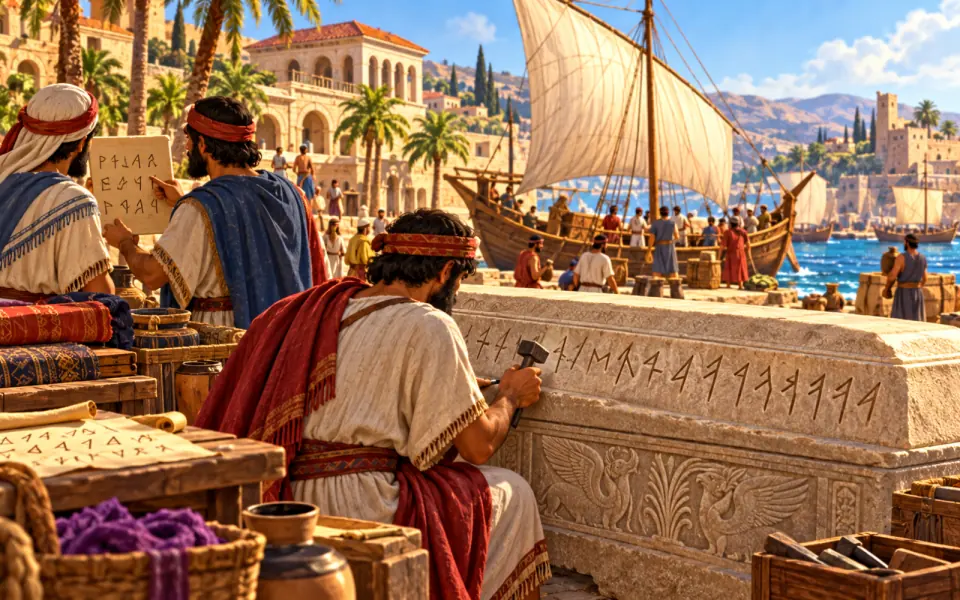 BeforeThe Phoenician alphabetabout 1050 BC
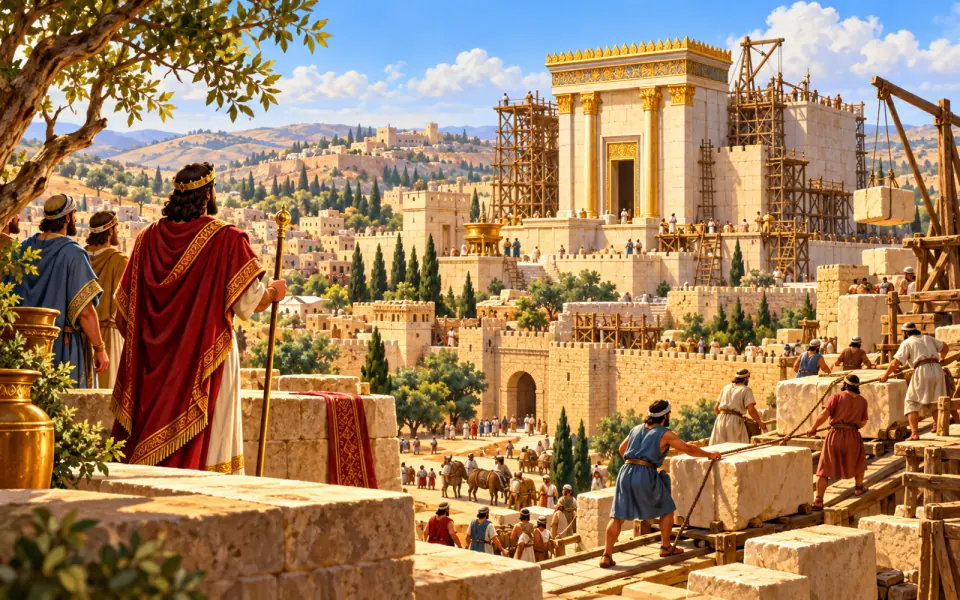 BeforeThe Kingdom of Israelabout 1000 BC
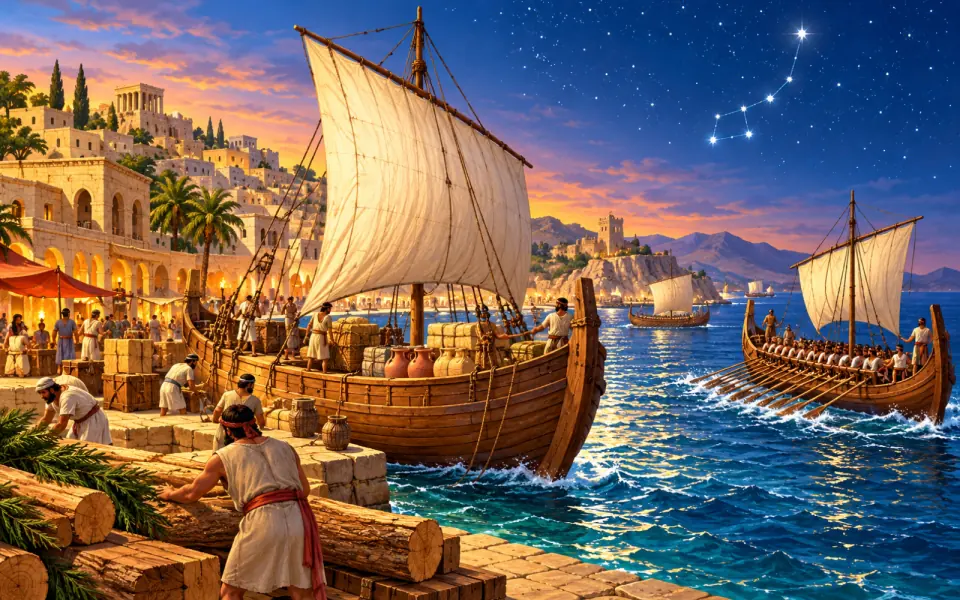 BeforePhoenician seafaringabout 1000 BC
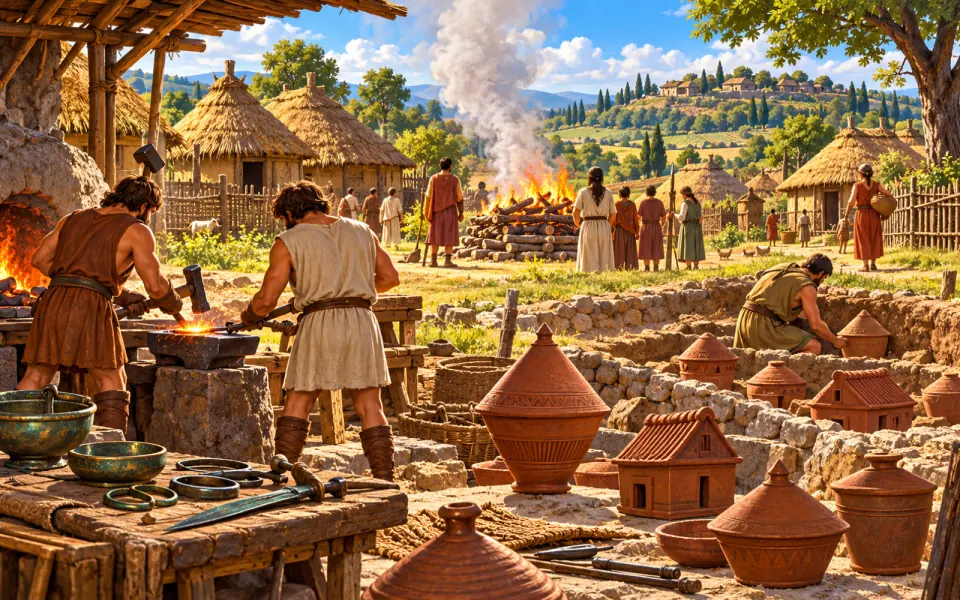 BeforeThe Villanovan culture in Italyabout 900 BC
 BeforeTraditional founding of Carthageabout 814 BC
 BeforeThe Nora Stoneabout 800 BC
 BeforeAmphorae for oil and wineabout 800 BC
 BeforeHomer's poems are written downabout 750 BC
- You are hereGreek colonies in the Westabout 750 BC
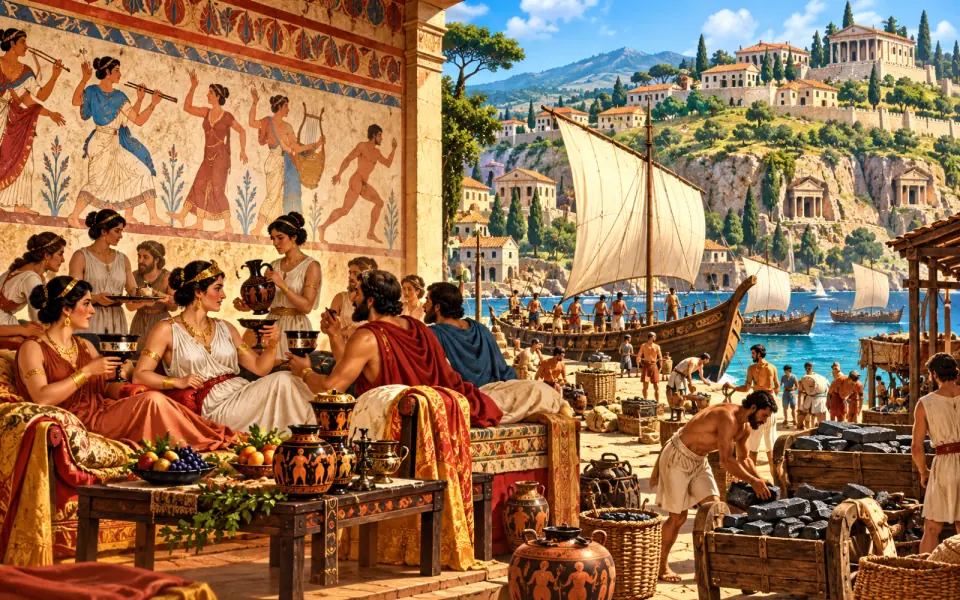 AfterThe Etruscans, lords of the Tyrrhenian Seaabout 700 BC
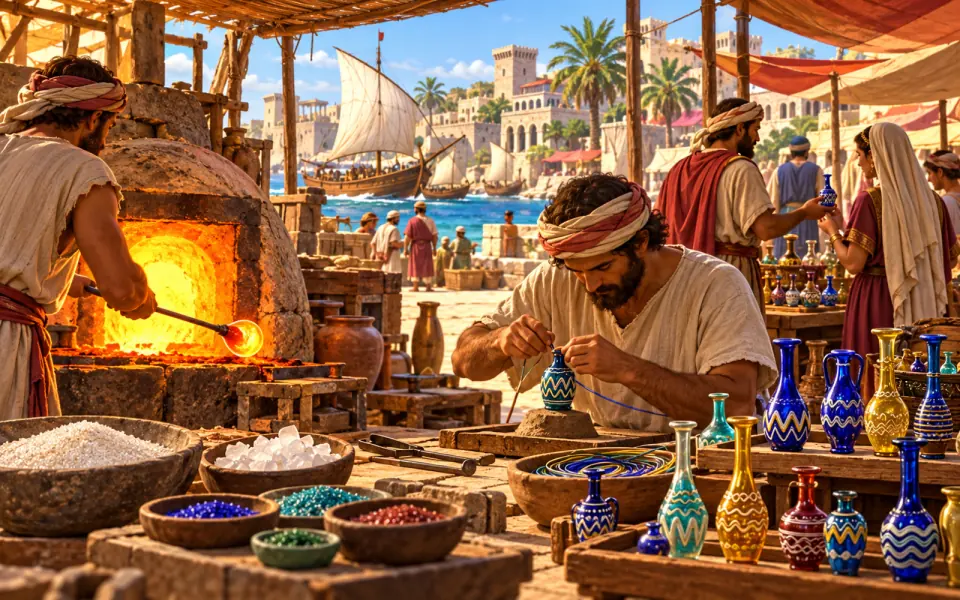 AfterPhoenician glass spreadsabout 600 BC
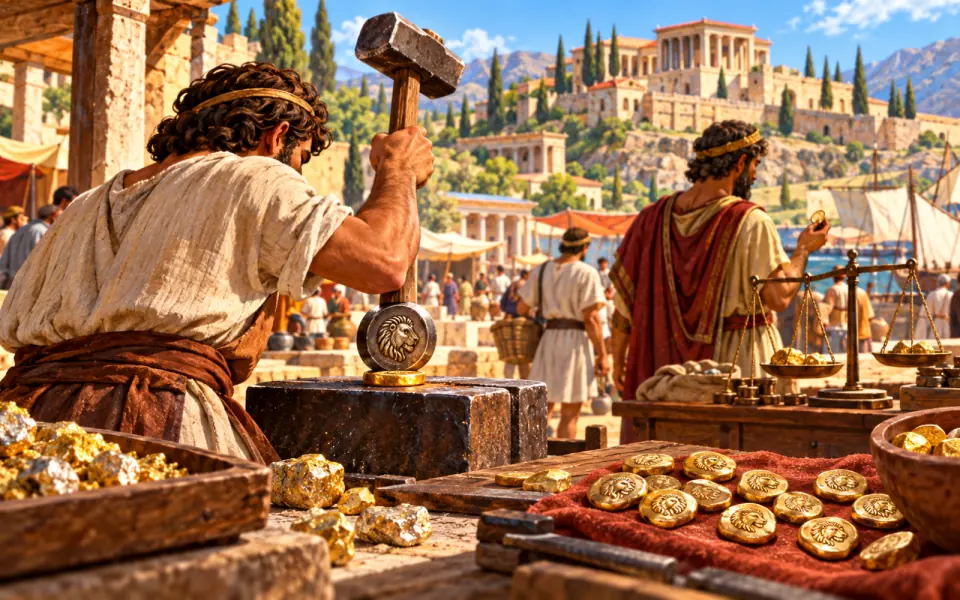 AfterCoins in the Mediterraneanabout 600 BC
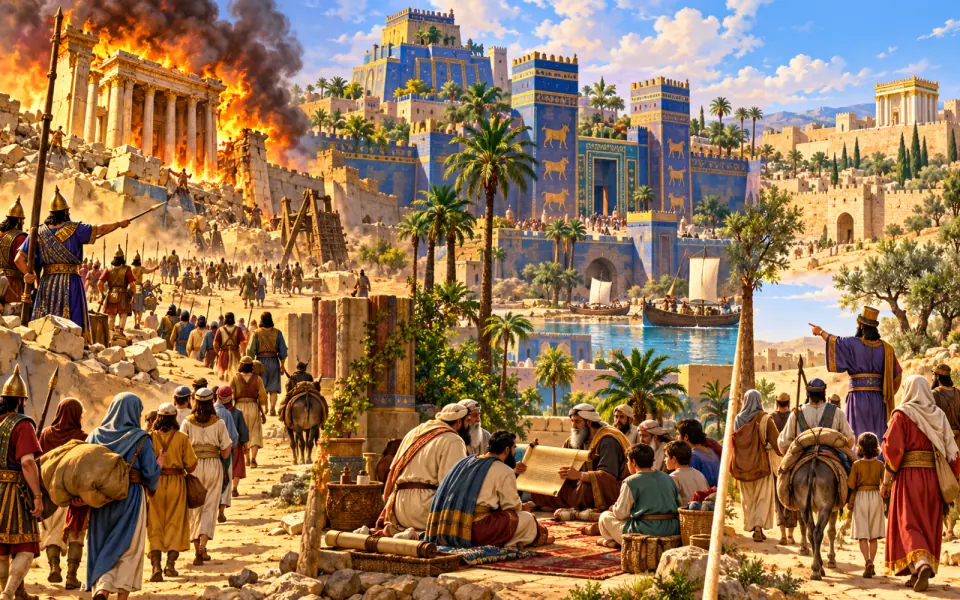 AfterThe Babylonian Exileabout 586 BC
 AfterSailing beyond Gibraltarabout 500 BC
Listen / Read next
- Music to read by: Cinematic JourneyEpic film-style music, no lyrics, by Ciro Simone IrmiciSpotifyYouTube Music
Meanwhile, elsewhere in the world
Other events of the era “Sea civilisations”
- Minoan civilisation on Crete
- The palace of Knossos
- The Proto-Sinaitic alphabet
- The eruption of Thera
- The nuraghi of Sardinia
- The gold mask of Mycenae
- Linear B
- The Lion Gate at Mycenae
- The Iron Age begins
- The Phoenicians spread out
- Phoenician purple
- The Phoenician alphabet
- The Kingdom of Israel
- Phoenician seafaring
- The Villanovan culture in Italy
- Traditional founding of Carthage
- The Nora Stone
- Amphorae for oil and wine
- Homer's poems are written down
- The Etruscans, lords of the Tyrrhenian Sea
- Phoenician glass spreads
- Coins in the Mediterranean
- The Babylonian Exile
- Sailing beyond Gibraltar
