Pop art
about 1962 United States (New York and Los Angeles) and Great Britain
In short
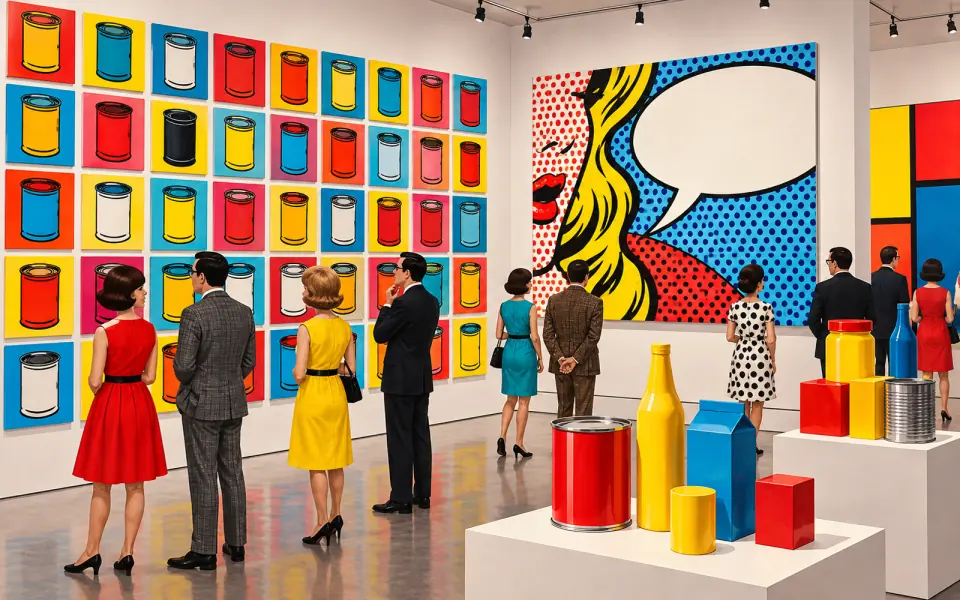
In the 1950s and 1960s, first in Great Britain and then in the United States, some artists began to take everyday objects as their subject: tins, comics, adverts, film stars. In 1962 Andy Warhol showed 32 canvases, each with a different Campbell's soup tin. Roy Lichtenstein blew up comic-strip pictures, including the dots of the printing. The name pop comes from the English word ‘popular’.
Why it matters Pop art brought the world of shopping and advertising into museums, and it still influences graphic design and fashion.
Source: MoMA, “Andy Warhol, Campbell's Soup Cans, 1962”
Study card about 5 minutes of reading
The story
A soup in a gallery
In the summer of 1962, in a small art gallery in Los Angeles, something strange appeared: thirty-two paintings lined up on the wall, like cans on a supermarket shelf. Each one showed the same subject, a can of Campbell's soup, in a different flavour: tomato, chicken and rice, mushroom, beef. People who walked in were puzzled. Was it art, or a joke? The artist was a young man from New York, Andy Warhol.
Warhol, born in 1928 in Pittsburgh to a family of immigrants from Eastern Europe, had first worked as a commercial artist, and knew the tricks of newspapers, shop windows and billboards well. Painting a tinned soup, something every American saw every day, was a deliberate choice. He said he liked what was simple, repeated, the same for everybody: a sandwich, a bottle of Coca-Cola, a tin. There was nothing noble, ancient or romantic about it: it was everyday life, turned into a work of art.
What is pop art?
“Pop” is an English word that comes from “popular”. Pop art was born in the 1950s and 1960s, in England and above all in the United States, when the richest countries had discovered prosperity: supermarkets, television, comics, advertising, cars, film and music stars. Pop artists took exactly those mass symbols and put them in museums. Before then “serious” art painted landscapes, portraits, religious subjects or abstract shapes; now comics and products for sale were entering the galleries.
Among the first to work on it, in England, was Richard Hamilton, with a collage of 1956 showing a modern home full of advertising objects. In the United States Roy Lichtenstein stood out: he enlarged comic-strip panels with their coloured dots and sound-effect words, as in “Whaam!”. Claes Oldenburg made enormous soft sculptures of hamburgers and everyday objects. In Italy, in Rome, a group of artists, including Mario Schifano and Tano Festa, brought pop art to the city of ancient monuments.
The picture factory
Warhol wanted his art to be produced as if in a factory. In his later works he used screen printing, a printing technique in which ink passes through a stretched mesh and lets you repeat the same image many times. His studio in New York was called “The Factory”: a big space covered in silver foil where assistants worked and musicians and actors came and went. In the following years he also painted the faces of famous people. After the sudden death of Marilyn Monroe, in August 1962, he made a work of it, the “Marilyn Diptych”, repeating her face in fifty images, in bright colours on one side and in black and white on the other, as if to say that fame lasts as long as an advertisement.
The thirty-two “Campbell's Soup Cans” were put on sale at one hundred dollars each. The gallery owner Irving Blum bought them all to keep them together and, in 1996, sold the whole series to the Museum of Modern Art in New York, the MoMA, for fifteen million dollars. Today Warhol's paintings are among the most expensive and best known in the world.
Art for everyone
Pop art made many people angry: critics and collectors said it was not real art. But it was hugely successful because it spoke about things everybody knew, with strong colours and clear images. It made people realise that popular culture, the culture of supermarkets and advertising, deserves attention like everything else, and it invited them to look at everyday objects with different eyes. Warhol is also credited with a famous phrase: “In the future, everyone will be world-famous for fifteen minutes.”
Why it happened
After the Second World War Western societies changed: the United States, and then Europe, entered a period of great prosperity, with mass production, department stores, advertising on television and spending for all. Artists realised that the world around them was full of images that traditional art ignored.
Pop artists were also reacting to abstract expressionism, the movement that dominated the 1950s, made of big canvases with deeply felt personal gestures and colours. The new painters wanted, instead, a cool, clear, impersonal art, made with the same images they saw everywhere.
What changed
Pop art changed the idea of what art is and of who can be an artist. From Warhol onwards, a work can start from an everyday object, a photograph or a slogan, and can be reproduced in many copies. Many later artists have carried on along this road, from Keith Haring, with his drawings in the subway, to Jeff Koons, and on to street artists.
It also influenced graphic design, fashion, advertising, comics, concert posters and record covers. Warhol's bright colours and repeated images can be found everywhere, from T-shirts to posters.
Today museums all over the world have rooms devoted to pop art, and many people come to museums precisely to see its most famous paintings, which have themselves become a symbol of 20th-century culture.
Key people and places
People
- Andy Warhol
- American artist (1928–1987): the best known of the pop painters; he founded the Factory in New York.
- Roy Lichtenstein
- American artist (1923–1997): he enlarged comics with their coloured dots.
- Claes Oldenburg
- Swedish-American sculptor (1929–2022): he created enormous sculptures of everyday objects.
- Richard Hamilton
- English artist (1922–2011): with a collage of 1956 he anticipated pop art.
- Mario Schifano
- Italian painter (1934–1998): one of the pop artists of Rome.
Places
- Ferus Gallery, Los Angeles
- The gallery where Warhol's soup cans were first shown in the summer of 1962.
- The Factory, New York
- Warhol's studio, covered in silver foil.
Good to know
- The “Campbell's Soup Cans” are thirty-two paintings, one for each of the soup flavours sold at the time.
- Warhol made many of his paintings with screen printing, a printing technique that lets you repeat the same image.
- Warhol worked as a commercial artist before becoming an artist.
- Lichtenstein even painted the printing dots of comics, one by one, in large size.
- MoMA bought the thirty-two soups in 1996 for fifteen million dollars.
Find out more
- Wikipedia, “Campbell's Soup Cans” en.wikipedia.org
- Wikipedia, “Pop art” en.wikipedia.org
- Tate, “Pop Art” tate.org.uk
- Wikipedia, “Andy Warhol” en.wikipedia.org
Related events
- The Beatles1963 · TodayIn the same years the Beatles were taking pop music all over the world.
- Abstract artabout 1910 · Early 20th centuryThe abstract art of the early 20th century was the point pop art moved away from.
- Television spreadsabout 1950 · Early 20th centuryTelevision and advertising supplied pop art with its symbols.
- Picasso's Guernica1937 · Early 20th centuryAnother painting of protest: Picasso's Guernica.
Before and after, in the era “Today”
Event 6 of 25
 BeforeThe double helix of DNA1953
 BeforeThe polio vaccine1955
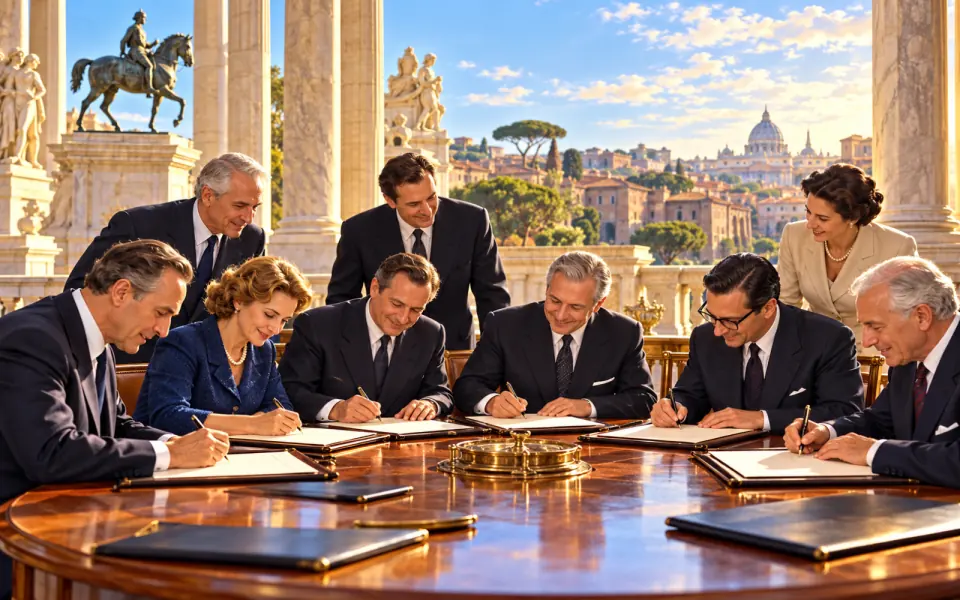 BeforeBirth of the European Community1957
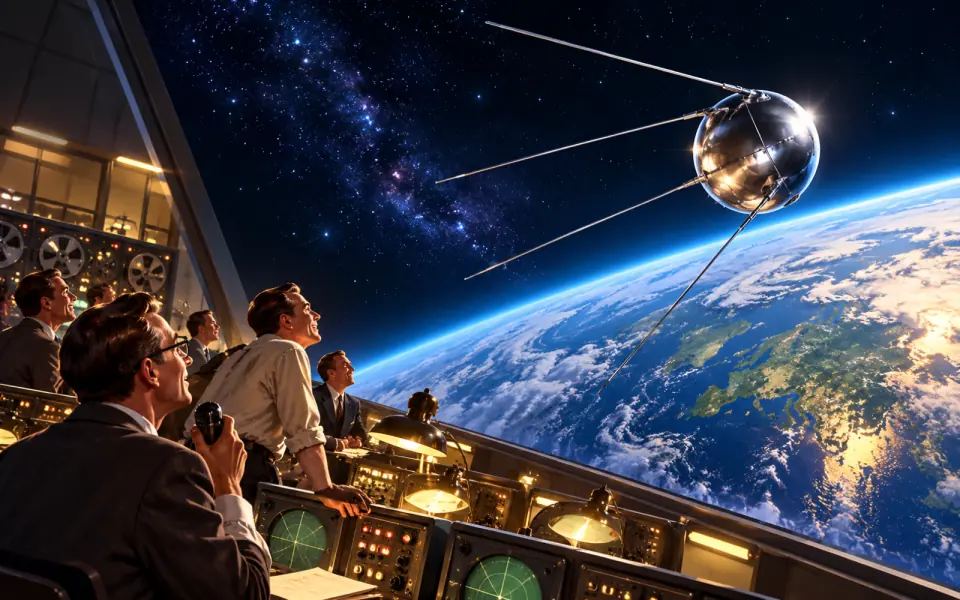 BeforeThe first artificial satellite1957
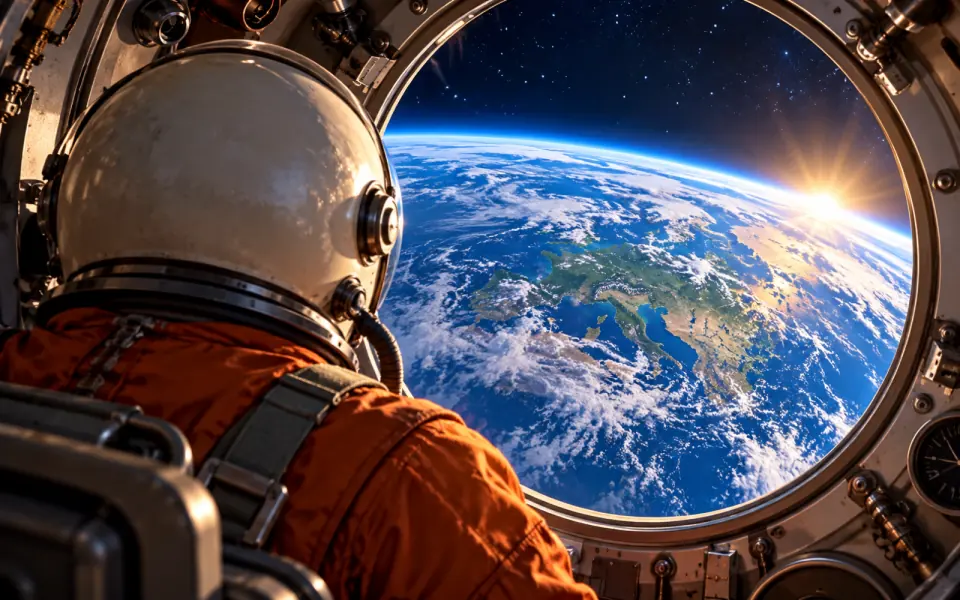 BeforeThe first human in space1961
- You are herePop artabout 1962
 AfterThe Beatles1963
 AfterMartin Luther King and civil rights1963
 AfterThe Moon landing1969
 AfterThe internet's first ARPANET links1969
 AfterEarth Day and the environmental movement1970
 AfterThe personal computer1977
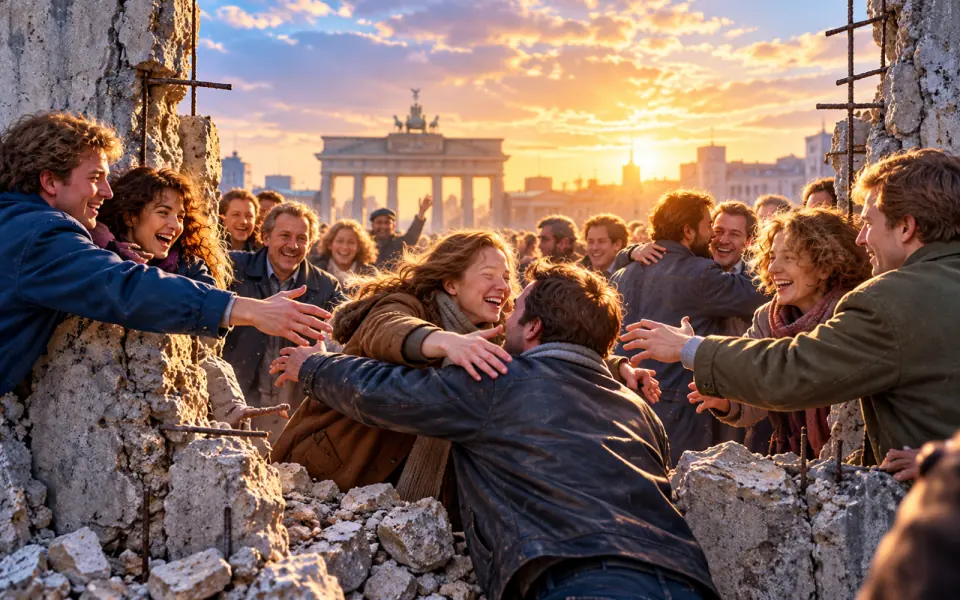 AfterThe fall of the Berlin Wall1989
 AfterThe World Wide Web1991
 AfterThe European Union1993
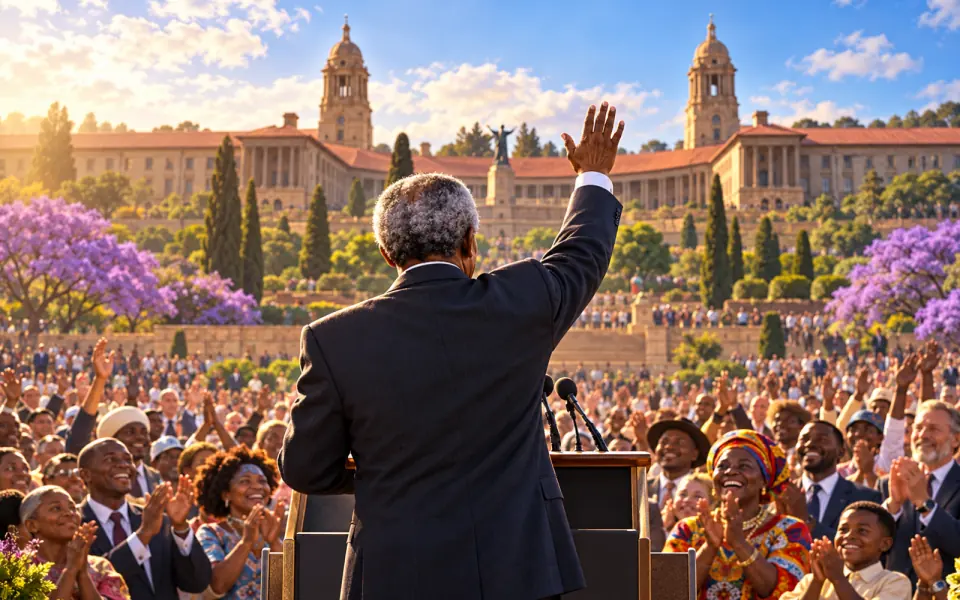 AfterNelson Mandela becomes president1994
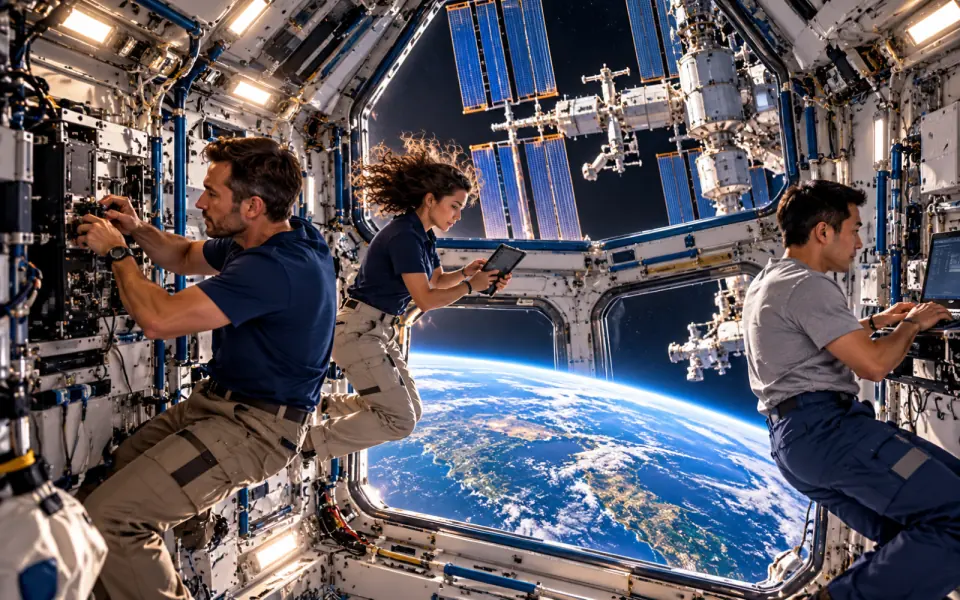 AfterThe International Space Station1998
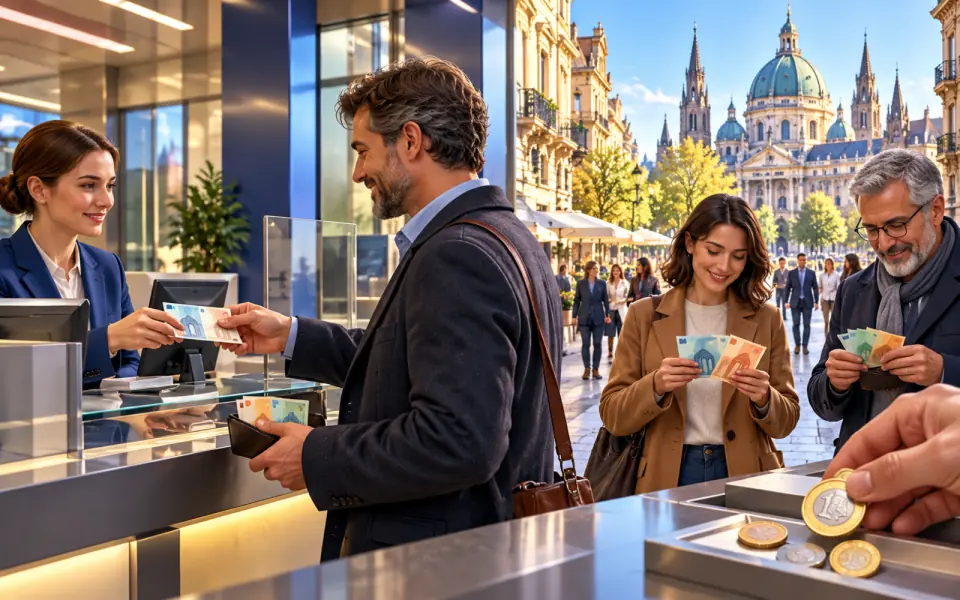 AfterEuro notes and coins arrive2002
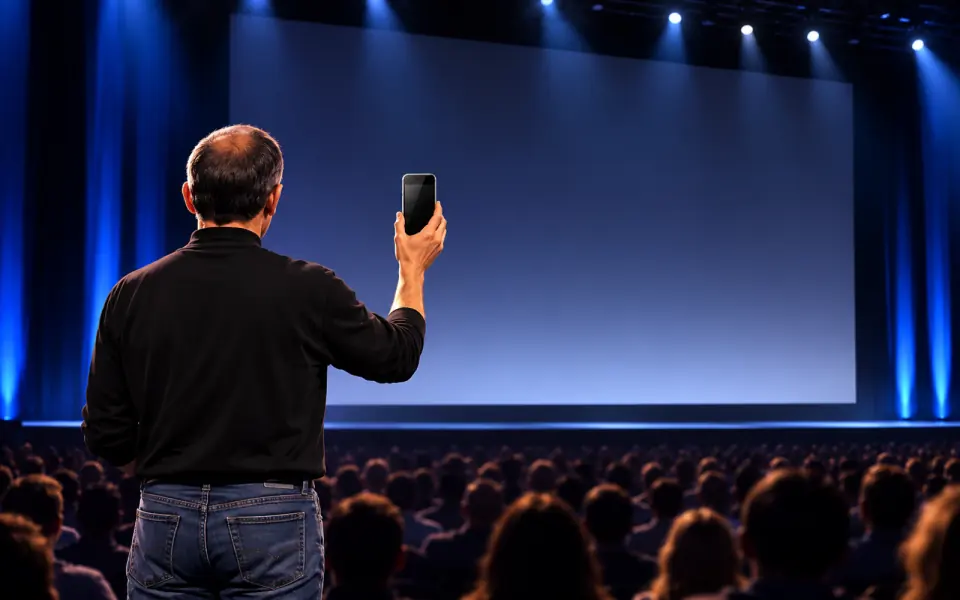 AfterThe modern smartphone2007
 AfterThe global financial crisis2008
 AfterMalala wins the Nobel Peace Prize2014
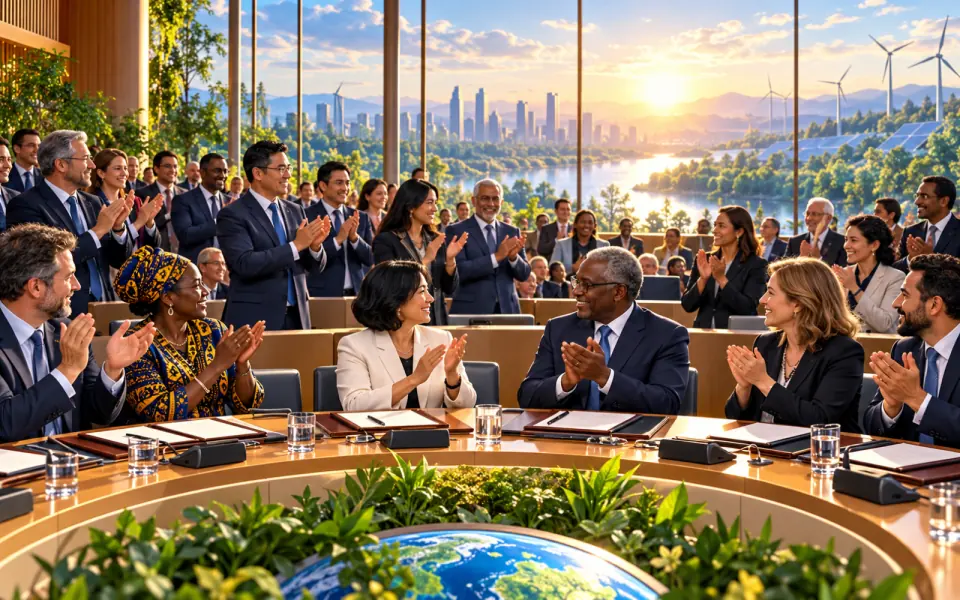 AfterThe Paris Agreement on climate2015
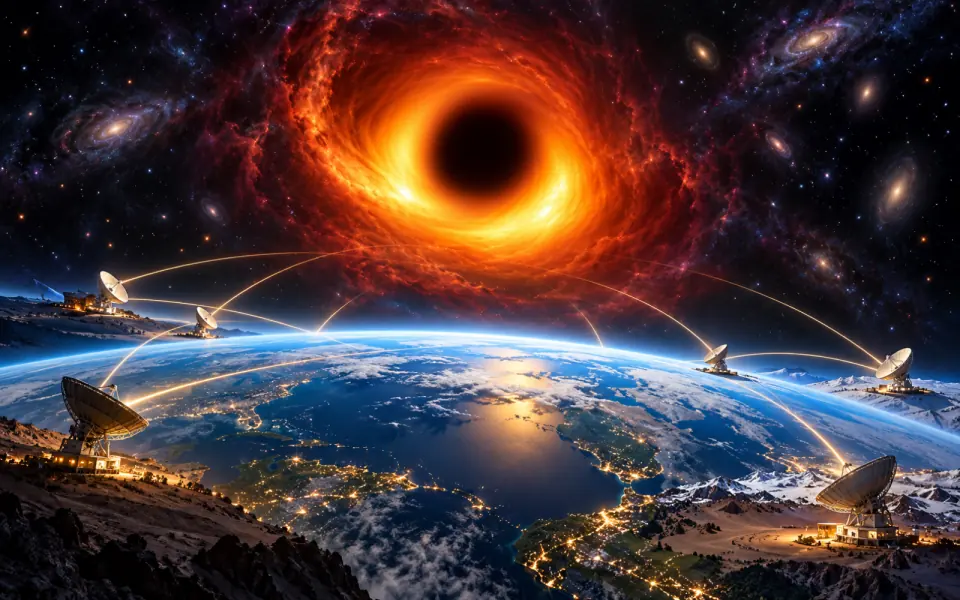 AfterThe first image of a black hole2019
 AfterThe COVID-19 pandemic2020
 AfterThe Webb telescope starts observing2022
Listen / Read next
- Music to read by: Cinematic JourneyEpic film-style music, no lyrics, by Ciro Simone IrmiciSpotifyYouTube Music
Meanwhile, elsewhere in the world
Other events of the era “Today”
- The double helix of DNA
- The polio vaccine
- Birth of the European Community
- The first artificial satellite
- The first human in space
- The Beatles
- Martin Luther King and civil rights
- The Moon landing
- The internet's first ARPANET links
- Earth Day and the environmental movement
- The personal computer
- The fall of the Berlin Wall
- The World Wide Web
- The European Union
- Nelson Mandela becomes president
- The International Space Station
- Euro notes and coins arrive
- The modern smartphone
- The global financial crisis
- Malala wins the Nobel Peace Prize
- The Paris Agreement on climate
- The first image of a black hole
- The COVID-19 pandemic
- The Webb telescope starts observing
