Nelson Mandela becomes president
1994 Pretoria, South Africa
In short
For decades South Africa had apartheid, a system of laws that separated people according to the colour of their skin and took away almost all the rights of the black majority. Nelson Mandela fought against these laws and spent 27 years in prison. Freed in 1990, he worked with President Frederik de Klerk to end apartheid, and together they received the Nobel Peace Prize. In April 1994 the first elections in which everyone could vote were held, and Mandela became president.
Why it matters He showed that even after great injustice, peace can be built by choosing reconciliation instead of revenge.
Source: The Nobel Prize, “Nelson Mandela – Facts”
Study card about 5 minutes of reading
The story
The boy who “brought trouble”
Nelson Mandela was born on 18 July 1918 in a village in southern Africa, Mvezo, into a family of the Xhosa people. His birth name was Rolihlahla, which in the Xhosa language means “pulling the branch of a tree”, and so, by extension, “troublemaker”. It was at school that a teacher gave him the English name Nelson. The boy grew up in the countryside, watching over the flocks and listening to the elders' tales of his people's struggles, and later studied to be a lawyer in Johannesburg, where he opened a law office with his friend Oliver Tambo.
In 1948 the South African government, made up only of white people, set up a system called apartheid, which means “separation” in the Afrikaans language. People were divided by skin colour: white, black, mixed-race and Asian. Black people, who were the great majority, could not vote, had to live in separate neighbourhoods and “homelands”, had worse schools and had to carry a pass to travel. Mandela joined the party that fought for their rights, the ANC, the African National Congress.
From protest to prison
At first the ANC protested peacefully. But on 21 March 1960, at Sharpeville, the police fired on a crowd of unarmed demonstrators and killed 69 people. The government banned the ANC. Mandela and others then decided to form an armed wing, which attacked mainly buildings and installations, without wanting to hurt people. In 1962 he was arrested and, at the Rivonia Trial in 1964, he was sentenced to life imprisonment. In front of the judges he declared that his ideal was a free society in which everyone lived in harmony and with equal opportunities, an ideal for which he was prepared to die.
He spent twenty-seven years in prison, most of them on Robben Island, off Cape Town, in a small cell, working to break stones in a limestone quarry. He could receive one letter and one visit only every six months. But even in prison he went on studying and persuading the other prisoners, and even some of the guards. Meanwhile, outside, the world began to demand his release: singers and students organised concerts and protests, and many countries imposed economic sanctions on South Africa.
Freedom
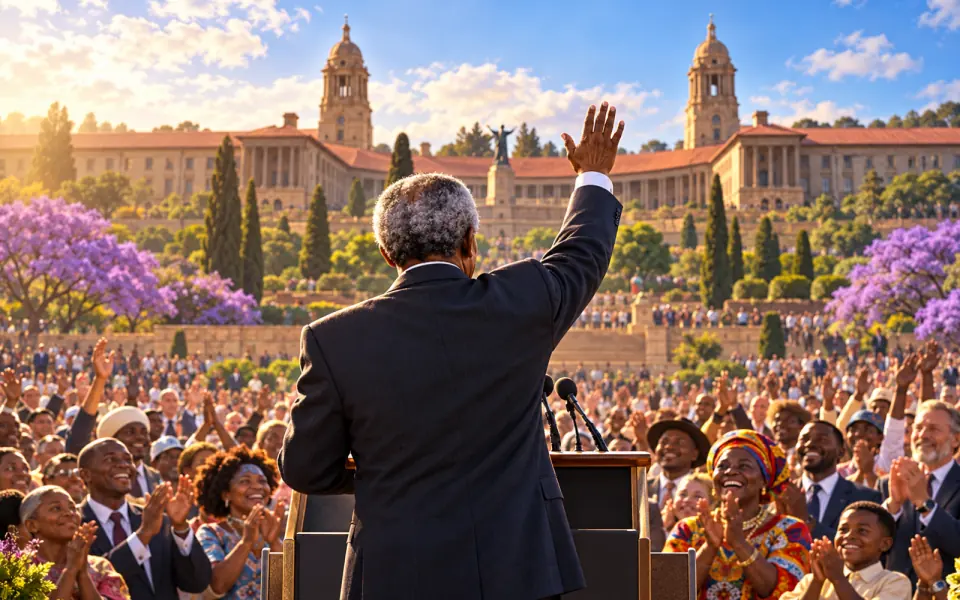
At the end of the 1980s the government realised that apartheid could not last. The new president, Frederik de Klerk, lifted the ban on the ANC and, on 11 February 1990, freed Mandela, who was 71. Television stations all over the world broadcast his walk out of prison live, with his hand raised in greeting. Mandela worked with de Klerk to negotiate the end of apartheid and a new constitution, despite the tensions and violence of those years. For this the two men shared the Nobel Peace Prize in 1993.
On 27 April 1994 South Africa held its first free elections for all citizens, regardless of colour. People queued in very long lines, sometimes for many hours, to vote for the first time in their lives. The ANC won with about 62% of the votes and, on 10 May, Mandela, aged 75, was sworn in as the country's first black president, in front of leaders from all over the world.
Forgiving in order to build
Mandela did not seek revenge. He created a Truth and Reconciliation Commission, led by Archbishop Desmond Tutu, before which people who had committed crimes during apartheid could tell the truth and ask for forgiveness. In 1995 South Africa hosted the Rugby World Cup, a sport loved above all by white people: Mandela, by arriving at the stadium wearing the Springboks shirt, managed to get the team cheered by black people too. In 1999, after a single term, he retired. He died on 5 December 2013, aged 95.
Why it happened
Apartheid grew out of a long history of colonisation, in which Europeans settled in southern Africa and took power and land away from the original inhabitants. After 1948 the government turned discrimination into a system of laws, enforced by force.
The end of apartheid was the result of many factors: resistance inside the country, from trade unions to the young people of Soweto, international pressure with boycotts and sanctions, the country's economic crisis and, finally, the end of the Cold War. But Mandela also played a decisive role, with his ability to talk to his opponents.
What changed
In 1994 South Africa began a new life: a constitution, approved in 1996, that guarantees equal rights to everyone, a democracy with free elections and a society in which white and black people are citizens with equal rights. The journey is not over: even today the country is marked by great economic inequality and poverty.
Mandela has become a worldwide symbol of justice, forgiveness and courage. His example has inspired rights movements in many countries. Since 2010 (following a UN decision of 2009) the United Nations has celebrated “Mandela Day” every 18 July, the day of his birth, inviting people to spend 67 minutes helping others: one for each year of his life devoted to the political struggle.
His story also shows that reconciliation, though difficult, can replace violence. Many countries, after wars and dictatorships, have looked to the South African experience to build peace.
Key people and places
People
- Nelson Mandela
- South African lawyer and politician (1918–2013): he fought against apartheid and became South Africa's first black president.
- Frederik de Klerk
- President of South Africa (1936–2021): he freed Mandela and negotiated the end of apartheid; Nobel Peace Prize in 1993.
- Desmond Tutu
- South African Anglican archbishop (1931–2021): he led the Truth and Reconciliation Commission; Nobel Prize in 1984.
- Oliver Tambo
- South African politician (1917–1993): Mandela's friend and head of the ANC in exile.
- Walter Sisulu
- South African activist (1912–2003): Mandela's comrade in the struggle and in prison.
Places
- Robben Island, South Africa
- The prison island near Cape Town where Mandela spent 18 of his 27 years in detention.
- Union Buildings, Pretoria
- The seat of government where Mandela was sworn in as president on 10 May 1994.
Good to know
- Mandela spent 27 years in prison, 18 of them on Robben Island.
- His birth name, Rolihlahla, means roughly “troublemaker” in the Xhosa language.
- At the elections of 27 April 1994 many people queued for hours to vote for the first time.
- Mandela Day, on 18 July, invites people to spend 67 minutes helping others.
- In 1995 Mandela wore the shirt of the national rugby team, the Springboks, at the World Cup final.
Find out more
- The Nobel Prize, “Nelson Mandela – Facts” nobelprize.org
- Nelson Mandela Foundation nelsonmandela.org
- Wikipedia, “Nelson Mandela” en.wikipedia.org
- Wikipedia, “Apartheid” en.wikipedia.org
Related events
- Martin Luther King and civil rights1963 · TodayMartin Luther King fought in the United States for the same ideals.
- The fall of the Berlin Wall1989 · TodayThe collapse of the regimes in 1989-91 also hastened the end of apartheid.
- Malala wins the Nobel Peace Prize2014 · TodayLike Mandela, Malala also received the Nobel Peace Prize.
- The American Revolution1776–1783 · Age of revolutionsIn 1776 the Americans had proclaimed the equality of men.
Before and after, in the era “Today”
Event 16 of 25
 BeforeThe double helix of DNA1953
 BeforeThe polio vaccine1955
 BeforeBirth of the European Community1957
 BeforeThe first artificial satellite1957
 BeforeThe first human in space1961
 BeforePop artabout 1962
 BeforeThe Beatles1963
 BeforeMartin Luther King and civil rights1963
 BeforeThe Moon landing1969
 BeforeThe internet's first ARPANET links1969
 BeforeEarth Day and the environmental movement1970
 BeforeThe personal computer1977
 BeforeThe fall of the Berlin Wall1989
 BeforeThe World Wide Web1991
 BeforeThe European Union1993
- You are hereNelson Mandela becomes president1994
 AfterThe International Space Station1998
 AfterEuro notes and coins arrive2002
 AfterThe modern smartphone2007
 AfterThe global financial crisis2008
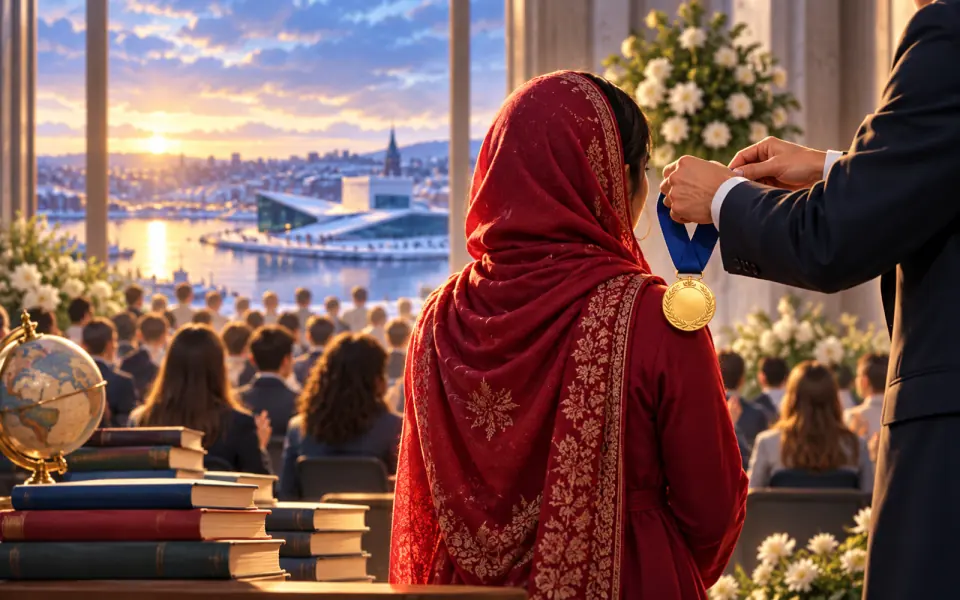 AfterMalala wins the Nobel Peace Prize2014
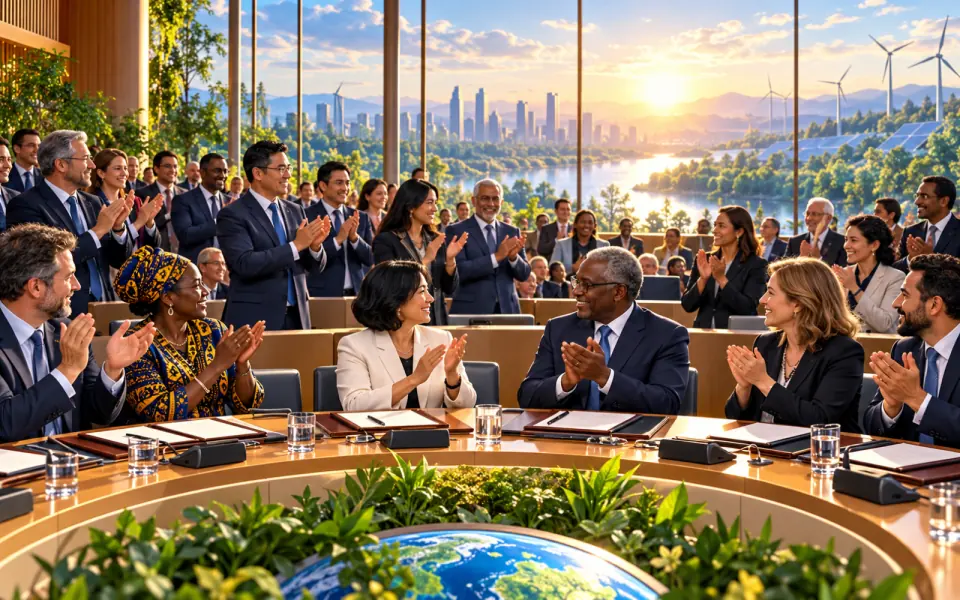 AfterThe Paris Agreement on climate2015
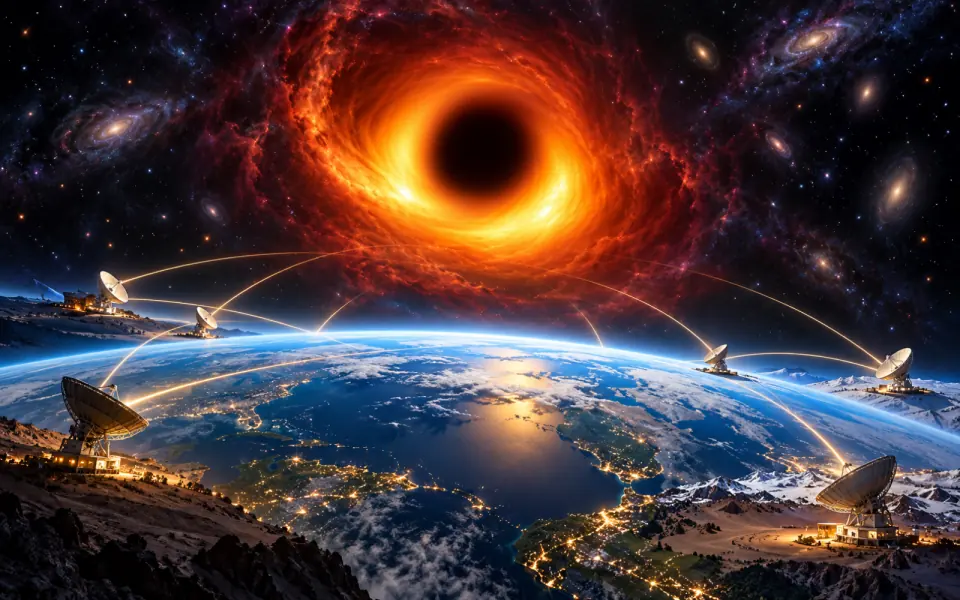 AfterThe first image of a black hole2019
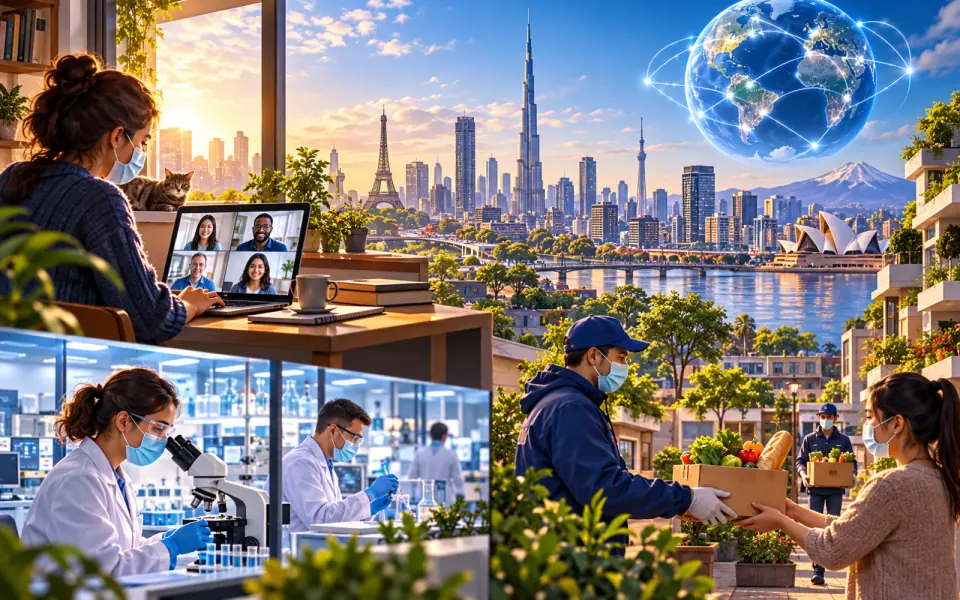 AfterThe COVID-19 pandemic2020
 AfterThe Webb telescope starts observing2022
Listen / Read next
- Music to read by: Cinematic JourneyEpic film-style music, no lyrics, by Ciro Simone IrmiciSpotifyYouTube Music
Meanwhile, elsewhere in the world
Other events of the era “Today”
- The double helix of DNA
- The polio vaccine
- Birth of the European Community
- The first artificial satellite
- The first human in space
- Pop art
- The Beatles
- Martin Luther King and civil rights
- The Moon landing
- The internet's first ARPANET links
- Earth Day and the environmental movement
- The personal computer
- The fall of the Berlin Wall
- The World Wide Web
- The European Union
- The International Space Station
- Euro notes and coins arrive
- The modern smartphone
- The global financial crisis
- Malala wins the Nobel Peace Prize
- The Paris Agreement on climate
- The first image of a black hole
- The COVID-19 pandemic
- The Webb telescope starts observing
