Columbus's voyage
1492 Guanahani, the Bahamas
In short
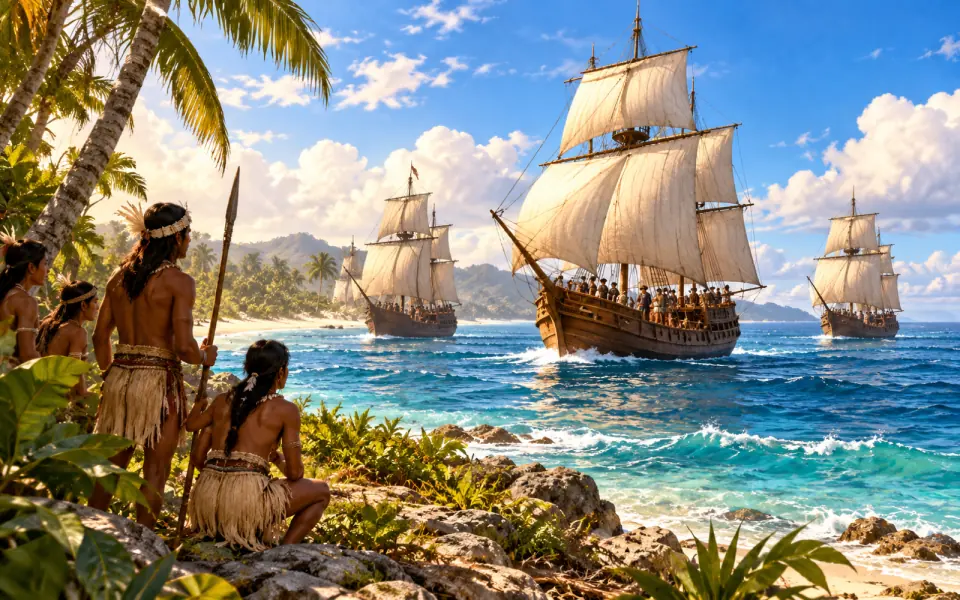
Christopher Columbus, from Genoa, wanted to reach Asia by sailing west. The King and Queen of Spain gave him three ships: the Niña, the Pinta and the Santa Maria. After more than two months at sea, on 12 October 1492 he landed on an island in the Bahamas inhabited by the Taíno people. Columbus believed to the end that he had arrived near Asia, but he had reached a continent unknown to Europeans.
Why it matters It brought Europe and the Americas into contact, with huge exchanges but also tragic consequences for the peoples who lived there.
Source: Treccani, entry “Colombo, Cristoforo”
Study card about 5 minutes of reading
The story
A new road to the East
At the end of the 15th century Europeans wanted the spices of Asia, such as pepper, cinnamon and cloves, as well as silk and precious stones. The land routes were long, controlled by many middlemen and made uncertain by wars. The Portuguese were trying to reach India by sailing round Africa, a very long voyage. A navigator born in Genoa, Christopher Columbus, thought of another road: to sail west, crossing the Atlantic Ocean, to reach Asia from the opposite side.
In the 15th century many educated people knew that the Earth is round. The problem was how big it is. Columbus believed it was smaller than it really is, and that between Europe and Japan there were only a few thousand kilometres. The experts who examined his plan in Portugal and Spain thought, on the contrary, that the distance was much greater, and they were right. If there had not been a continent in the way, the voyage would have been impossible.
The permission of the monarchs
Columbus knocked on many doors. In the end, in April 1492, he won the support of the rulers of Spain, Isabella of Castile and Ferdinand of Aragon. A few months earlier they had conquered Granada, the last Muslim kingdom on the Iberian peninsula, and could at last think about new undertakings. In an agreement, called the Capitulations of Santa Fe, they promised Columbus the title of admiral and governor of the lands he discovered, and a share of the profits.
On 3 August 1492 Columbus set out from the port of Palos de la Frontera, in southern Spain, with three ships: the Santa María, a larger ship, and the two smaller caravels, the Pinta and the Niña. The crew was about ninety men. They stopped in the Canary Islands to repair a ship and take on supplies, and then launched out into the open ocean, where no European of that time had ever gone so far west.
Land
The voyage was long: more than five weeks without seeing land. The sailors were worried, the food supply was running low and the wind kept carrying them further away. Columbus kept a diary, in which he also wrote down shorter distances than the true ones, to reassure the crew, according to some scholars. In the night between 11 and 12 October, at about two o'clock, a sailor on the Pinta, Rodrigo de Triana, shouted “Land!”.
It was an island in the Bahamas, which its inhabitants called Guanahani and which Columbus named San Salvador. Historians still argue about exactly which island it was. The inhabitants, the Taíno, welcomed the strangers with curiosity. Columbus believed he was near the Indies, in Asia, and so he called them “Indians”. He then explored Cuba and Hispaniola. The Santa María ran aground and was lost on Christmas Day, and with its timber a small fort, La Navidad, was built, where he left about forty men. The return to Spain, in March 1493, was greeted as a great triumph.
A world nobody knew
Columbus did not know that he had found a continent new to Europeans: he believed it was Asia until his death in 1506. The idea that these were unknown lands gradually took hold thanks to other travellers. In 1507 a German mapmaker, Martin Waldseemüller, drew a map on which the new continent bore the name “America”, in honour of Amerigo Vespucci. But the continent was not empty: for thousands of years peoples with their own cultures, languages and cities had lived there. And Columbus was not even the first European to get there: the Vikings had reached the north-eastern coast about five hundred years earlier.
Why it happened
Europe wanted the goods of Asia but the land routes were difficult, especially after the Ottoman Turks had taken Constantinople. In addition, progress in shipbuilding, navigation and mapmaking made long voyages possible.
The rulers of Spain, having just finished the war against Granada, wanted to compete with Portugal, which for decades had been exploring the coasts of Africa, and they were looking for wealth and prestige.
What changed
Columbus's voyage opened up lasting contact between Europe and the Americas. The “Columbian exchange” began: plants, animals, diseases and people passed from one continent to the other. From America came tomatoes, potatoes, maize and cacao; from Europe horses, cows, wheat and grapevines.
For the peoples of the Americas the consequences were terrible. The diseases brought by Europeans, such as smallpox and measles, killed an enormous number of people, who had no defences against them. Conquests, forced labour and slavery followed. Historians estimate that the indigenous population of the Caribbean almost disappeared within a few decades.
In 1494 Spain and Portugal signed the Treaty of Tordesillas, by which they divided up, on paper, the lands still to be discovered. For this reason many historians, and many descendants of the peoples of the Americas, judge Columbus harshly today, and debate how to remember him.
Key people and places
People
- Christopher Columbus
- Genoese navigator (about 1451–1506): he led the expedition that reached the Caribbean in 1492.
- Isabella of Castile
- Queen of Castile (1451–1504): she paid for the voyage.
- Ferdinand of Aragon
- King of Aragon (1452–1516): Isabella's husband, who ruled together with her.
- Rodrigo de Triana
- Sailor on the Pinta: according to tradition he was the first to see land.
- Taíno
- Indigenous people of the Caribbean who met Columbus.
Places
- Palos de la Frontera (Spain)
- The port from which the three ships set out, on 3 August 1492.
- Guanahani (San Salvador), Bahamas
- Island where Columbus landed on 12 October 1492; exactly which one it is is debated.
- Hispaniola
- Caribbean island, now divided between Haiti and the Dominican Republic, where the fort of La Navidad was built.
Good to know
- The three ships of the first voyage were the Santa María, the Pinta and the Niña.
- Columbus believed until his death that he had reached Asia.
- The continent took the name “America” from a map of 1507, in honour of Amerigo Vespucci.
- The Vikings had arrived in North America about five hundred years earlier.
- Of the fort of La Navidad, built with the timber of the Santa María, nothing was left when Columbus came back.
Find out more
- Wikipedia, “Christopher Columbus” en.wikipedia.org
- Wikipedia, “Voyages of Christopher Columbus” en.wikipedia.org
- Wikipedia, “Columbian exchange” en.wikipedia.org
- Wikipedia, “Treaty of Tordesillas” en.wikipedia.org
Related events
- The fall of Constantinople1453 · Early modern ageThe fall of Constantinople made the land routes to the East more difficult.
- Vasco da Gama reaches India1498 · Early modern ageA few years later, Vasco da Gama reached India by sea.
- The first voyage round the world1522 · Early modern ageMagellan's voyage around the world showed how big the Earth is.
- Tomatoes, maize and potatoes reach Europeabout 1550 · Early modern ageAfter Columbus, tomatoes, maize and potatoes arrived in Europe.
Before and after, in the era “Early modern age”
Event 7 of 25
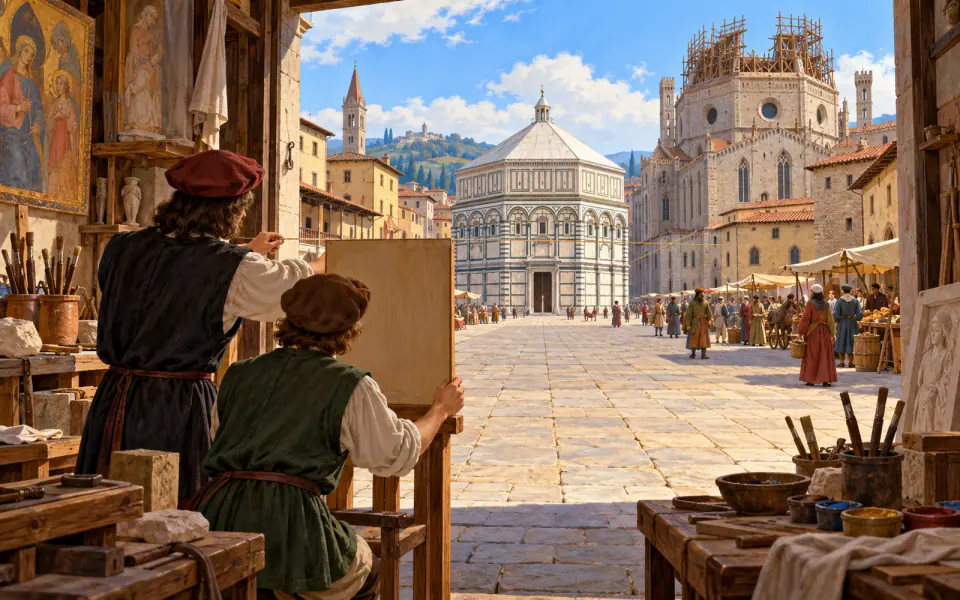 BeforeRenaissance perspectiveabout 1420
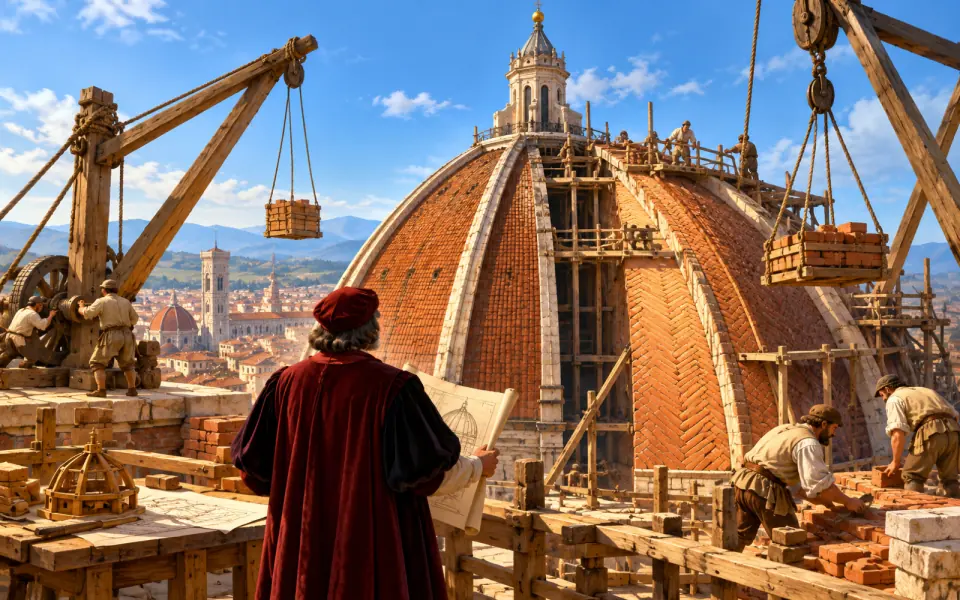 BeforeBrunelleschi completes the dome1436
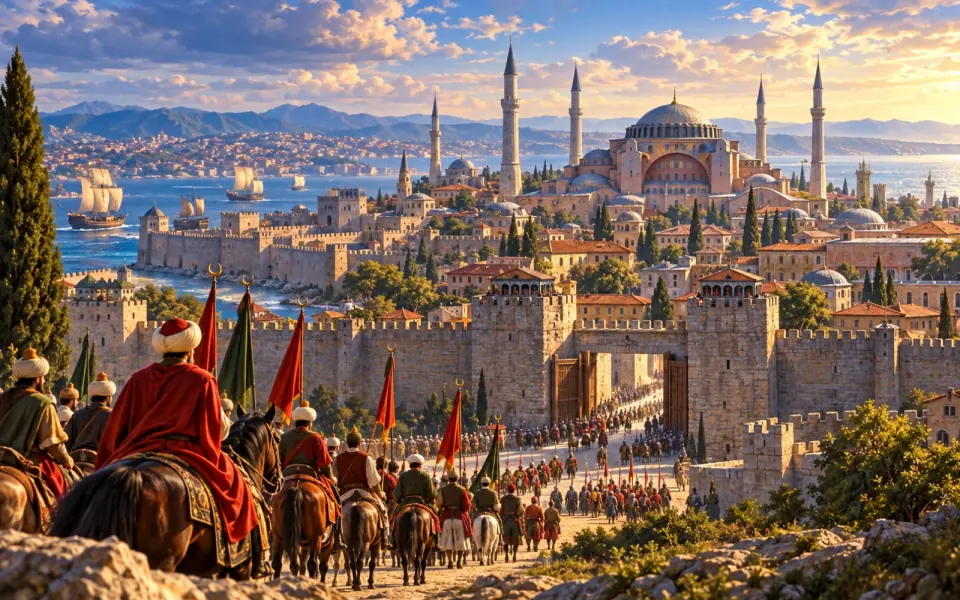 BeforeThe fall of Constantinople1453
 BeforeGutenberg prints the Bibleabout 1455
 BeforeLorenzo de' Medici in Florence1469
 BeforeLeonardo designs machinesabout 1485
- You are hereColumbus's voyage1492
 AfterVasco da Gama reaches India1498
 AfterMichelangelo carves David1504
 AfterRaphael paints the Vatican Rooms1508
 AfterLuther and the Reformation1517
 AfterThe conquest of Tenochtitlán1521
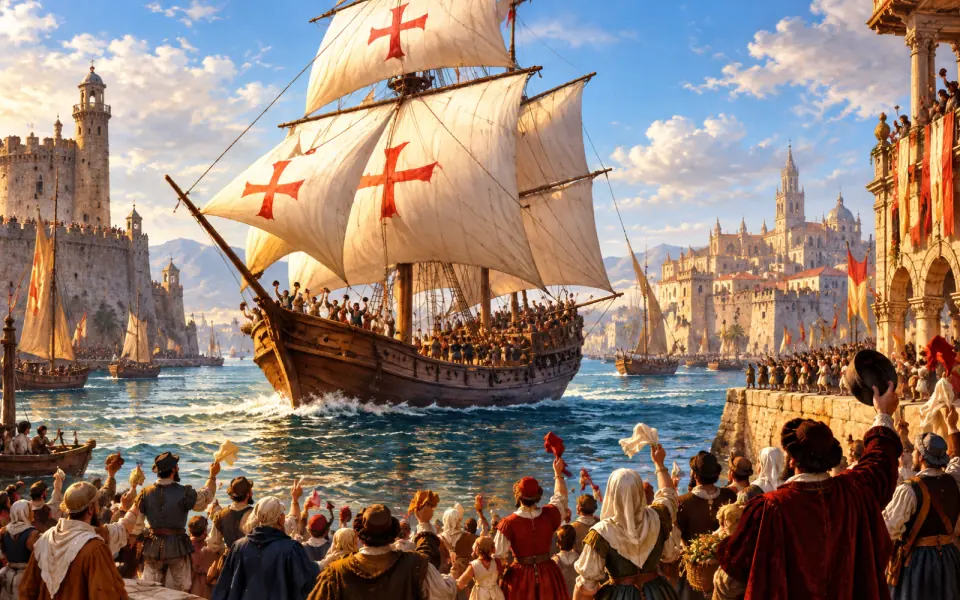 AfterThe first voyage round the world1522
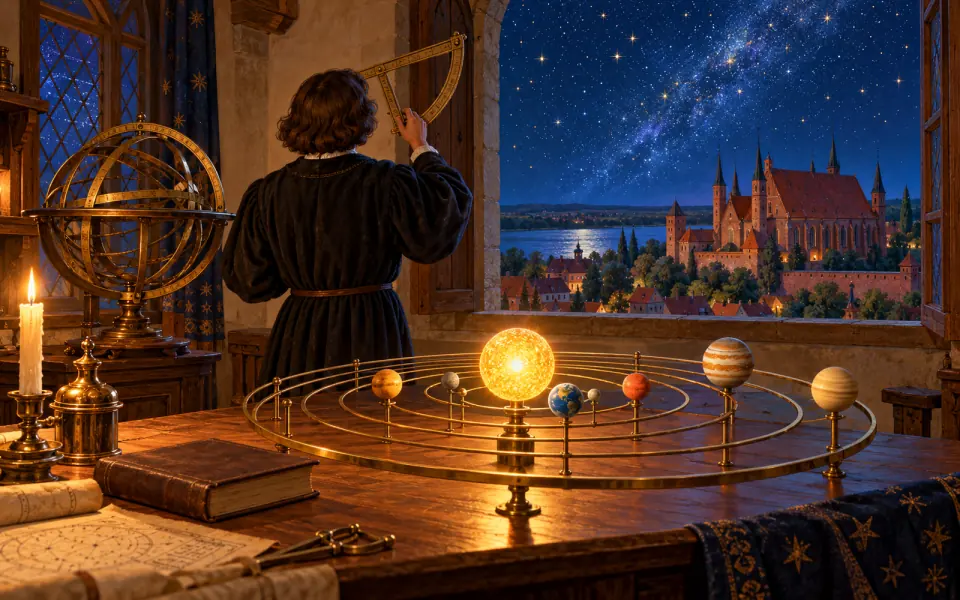 AfterCopernicus puts the Sun at the centre1543
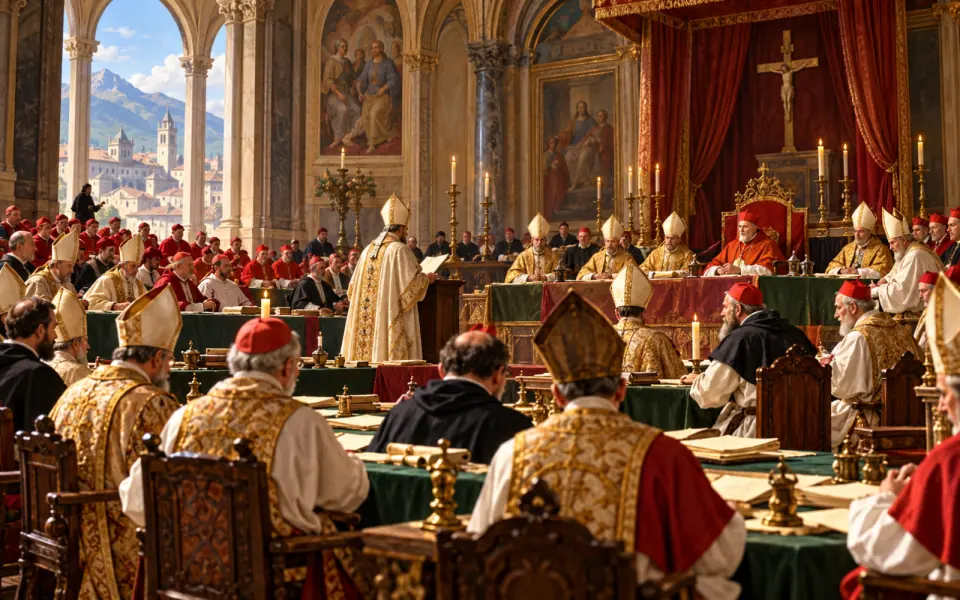 AfterThe Council of Trent1545–1563
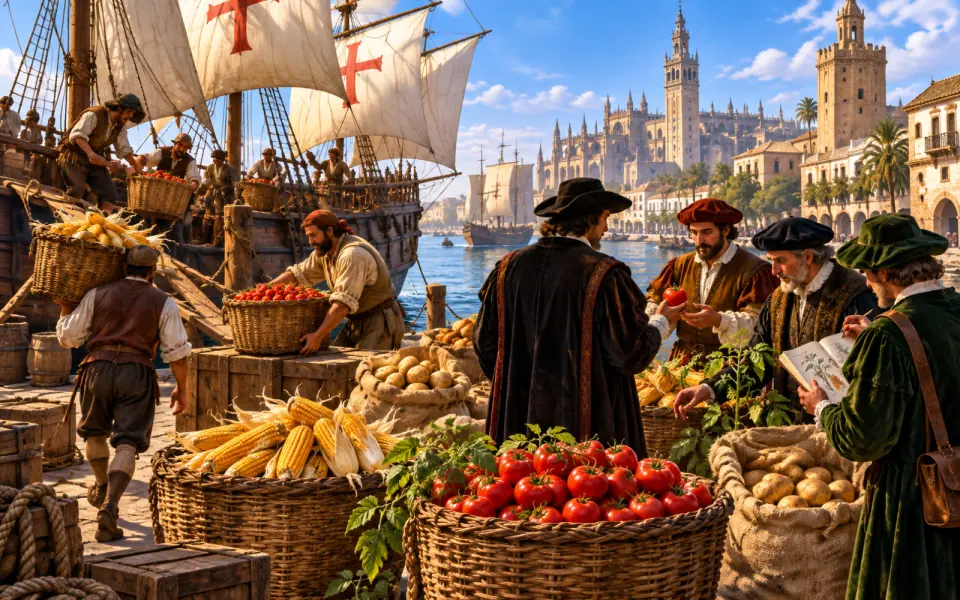 AfterTomatoes, maize and potatoes reach Europeabout 1550
 AfterThe Gregorian calendar1582
 AfterShakespeare's theatreabout 1590
 AfterRegular newspapers1605
 AfterGalileo turns his telescope to the sky1609
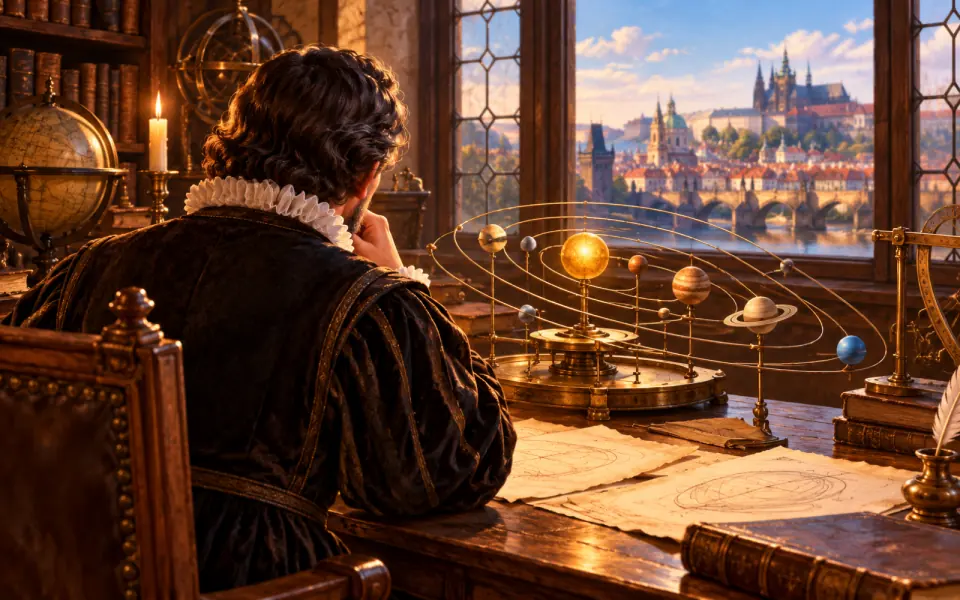 AfterKepler describes the orbits1609
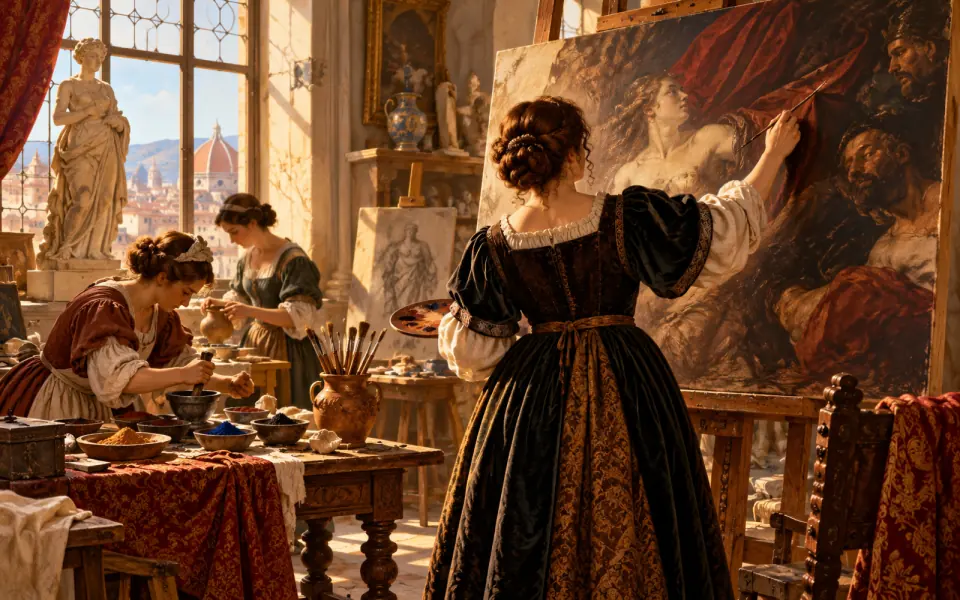 AfterArtemisia Gentileschiabout 1612
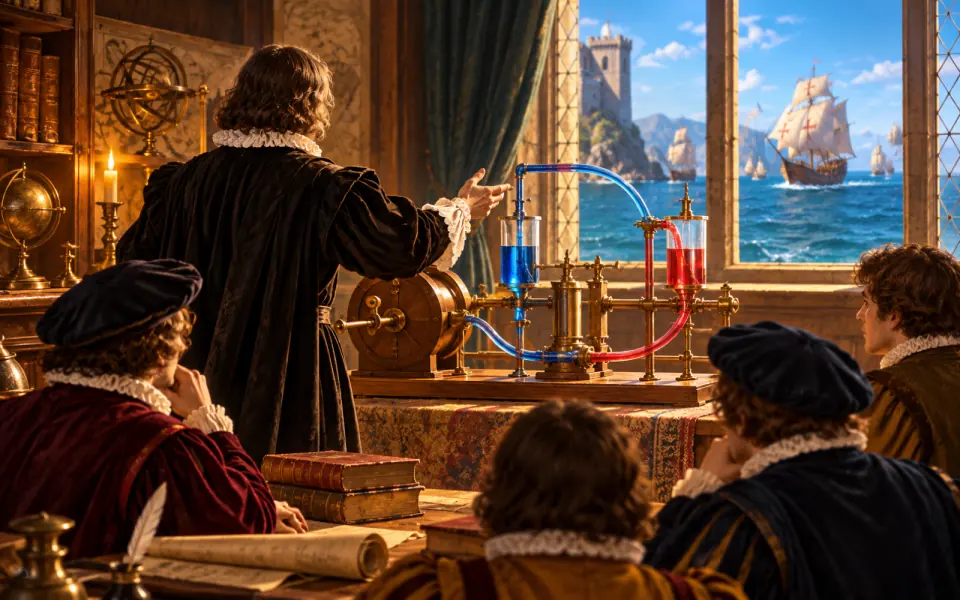 AfterHarvey studies the circulation of the blood1628
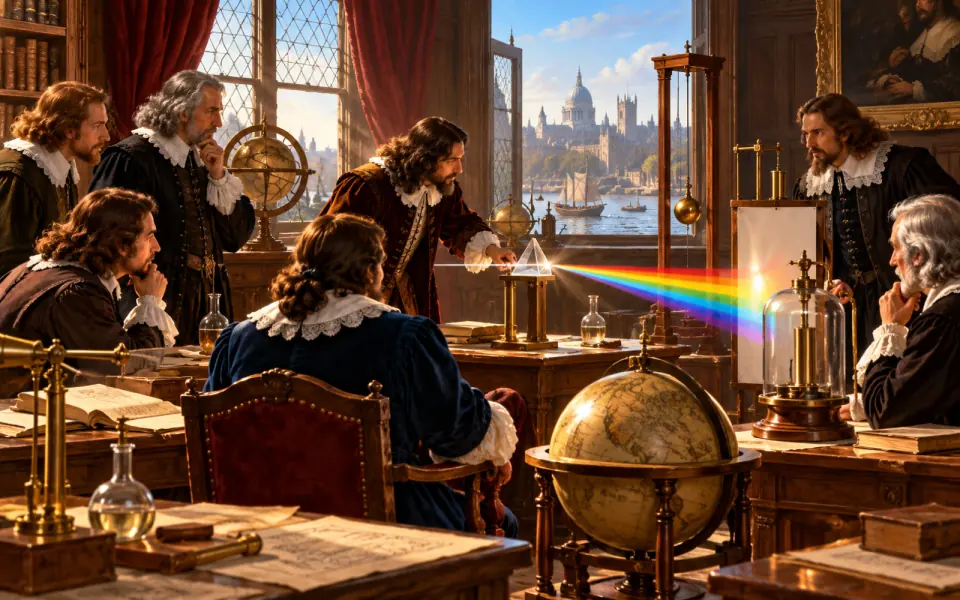 AfterScientific academies1660
 AfterNewton publishes the Principia1687
Listen / Read next
- Music to read by: Cinematic JourneyEpic film-style music, no lyrics, by Ciro Simone IrmiciSpotifyYouTube Music
Meanwhile, elsewhere in the world
Other events of the era “Early modern age”
- Renaissance perspective
- Brunelleschi completes the dome
- The fall of Constantinople
- Gutenberg prints the Bible
- Lorenzo de' Medici in Florence
- Leonardo designs machines
- Vasco da Gama reaches India
- Michelangelo carves David
- Raphael paints the Vatican Rooms
- Luther and the Reformation
- The conquest of Tenochtitlán
- The first voyage round the world
- Copernicus puts the Sun at the centre
- The Council of Trent
- Tomatoes, maize and potatoes reach Europe
- The Gregorian calendar
- Shakespeare's theatre
- Regular newspapers
- Galileo turns his telescope to the sky
- Kepler describes the orbits
- Artemisia Gentileschi
- Harvey studies the circulation of the blood
- Scientific academies
- Newton publishes the Principia
